
Charles Lindbergh — at the NBC Microphone
, thirty-seven, has been the most famous aviator in the United States since his solo transatlantic flight New York-Paris of 20-21 May 1927 aboard the Spirit of St. Louis. A national hero, married to (daughter of the American ambassador to Mexico), he had lived in Europe (the United Kingdom and then France) from 1936 to April 1939, after the kidnapping and murder of his son Charles Jr in 1932 had withdrawn him from public life.
During his European stay, Lindbergh accepted several invitations to Nazi Germany (1936, 1937, 1938) to visit the aviation factories. In October 1938 presented him with the Service Cross of the German Eagle — a distinction which, in the context of the Anschluss and Munich, drew severe criticism from the liberal American press. He had reported to Roosevelt and the State Department that the Luftwaffe was "overwhelming" and European resistance to Hitler "futile."
Back in the United States in April 1939, Lindbergh is courted by the isolationist groups: the future America First Committee (founded September 1940) is taking shape. On 1 September 1939, after the invasion of Poland, Roosevelt invokes the Neutrality Act. Lindbergh decides to intervene publicly to prevent any move towards Cash and Carry. He proposes to NBC, CBS, and Mutual Broadcasting a simultaneous address over the three great radio networks.
What tone and argument to choose for his speech of 15 September?
Lindbergh combines A and B. The speech of 15 September 1939 goes out over NBC, CBS, and Mutual at 9.45 p.m. EST. Estimated audience: thirty million listeners. Argument: "We must look (...) to the welfare of this country first. (...) We must not be misguided by these foreign noises which are now being broadcast across our country (...) We must band together to preserve that most priceless possession, our inheritance of European blood." The racial reference, coded but clear, will be taken up in later speeches in more explicit terms (notably at Des Moines on 11 September 1941, where Lindbergh will accuse "the British, the Jews, and the Roosevelt administration" of pushing for war — a speech that will mark his political disgrace). Roosevelt replies to Lindbergh through Secretary and pushes the revision of the Neutrality Act through on 4 November 1939, despite isolationist pressure. Lindbergh becomes the public face of the America First Committee in 1940-1941. After Pearl Harbor (7 December 1941) he offers his military services — Roosevelt refuses them. He fights finally as a civilian in the Pacific (fifty combat missions with the P-38s of the ). After the war, partially rehabilitated, he becomes an aviation consultant and an environmentalist. He dies on Maui in 1974. The Lindbergh controversy over his antisemitism and Reich sympathies remains lively.
Learn more about this event
Related polls
10
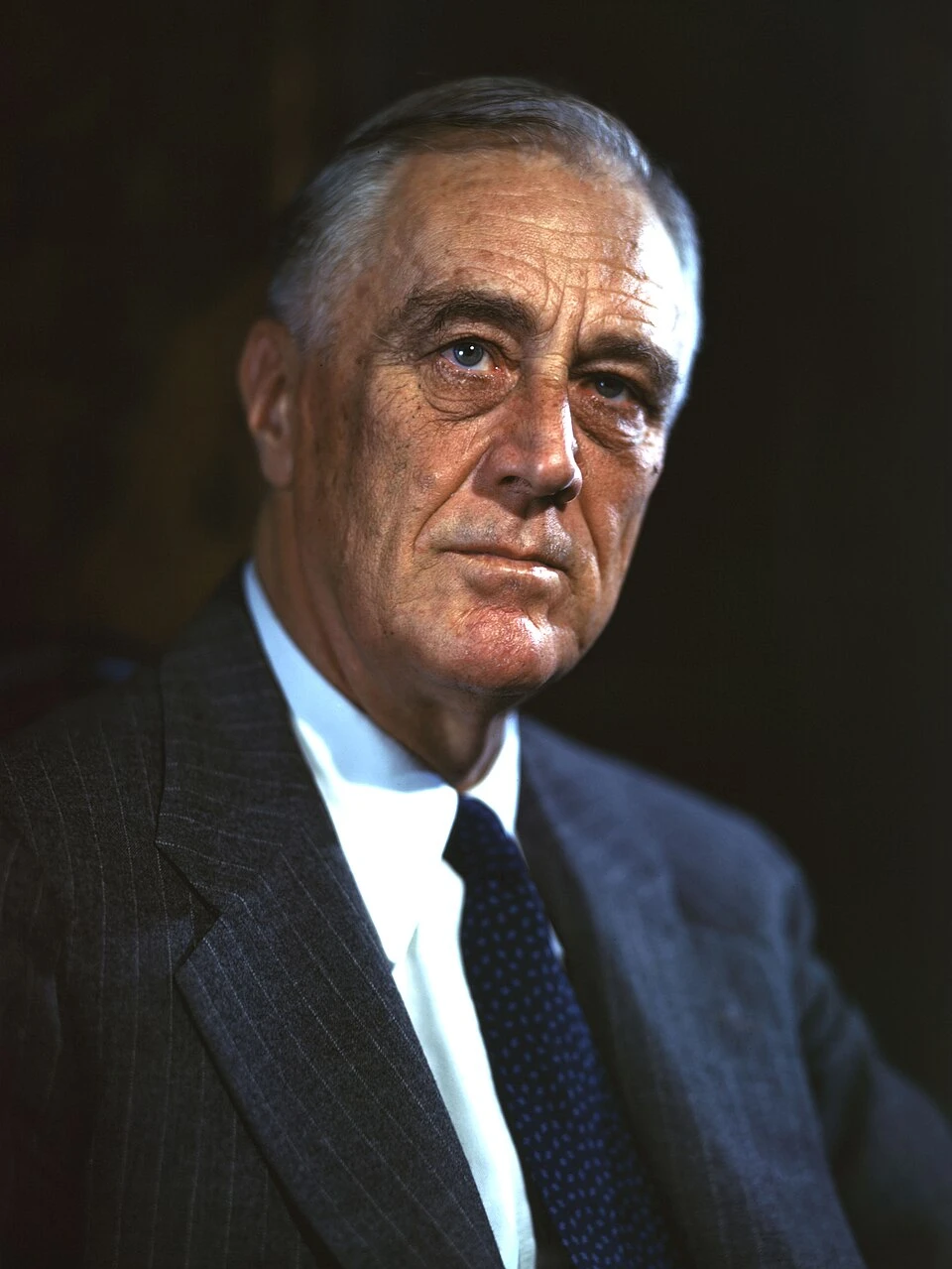
Roosevelt — revising the Neutrality Act
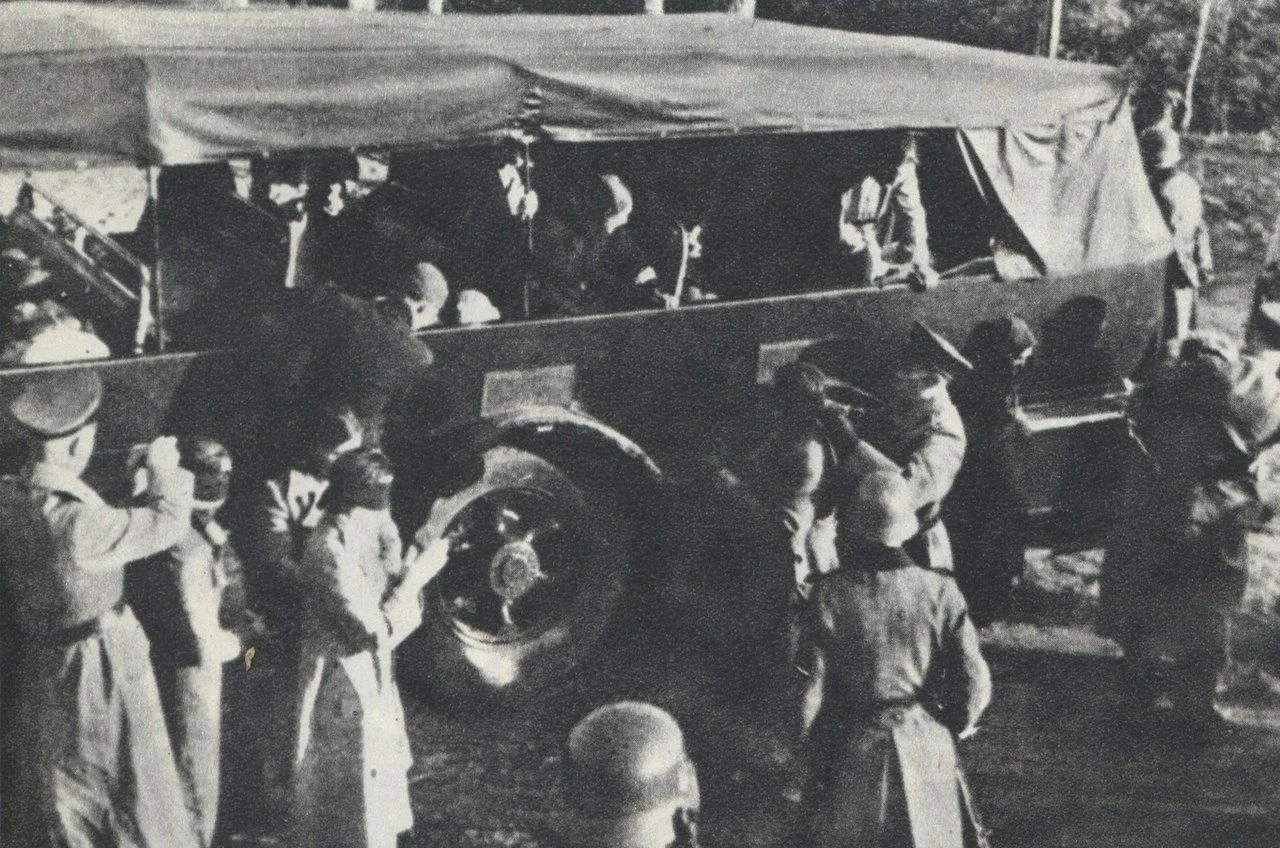
Sumner Welles — Preparing the European Mission
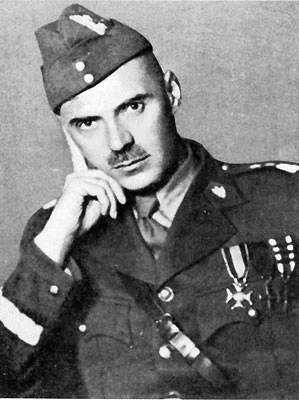
Anders in the Lubyanka
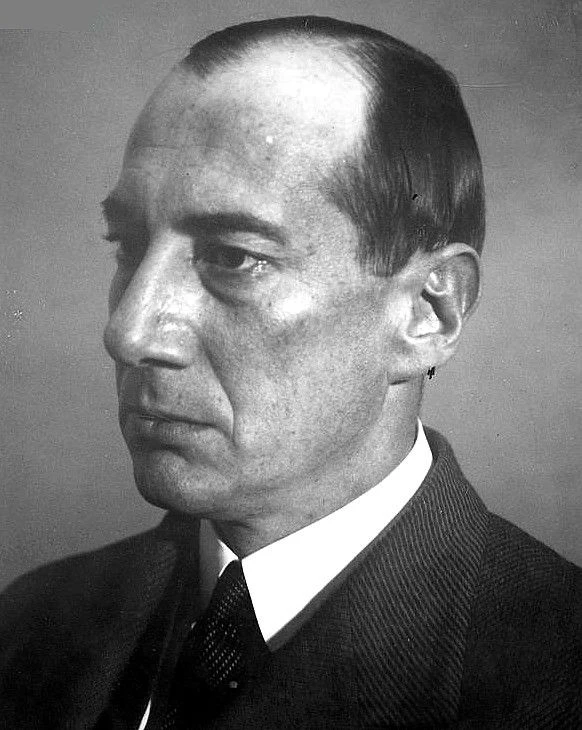
Beck in Bucharest — the Internee
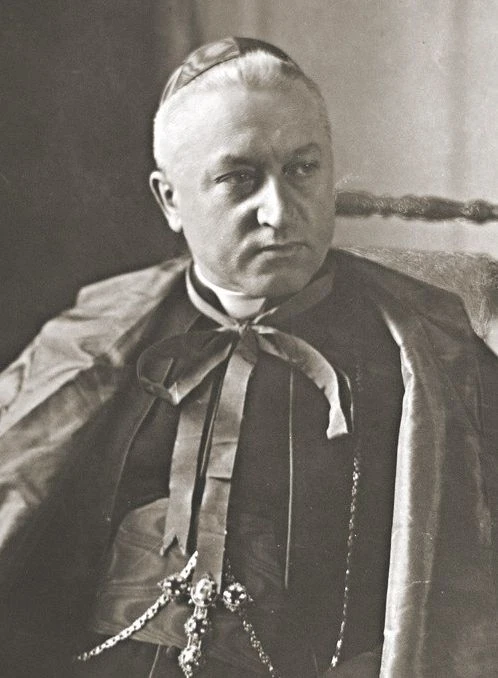
Cardinal Hlond — the Vatican's instruction
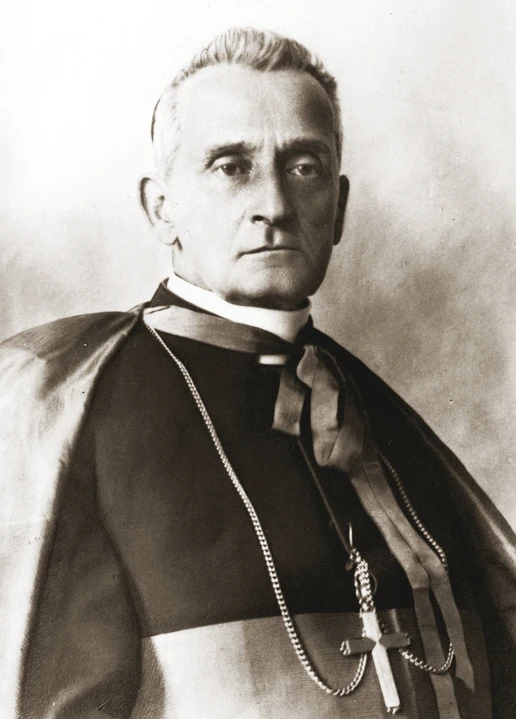
Cardinal Sapieha — Krakow under Occupation
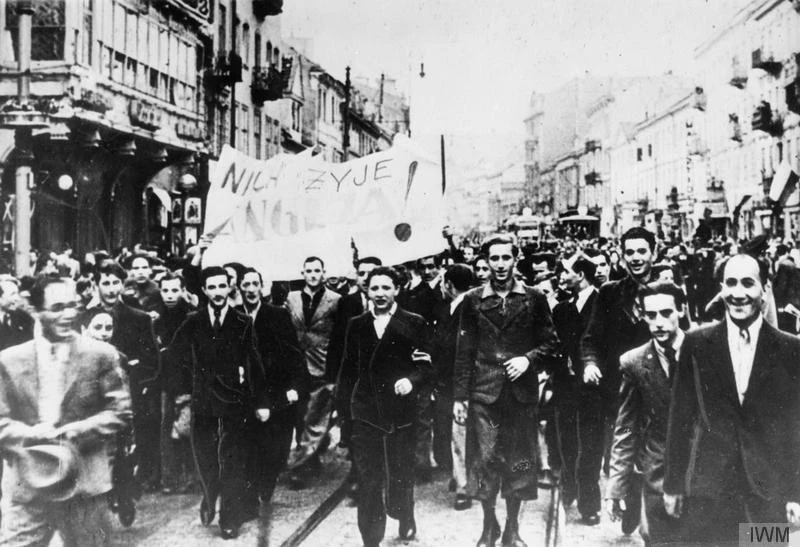
Chamberlain — 11:15 BST
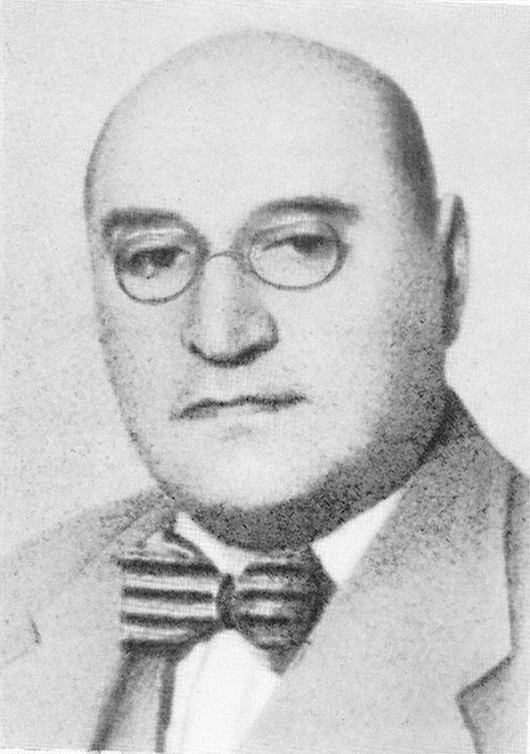
Czerniaków — the offer of the Judenrat

Daladier — Thorez's Defection
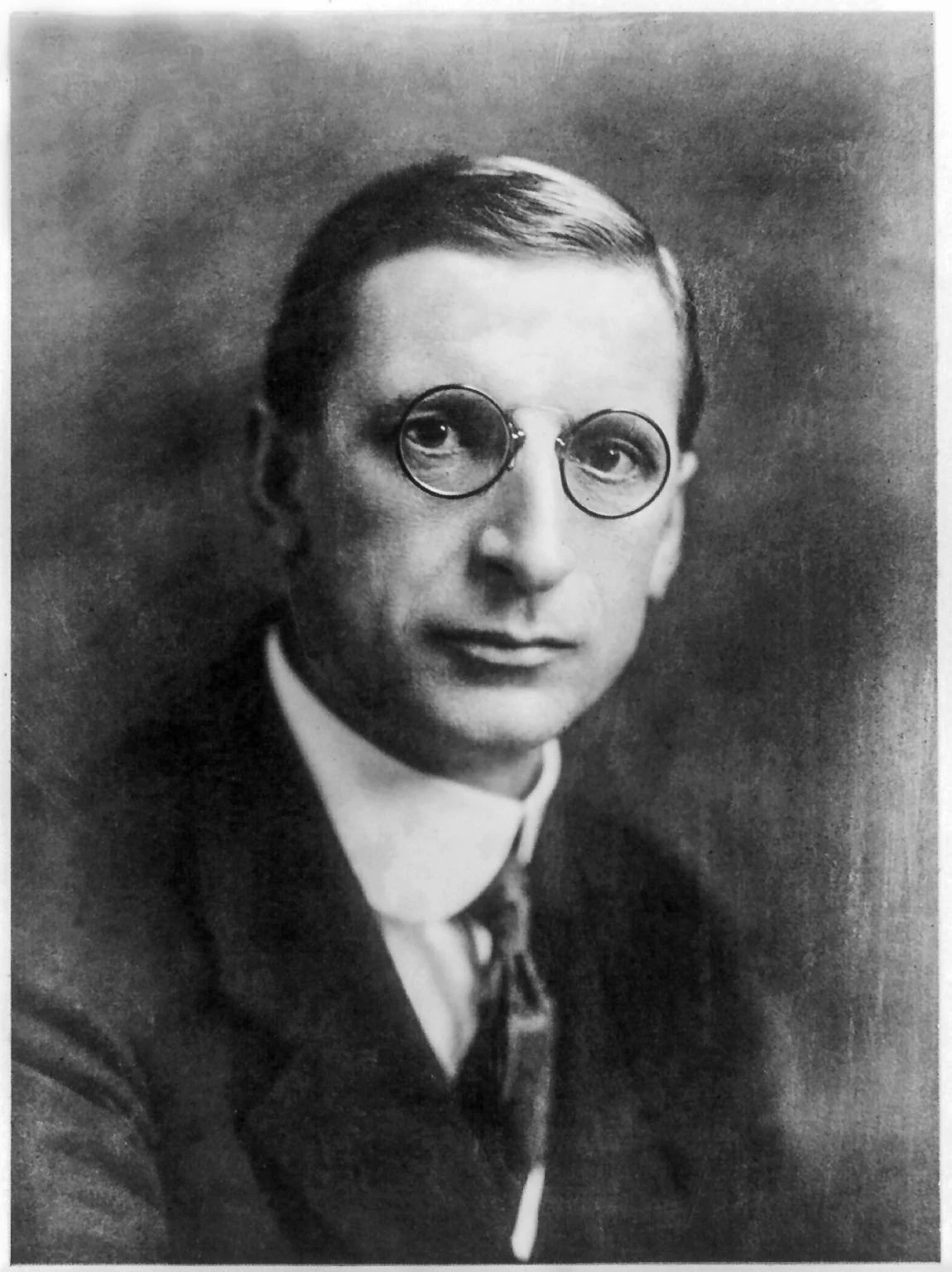
De Valera — Leinster House, 2 September
Roosevelt — revising the Neutrality Act
Sumner Welles — Preparing the European Mission
Anders in the Lubyanka
Beck in Bucharest — the Internee
Cardinal Hlond — the Vatican's instruction
Cardinal Sapieha — Krakow under Occupation
Chamberlain — 11:15 BST
Czerniaków — the offer of the Judenrat
Daladier — Thorez's Defection