
Moscow, 16 October 1941: The Day of Great Panic
After the catastrophe of Vyazma, the road to Moscow seems open. On 15 and 16 October, the State Defence Committee orders the evacuation of the ministries, the factories, the embassies and Lenin's body. Rumour places the Germans at the gates.
On 16 October comes the "great panic": a crush at Kazan station, officials burning their files and fleeing by car, shops looted, workers who have not been paid storming the workshops. Many set off eastward on foot; others are ordered to dismantle or mine their factory.
For a worker, every way out is a gamble: flee in the chaos, stay and hold on, or take advantage of the disorder.
In the panic of 16 October, should this worker flee to the east, stay to defend the city, or help herself in the abandoned factories?
On 19 October, — who had stayed in Moscow — declared a state of siege: order was restored, looters shot, the flight halted. Tens of thousands of Muscovites, mostly women, dug anti-tank ditches around the city. The parade of 7 November on Red Square defied the enemy, and the December counter-offensive saved the capital. The city held because a mass of its inhabitants stayed and worked for its defence.
Learn more about this event
Related polls
10
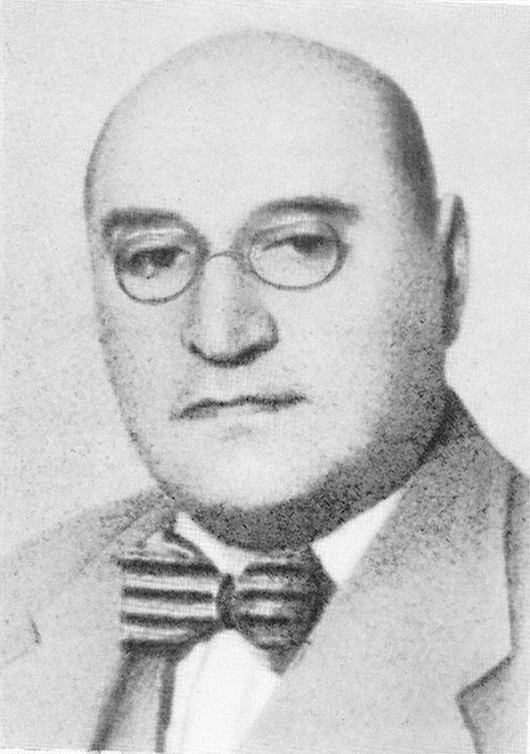
Czerniaków — the offer of the Judenrat
Hannah Arendt, Stateless and Interned, Facing Exile
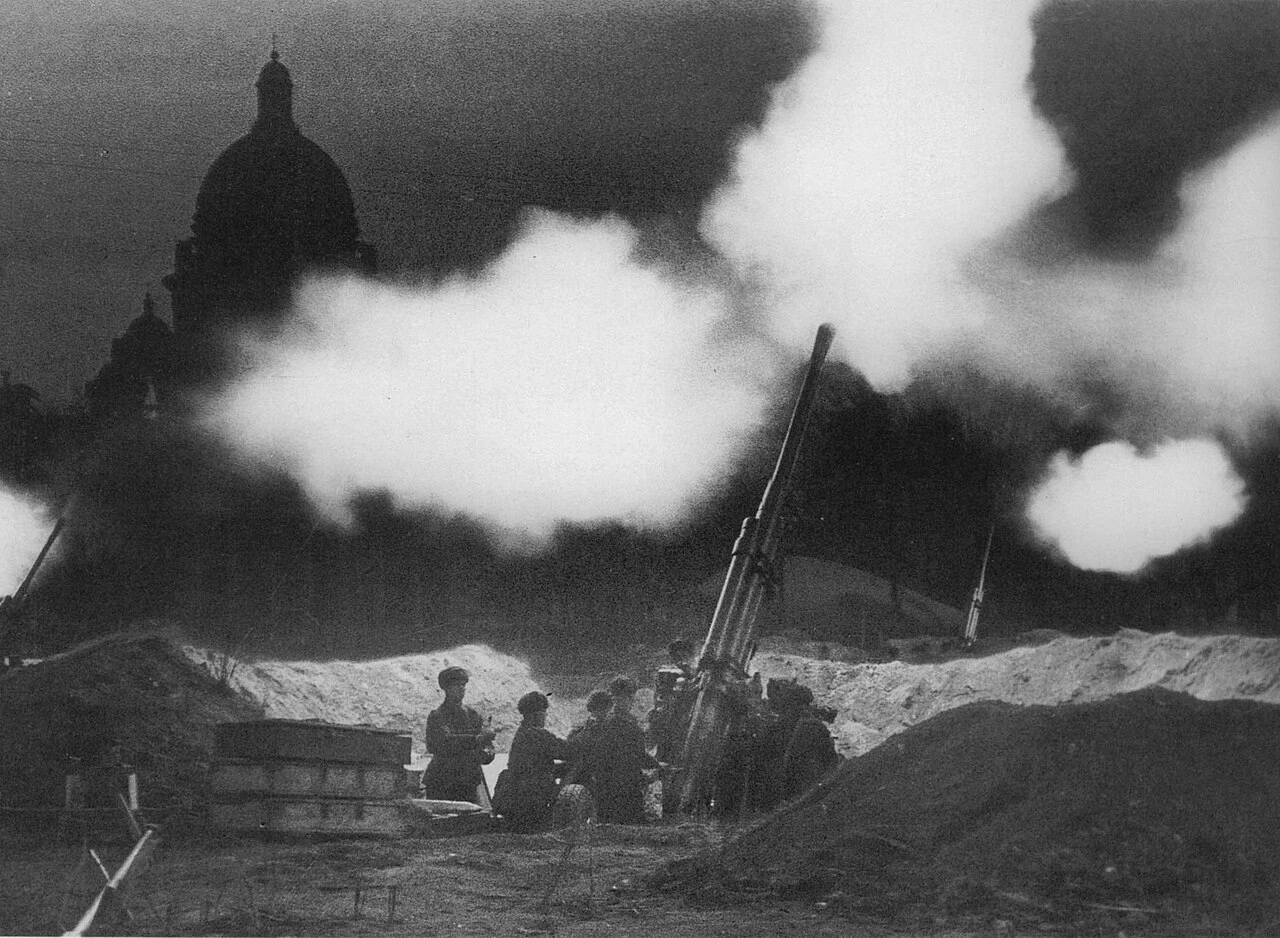
The Kirov Plant Under the Shells
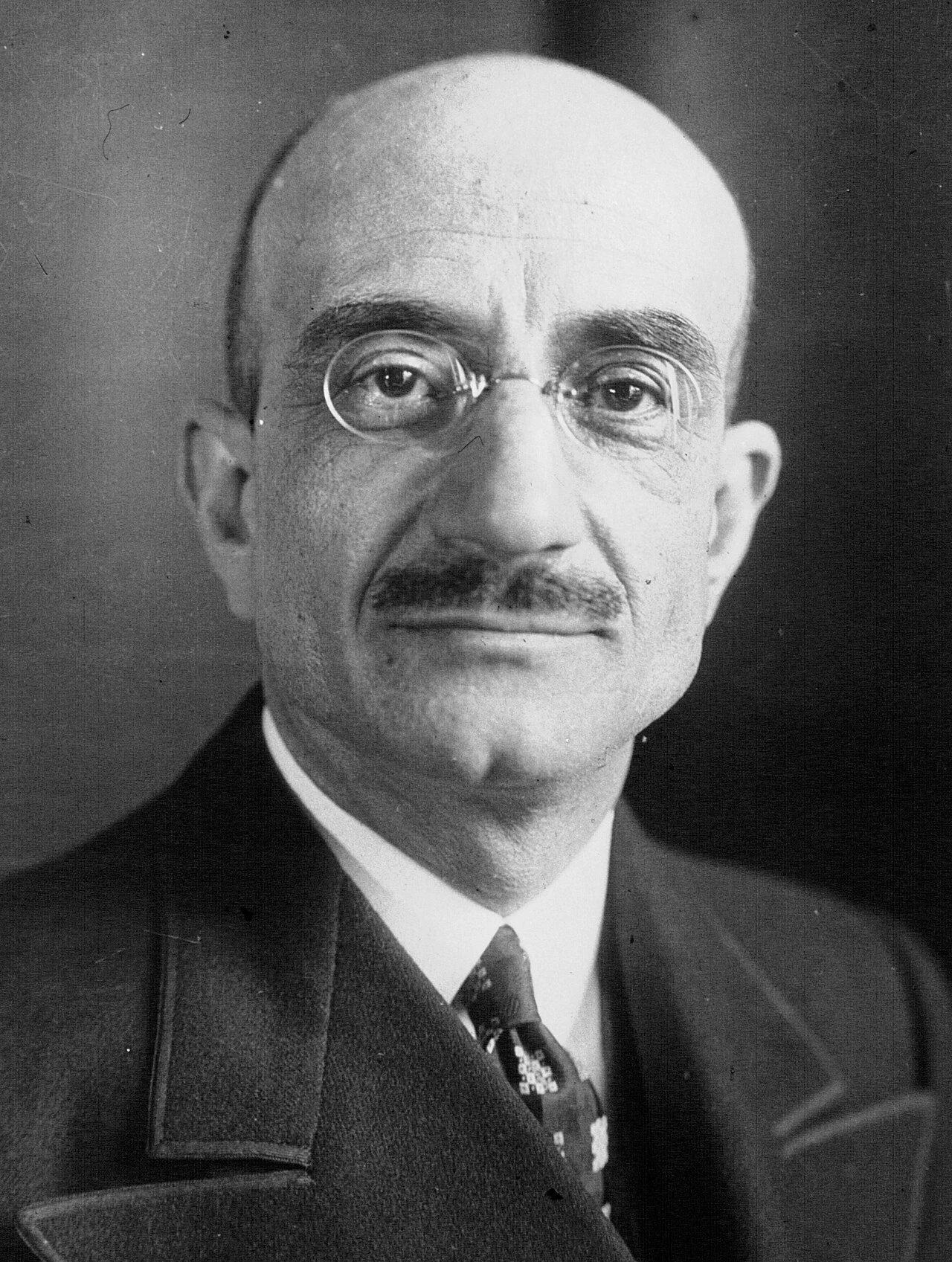
Langeron — Prefecture of Police, 14 June
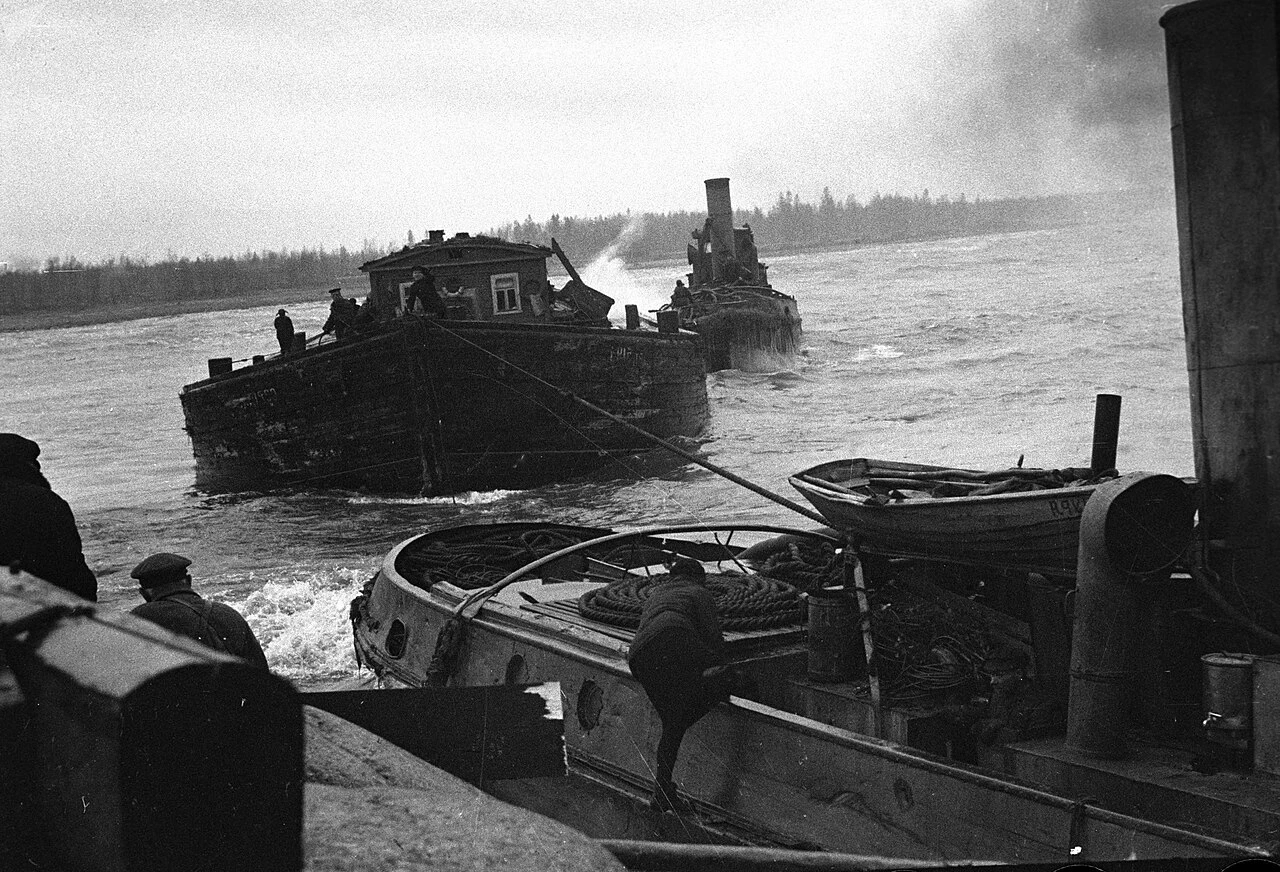
Leningrad: The First Ice on Lake Ladoga
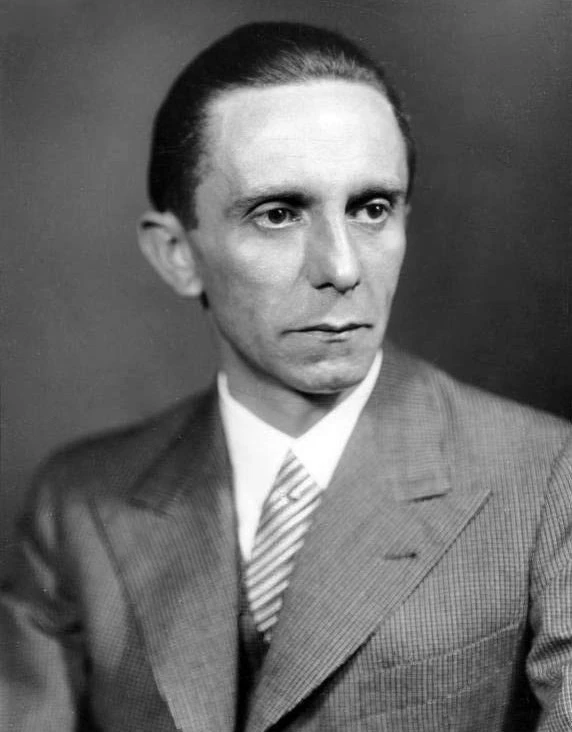
Berlin, October 1941: The Words of Victory
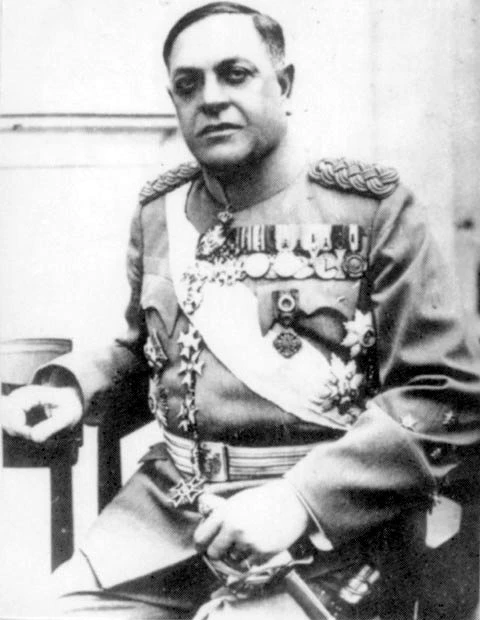
The Belgrade schoolteacher under the occupation
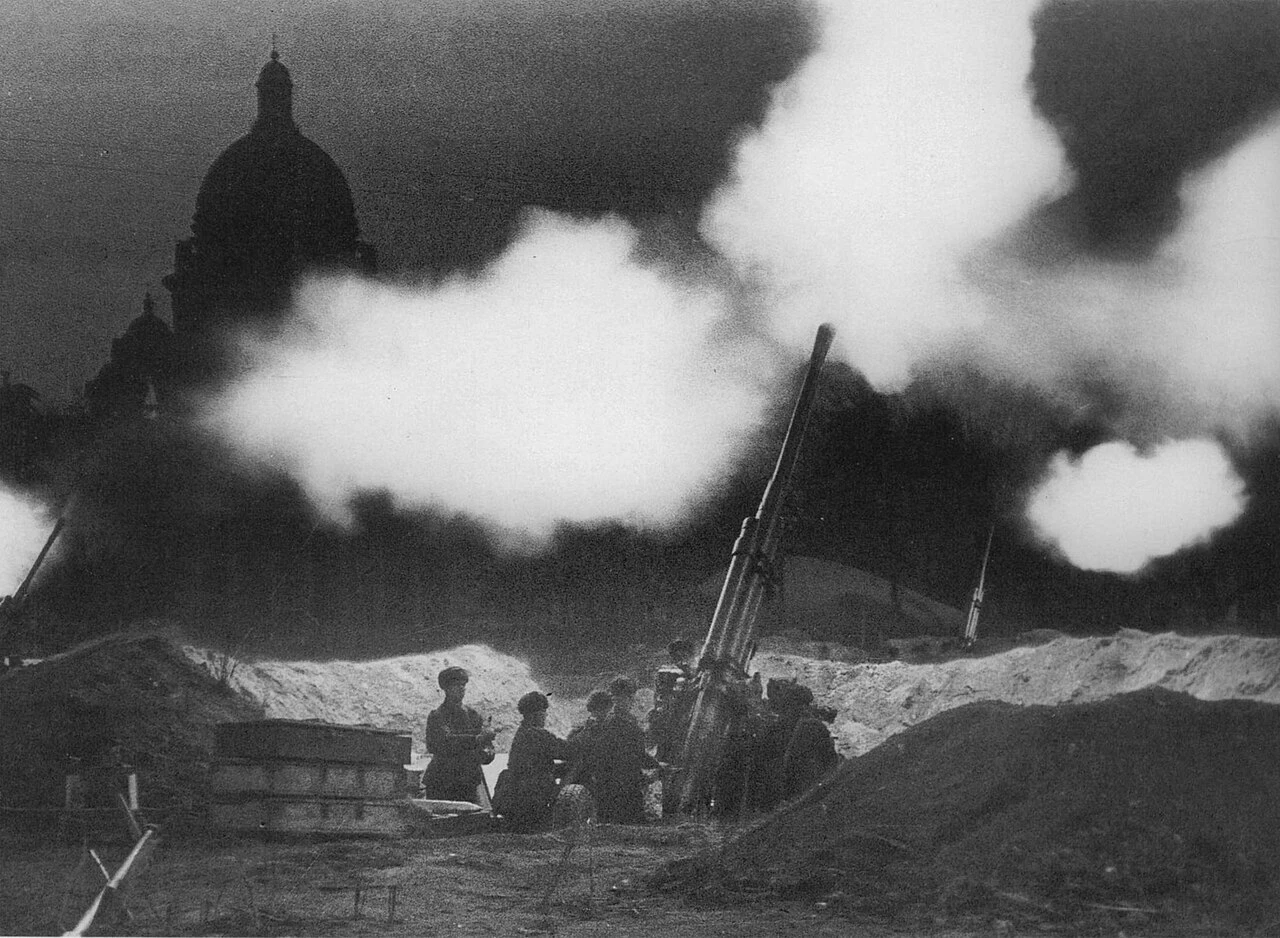
Leningrad University during the siege
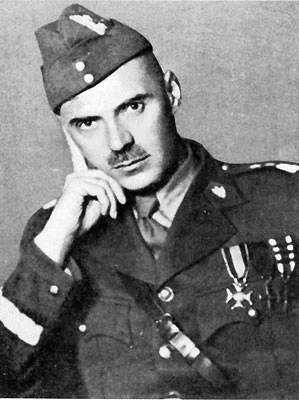
Anders in the Lubyanka
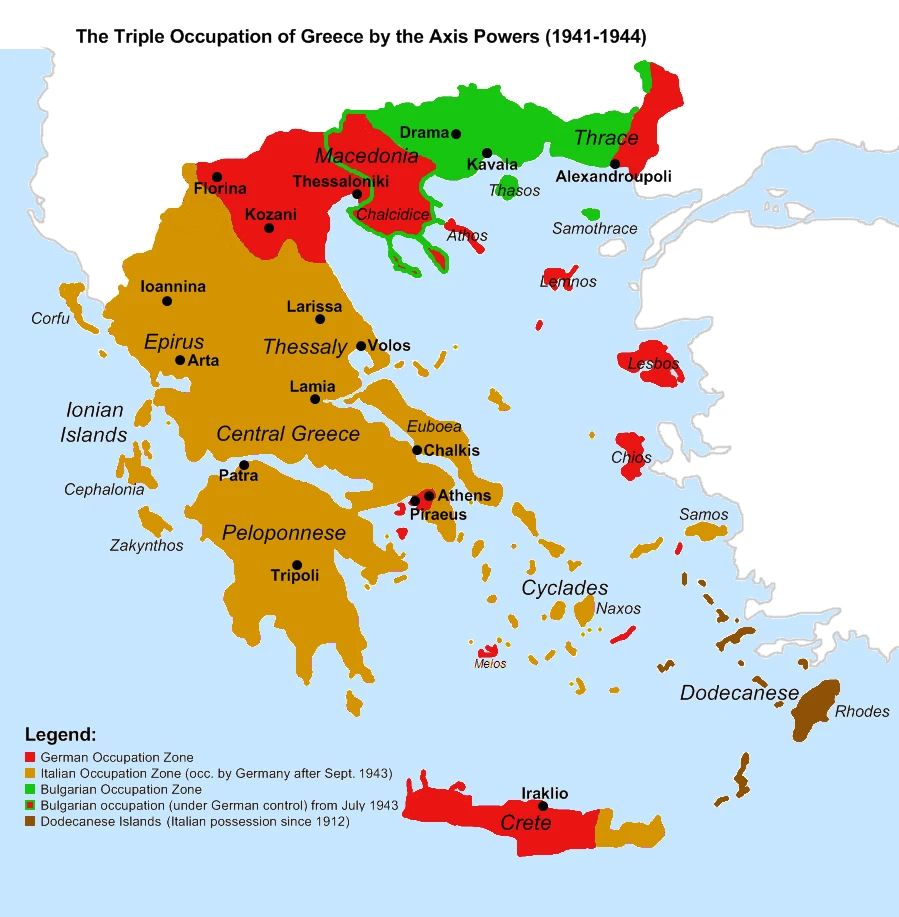
Athens, the Winter of Hunger
Czerniaków — the offer of the Judenrat
Hannah Arendt, Stateless and Interned, Facing Exile
The Kirov Plant Under the Shells
Langeron — Prefecture of Police, 14 June
Leningrad: The First Ice on Lake Ladoga
Berlin, October 1941: The Words of Victory
The Belgrade schoolteacher under the occupation
Leningrad University during the siege
Anders in the Lubyanka