
Pajari at Tolvajärvi — 12 December, 04:00
From 30 November to 11 December 1939 the Red Army advances everywhere. In northern Karelia the (General Belyaev) drives deep from Petrozavodsk to the south-west, towards Joensuu, through the frozen forests. Its motorised column — 20,000 men, 45 tanks and 60 guns — has met no significant resistance. By 11 December it is at Tolvajärvi, eighty kilometres inside Finnish territory.
Facing this breakthrough, the Finnish general staff (General Öhquist) must improvise. He gives command of a hastily assembled battle group — some 4,200 men (the , a reservist battalion, two ski companies) — to Lieutenant Colonel , 42, a former cavalry officer. Mission: stop the . Odds: one against five.
Pajari sizes up the situation quickly. The Soviet column is strung out over thirty-five kilometres of forest road, its units isolated from one another by woods and frozen lakes. The Finns master the terrain, the skis and combat at -30°C. The motti doctrine ("firewood log"), which consists of isolating small enemy groups and annihilating them one by one, can be applied. But it demands a mobility that fatigue (the men have marched 200 km in three days) and morale (their first major engagement of the war) may compromise.
How does Pajari commit his battle group on 12 December?
Pajari applies B. On 12 December 1939 at 04:00, the Finnish companies emerge from the forests on both flanks, at -28°C. The Soviet units bivouacked there are caught by surprise: their camp fires make perfect targets for the Finns' Suomi KP/-31 submachine guns and Mosin-Nagant rifles. The shatters into isolated groups. Pajari personally leads the attacks to the point of total exhaustion — he suffers two heart attacks in the field but refuses evacuation. By 23 December 1939 the tactical balance sheet is stark: the Finns have lost 939 men killed and wounded; the Soviets count 5,000 killed, wounded or missing, plus 600 prisoners, 60 tanks destroyed or captured and 30 guns captured. The has been wiped out. It is the first major Finnish victory of the Winter War. Belyaev is dismissed and then executed in Moscow in January 1940. Pajari is promoted colonel, but his health is wrecked — he died of a heart attack in July 1949. The success of Tolvajärvi becomes the tactical template for the other Finnish victories.
Learn more about this event
Related polls
10
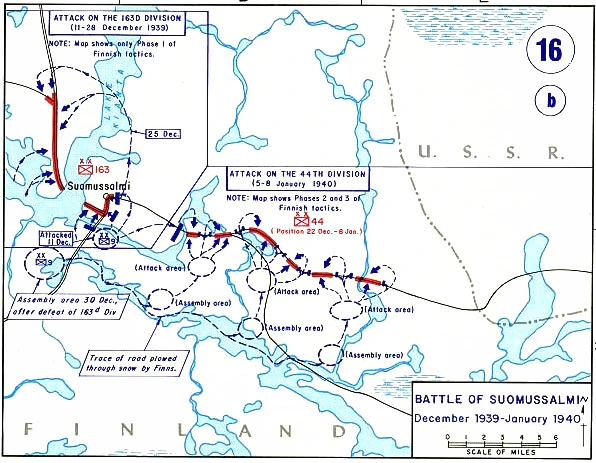
Suomussalmi — Siilasvuo against the 163rd
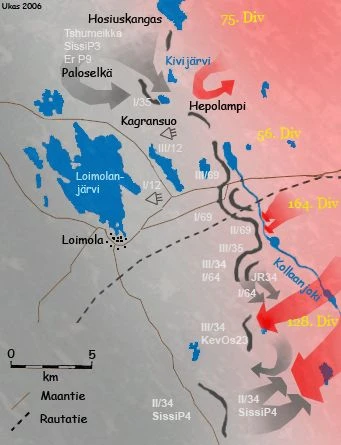
Svensson on the Kollaa front
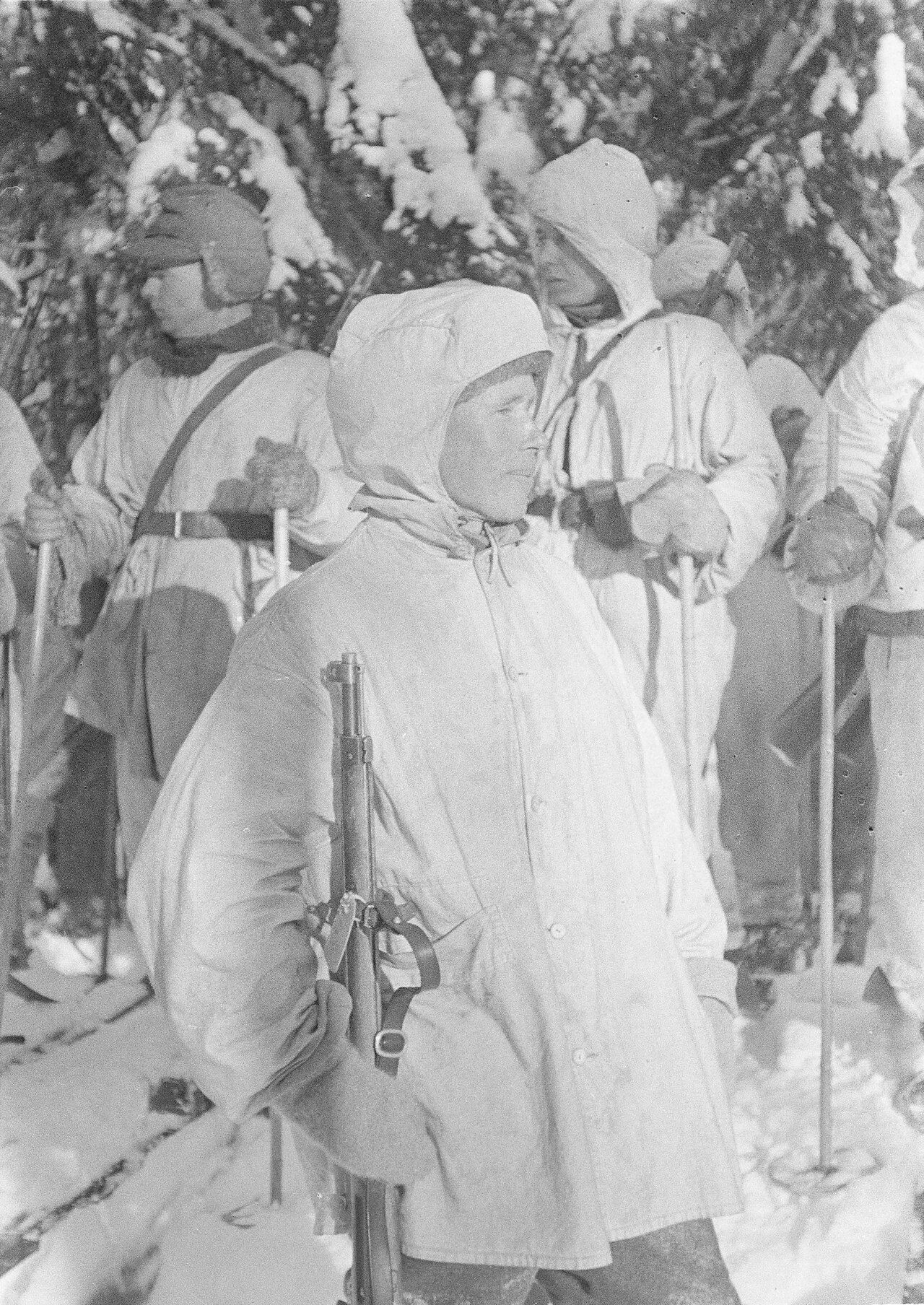
Häyhä — the marksman of Kollaa
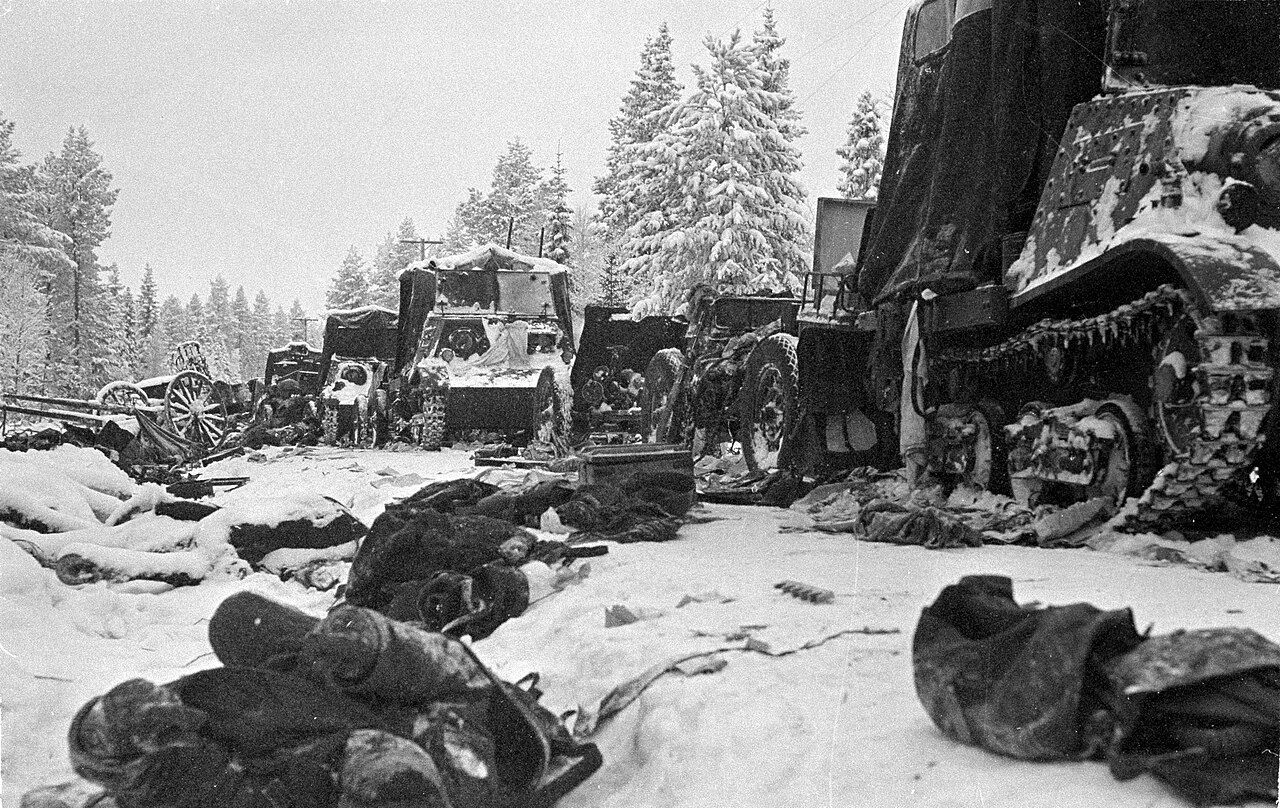
Raate — Vinogradov on the frozen road
Brześć — Plisowski faces Guderian
Bulson — Lafontaine and the 02:00 rumour
Calais — Nicholson facing the ultimatum
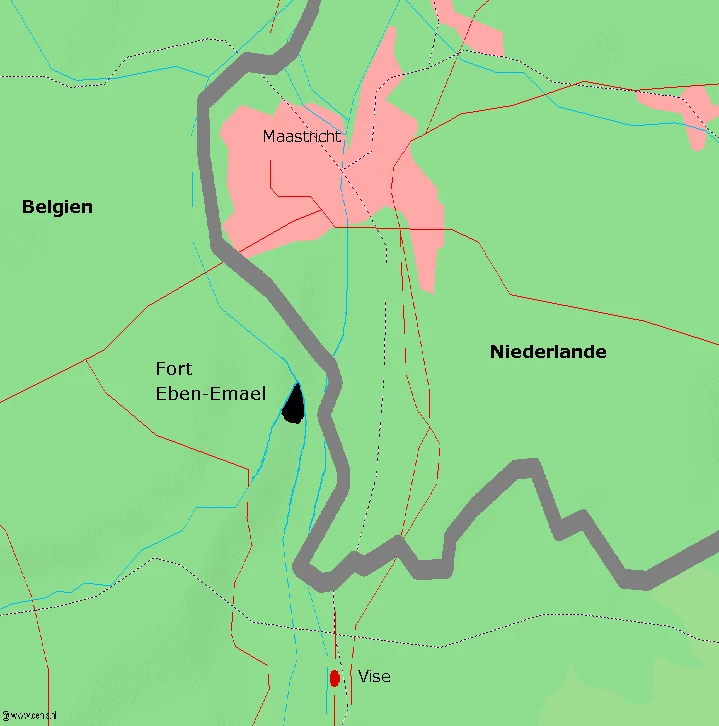
Eben-Emael — Jottrand under the explosions
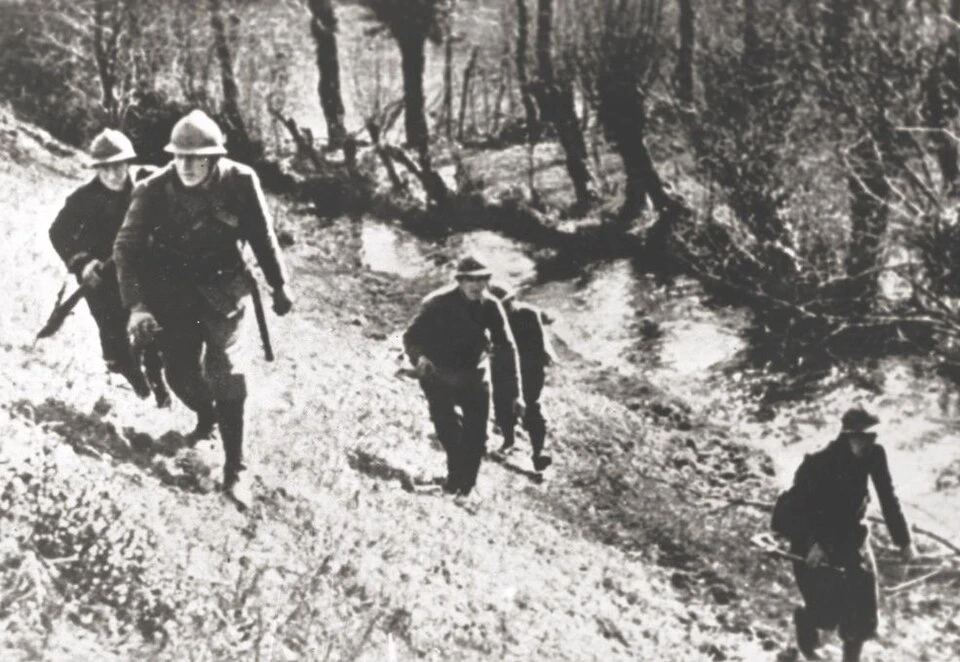
Kock — Kleeberg on the morning of 6 October
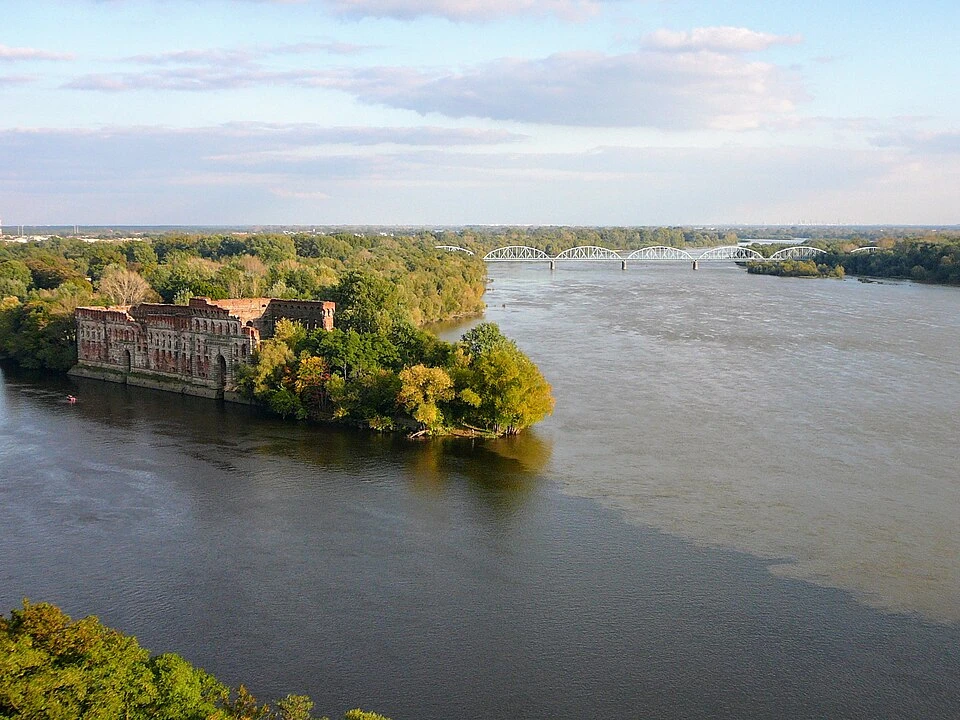
Modlin — Thommée at the last fortress
Suomussalmi — Siilasvuo against the 163rd
Svensson on the Kollaa front
Häyhä — the marksman of Kollaa
Raate — Vinogradov on the frozen road
Brześć — Plisowski faces Guderian
Bulson — Lafontaine and the 02:00 rumour
Calais — Nicholson facing the ultimatum
Eben-Emael — Jottrand under the explosions
Kock — Kleeberg on the morning of 6 October