
Returning from exile to raise the standard
Five years earlier, in May 1936, Mussolini's troops entered Addis Ababa and drove Emperor Haile Selassie I from the throne. Since then, the sovereign has lived in exile at Bath, in England, in the house of Fairfield, while Italy proclaims its 'Empire' of East Africa. His cause seemed lost; at the League of Nations, his appeal of 1936 had remained a dead letter.
Italy's entry into the war changes everything. In 1940, the British bring the emperor to Khartoum, in Sudan, so that he may become the standard of a reconquest. The theatre is immense: the Italian East Africa of the Duke of Aosta is powerful on paper but isolated, cut off from all supply since the closure of the Red Sea.
On the ground, a British officer as brilliant as he is eccentric, Colonel , organises the : a handful of Europeans leading Ethiopian 'patriots' and Sudanese soldiers, intended to harass the occupier. Wingate wants the emperor himself to cross the frontier to raise the country. But the opposite option exists: to let the regular armies of the Commonwealth carry out the reconquest and to return only once victory is won, without exposing the person of the monarch in an uncertain guerrilla campaign.
Should Haile Selassie himself cross the frontier to lead the internal resistance?
Haile Selassie chooses A: on 18 January 1941, accompanied by Wingate, he crosses the Sudanese-Ethiopian frontier near the village of Um Iddla; two days later, he has the standard of the Lion of Judah raised on national soil. Alongside the , which crosses hundreds of kilometres of desert with a few thousand men, he rallies the patriots and harasses the Italian garrisons while the regular offensives of Platt in the north and Cunningham in the south bring the colony crashing down. On 5 May 1941 — five years to the day after the fall of his capital — Haile Selassie returns in triumph to Addis Ababa, the first sovereign driven out by the Axis to recover his throne. He then calls on his people not to take revenge.
Learn more about this event
Related polls
10
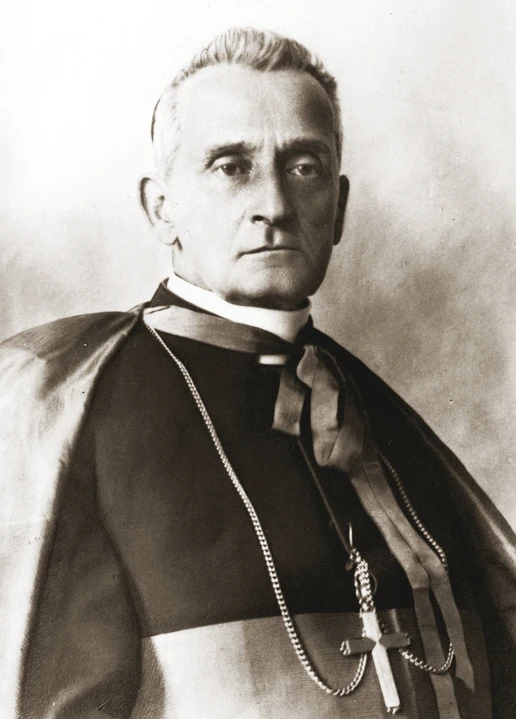
Cardinal Sapieha — Krakow under Occupation
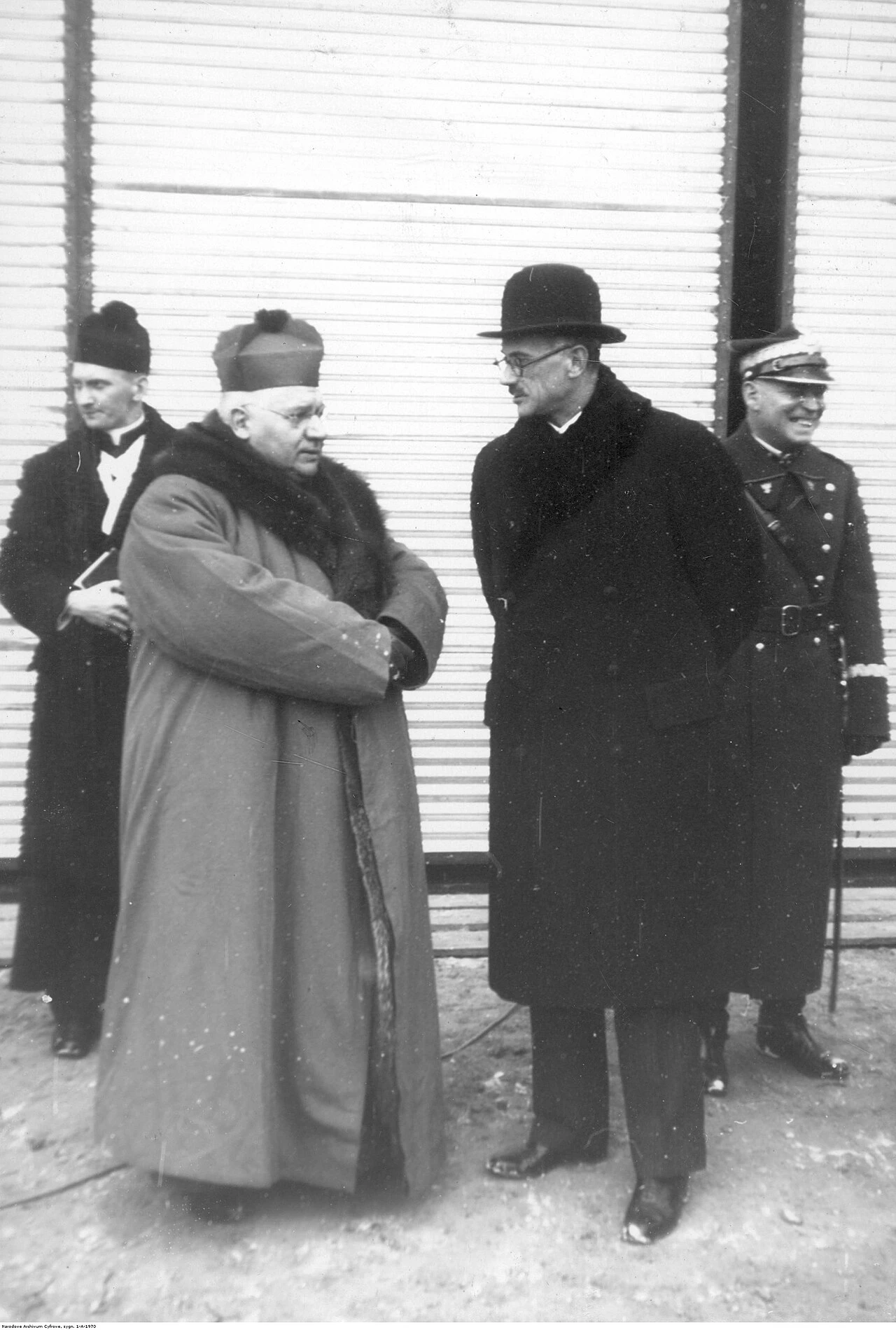
The Massilia — Bordeaux 21 June
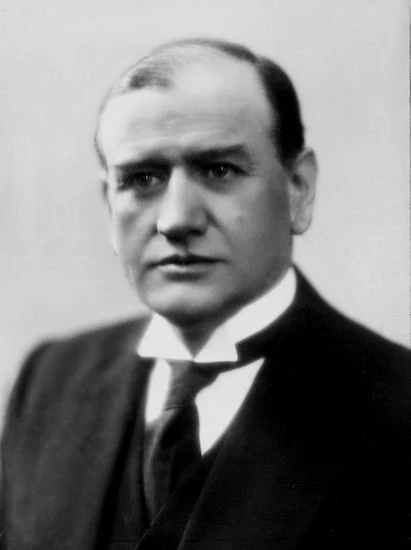
Bishop Adamski in annexed Katowice
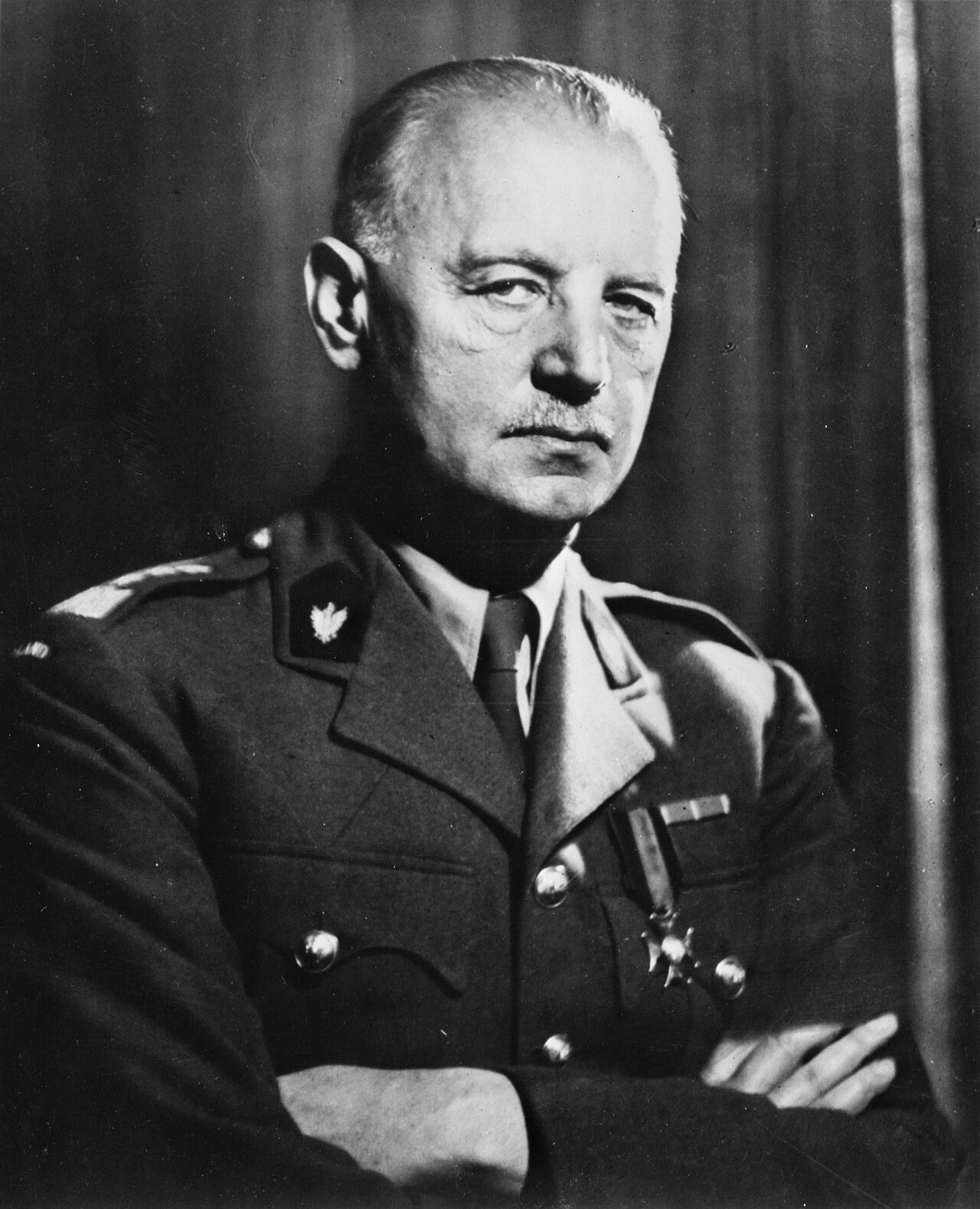
Sikorski leaves Bordeaux — 18 June
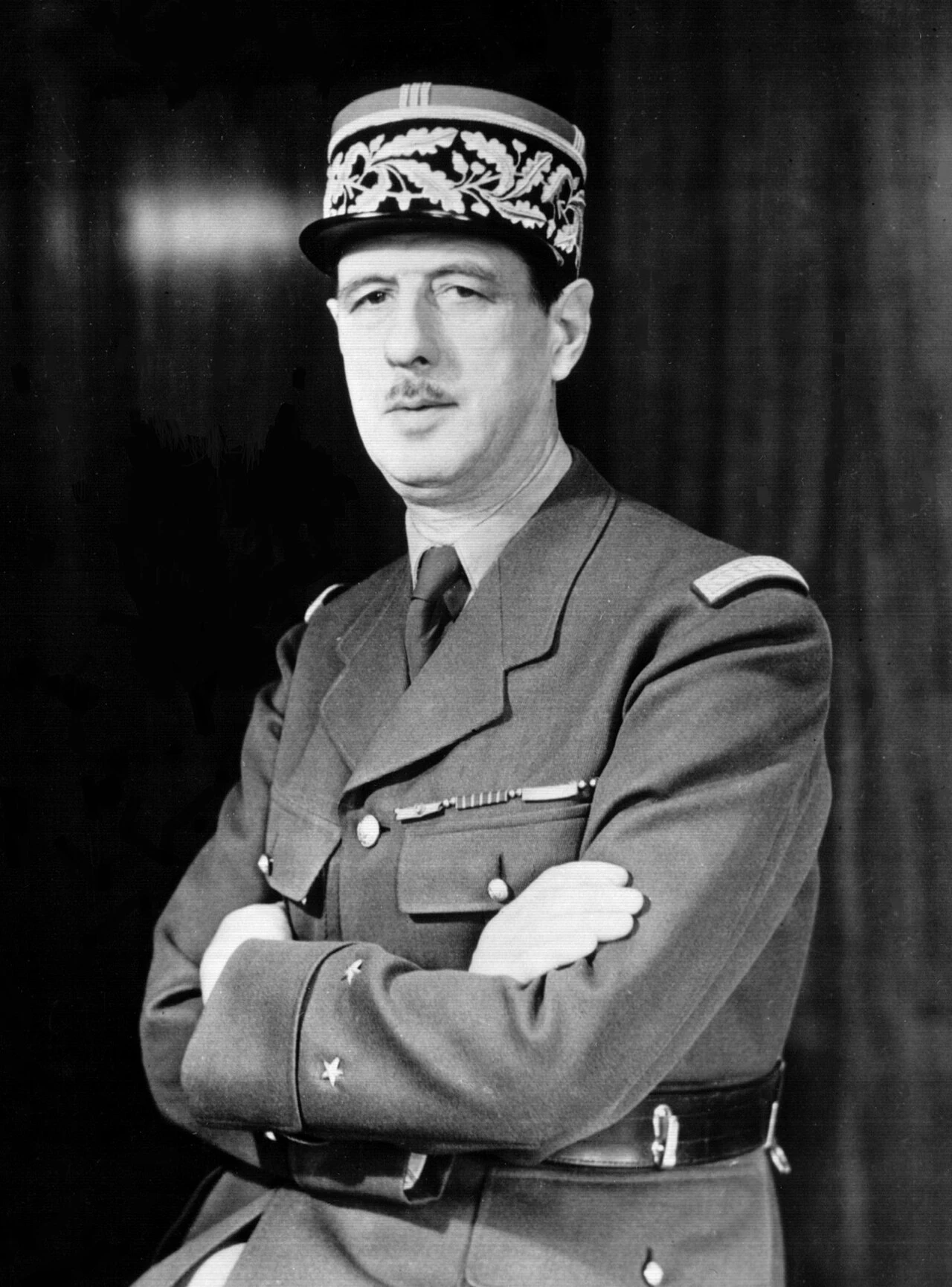
De Gaulle at the BBC microphone — 18 June, 18:00
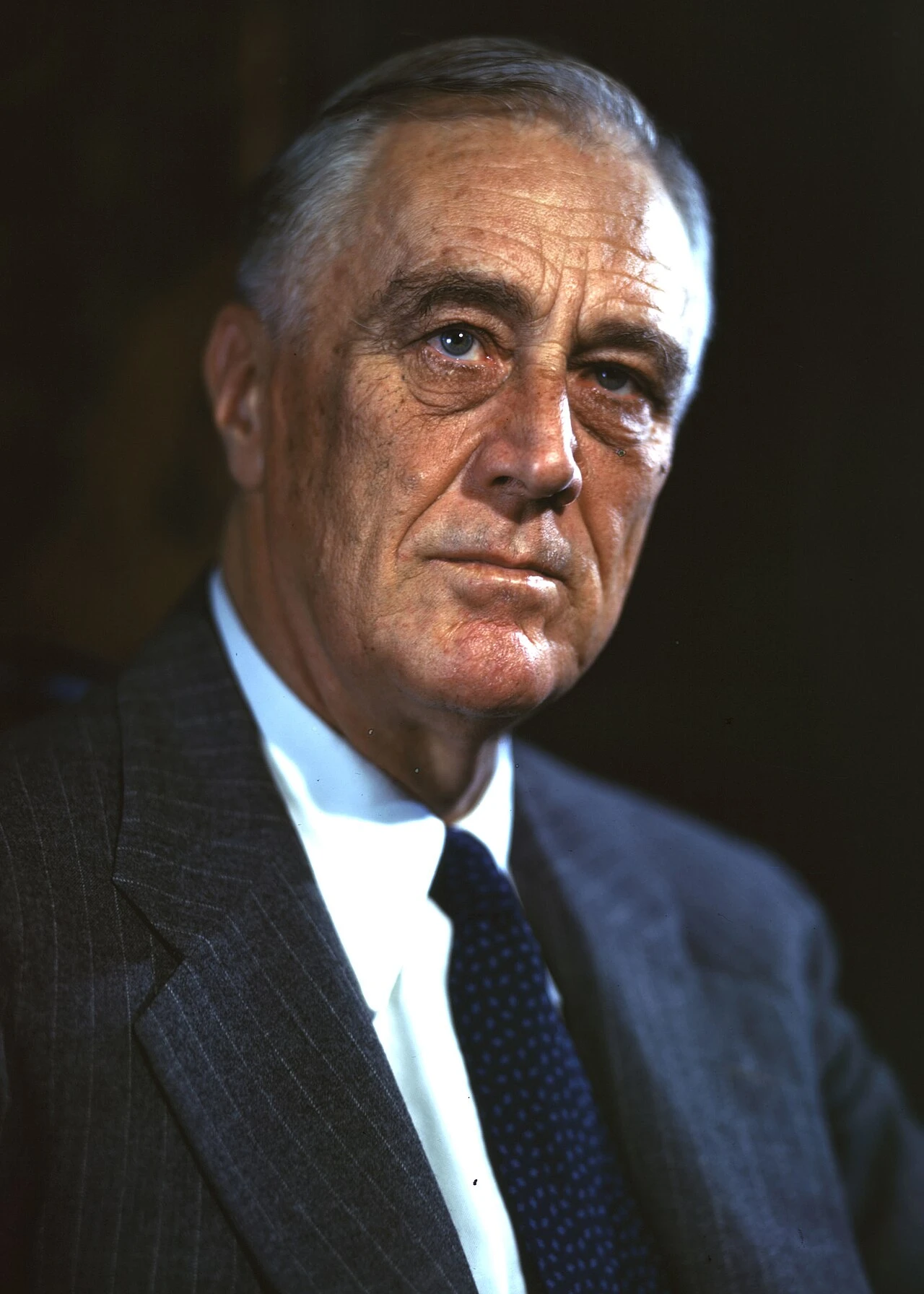
An emissary to judge whether the island will hold
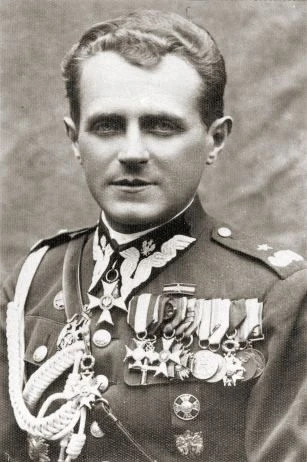
Karaszewicz-Tokarzewski — Founding the SZP
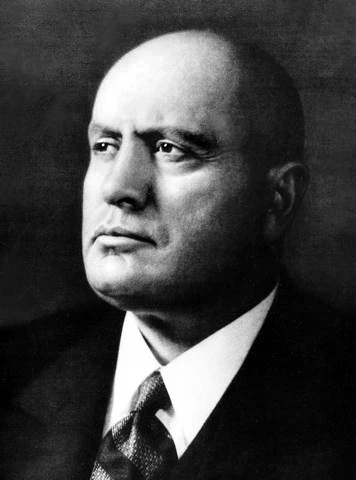
Mussolini in the winter of debacle
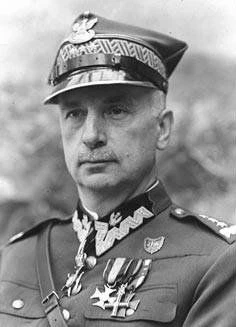
Sosnkowski — KSK, 27 November
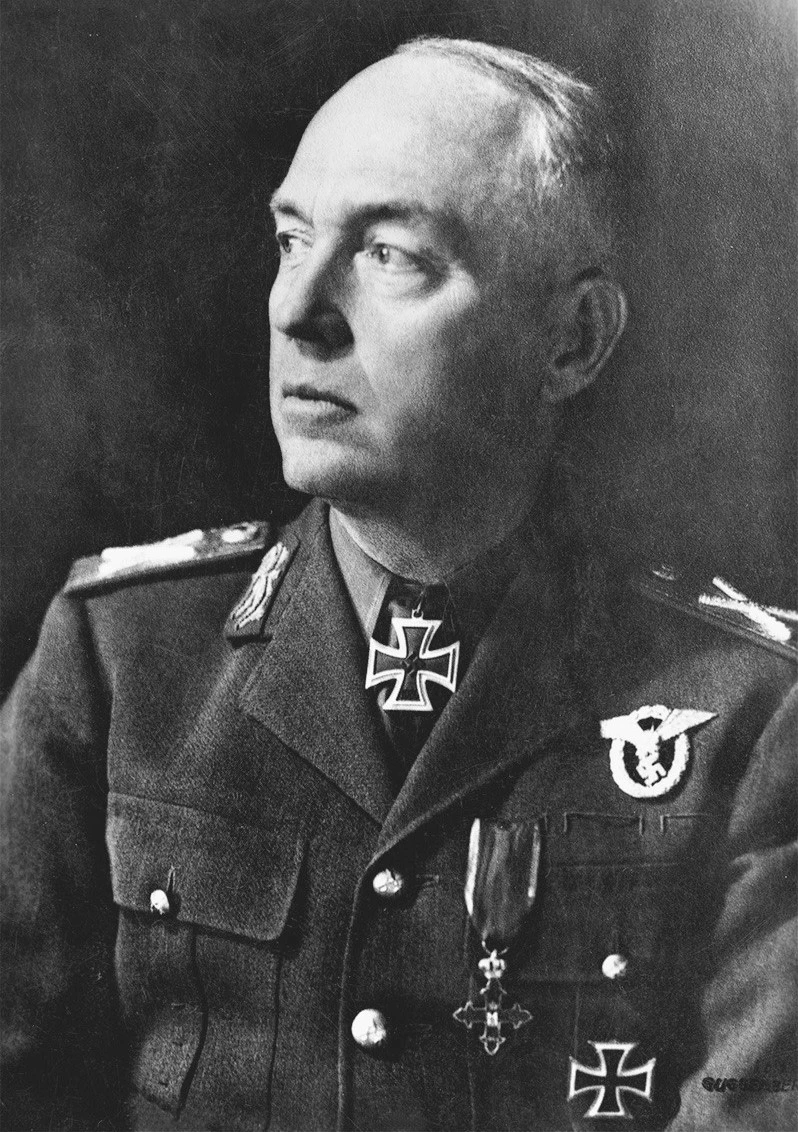
Bucharest — the Legionary rebellion
Cardinal Sapieha — Krakow under Occupation
The Massilia — Bordeaux 21 June
Bishop Adamski in annexed Katowice
Sikorski leaves Bordeaux — 18 June
De Gaulle at the BBC microphone — 18 June, 18:00
An emissary to judge whether the island will hold
Karaszewicz-Tokarzewski — Founding the SZP
Mussolini in the winter of debacle
Sosnkowski — KSK, 27 November