
A raider, a convoy and a cruiser escort
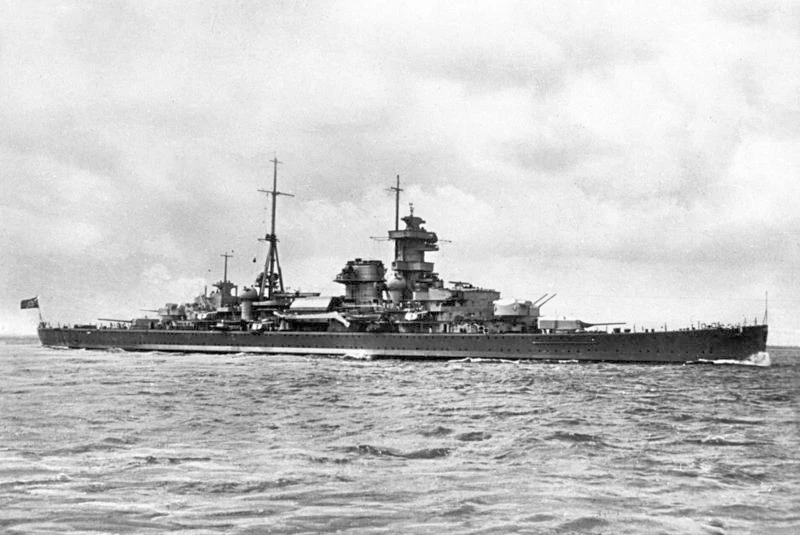
On the morning of Christmas 1940, Kapitän zur See commands the heavy cruiser Admiral Hipper, launched into the Atlantic for Operation Nordseetour, a hunt for Allied convoys off the Iberian coast.
The ship drags a handicap: a turbine breakdown that occurred earlier in December, provisionally repaired, which limits its endurance and sustained speed. Meisel knows that any prolonged engagement risks aggravating the mechanical troubles, and that his orders forbid him from confronting a superior force.
During the night of 24-25 December, the Hipper's radar detects a mass of ships about 700 miles west of Cape Finisterre. It is convoy WS-5A: some twenty transports carrying about 40,000 soldiers and matériel, bound for the Middle East. The target is tempting — a decisive blow against the British effort. But the escort proves formidable: the heavy cruiser Berwick and the light cruisers Bonaventure and Dunedin, not counting the possibility of an aircraft carrier nearby. At dawn, the Hipper opens fire. Meisel must decide whether to press the attack into the heart of the convoy, despite the escort and his fragile engine, or break off the action.
Should Meisel force the attack against convoy WS-5A despite the cruiser escort and his breakdown, or break contact?
Meisel chooses B: after a brief exchange of fire in which the Berwick takes a few hits without the Hipper breaking through the escort, and as Bonaventure and Dunedin close in, the German cruiser breaks contact, faithful to the order not to confront a superior force. Convoy WS-5A loses one or two ships damaged or sunk according to the sources, but the bulk of the transports and their 40,000 men continue on their way. The Hipper, hampered by its turbines and short of fuel, sets course for Brest, where it arrives on 27 December. The episode illustrates the cautious doctrine of the Kriegsmarine for its large surface raiders, judged too precious to be risked — a restraint that limited their real impact on the convoy war.
Learn more about this event
Related polls
10
An unescorted convoy in the grey morning
The Regia Marina against Force H — Cape Spartivento
The Giant Adrift off Donegal
Campioni faces Cunningham off Calabria
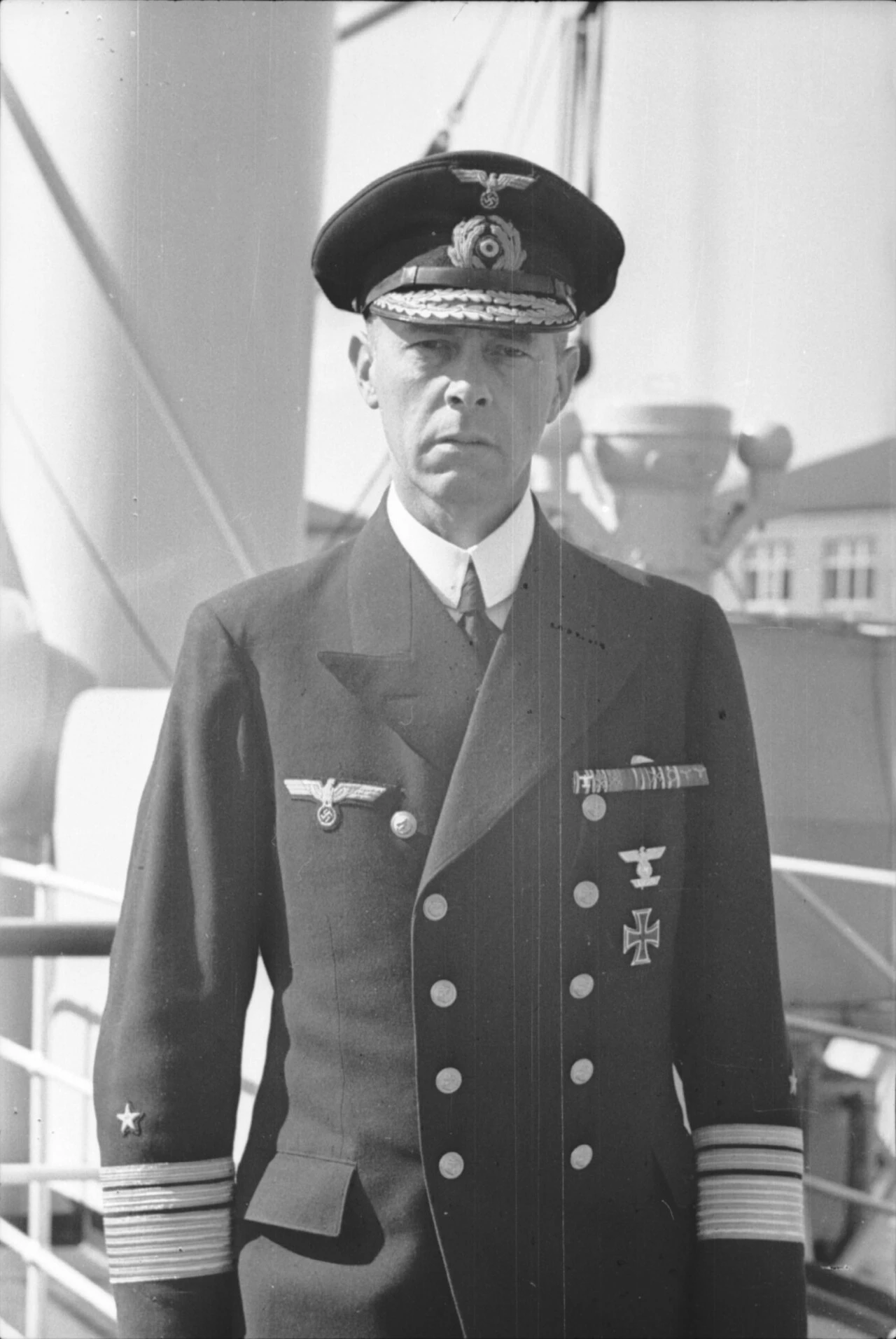
An escort battleship on the convoy's route
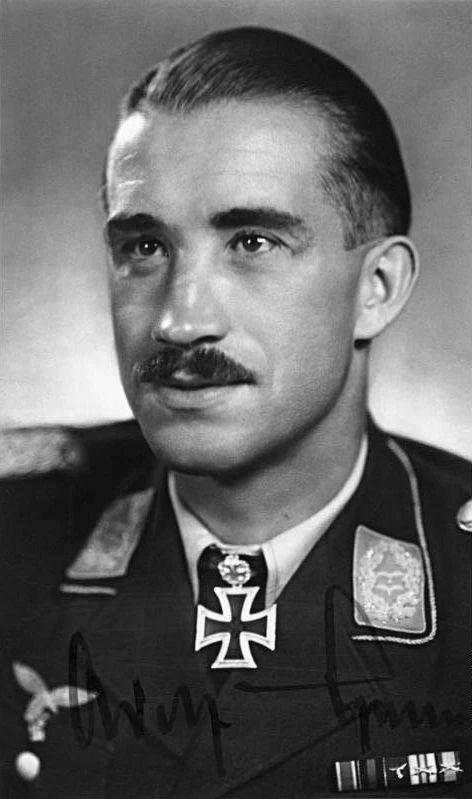
Galland over the Estuary
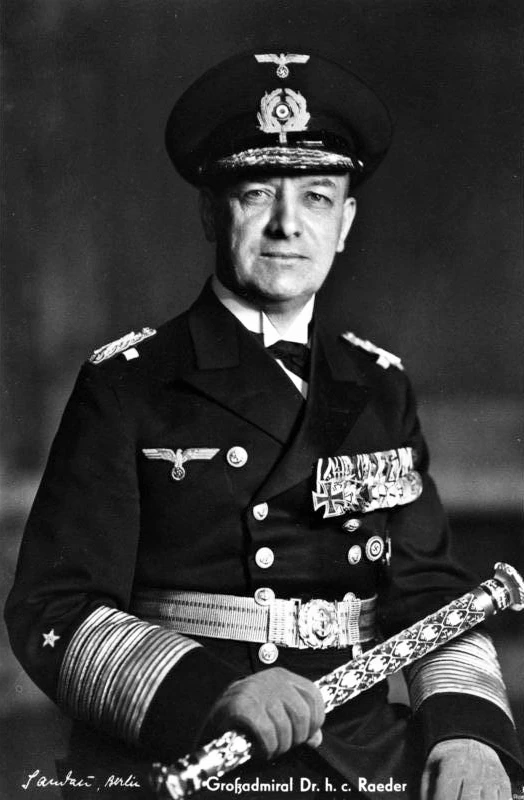
Raeder and the Seelöwe gamble
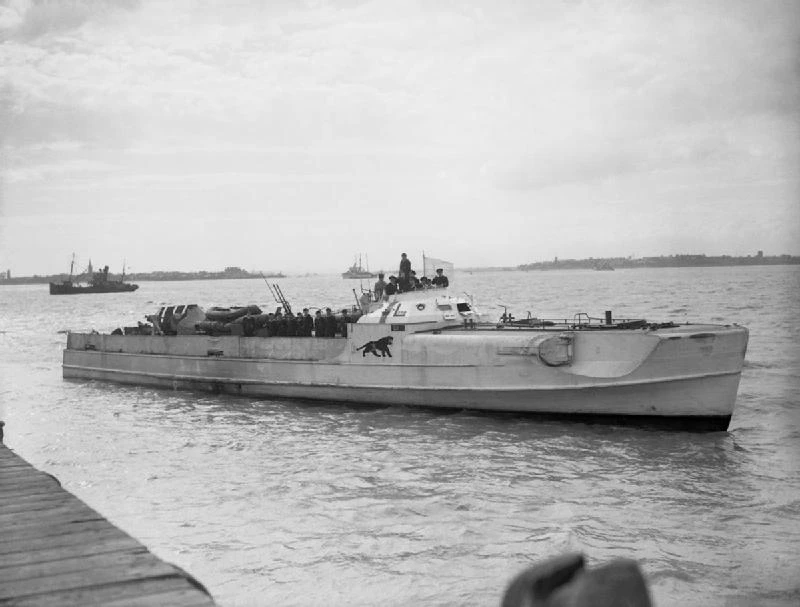
The torpedo boat and the lit Meknes
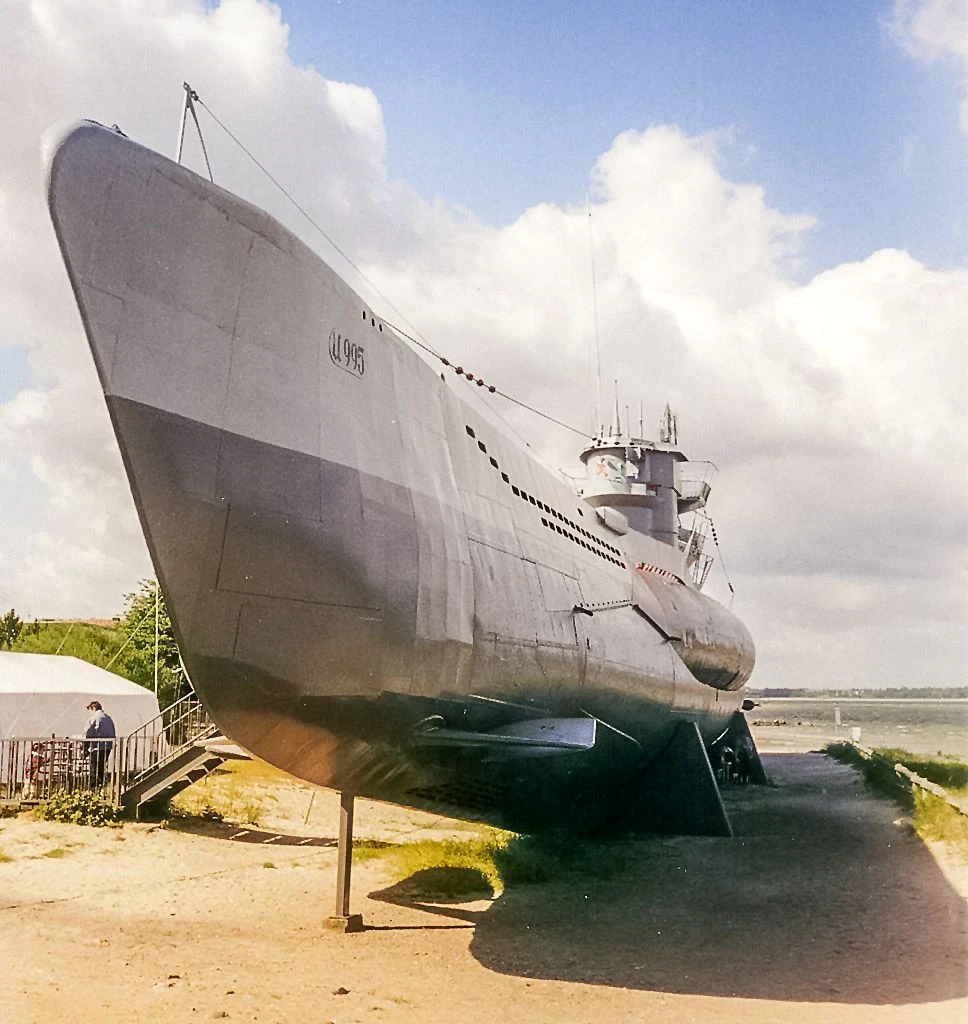
Dönitz at Sengwarden — the winter pause
Fegen and the Jervis Bay — convoy HX-84
An unescorted convoy in the grey morning
The Regia Marina against Force H — Cape Spartivento
The Giant Adrift off Donegal
Campioni faces Cunningham off Calabria
An escort battleship on the convoy's route
Galland over the Estuary
Raeder and the Seelöwe gamble
The torpedo boat and the lit Meknes
Dönitz at Sengwarden — the winter pause