
Mieczysław Niedziałkowski — after the arrest
, 46, is one of the historic leaders of the Polish Socialist Party (PPS) — deputy since 1922, journalist, editor-in-chief of Robotnik ("The Worker"), the PPS organ. Anti-communist, a left-wing democrat, anticlerical. He fought in Piłsudski's Legions but broke with the Sanacja in 1926 — one of the most virulent voices against the colonels' regime in the 1930s.
On 8 September 1939, as the siege of Warsaw begins, Niedziałkowski refuses to leave the capital. On 17 September, on news of the Soviet invasion, he publishes in Robotnik (clandestine edition) an article in which he simultaneously condemns the Nazi occupation and the Soviet occupation — a position that marks him as a priority target of both powers.
After the capitulation of 28 September, Niedziałkowski takes part in the formation of the clandestine PPS Centrale — which will take the name WRN (Wolność-Równość-Niepodległość, "Freedom-Equality-Independence") in November 1939. The WRN becomes the socialist pillar of the Polish Underground State. Niedziałkowski is its intellectual soul: he drafts the political programmes, articulates the doctrine of democratic union for a liberated Poland.
On 22 December 1939, the Gestapo arrests Niedziałkowski at his flat on Poznańska Street. Denounced by a PPS member who has turned. Held at Pawiak (the prison on Dzielna Street), interrogated at Aleja Szucha (Gestapo headquarters). Frank, personally informed, orders that he be "treated with maximum severity." He is held without trial. The WRN must now decide its strategy.
What should the WRN do after Niedziałkowski's arrest?
The WRN applies B. Collegial leadership assumed by , , and . Niedziałkowski remains at Pawiak. On 6 June 1940, he is taken with 357 other prisoners to the Palmiry forest (30 km north-west of Warsaw) as part of the AB Aktion, where he is executed by firing squad along with, among others: (Olympic 10,000m champion at Los Angeles 1932), (former president of the Sejm), (president of the Court of Cassation). The bodies are buried in mass graves. Identification after the war in 1946 thanks to financial documents (Niedziałkowski carried PPS bills of exchange) and testimony. The WRN survives the war. Pużak sits in the Mikołajczyk government in 1945, becomes one of the sixteen Polish leaders of the "Trial of the Sixteen" in June 1945 in Moscow — sentenced to 18 months, released, rearrested in 1947, dies in Rawicz prison in 1950. Niedziałkowski's political family (anti-communist democratic socialists) will be systematically eliminated by the post-war Polish communists. His name is given to a main street in Warsaw after 1989.
Learn more about this event
Related polls
10
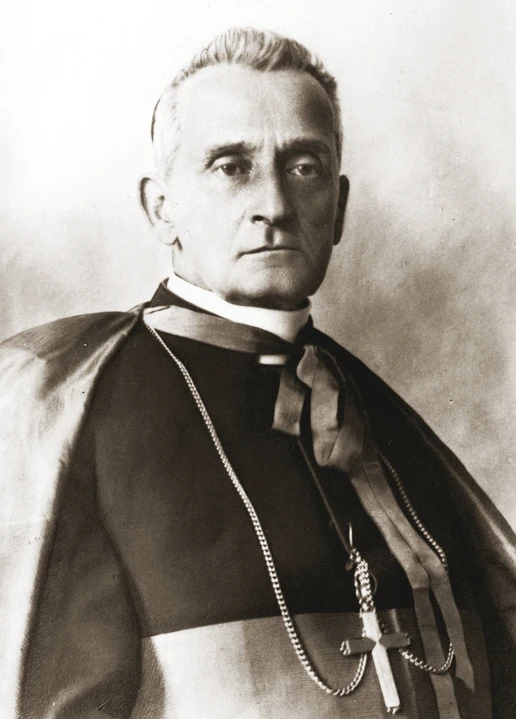
Cardinal Sapieha — Krakow under Occupation
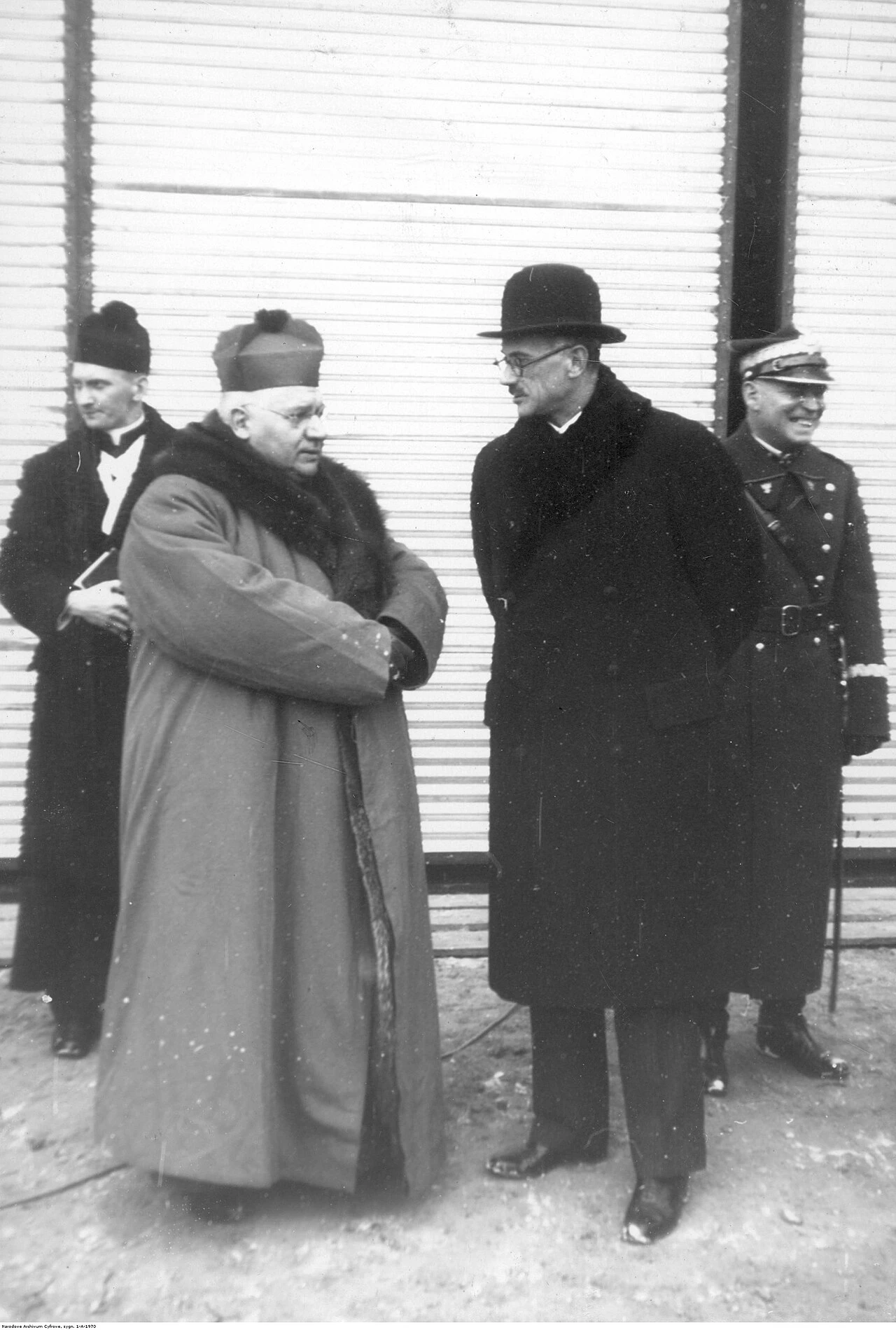
Bishop Adamski in annexed Katowice
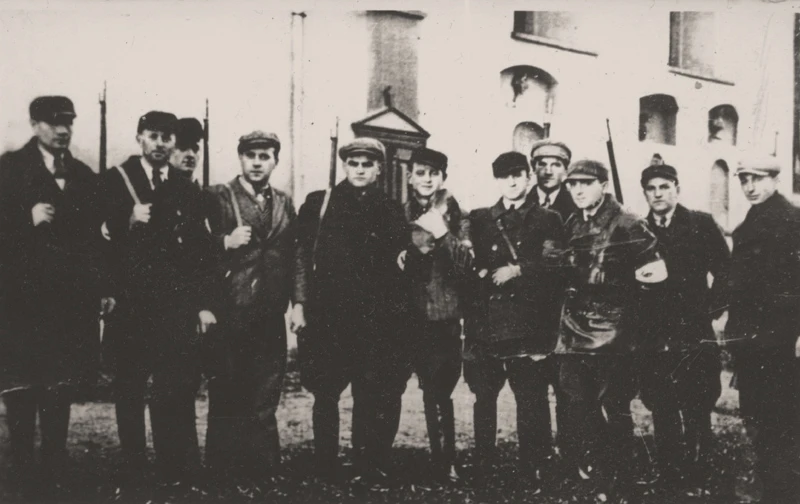
The Volksdeutsche Conscripted into the Selbstschutz
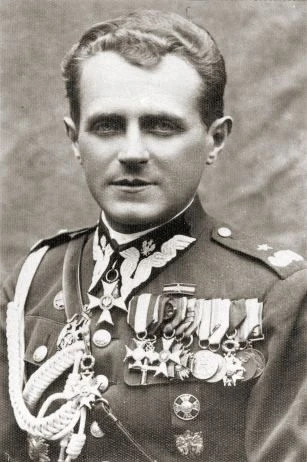
Karaszewicz-Tokarzewski — Founding the SZP
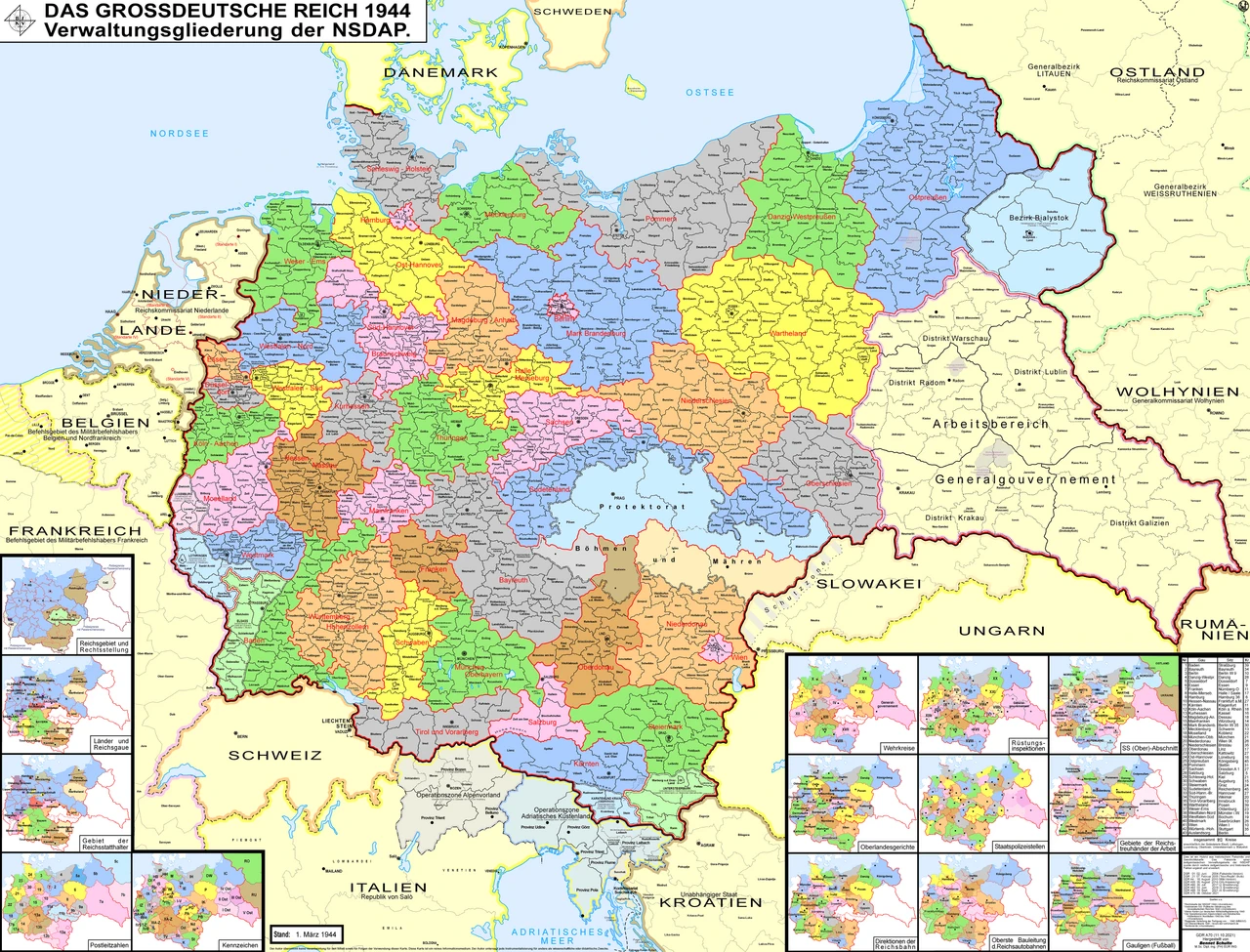
A Schoolteacher of Poznań under the Wartheland
Sikorski leaves Bordeaux — 18 June
Cardinal Hlond — the Vatican's instruction
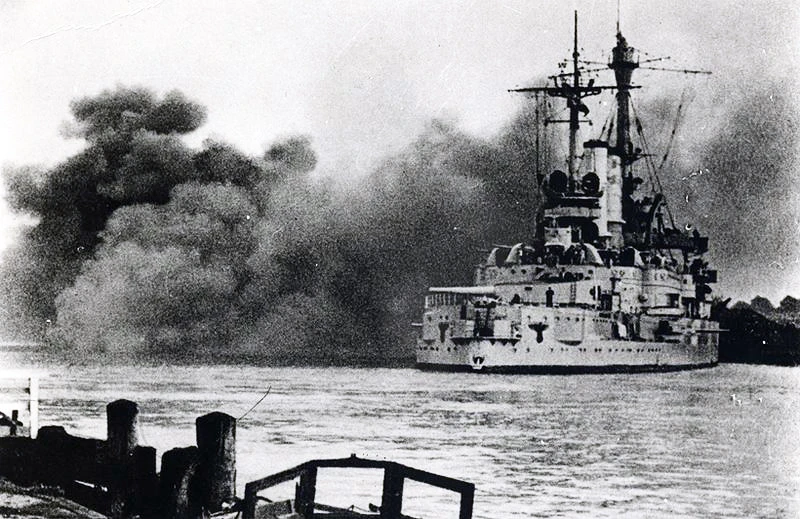
Danzig, September 1939 — the policeman of the Free City
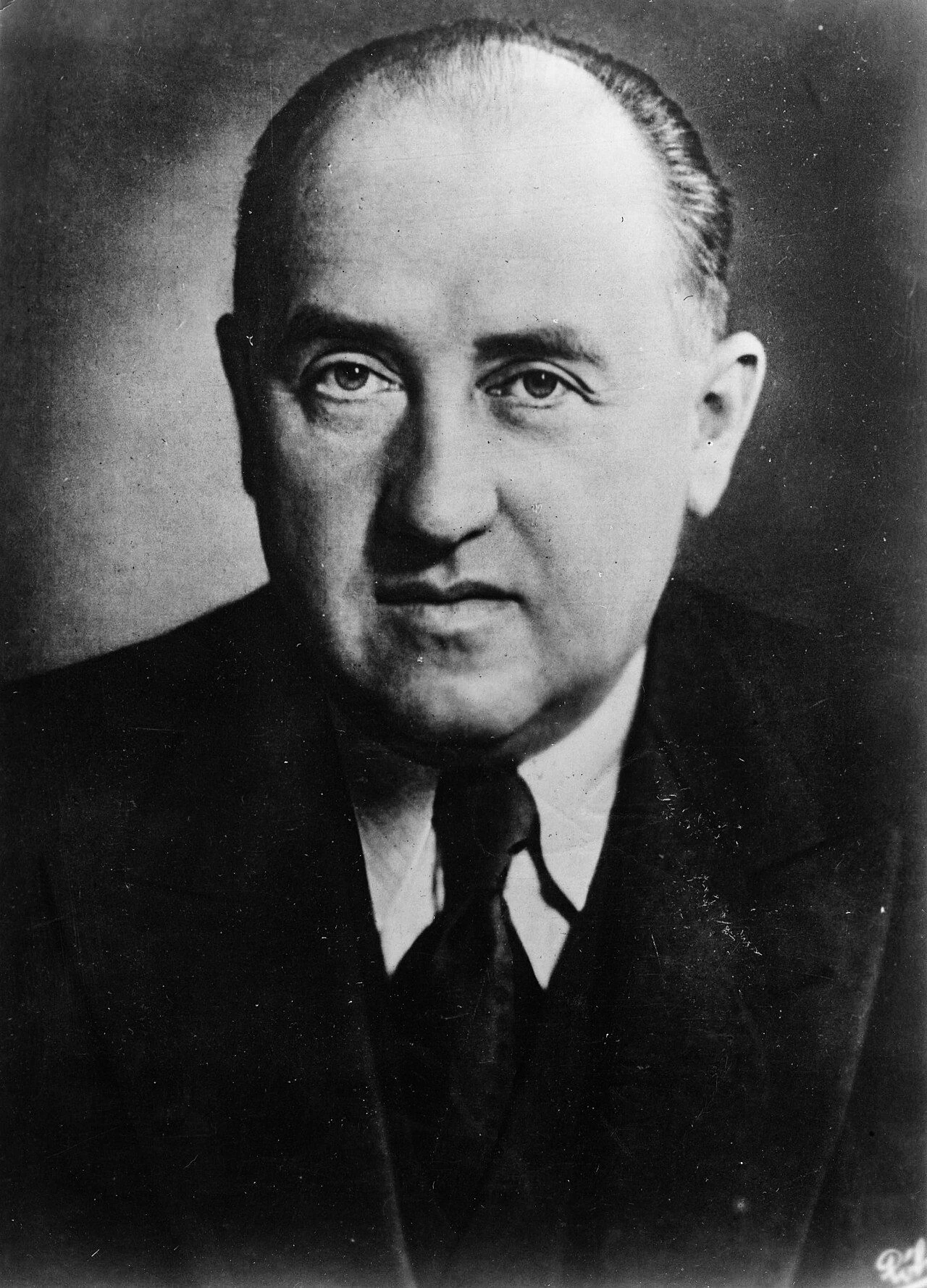
The Gold of the Bank of Poland — the destination of the SS Eocene
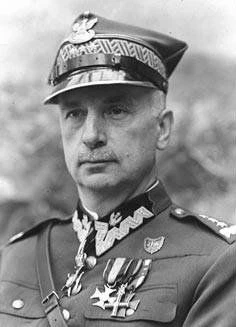
Sosnkowski — KSK, 27 November
Cardinal Sapieha — Krakow under Occupation
Bishop Adamski in annexed Katowice
The Volksdeutsche Conscripted into the Selbstschutz
Karaszewicz-Tokarzewski — Founding the SZP
A Schoolteacher of Poznań under the Wartheland
Sikorski leaves Bordeaux — 18 June
Cardinal Hlond — the Vatican's instruction
Danzig, September 1939 — the policeman of the Free City
The Gold of the Bank of Poland — the destination of the SS Eocene