
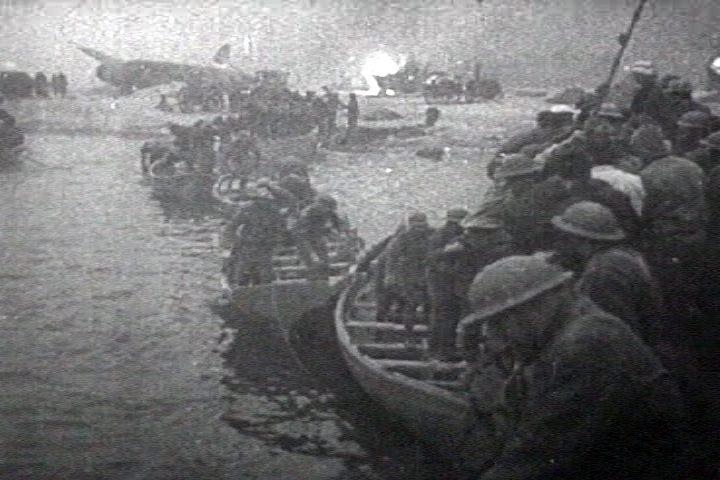
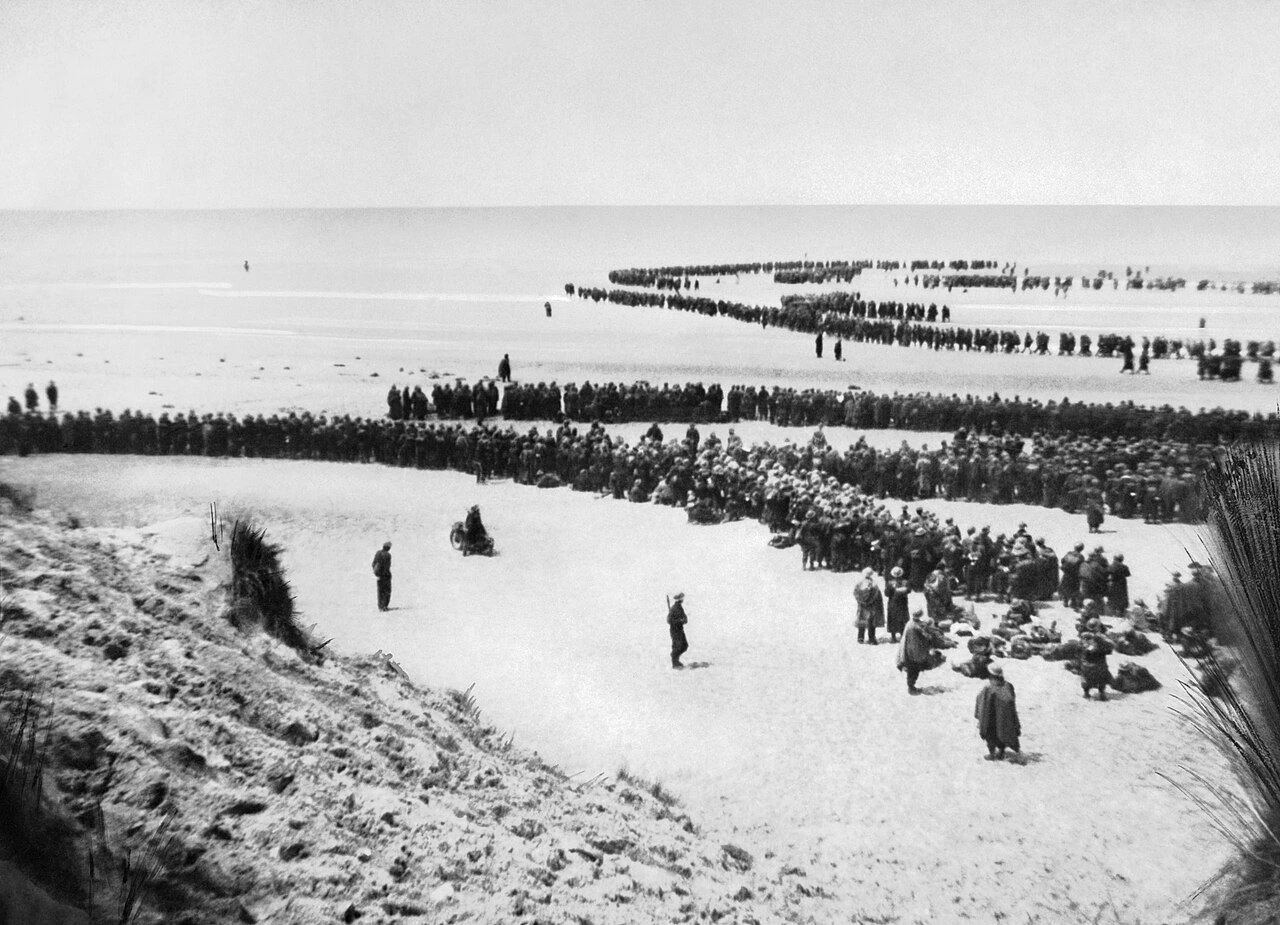
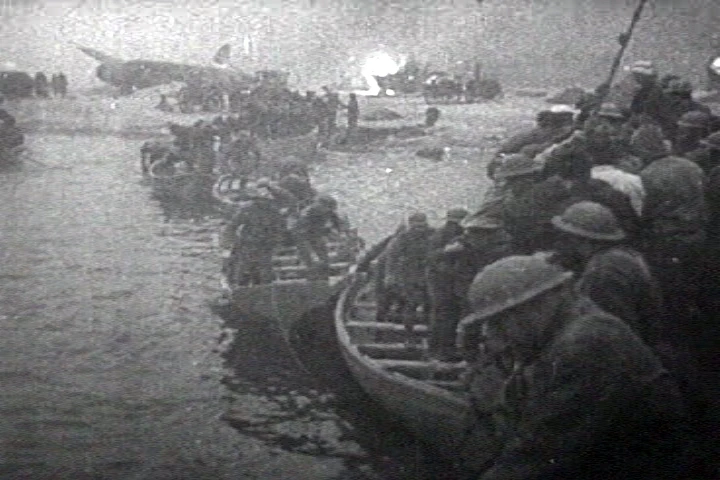
In late May 1940, the Dunkirk evacuation runs into an obstacle: the large ships cannot approach the shallow-water beaches, where hundreds of thousands of soldiers wait under the bombs. The British Admiralty issues an appeal to gather all the small boats capable of shuttling between the beach and the ships offshore: trawlers, launches, yachts, pleasure craft.
For you, the owner of a small boat on the English coast, the appeal is a dilemma. To cross the Channel to Dunkirk is to expose yourself to bombardment, mines and enemy fire, in a fragile, unprotected craft. To refuse is to stay safe, but to leave soldiers without rescue.
You may set off yourself with your boat to take part in the rescue. You may lend your craft to the Royal Navy without exposing yourself personally. Or you may decline, judging the venture too perilous for a civilian. Thousands of owners face this choice within a few hours, in the urgency of a national catastrophe.
Should our boat owner set off for Dunkirk himself, lend his boat, or decline?
Many choose A or B: hundreds of "little ships" — about 700 to 850 civilian craft — take part, with or without their owners, in Operation Dynamo between 27 May and 4 June. Shuttling between the beaches and the ships, or bringing soldiers directly back to England, they help to evacuate part of the some 338,000 men saved. Several are sunk. The epic of the little ships at once becomes a powerful British national myth — the "Dunkirk spirit" — a symbol of popular mobilisation turning a military defeat into a moral rallying. The reality was more prosaic (the Royal Navy evacuated the majority), but the civilian impetus was very real.
Learn more about this event
Related polls
10
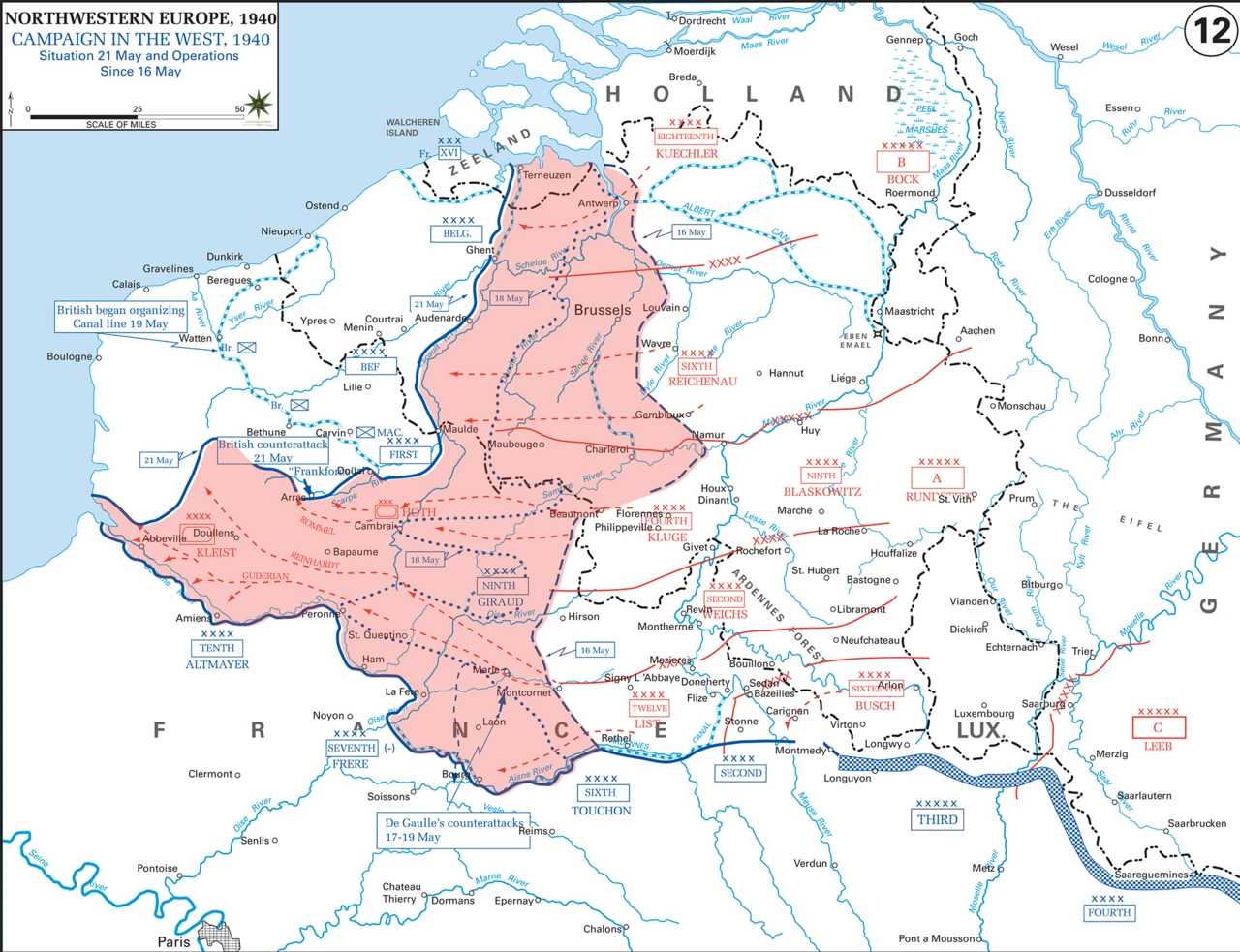
Boulogne — Fox-Pitt and the Guards facing the port
Dunkirk — Tennant and the devastated port
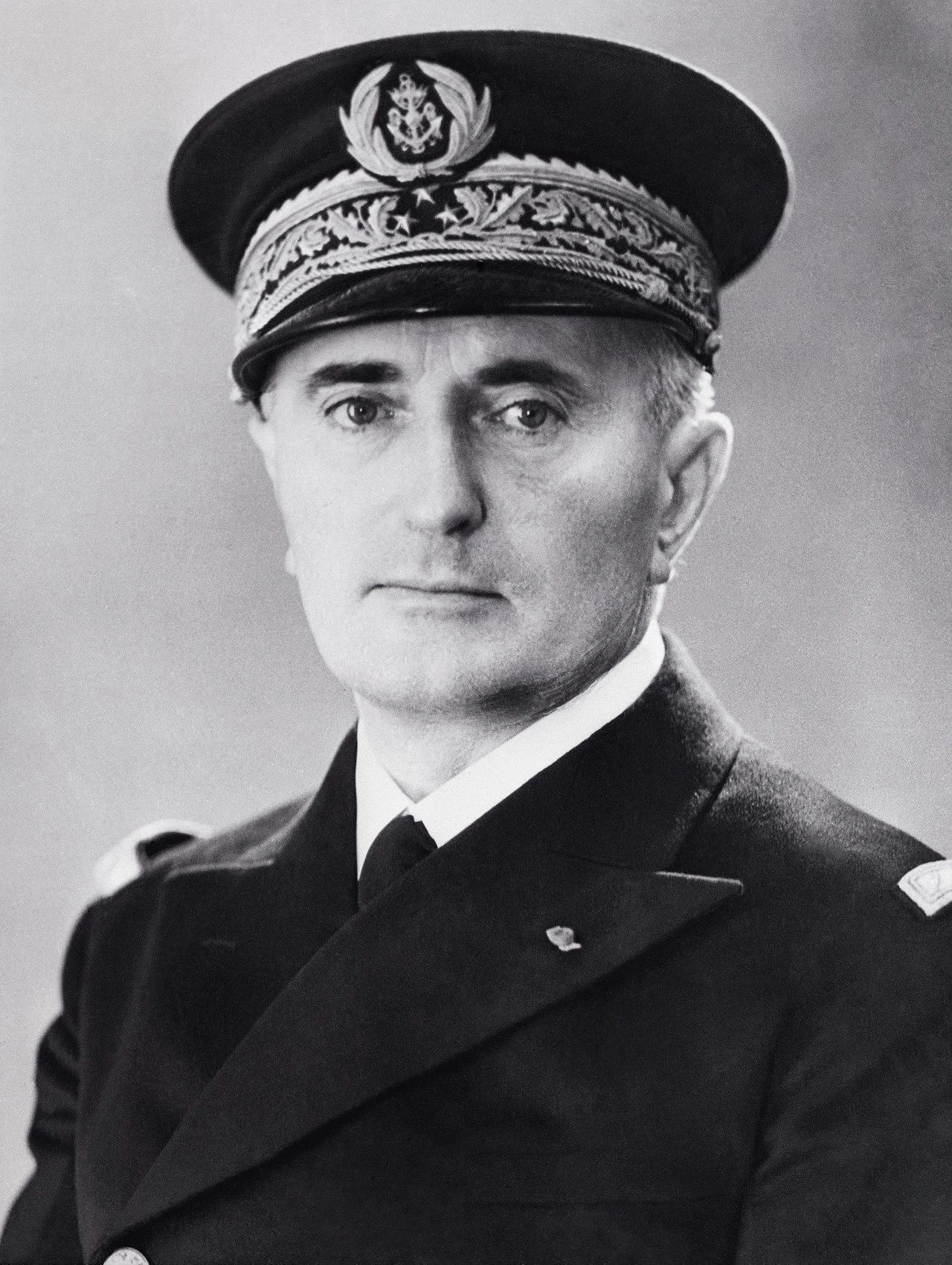
The French navy disperses
The Little Ships — call of 27 May
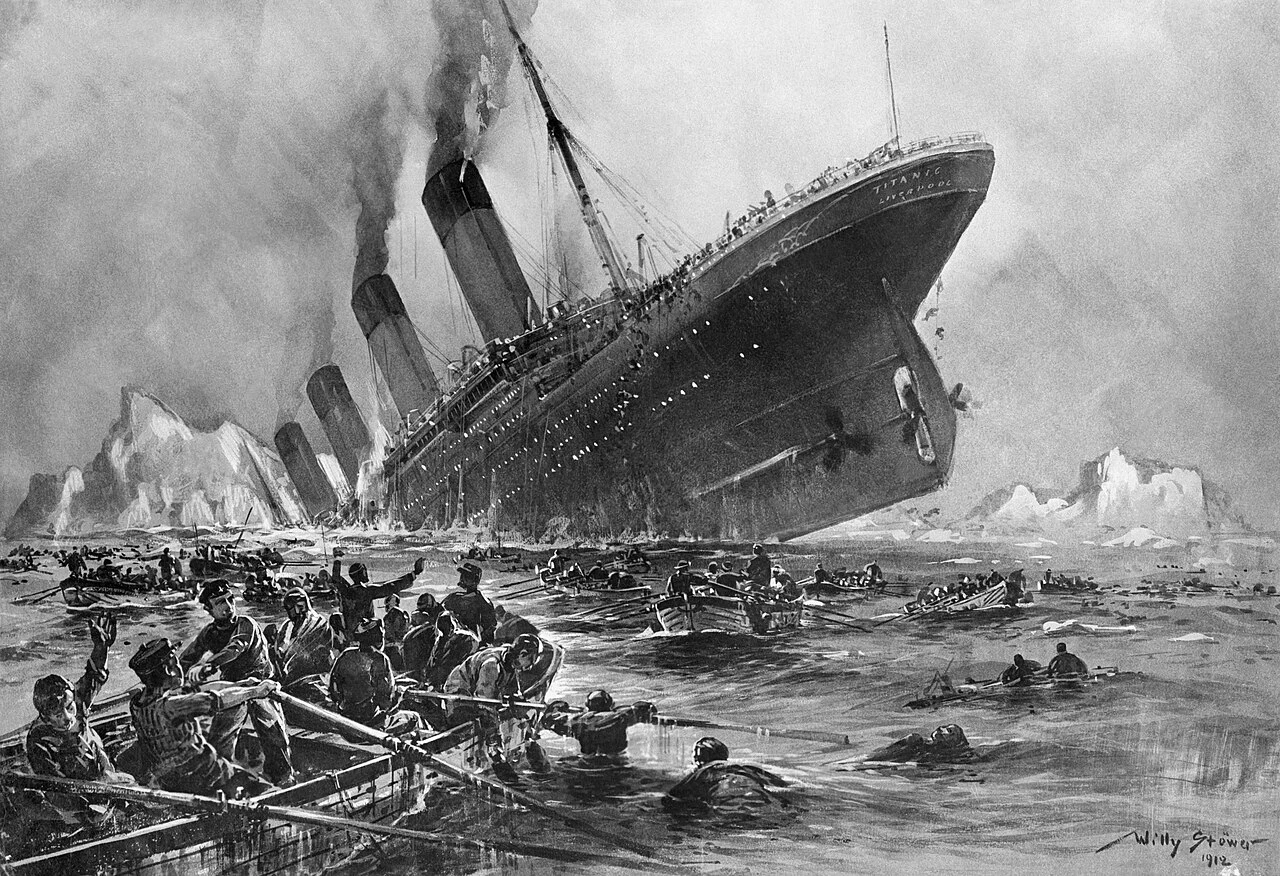
The Sinking of the Lancastria
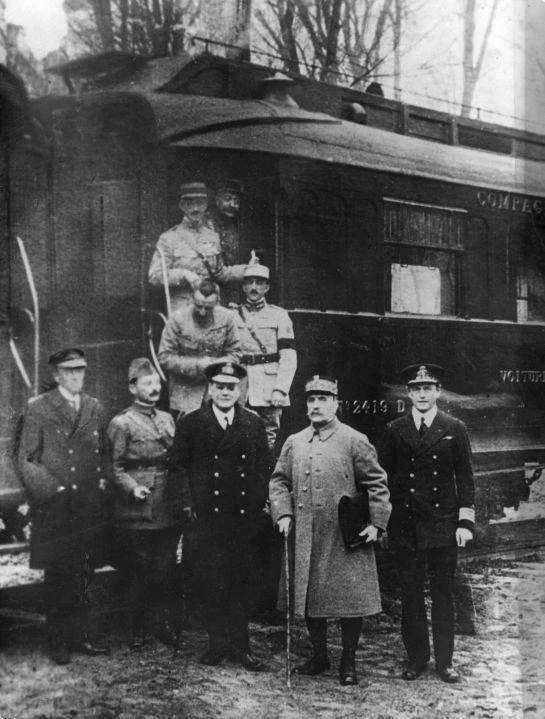
Rethondes — Article 8 on the Fleet
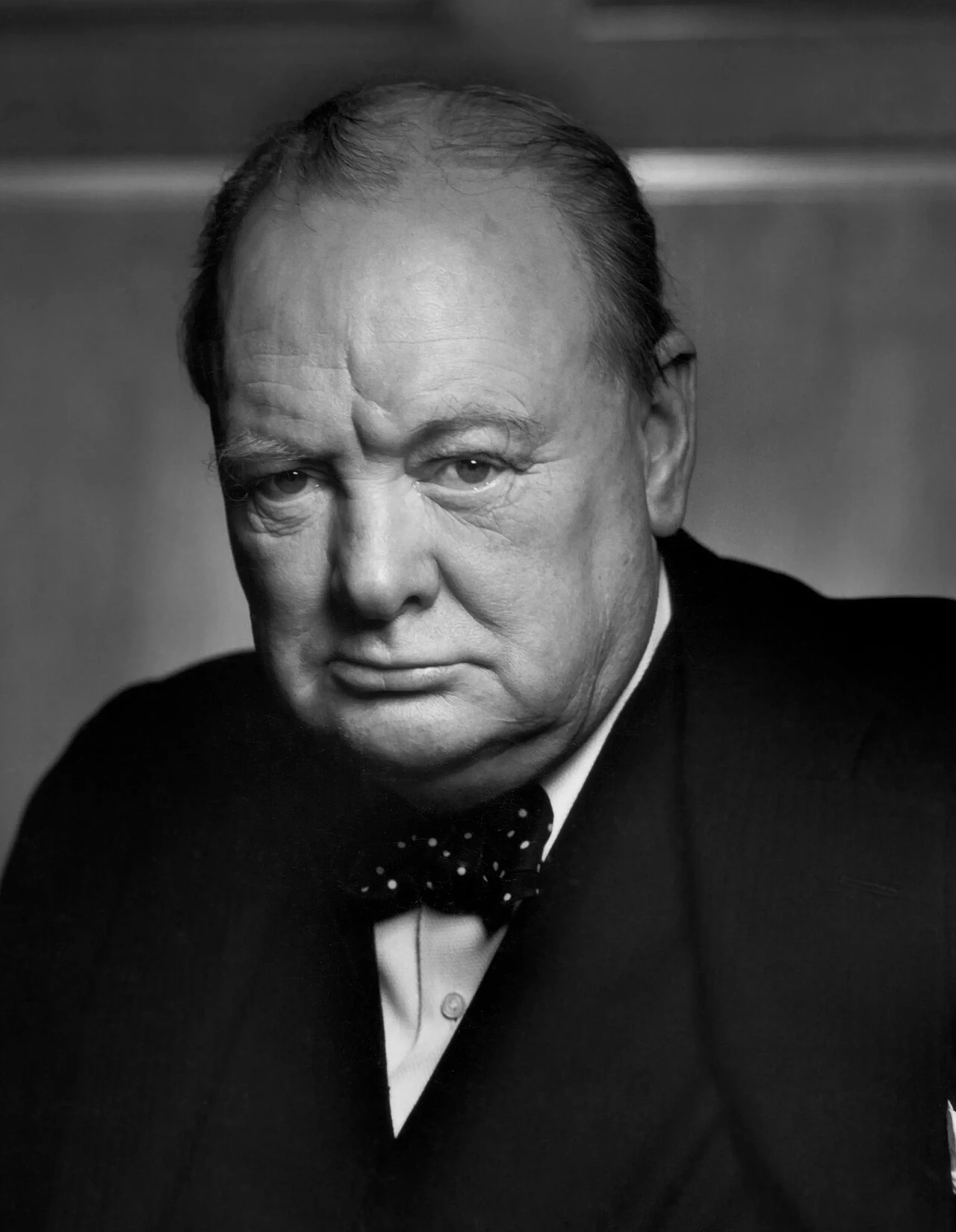
The Cabinet and Operation Catapult — 1 July
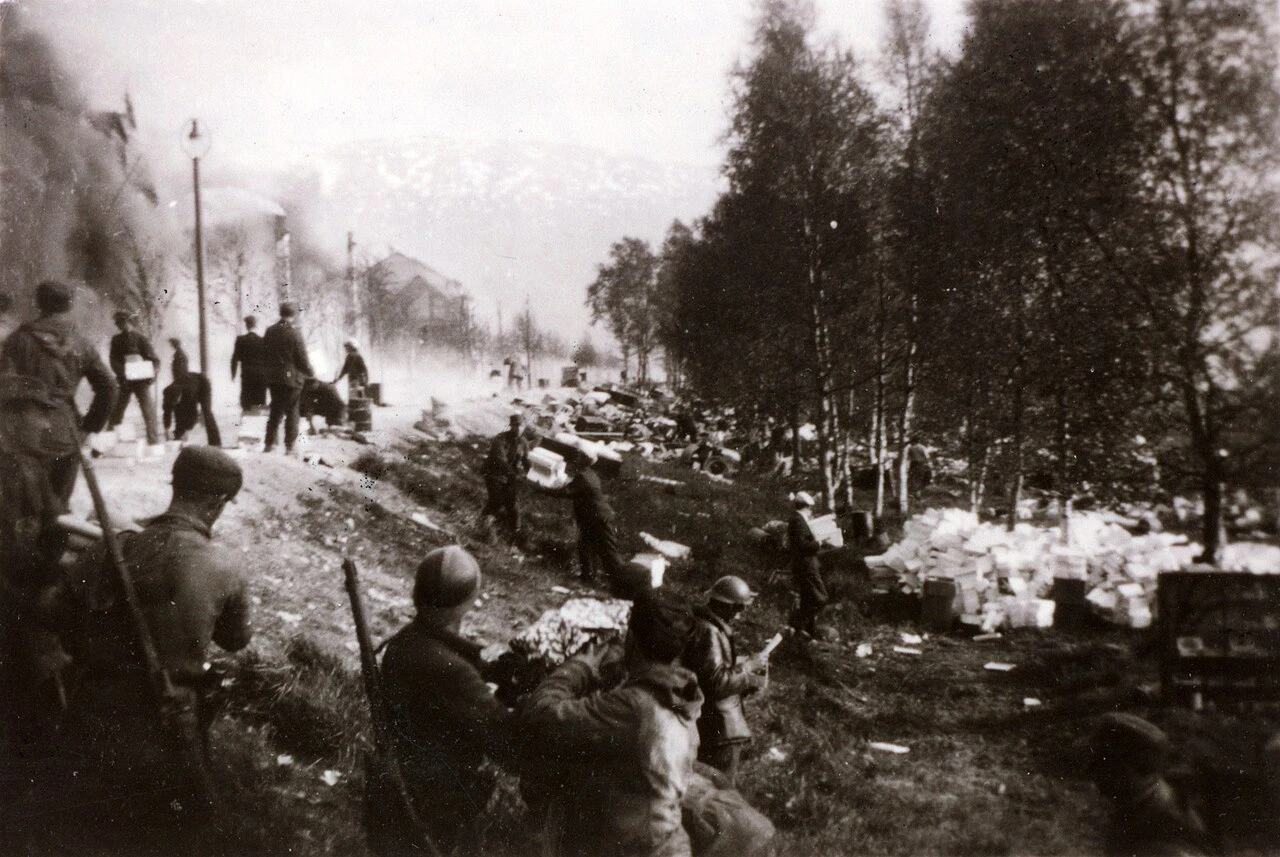
Narvik — the Allied withdrawal
Ramsay at Dover Castle — Dynamo
Ramsay — Dover, 14:23
Boulogne — Fox-Pitt and the Guards facing the port
Dunkirk — Tennant and the devastated port
The French navy disperses
The Little Ships — call of 27 May
The Sinking of the Lancastria
Rethondes — Article 8 on the Fleet
The Cabinet and Operation Catapult — 1 July
Narvik — the Allied withdrawal
Ramsay at Dover Castle — Dynamo