
Operation Pied Piper — Womersley and the evacuation
Operation Pied Piper is the largest internal movement of population in British history: the preventive evacuation of 1.5 million people from the major cities to the countryside in less than four days, to escape the German aerial bombings being predicted. The plan was prepared from October 1938 under the direction of Sir (Lord Privy Seal) after the lessons of the bombing of Guernica (1937) and 's expertise on the psychological effect of urban bombings.
Target public: schoolchildren, mothers with young children, pregnant women, the disabled. 827,000 schoolchildren, 524,000 mothers and young children, 103,000 teachers, 3,000 pregnant women, and 7,000 disabled people are to be transferred in four days according to the "Black Lists" drawn up in cooperation with school principals.
On 1 September 1939 at 4:00 a.m. (the very day of the invasion of Poland, before the British declaration of war of 3 September), the Minister of Health triggers Operation Pied Piper. Local authorities simultaneously activate the movement in 50 British cities. Each child receives a name tag hung around the neck (name, school of origin, destination, family contact), a gas mask box, and a bag of provisions for 24 hours.
How will the children be handled on arrival in the countryside?
The official plan called for A, but in practice it is B that largely prevails. Rural local authorities have no time to coordinate. At the stations, children disembark by the hundreds; the volunteers walk them to the nearest village, where host families are pressed into service ("You take 3 children, you 2, and you 4"). Official tally on 7 September 1939: 1,473,000 people effectively evacuated (94 percent of the target). During the first weeks, the announced German bombings do not happen (the "Phoney War" produces no major strategic air attack until May 1940 against France, and the Blitz on London does not begin until 7 September 1940). As a result, from November 1939, about 30 percent of evacuees return to London on their own. By 1 January 1940, only 50 percent remain in the countryside. The second great wave of Pied Piper is triggered in September 1940 at the start of the Blitz — this time enduring. Sociological consequences: the operation exposes the urban working class (often in poverty) to the moderate rural class — a social shock documented by the Mass Observation surveys. The Children's Overseas Reception Board (CORB) programme also sends 2,600 children to Canada, Australia, and South Africa (but after the sinking of the liner City of Benares in September 1940, with 77 children drowned, the programme is suspended).
Learn more about this event
Related polls
10
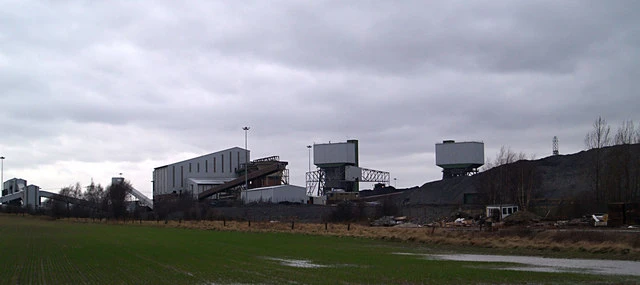
British Coal for the Winter of 1939
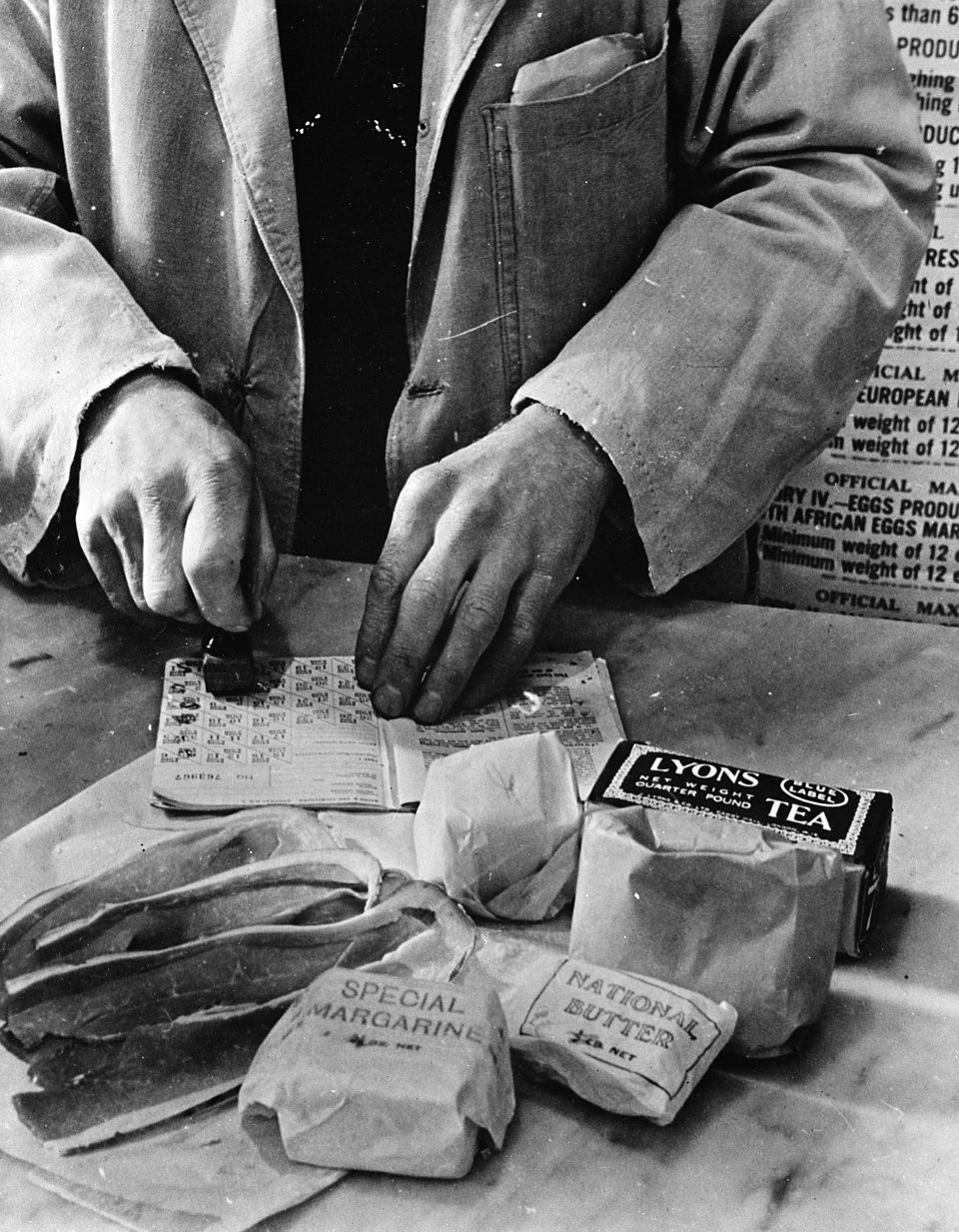
British rationing — Morrison and the principle
Winter rationing
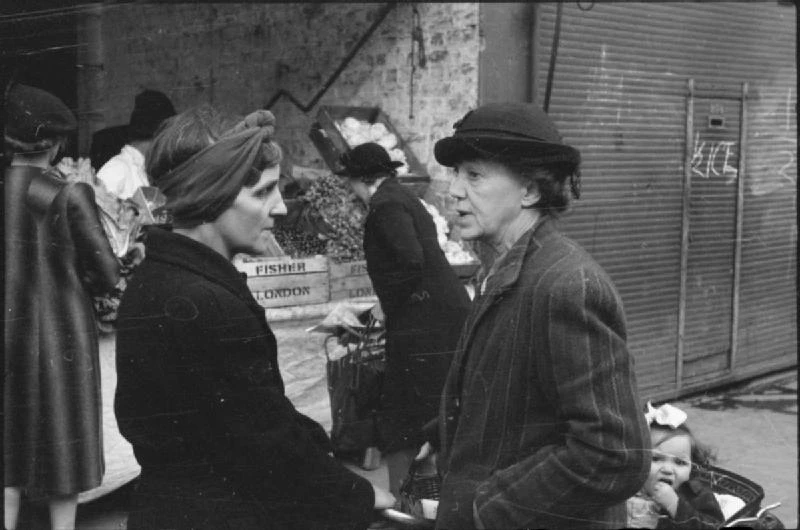
The Minister, the Fleet and the Empty Plates
British rationing put to the test in 1941
British Clothes Rationing
Cambridge, 1939: The Evacuated LSE Student and Conscription
The Evacuation of the Children
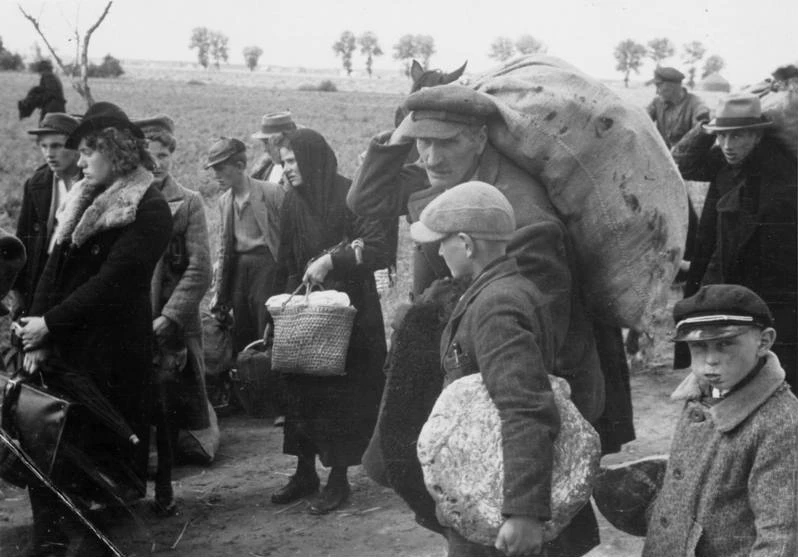
The Warsaw Student and the Black Market
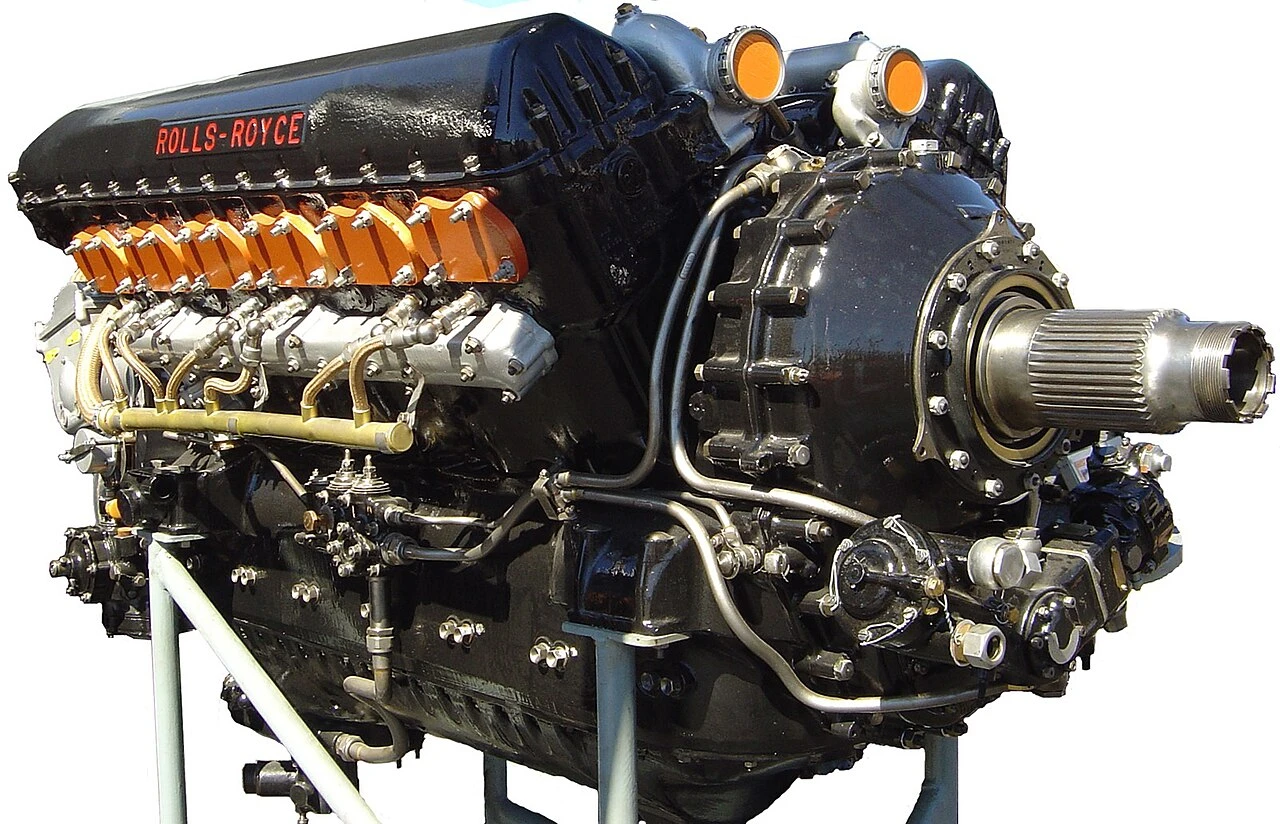
Car assembly lines for an aircraft engine
British Coal for the Winter of 1939
British rationing — Morrison and the principle
Winter rationing
The Minister, the Fleet and the Empty Plates
British rationing put to the test in 1941
British Clothes Rationing
Cambridge, 1939: The Evacuated LSE Student and Conscription
The Evacuation of the Children
The Warsaw Student and the Black Market