
The Military Training Act of May 1939 introduced conscription in peacetime, and everyone senses that, in the event of war, service will become general. For young men moved by pacifist, religious or moral convictions, the call to the colours poses an acute crisis of conscience.
The United Kingdom, instructed by the wrenching divisions of 1914–1918, has provided a legal framework: a conscript can ask to be recognised as a conscientious objector and appear before a local tribunal, which decides to exempt him, to assign him to non-combatant tasks, or to bind him to civilian work of public utility. The procedure nonetheless exposes one to the suspicion of cowardice and to social opprobrium.
You are an objector, a young man of conviction. Should you claim the status of objector and face the tribunal, accepting the risk of being judged ill by your peers? Accept ordinary service while keeping your scruples to yourself, so as not to set yourself apart? Or refuse outright, at the risk of prison? The choice involves your conscience, your reputation and, perhaps, your liberty.
Should our objector claim conscientious status, serve despite his scruples, or refuse outright?
Many will choose A: over the course of the war, around 62,000 Britons will register as conscientious objectors. The local tribunals will pronounce roughly 3,000 unconditional exemptions (less than 5%), some 22,000 assignments to compulsory civilian work (about 35%), and nearly 28,000 placements in non-combatant services (about 45%) — health, bomb disposal, ambulances, agriculture — the rest seeing their applications rejected. The British arrangement, more flexible than that of other countries, makes it possible to reconcile individual conviction and national effort. Refusing outright, for its part, exposed one to prison sentences. The handling of objection bears witness to a democracy seeking to respect conscience even in wartime.
Learn more about this event
Related polls
10
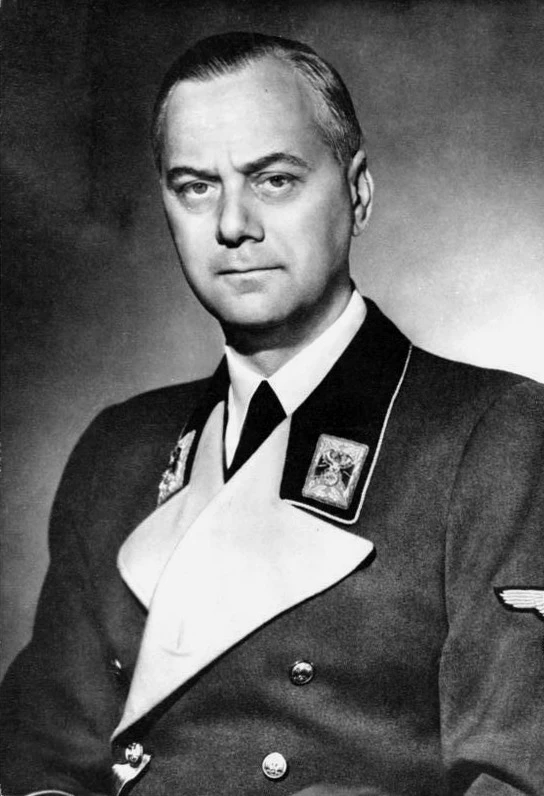
The Evacuation of the Children
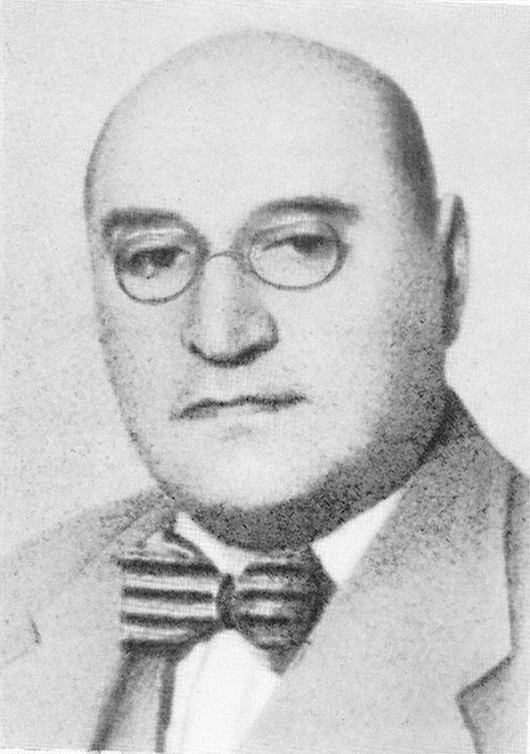
Czerniaków — the offer of the Judenrat
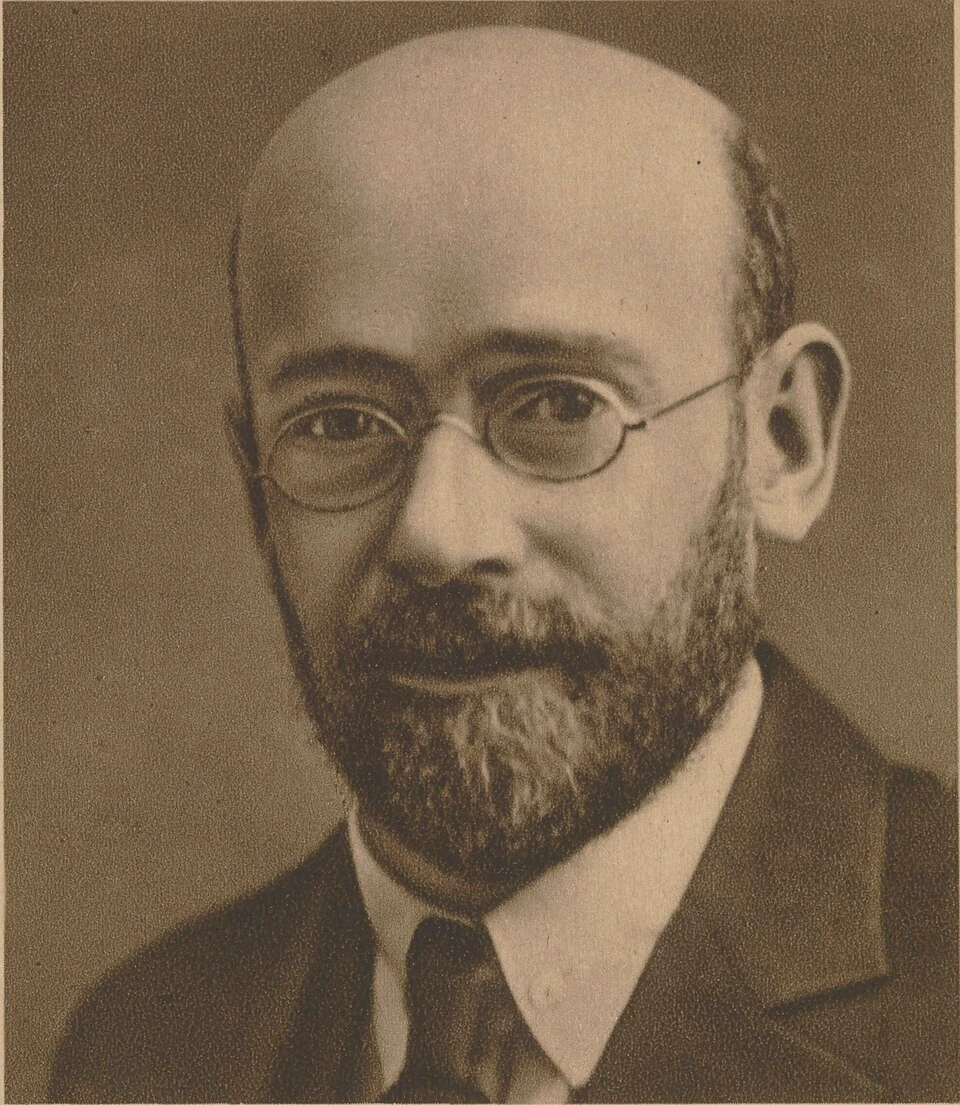
Korczak — facing the siege of Warsaw
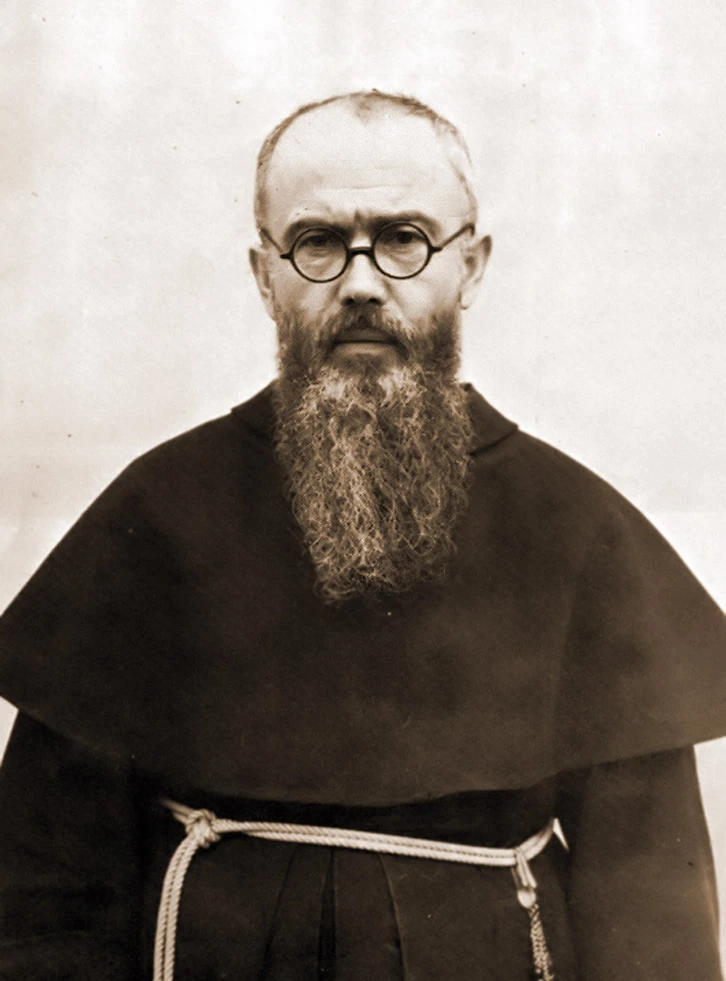
Father Kolbe — the Wehrmacht arrives at Niepokalanów
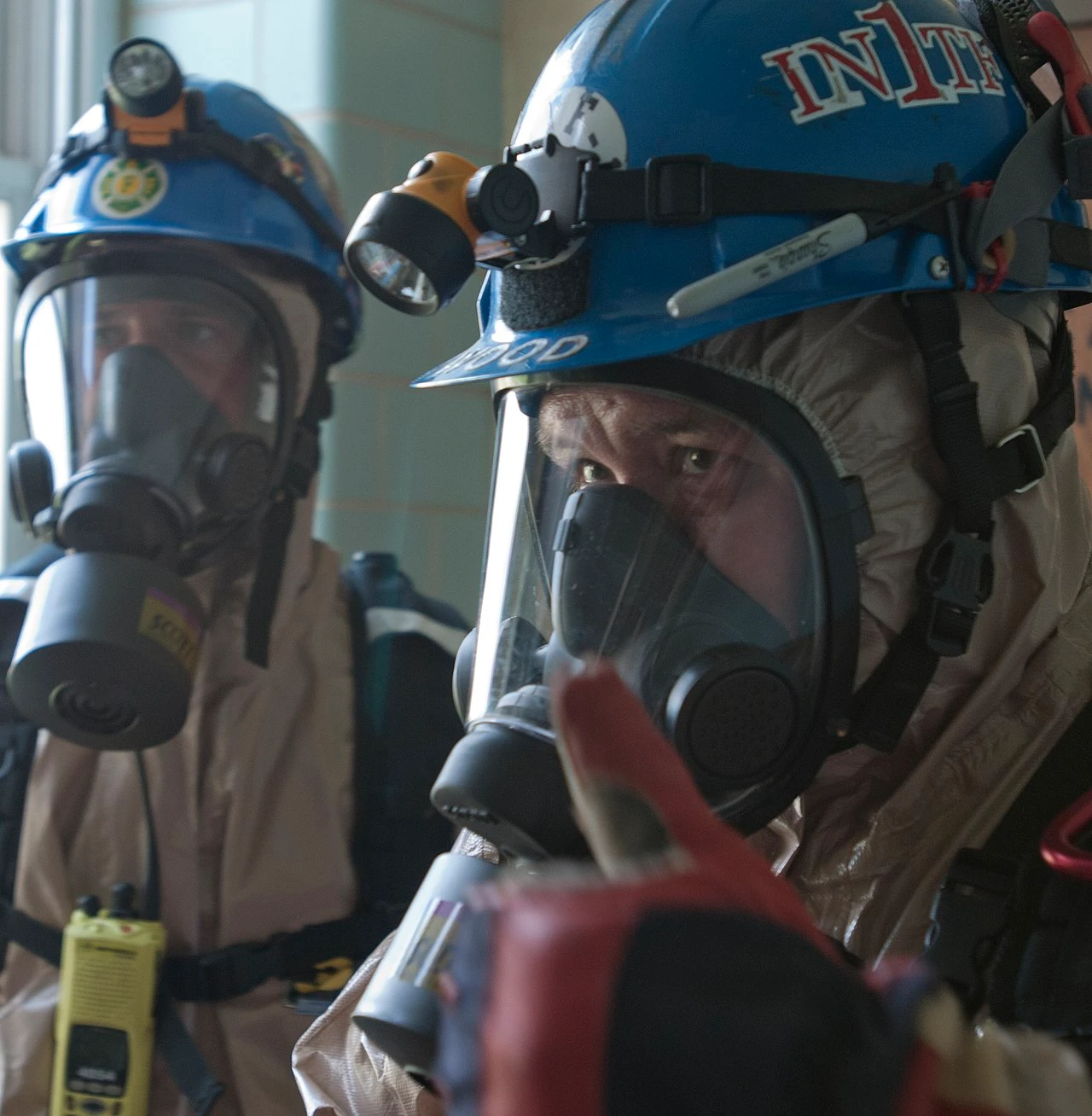
Gas Masks
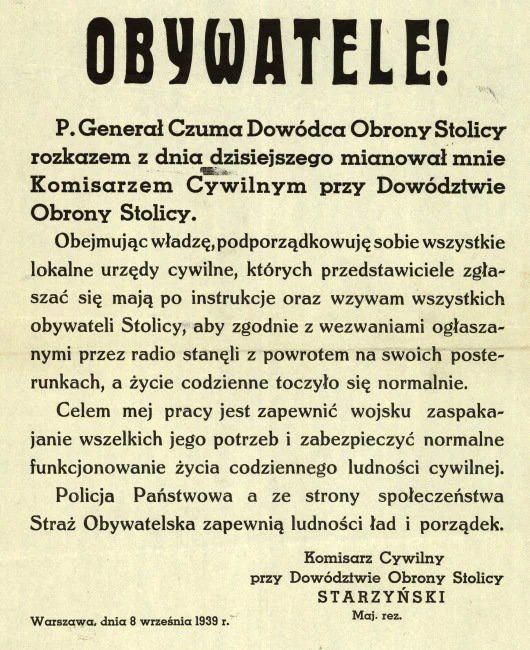
Warsaw Under Siege: Feeding the City or the Front
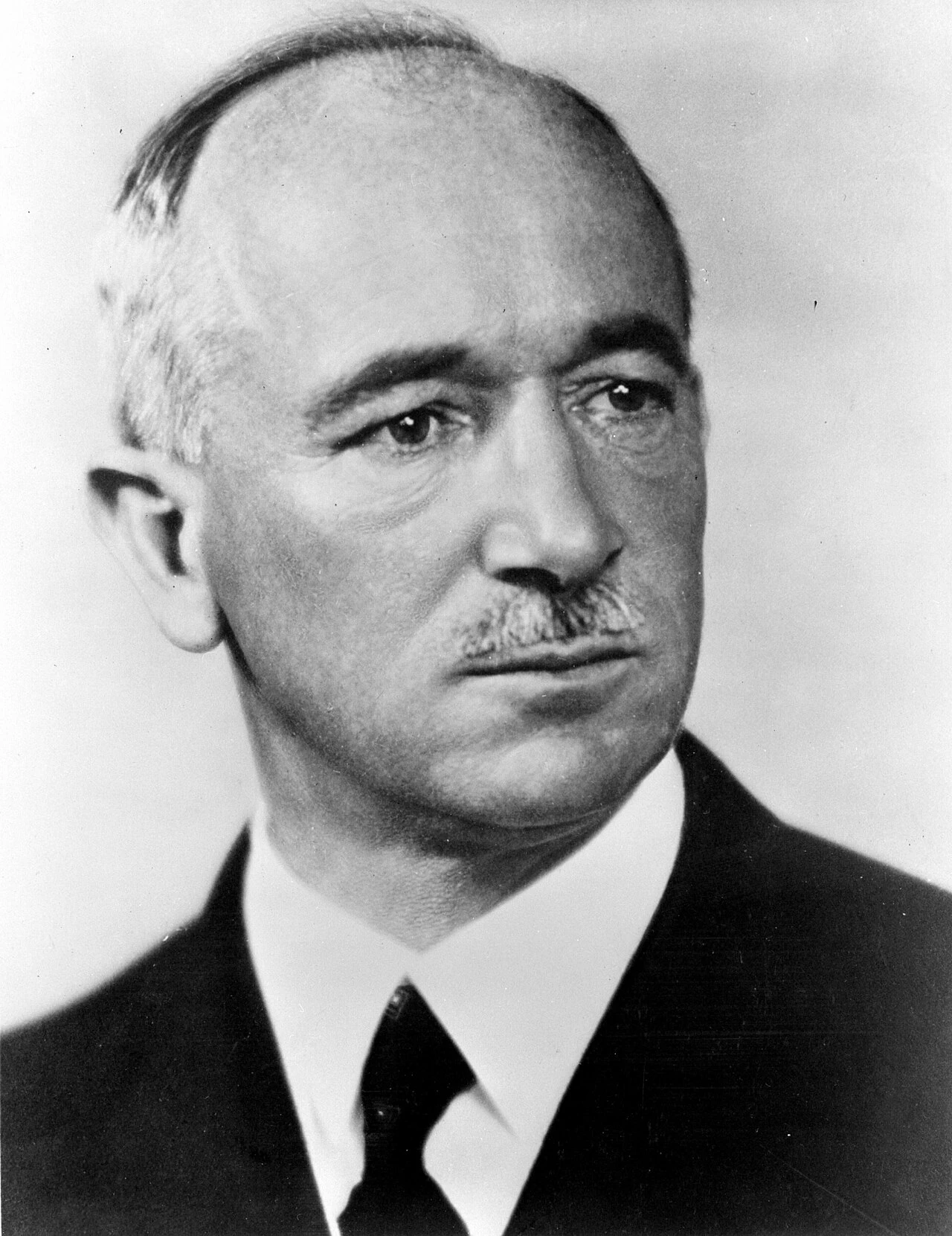
Beneš in London — autumn 1939
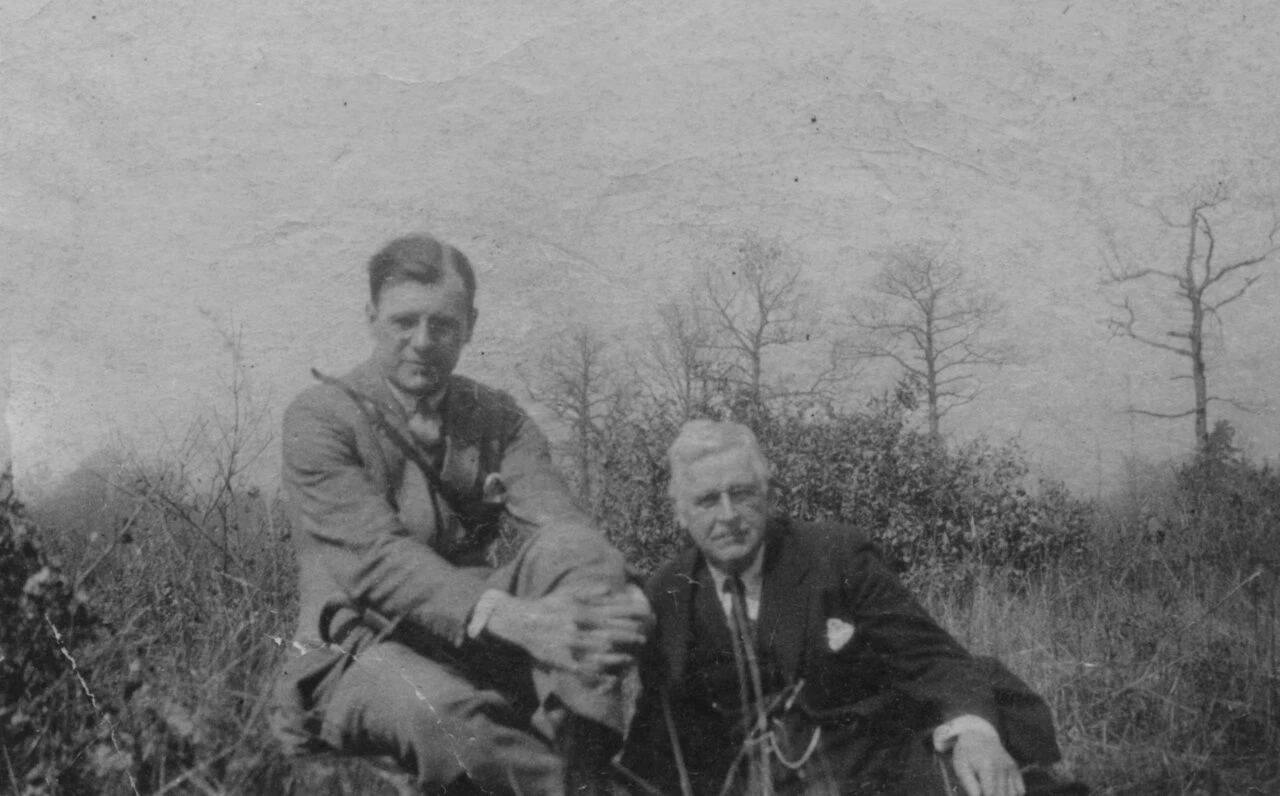
Cambridge, 1939: The Evacuated LSE Student and Conscription
Chamberlain — 11:15 BST
The apothecary of the Kraków Ghetto
The Evacuation of the Children
Czerniaków — the offer of the Judenrat
Korczak — facing the siege of Warsaw
Father Kolbe — the Wehrmacht arrives at Niepokalanów
Gas Masks
Warsaw Under Siege: Feeding the City or the Front
Beneš in London — autumn 1939
Cambridge, 1939: The Evacuated LSE Student and Conscription
Chamberlain — 11:15 BST