
Maurras and the phoney war
, 71, had been the theorist of Action française since 1899 — monarchist, nationalist, antisemitic, a traditional Germanophobe. His paper L'Action française was one of the most influential opinion dailies of the French radical right. On 3 September 1939, Maurras and his team (, , ) had to decide their editorial line in the face of war.
Maurras' position before 1939: visceral anti-German feeling (the revenge of 1870-71, cultural anti-Protestantism), pro-Italian (Mussolini was treated as a counter-model to be imitated), radically anti-Soviet, militantly antisemitic. A Franco-British war against Germany ought in theory to have aligned Maurras with the Daladier government. But Maurras hated equally: the parliamentary Republic (which he held to be degenerate); the Socialists and Communists (whom he accused of cynical war-mongering); and the Jewish refugees from Germany (whom he accused of having pushed for war).
During the phoney war Maurras was torn: to support the national war effort without reservation, or to go on denouncing the Republic and the Daladier government he so loathed? The dissolution of the PCF, which he had demanded, had just been pronounced.
Maurras had to set the editorial line of attack for the months ahead.
What line should Maurras take towards the French government?
Maurras applied B. His editorials from September 1939 to May 1940 oscillated between support for the army and attacks on the government. The themes: "the fifth column" (Jews, communists and Freemasons accused of conspiring for defeat), "republican decadence" (parliamentarianism accused of inefficacy), "the Popular Front still in the mouth" (revenge for 1936). On 17 June 1940 Maurras hailed Pétain's coming to power as "the divine surprise" — a phrase that would remain attached to his name. Under Vichy he became one of the regime's ideologues, backed the Statute on Jews of October 1940 and pleaded for the National Revolution. At the Liberation in September 1944 he was arrested, tried at Lyon in January 1945 for "intelligence with the enemy" and sentenced to life imprisonment. On hearing the verdict: "This is the revenge of Dreyfus!" Imprisoned at Clairvaux. Pardoned on health grounds in 1952, he died six months later at the age of 84. His trajectory during the phoney war embodied the ideological blindness of part of the French intelligentsia.
Learn more about this event
Related polls
10

Daladier — Thorez's Defection
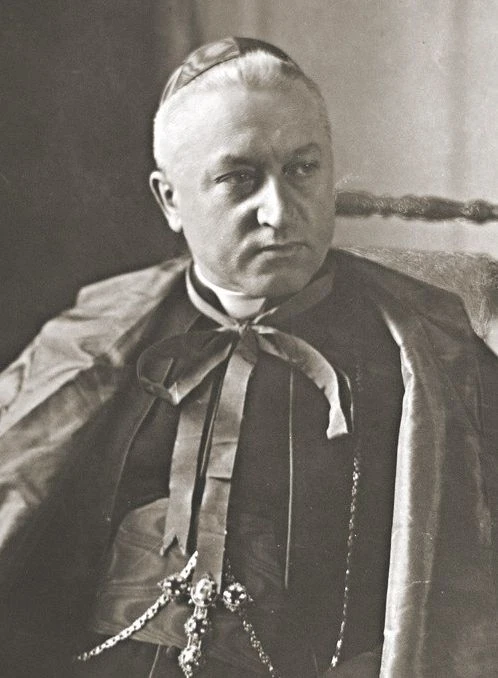
Cardinal Hlond — the Vatican's instruction
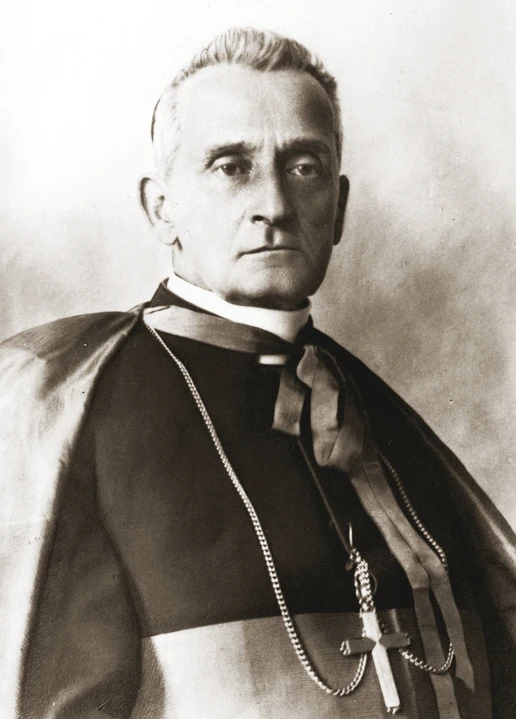
Cardinal Sapieha — Krakow under Occupation
Chamberlain — 11:15 BST
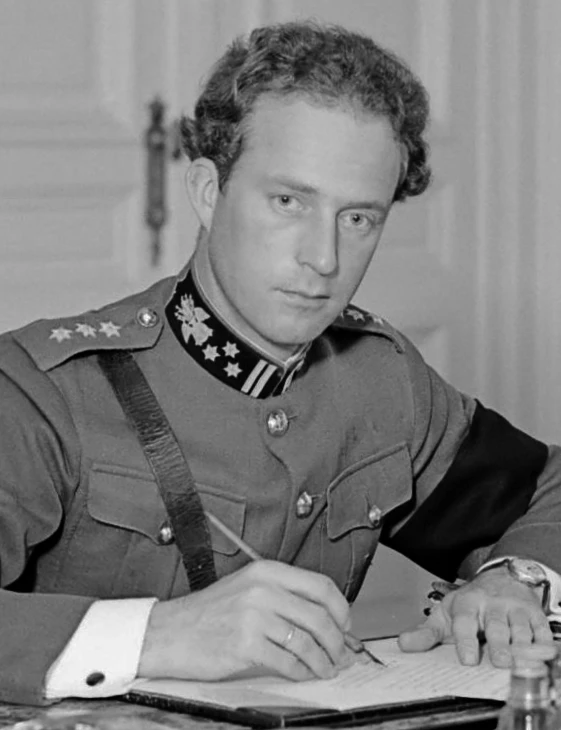
Leopold III — Brussels, 3 September
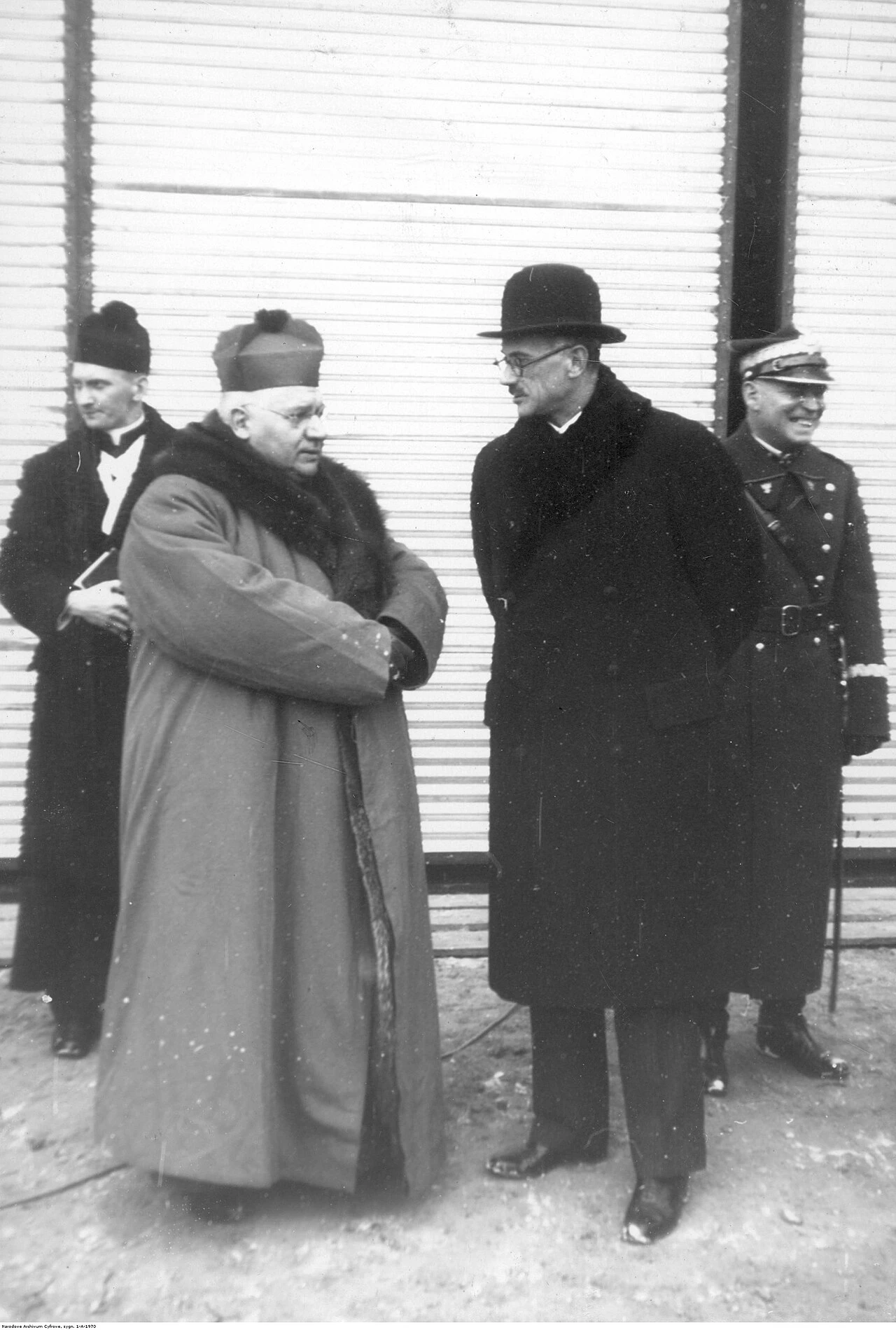
Bishop Adamski in annexed Katowice
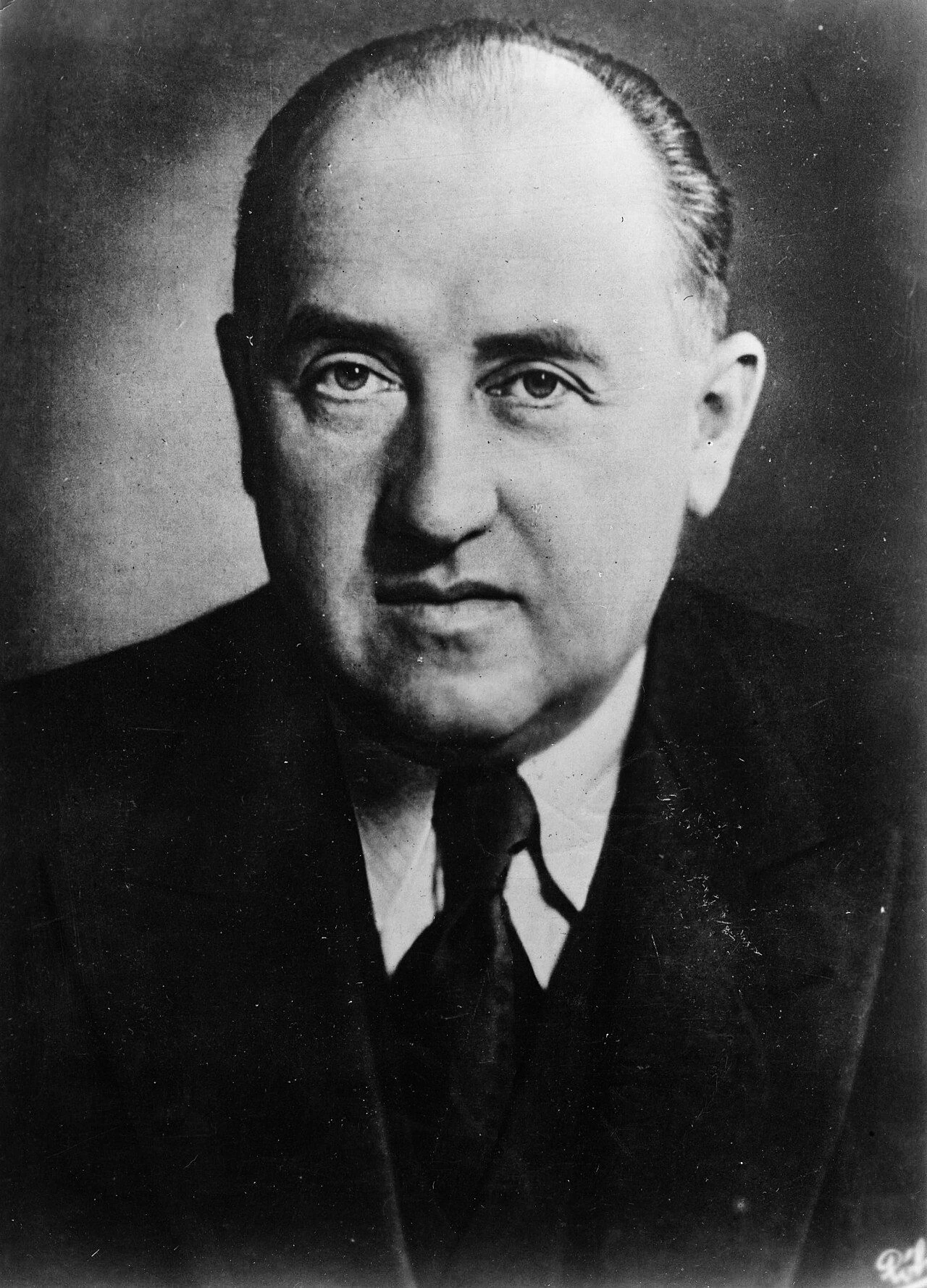
The Gold of the Bank of Poland — the destination of the SS Eocene
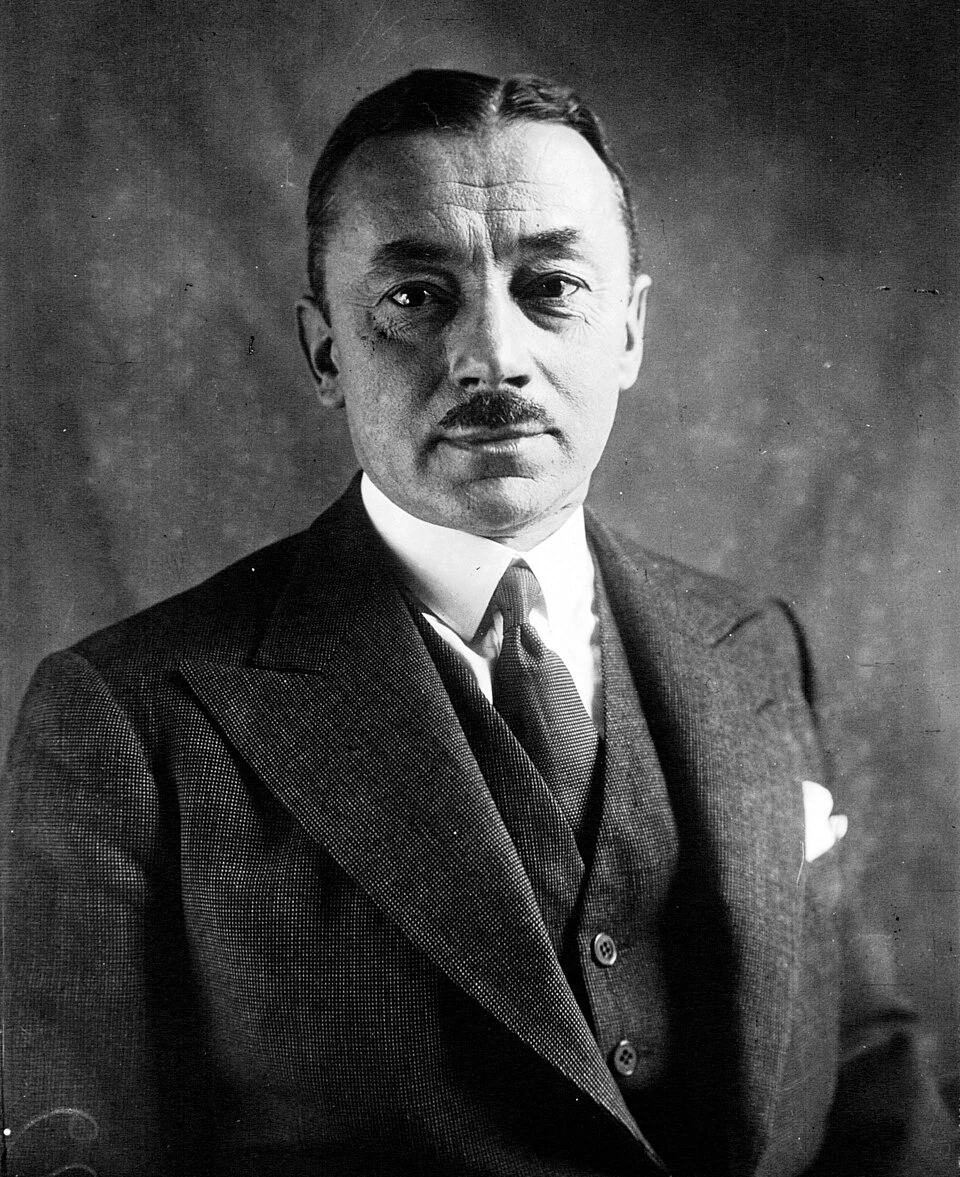
Reynaud against Daladier — February 1940
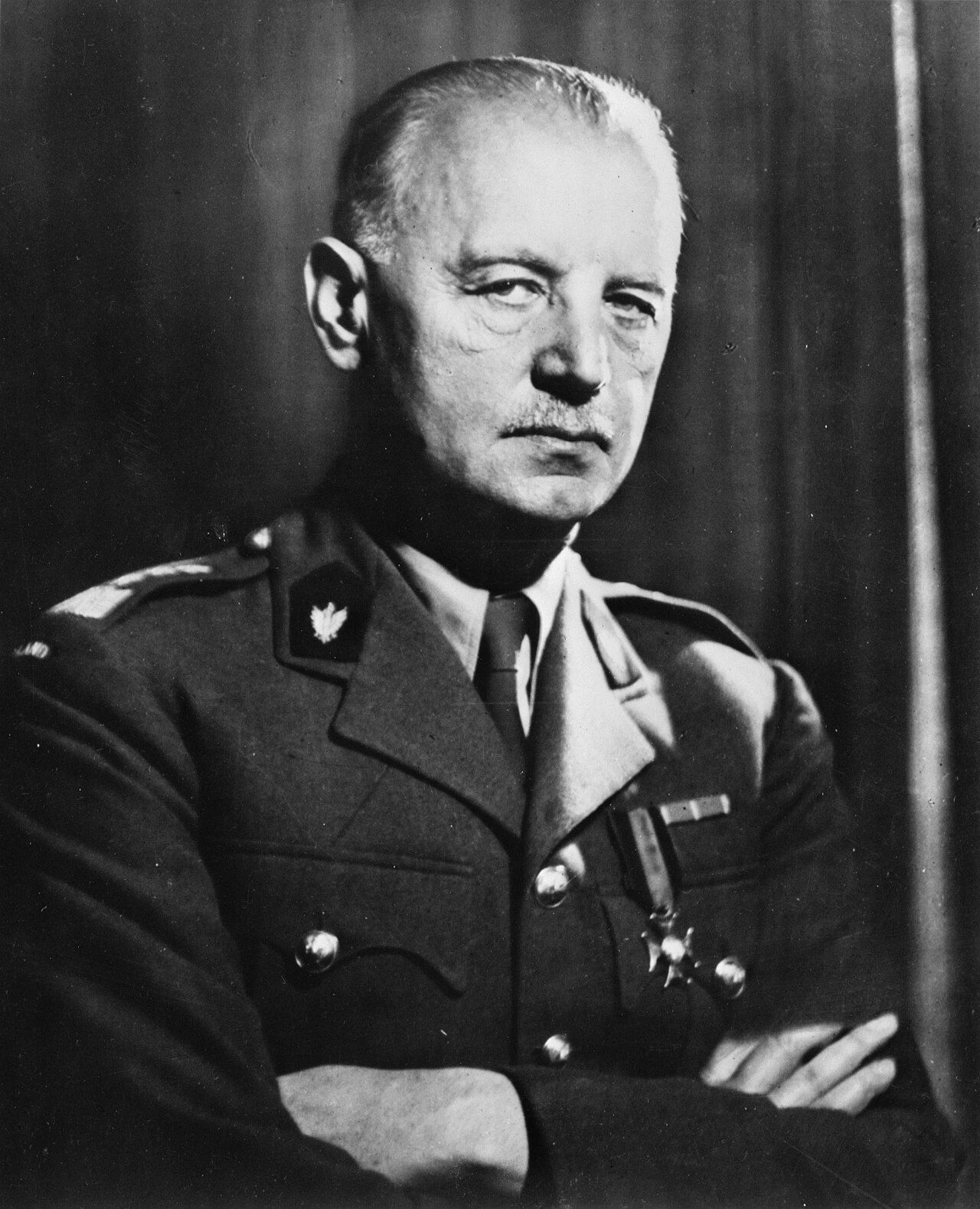
Sikorski — Paris, autumn 1939
Sosnkowski — KSK, 27 November
Daladier — Thorez's Defection
Cardinal Hlond — the Vatican's instruction
Cardinal Sapieha — Krakow under Occupation
Chamberlain — 11:15 BST
Leopold III — Brussels, 3 September
Bishop Adamski in annexed Katowice
The Gold of the Bank of Poland — the destination of the SS Eocene
Reynaud against Daladier — February 1940
Sikorski — Paris, autumn 1939