
Hermann Röchling and the Lorraine Ironworks
Summer 1940. After the French defeat, Lorraine is effectively annexed to the Reich, and its ironworks, among the most powerful in Europe, pass under German administration. On 12 July 1940, authorizes , master of the Saarland forges at Völklingen, to take control of the de Wendel family's plants at Hayange, Moyeuvre and Jœuf. The de Wendel brothers are driven out of Lorraine within forty-eight hours.
Röchling, whose neighboring Carlshütte near Thionville has coveted these installations for decades, finally holds the jewel of the Lorraine steel industry. But the Nazi state apparatus has its own designs: the Reichswerke Hermann and the Flick group are demanding their share of the industrial spoils from the conquered territories.
Röchling must decide which course to defend for these confiscated plants, knowing that his position as administrator does not grant him ownership and that arbitrates as the final authority.
Having taken control of the de Wendel ironworks, how should Röchling dispose of them?
Röchling sought to permanently absorb the de Wendel ironworks into his own steel empire (attaching Hayange to his Carlshütte at Thionville) and vowed to destroy the de Wendel family's interests. But decreed that the Moselle plants be split into three lots: some returned to former owners, others assigned to the Reichswerke Hermann , and others to the group. Röchling protested vigorously but was overruled: in January 1941 he lost control of the Moselle, retaining only the Meurthe-et-Moselle. Convicted after the war, he was found guilty notably of the industrial plunder of the occupied territories and the massive use of forced labor.
Learn more about this event
Related polls
10
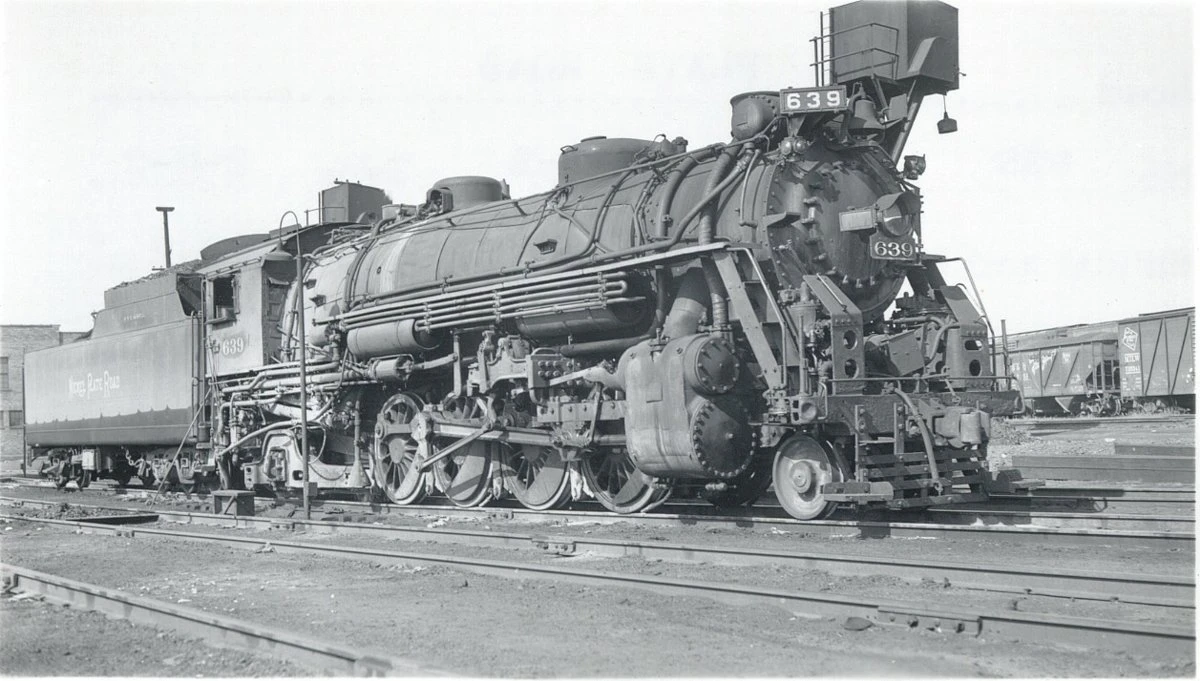
Article 13: the SNCF and the occupier
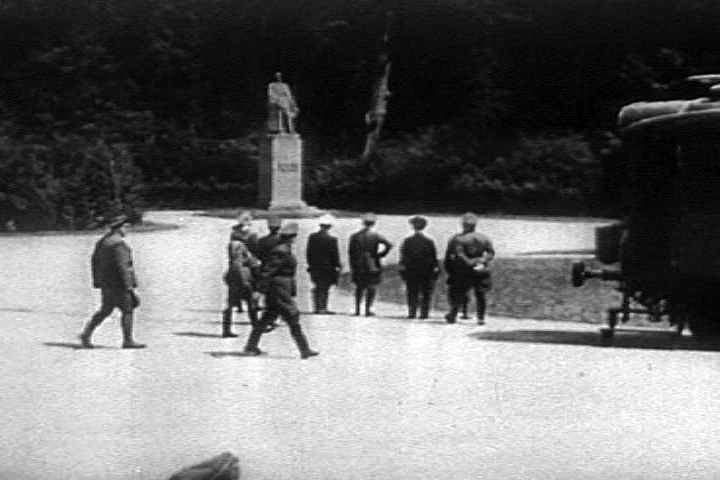
The weapons of the armistice — a secret beneath the table at Wiesbaden
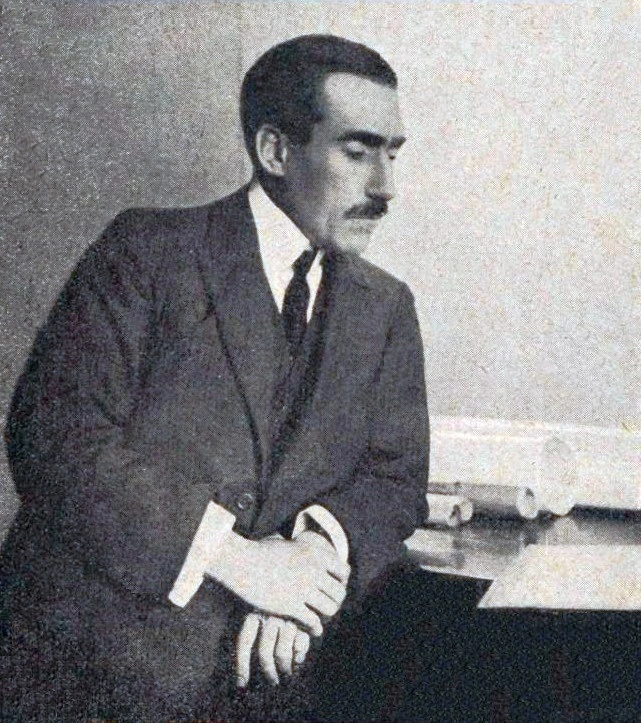
Louis Renault Returns from the United States: Billancourt Under German Control
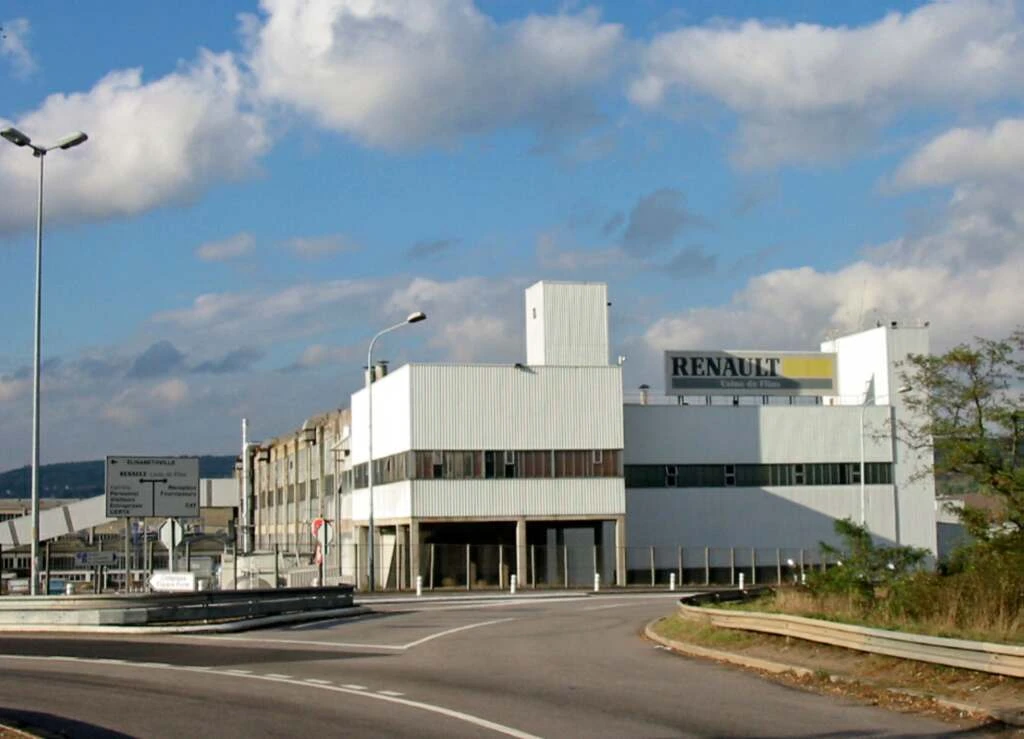
Billancourt under threat: the old boss and his machines
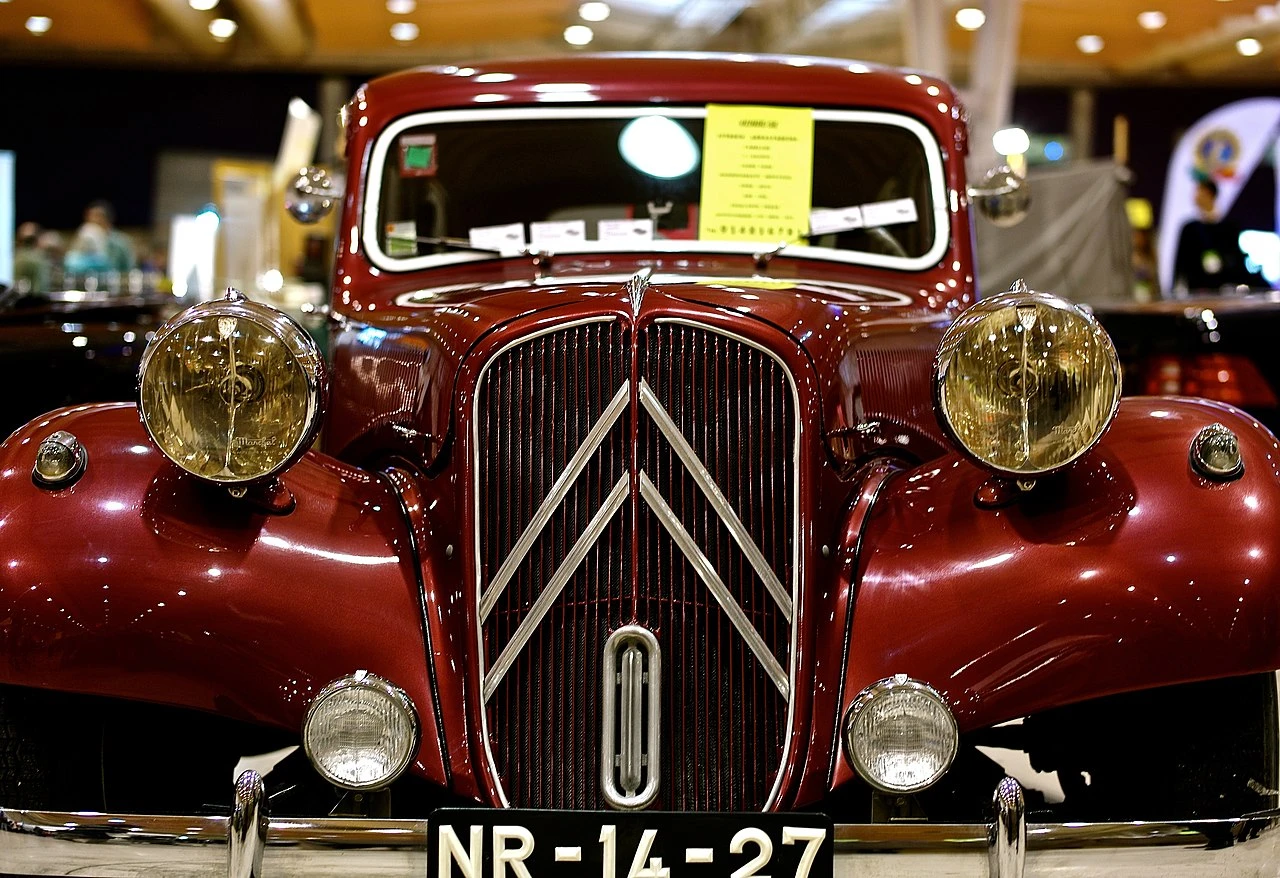
Boulanger and the Reich's trucks
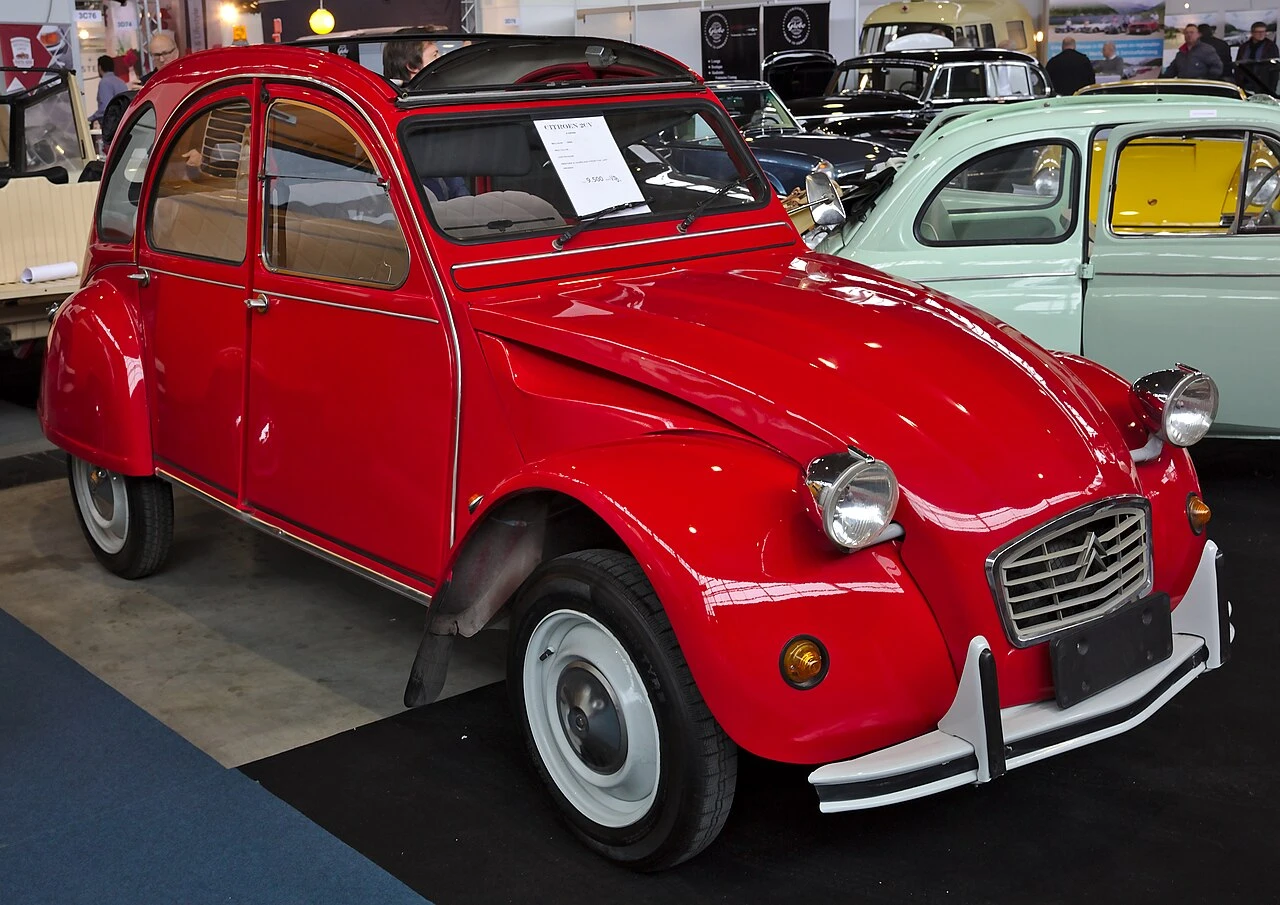
Citroën, the occupier and the secret little car

Citroën under the Occupation: the boss faces German orders
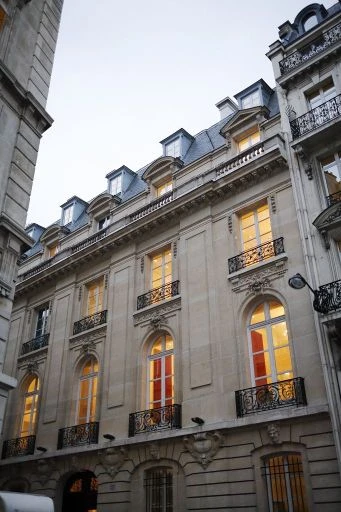
Le Creusot Faces the Wehrmacht — the Forges in the Hour of the Exodus
The head of Gnome et Rhône facing the vise of June 1940
Marquet — Bordeaux overwhelmed, 12 June
Article 13: the SNCF and the occupier
The weapons of the armistice — a secret beneath the table at Wiesbaden
Louis Renault Returns from the United States: Billancourt Under German Control
Billancourt under threat: the old boss and his machines
Boulanger and the Reich's trucks
Citroën, the occupier and the secret little car
Citroën under the Occupation: the boss faces German orders
Le Creusot Faces the Wehrmacht — the Forges in the Hour of the Exodus
The head of Gnome et Rhône facing the vise of June 1940