
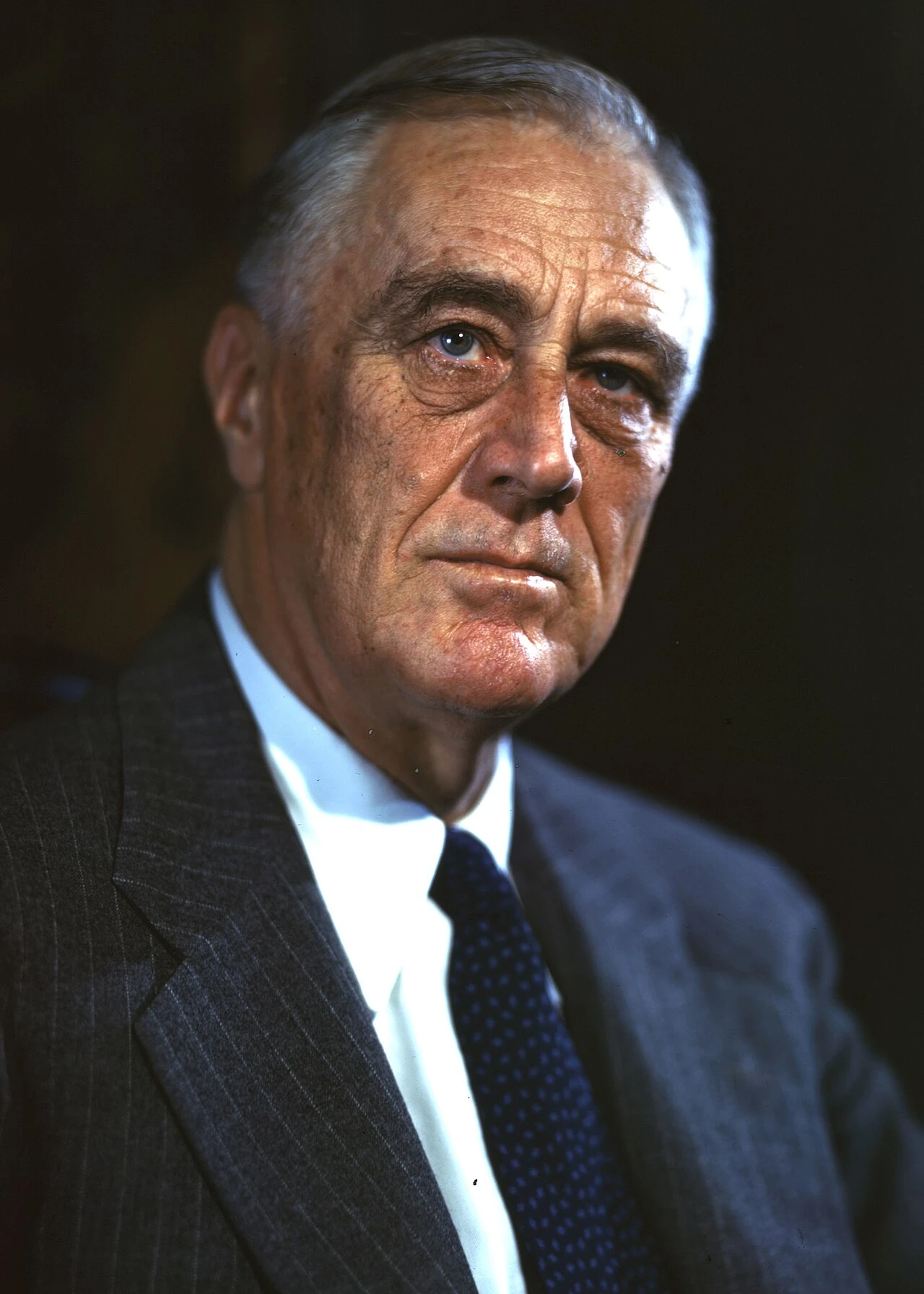
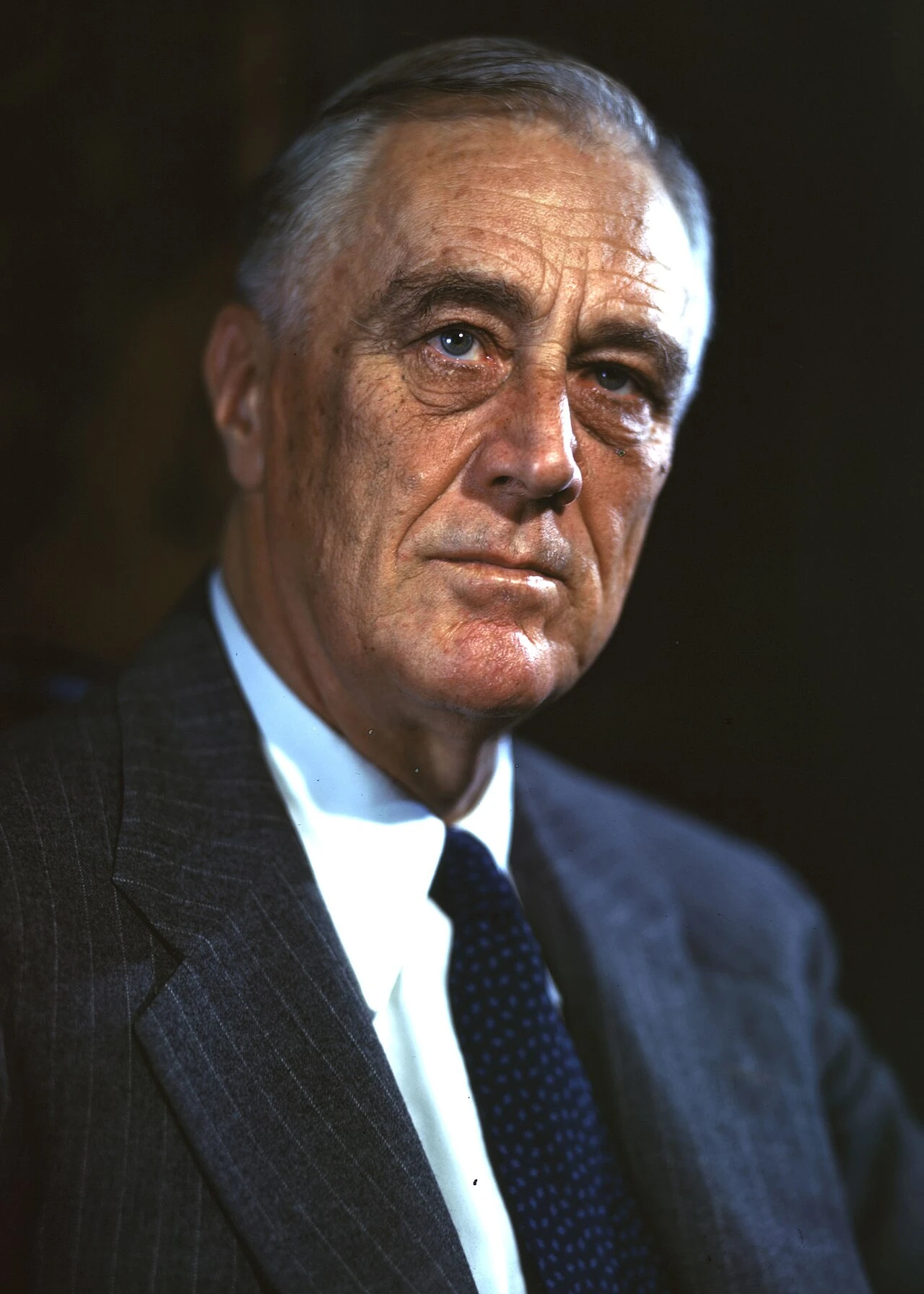
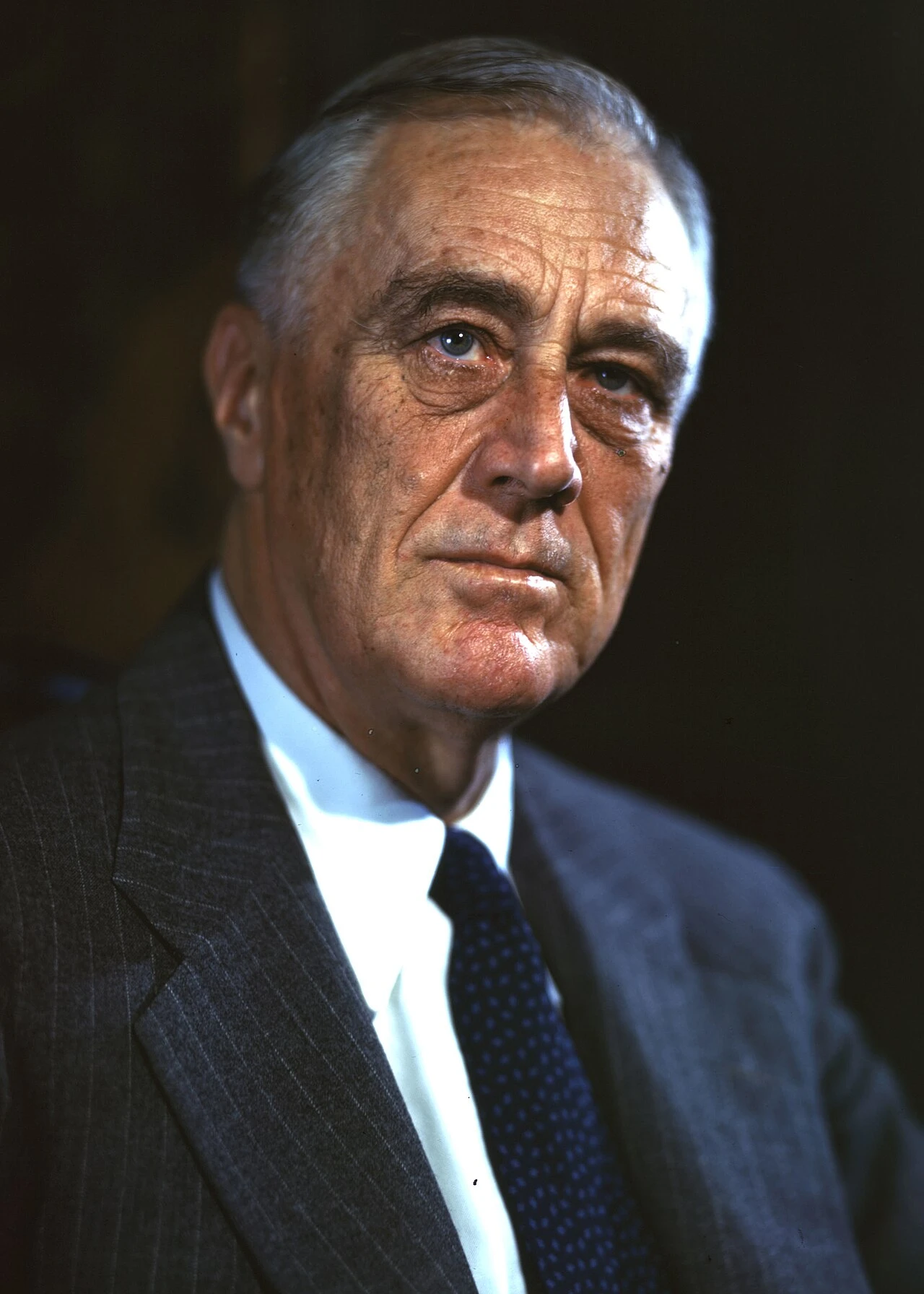
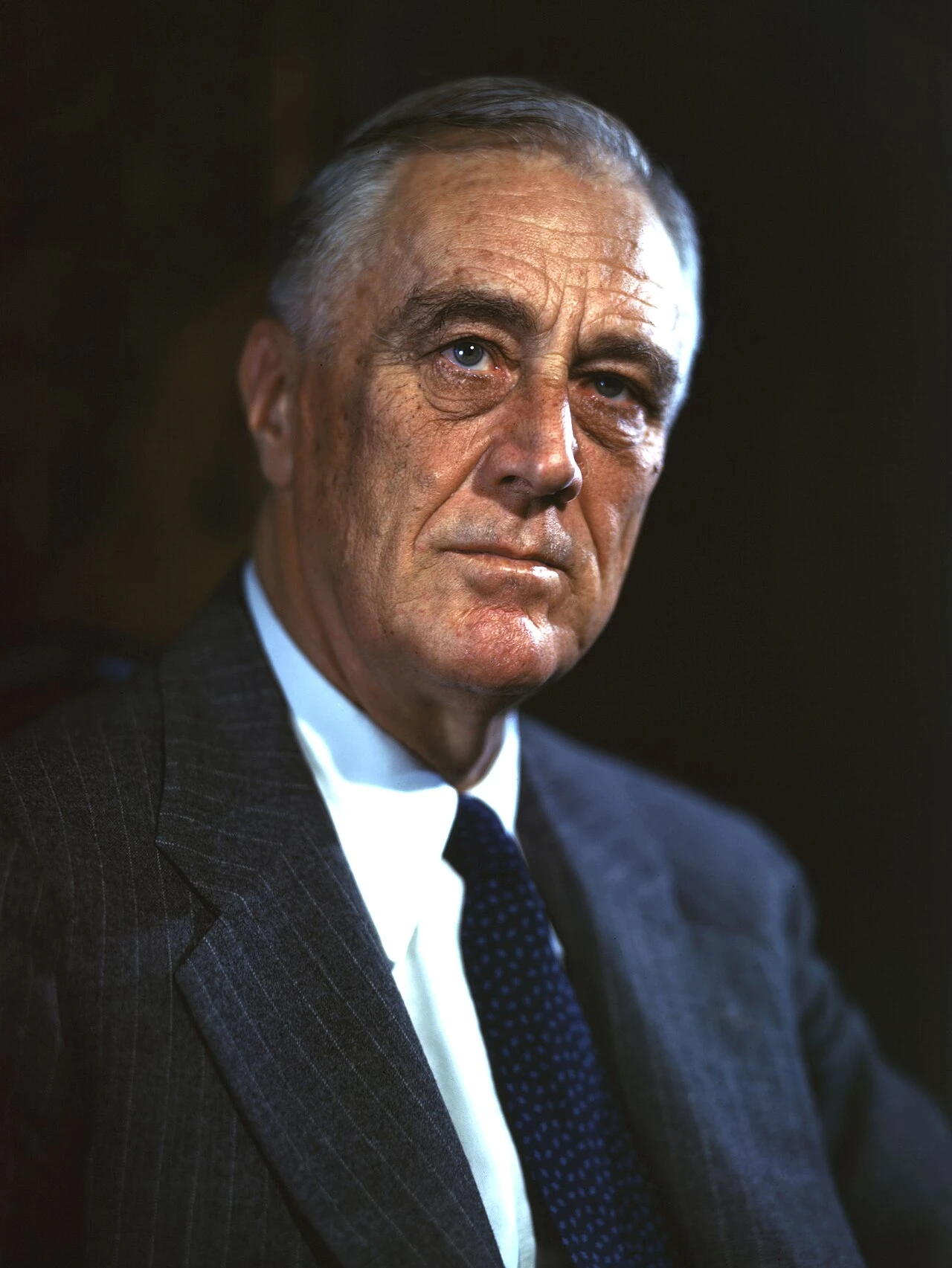
Roosevelt at the microphone — 29 December 1940
Re-elected in November, faces a pressing situation: Great Britain, alone at war with Germany, is running through its hard currency reserves and will soon be unable to pay cash for American arms, as the Neutrality Act ('cash and carry') requires. Churchill has written him a long letter laying out Britain's financial and material distress.
Roosevelt wants to maintain and expand aid to London, which he sees as America's own first line of defense. But public opinion remains largely isolationist, and the opponents of any involvement — from Senator Wheeler to the America First Committee — are watching for the slightest step toward war. The President has already conceived the idea of a 'lend-lease' that would supply materiel without immediate payment, but he must first prepare opinion.
On 29 December 1940 he is about to deliver one of his radio 'fireside chats.' He must decide on the register: frankly present aid to Britain as a matter of national security; remain cautious so as not to alarm the isolationists; or temporize, waiting for a more favorable moment.
How should Roosevelt justify expanded aid to Britain before the American public?
Roosevelt chose A. In his fireside chat of 29 December 1940 he coined the famous phrase: the United States must become 'the great arsenal of democracy,' arguing that helping the nations fighting the Axis was the best way to keep the war away from American soil. The speech prepared opinion for the Lend-Lease Act, which he would lay before Congress in January. A week later, his State of the Union address set out the 'Four Freedoms.' The 'arsenal of democracy' marked a decisive rhetorical turning point: it provided the moral and strategic framework for American industrial commitment, which would tilt the material balance of the war long before the United States itself entered it.
Learn more about this event
Related polls
10
Roosevelt — Lend-Lease before Congress
Germany first, even before the war
Roosevelt — destroyers for bases
Roosevelt and the Squadron for Singapore — Washington, October 1940
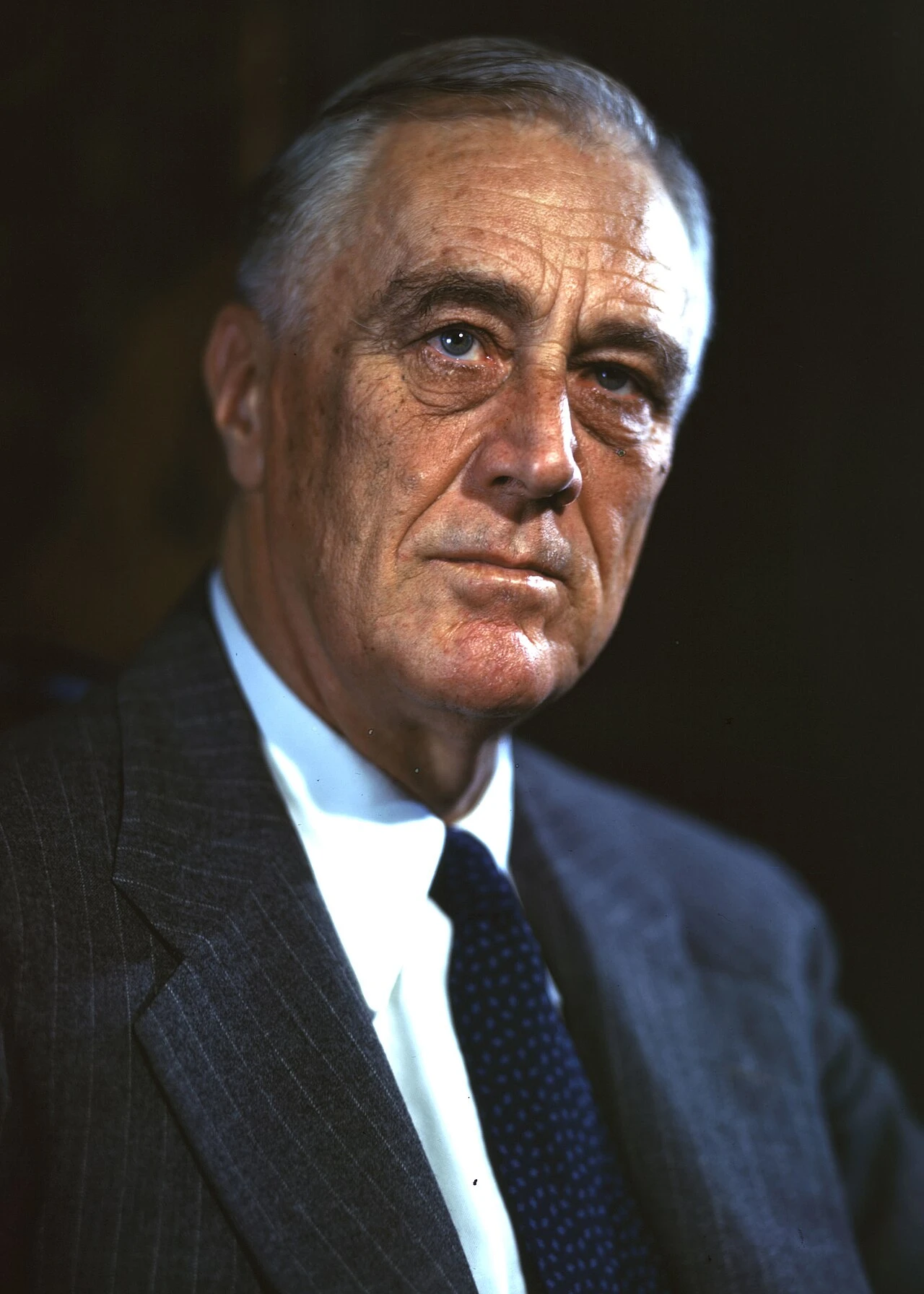
Roosevelt — signing Lend-Lease
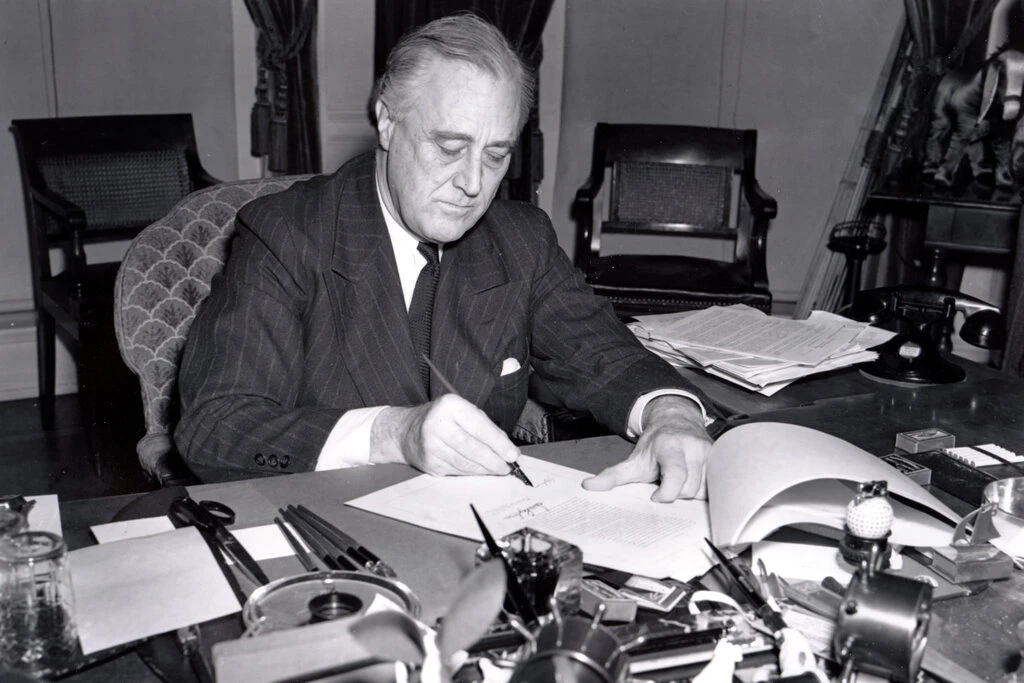
Washington, March 1941: Arming Without Entering the War
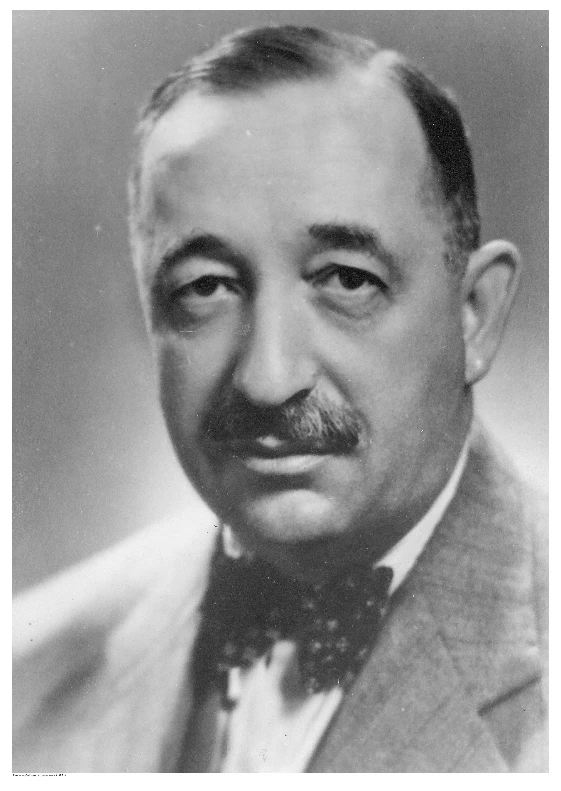
Bulgaria: lock of the Balkans, a price to pay
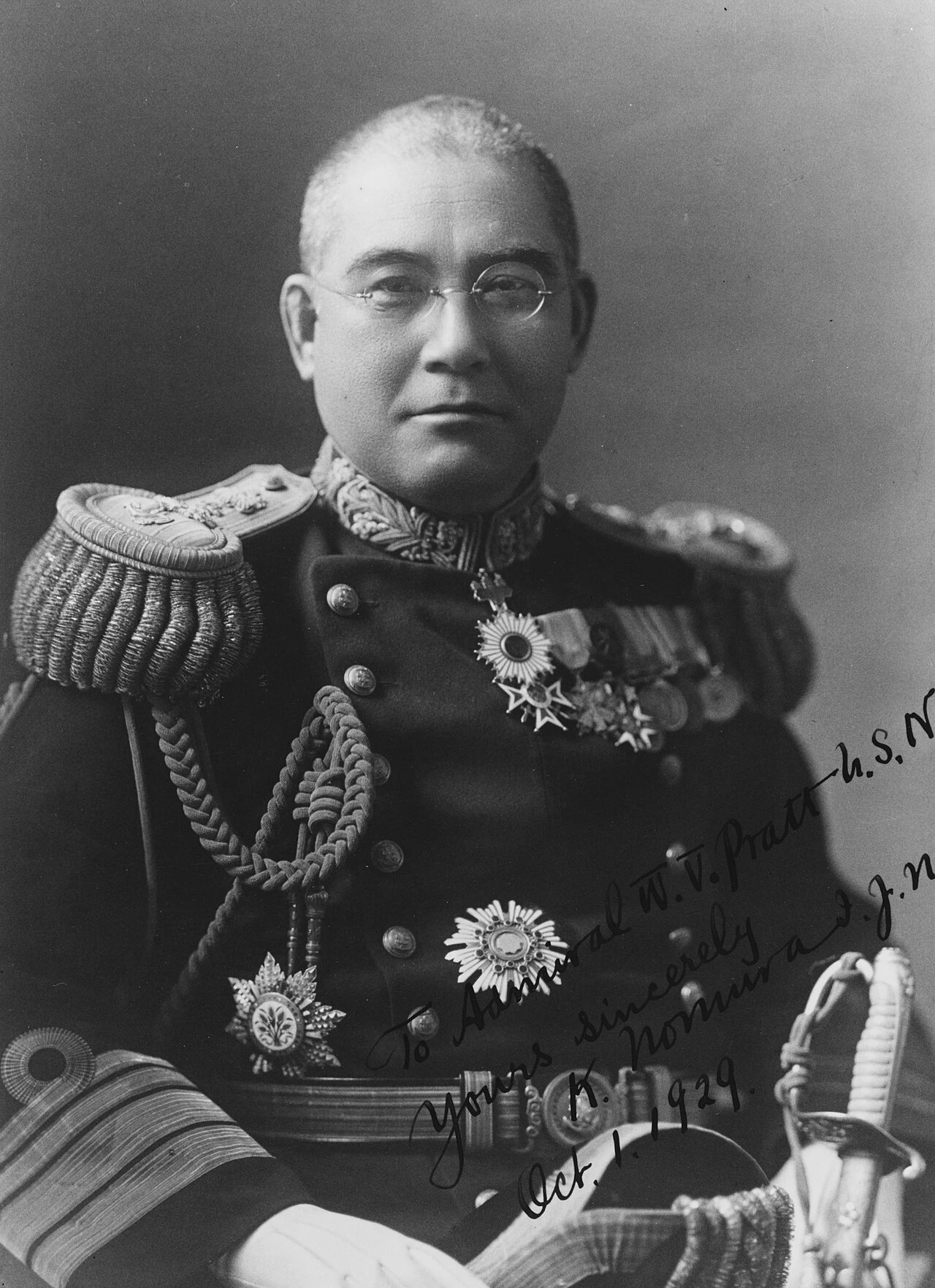
Nomura and the Hull Note: Diplomacy on the Brink
Roosevelt — Arm England?
Roosevelt and the Japanese assets
Roosevelt — Lend-Lease before Congress
Germany first, even before the war
Roosevelt — destroyers for bases
Roosevelt and the Squadron for Singapore — Washington, October 1940
Roosevelt — signing Lend-Lease
Washington, March 1941: Arming Without Entering the War
Bulgaria: lock of the Balkans, a price to pay
Nomura and the Hull Note: Diplomacy on the Brink
Roosevelt — Arm England?