
Tancrémont — the order to surrender
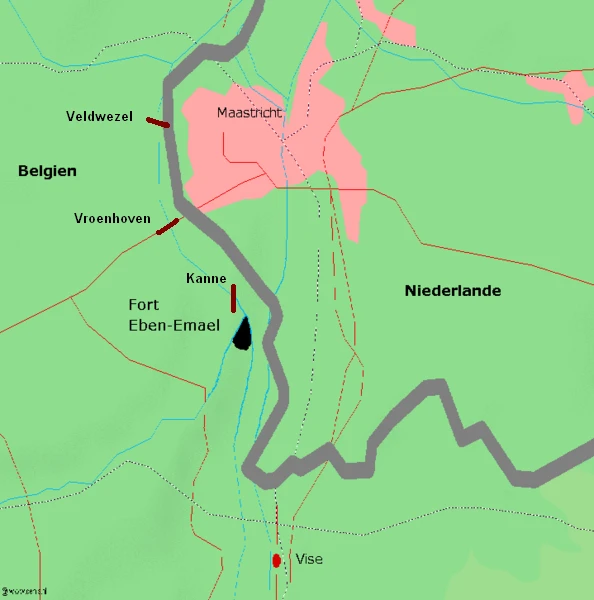
The last of the forts of the fortified position of Liège still standing, Tancrémont has been resisting German assaults since 10 May. Its garrison has seen Ében-Émael fall within hours, then Aubin-Neufchâteau and Battice after a dozen days. But the work still holds, intact in its vital parts.
On 28 May 1940, a piece of news upends the situation: King Leopold III has capitulated, the Belgian army is laying down its arms. The enemy comes to summon Tancrémont to surrender, citing the general capitulation.
Commandant Devos faces a question of military conscience. He may surrender at once, since the sovereign has capitulated and any resistance now seems pointless. Or he may refuse to give way on the enemy's word alone, and demand a written, authenticated order from the Belgian hierarchy before lowering the flag — at the risk of needlessly prolonging the siege. In doubt, whether to hand over the intact fort to the adversary or to hold on remains a decision heavy with meaning for honour and discipline.
Should Devos surrender Tancrémont on the announcement of the capitulation, or first demand a written, authenticated order?
Devos chooses B: he refuses to rely on the German summons alone and obtains written confirmation of the general surrender order, signed by the competent authority, before handing over the fort. Tancrémont lays down its arms only on 29 May 1940, the day after the Belgian capitulation — after nineteen days of resistance, which makes it one of the last points of the Belgian army to cease fighting. Devos's concern for a proper order illustrates the attachment to military legality even in defeat, and the ambiguity of a capitulation decided by the King alone.
Learn more about this event
Related polls
10
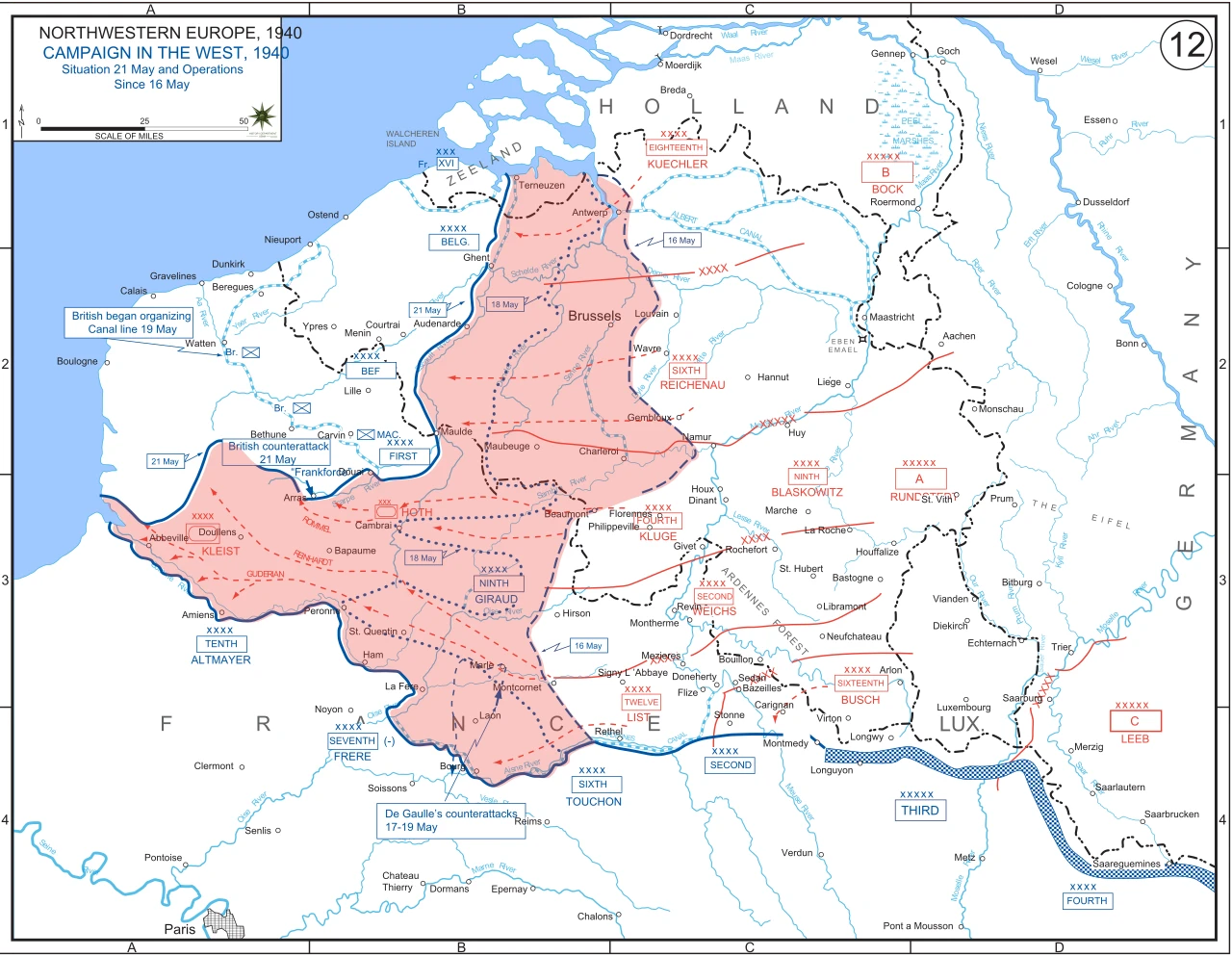
The Battle of the Lys
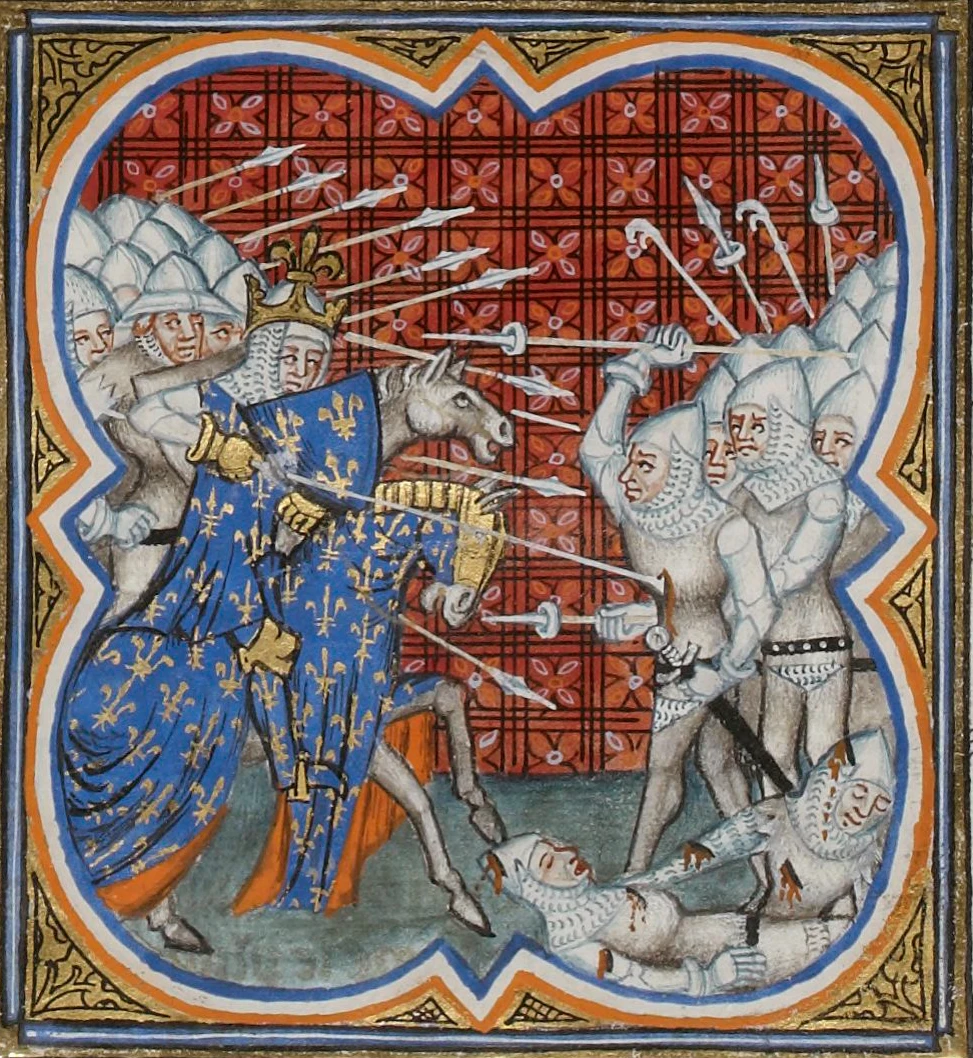
The Last Stand on the Lys
The abatis of the Chasseurs Ardennais
Bodange — Bricart and the Chasseurs Ardennais
The bridges of the Meuse
Eben-Emael — Jottrand under the explosions
The fort of Aubin-Neufchâteau
The fort of Battice isolated
The garrison of Ében-Émael
The charges are set beneath the deck
The Battle of the Lys
The Last Stand on the Lys
The abatis of the Chasseurs Ardennais
Bodange — Bricart and the Chasseurs Ardennais
The bridges of the Meuse
Eben-Emael — Jottrand under the explosions
The fort of Aubin-Neufchâteau
The fort of Battice isolated
The garrison of Ében-Émael