
Tikhvin, November 1941: Leningrad's Last Artery
On the morning of 9 November 1941, the cold is already biting into the marshy forests southeast of Lake Ladoga. The day before, German divisions broke through the Soviet defense and captured Tikhvin, a small railway town whose vital importance no one, in Berlin or in Moscow, had suspected just a few weeks earlier. It was here that the rail line ran, carrying provisions and munitions to the wharves from which barges crossed Ladoga toward encircled Leningrad. By cutting this lifeline, the enemy threatens to suffocate a city of more than two million souls, where famine is already taking hold, ration after ration.
General Kirill Meretskov inherits a sector in tatters. His units, exhausted and thinly spread, have fallen back under the push of Army Group North; the roads are turning into frozen quagmires and the supply columns struggle to keep up. Yet the adversary is far from his bases, stretched along exposed flanks, ill-prepared for the Russian winter now descending. To the west, on the lake itself, a track is being improvised over the ice to make up for the lost rail line, but on its own it will never bear the weight of the siege. Every day counts: Leningrad's reserves are melting away before one's eyes.
Meretskov must decide quickly, under the anxious gaze of the Stavka.
Faced with the fall of Tikhvin and the strangling of Leningrad, what decision must General Meretskov take?
Meretskov chose the immediate counteroffensive. Taking advantage of the exhaustion and isolation of the German forces stretched far from their bases, the Soviet armies on the right wing went over to the attack as early as mid-November. After weeks of fierce fighting in extreme cold, Tikhvin was recaptured on 9 December 1941, the first significant retaking of a town by the Red Army. The victory restored the rail line feeding the "Road of Life" across Ladoga, just before the heart of winter, and saved Leningrad from collapse by starvation, even though famine killed several hundred thousand civilians there during the siege. This local offensive heralded the great Soviet counterattack of the winter of 1941-1942.
Learn more about this event
Related polls
10
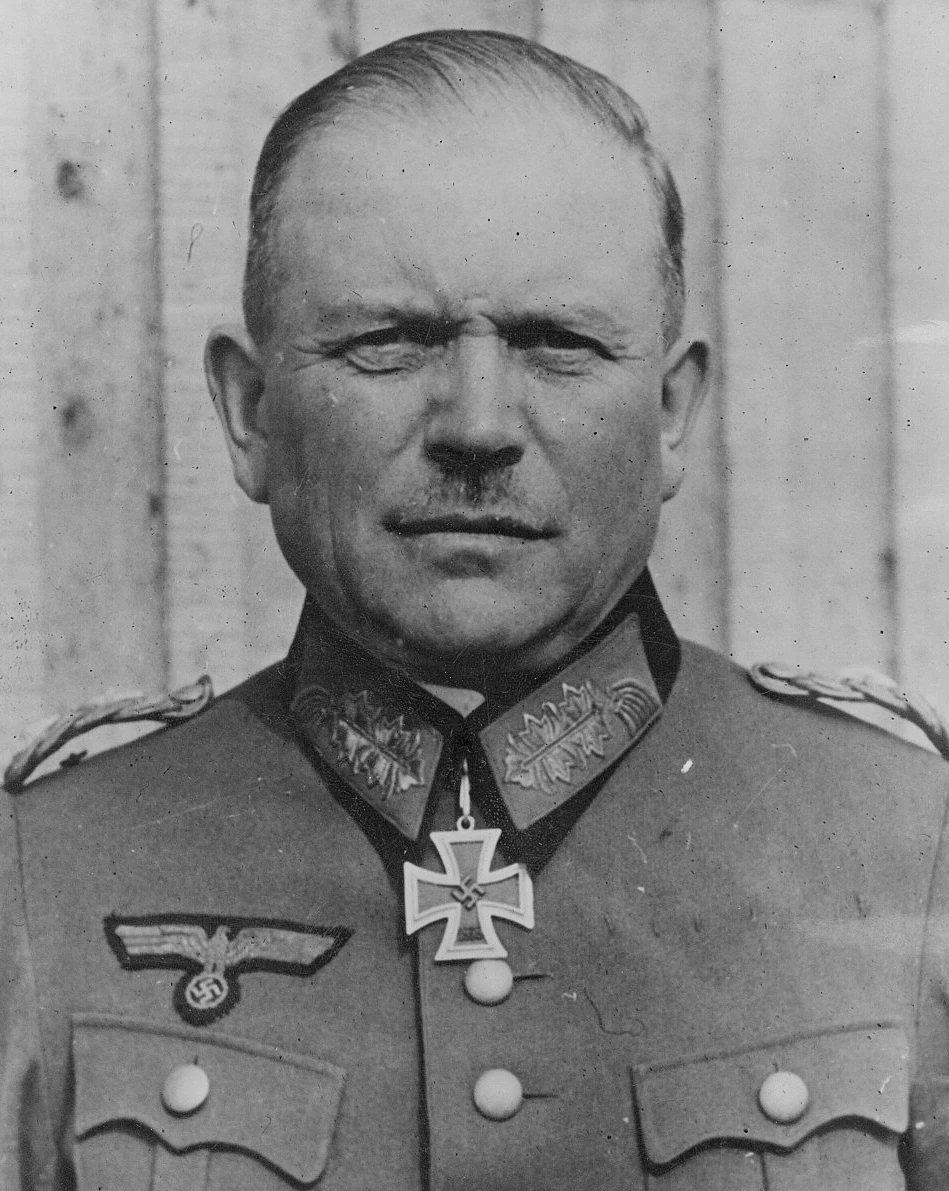
Guderian before Tula, October 1941
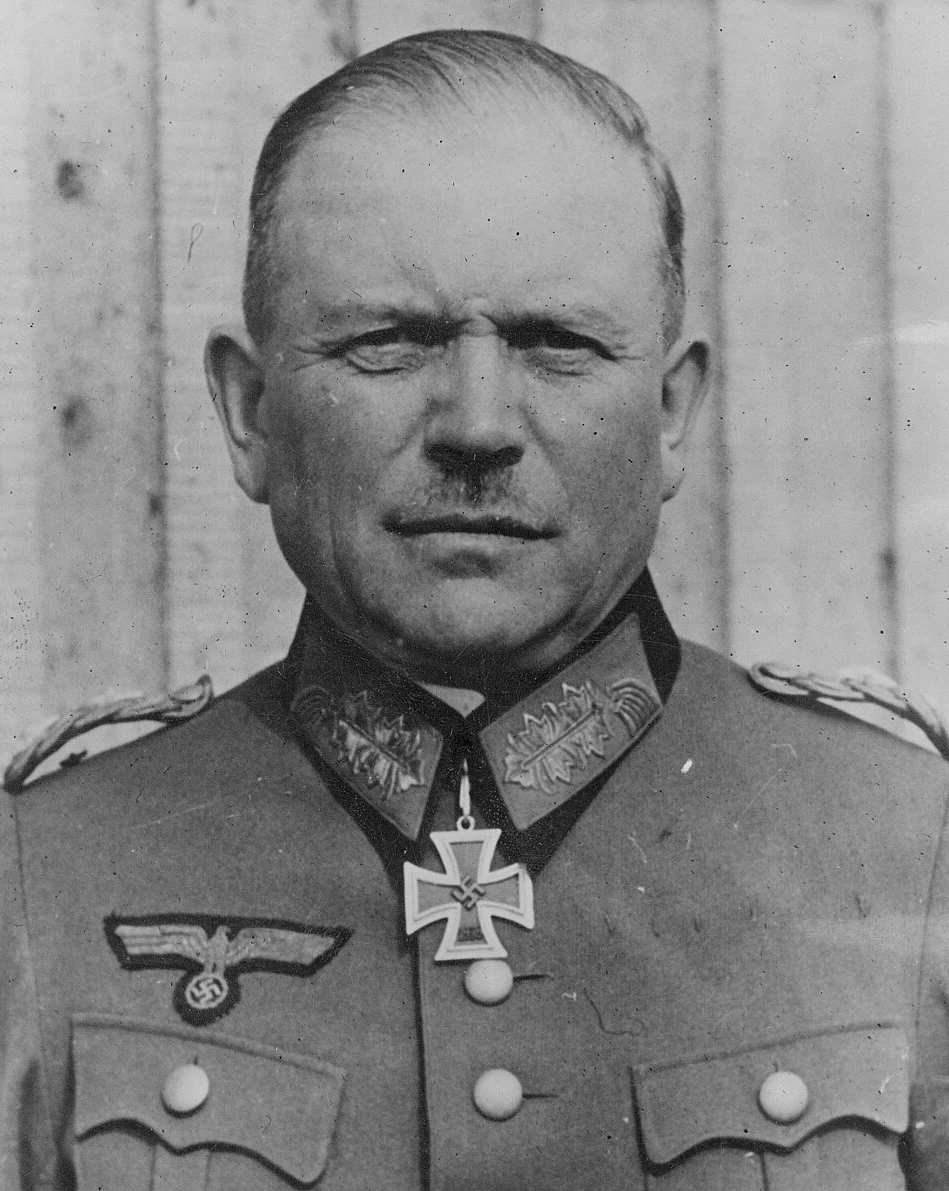
The Mud, the Winter and the Road to Moscow
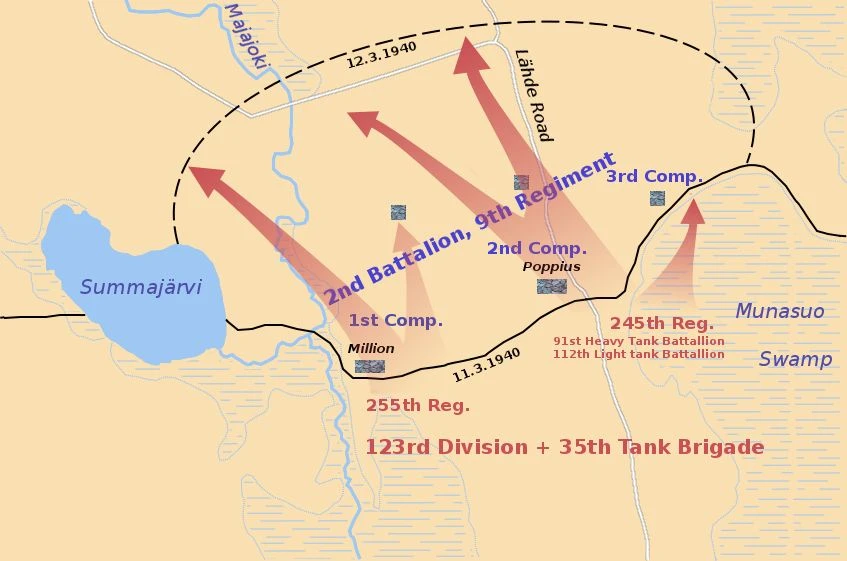
Lähde — Yakovlev against the Mannerheim bolt
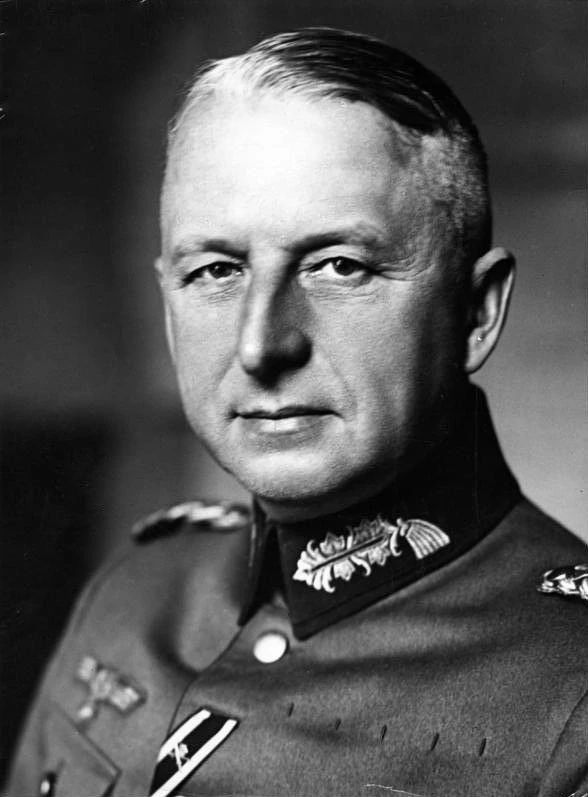
Perekop: the Iron Gate of Crimea
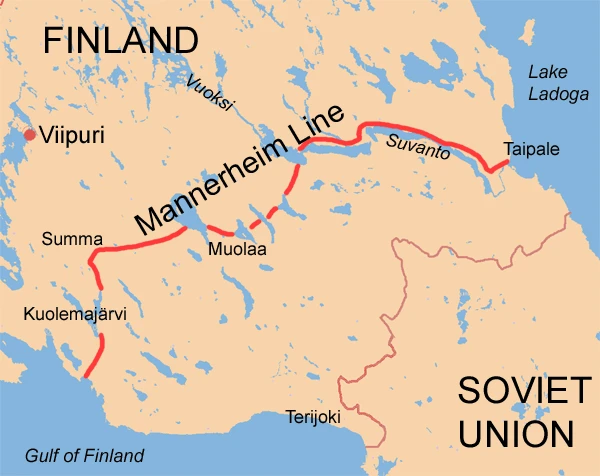
Timoshenko at Summa — 11 February
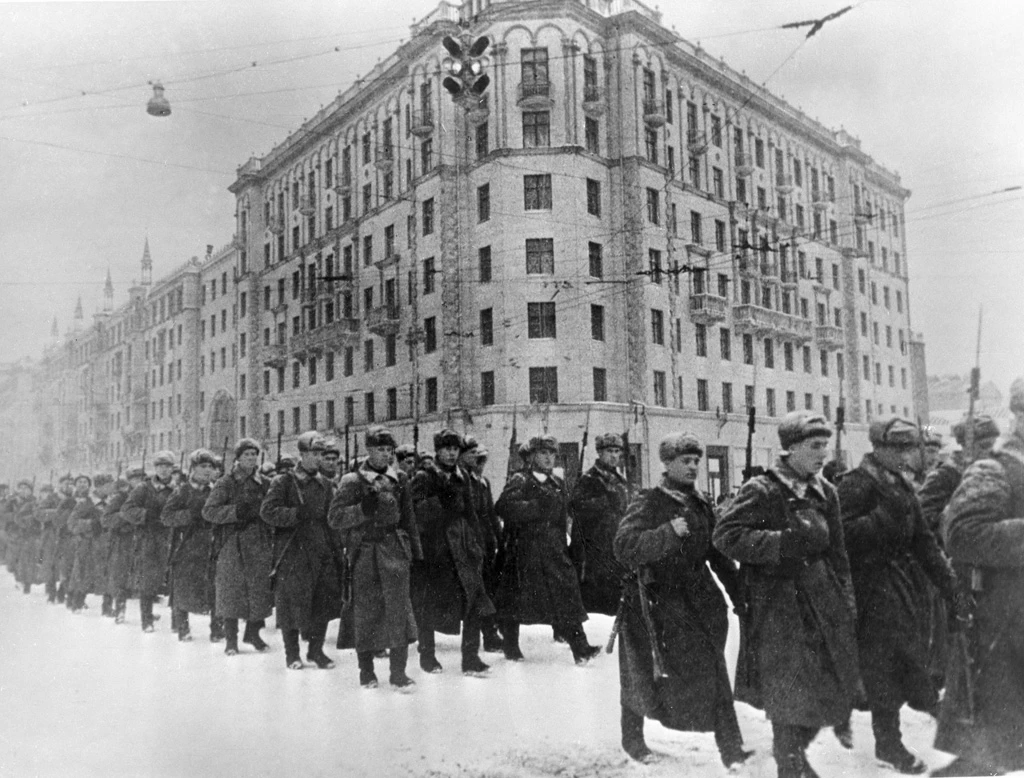
At the Gates of Moscow, in the November Frost
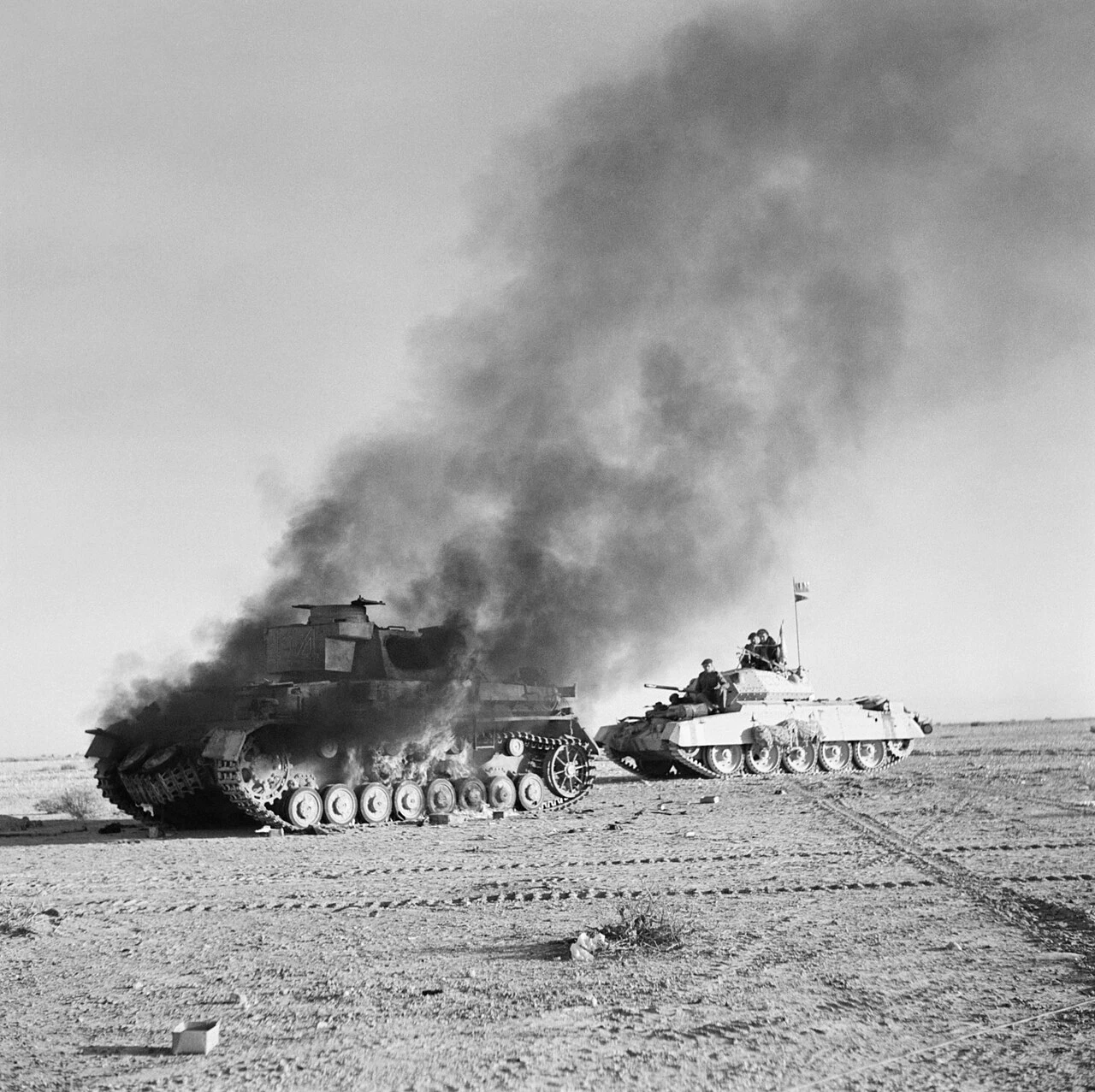
Crusader: The Generals' Doubt
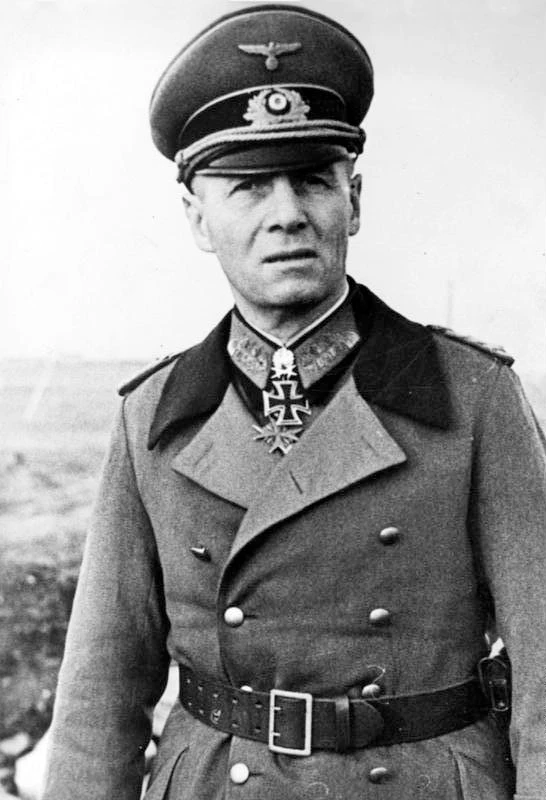
The dash to the wire: Rommel's gamble on the frontier
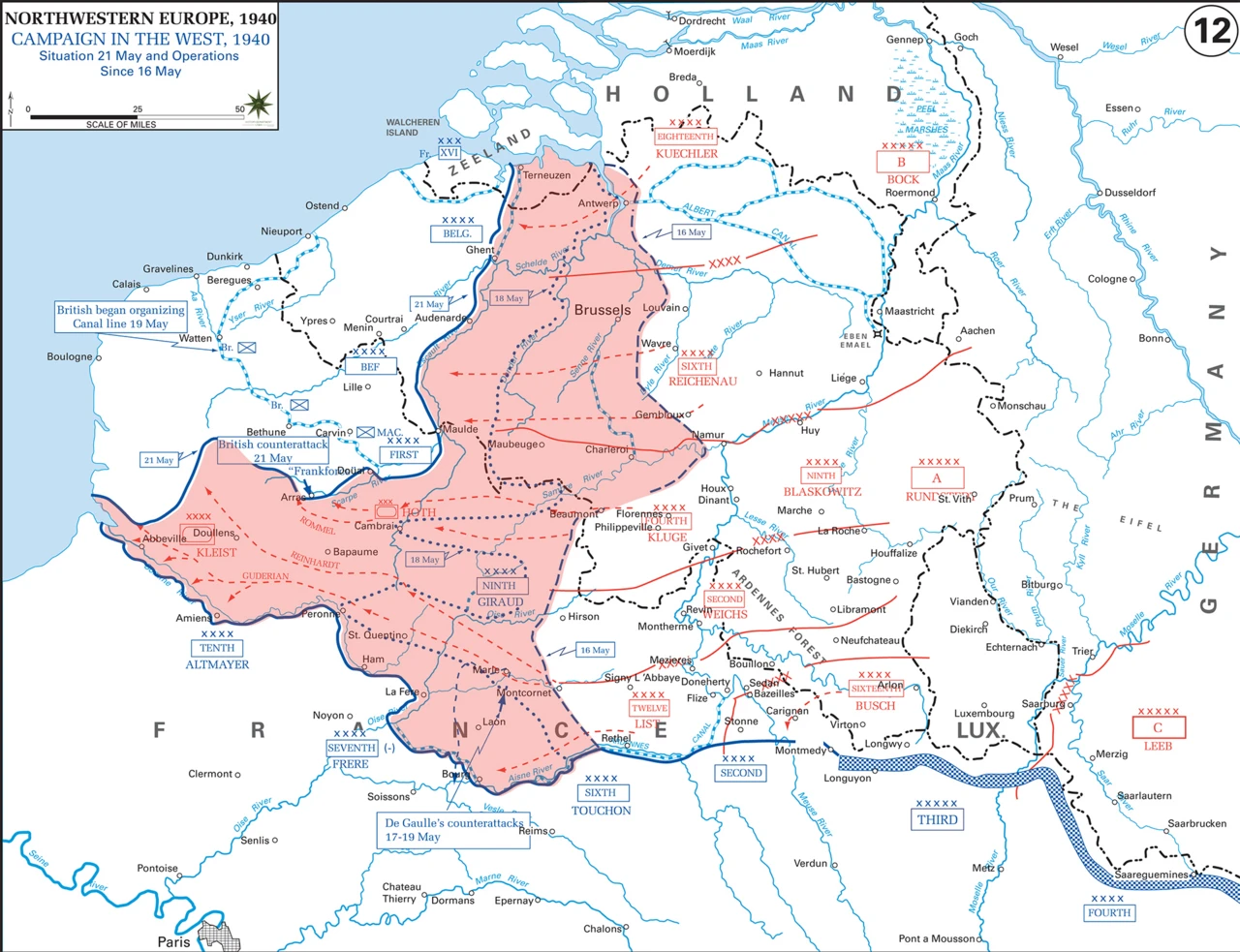
Arras — the Matildas against Rommel's flank

The Houx weir
Guderian before Tula, October 1941
The Mud, the Winter and the Road to Moscow
Lähde — Yakovlev against the Mannerheim bolt
Perekop: the Iron Gate of Crimea
Timoshenko at Summa — 11 February
At the Gates of Moscow, in the November Frost
Crusader: The Generals' Doubt
The dash to the wire: Rommel's gamble on the frontier
Arras — the Matildas against Rommel's flank