
In May 1940, the Wehrmacht sweeps across Belgium at high speed. Behind the front line, its rear areas stretch thin and remain poorly held: roads clogged with refugees, isolated soldiers, scattered units, suspected francs-tireurs (civilian snipers). The local command dreads above all a civilian firing on its troops — an obsession inherited from 1914, when the franc-tireur psychosis had already marked the German army in Belgium.
Two logics collide. That of rear-area security, which would intimidate the population pre-emptively to protect columns and depots. That of the law of war, codified at The Hague, which protects non-combatants and forbids punishing a community for an individual's act. Between these extremes lies a whole gradation of measures, from simple restrictions imposed on inhabitants to the harshest forms of pressure. And the local command, little supervised from above, enjoys considerable latitude.
Each path carries heavy consequences: the supposed effectiveness of terror against legality and military honour, the risk of striking the innocent against that of leaving one's rear vulnerable. The command must settle how it will hold the country it is crossing.
Should the German command take hostages and threaten reprisals, refrain from doing so, or confine itself to control measures?
In many cases, the command resorts to A: the Wehrmacht takes civilian hostages in May 1940, sometimes uses them as human shields and carries out reprisals on the suspicion of civilian gunfire. Where the franc-tireur psychosis peaks, this leads to massacres (Vinkt, 86 dead and more). The practice, inherited from the atrocities of 1914 (Dinant, Louvain), undermines the myth of a "clean Wehrmacht". Not all units engaged in it to the same degree, and the threat did not everywhere translate into executions; but the taking of hostages as an instrument of terror was part of German methods from the very start of the invasion, and would become systematic under the occupation (the hostage policy against the Resistance).
Learn more about this event
Related polls
10
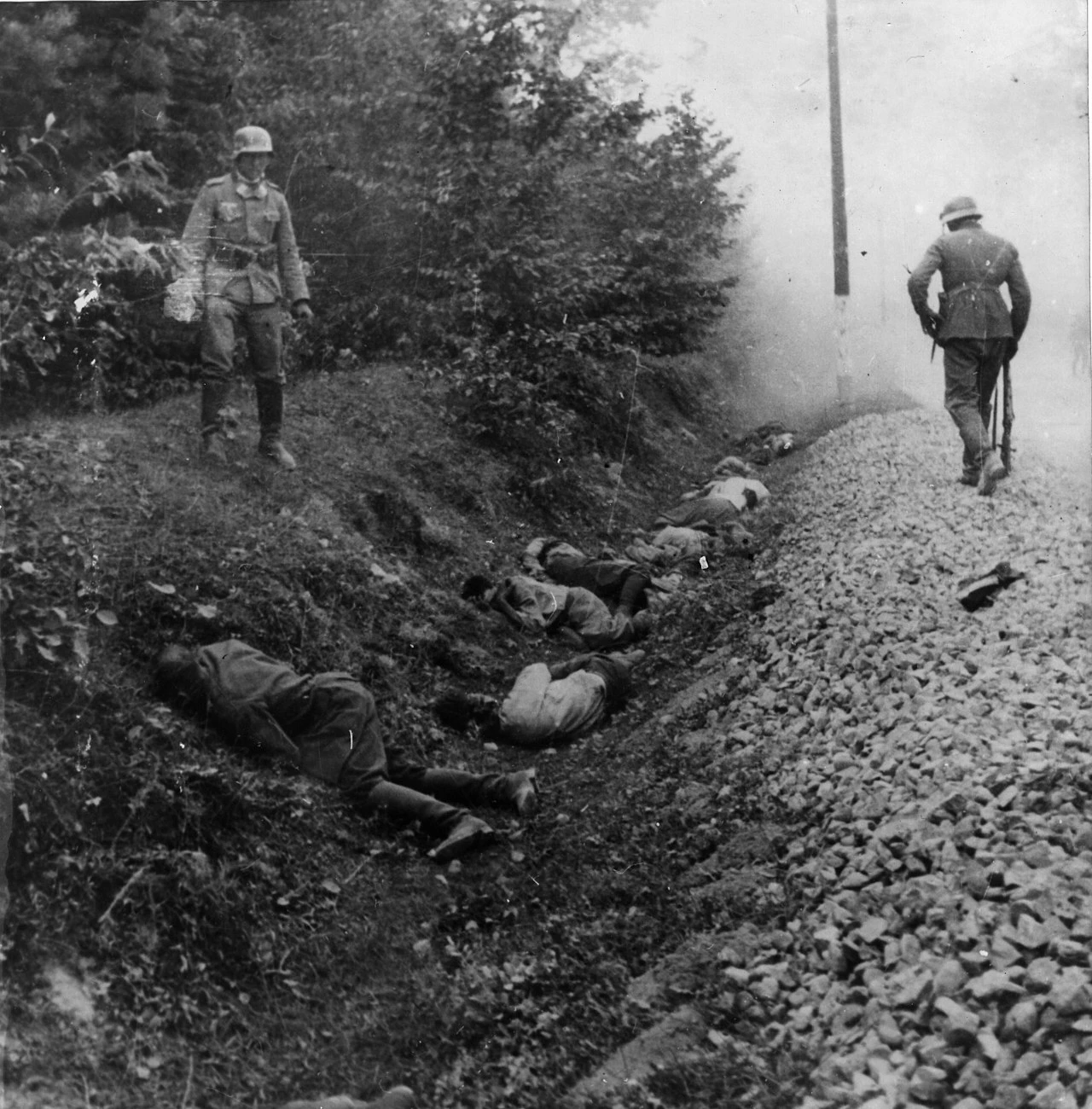
Vinkt — the suspicion of francs-tireurs
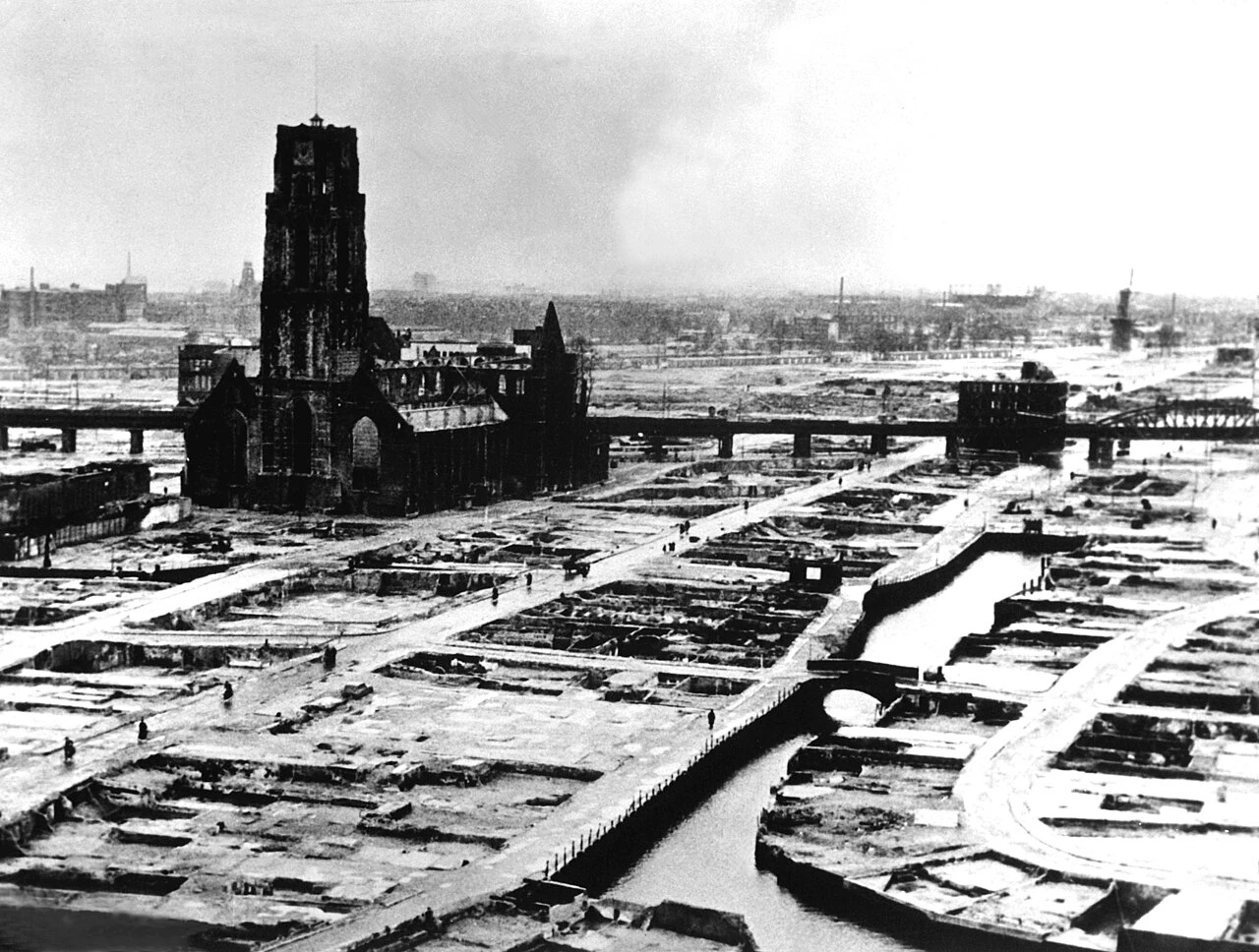
Rotterdam under the threat from the air
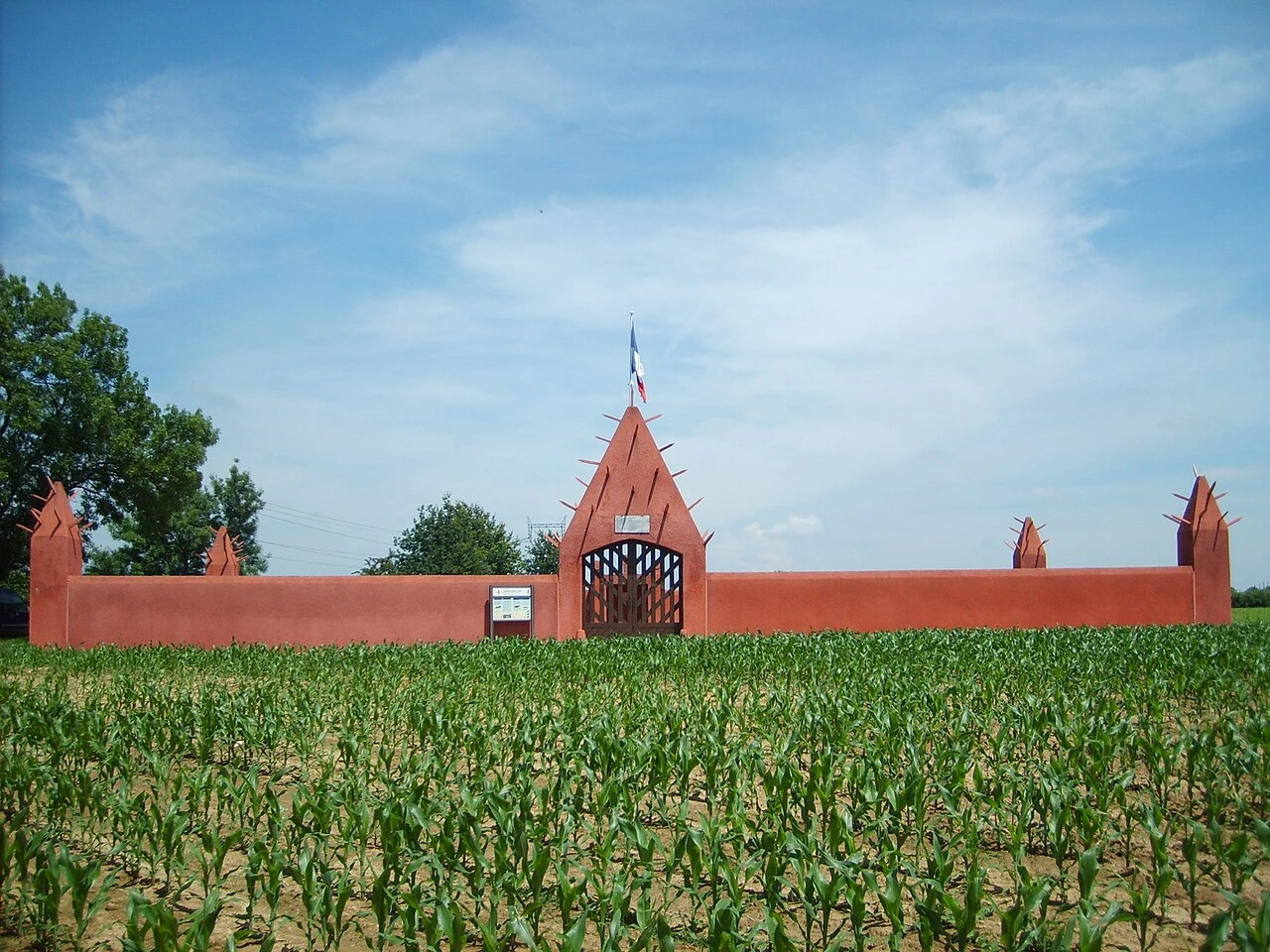
Chasselay — the captured tirailleurs
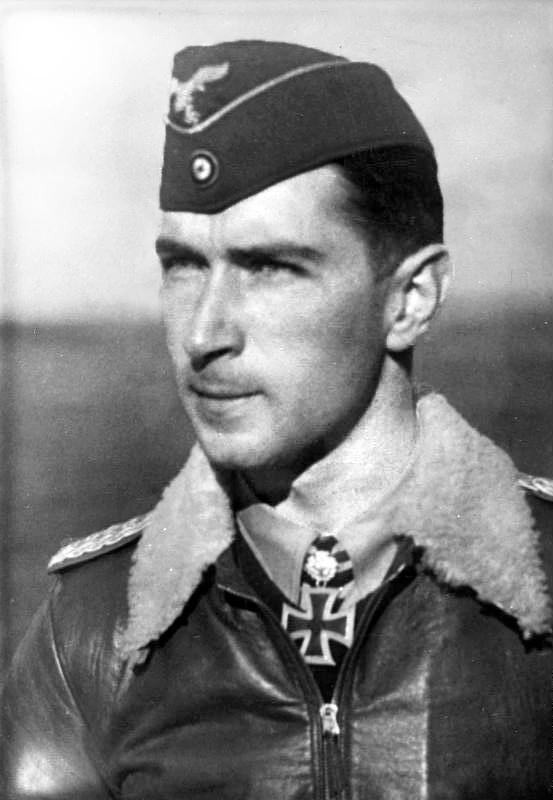
Mölders above the columns — 18 May
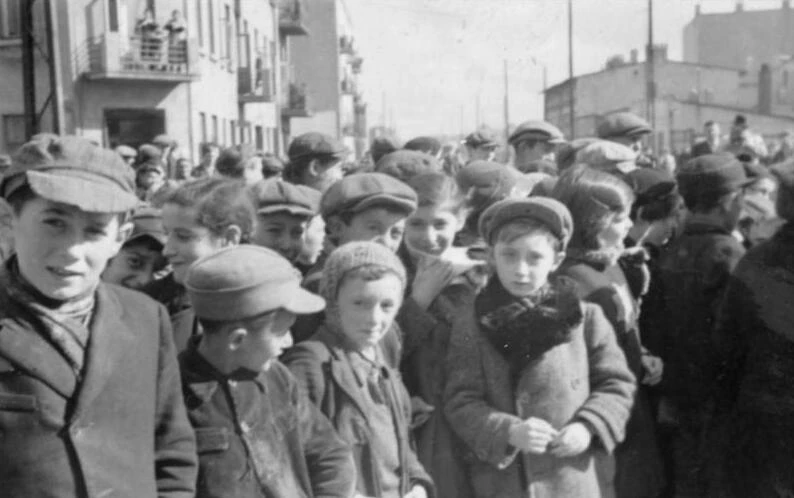
Lodz — sealing the ghetto
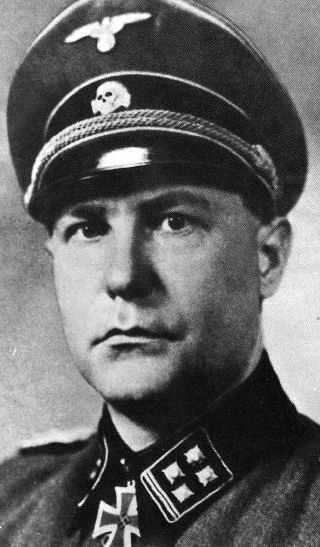
Le Paradis — the barn at Cornet-Malo

The Plunder of Art
Wormhoudt — the 7th company SS-LAH
The Houx weir
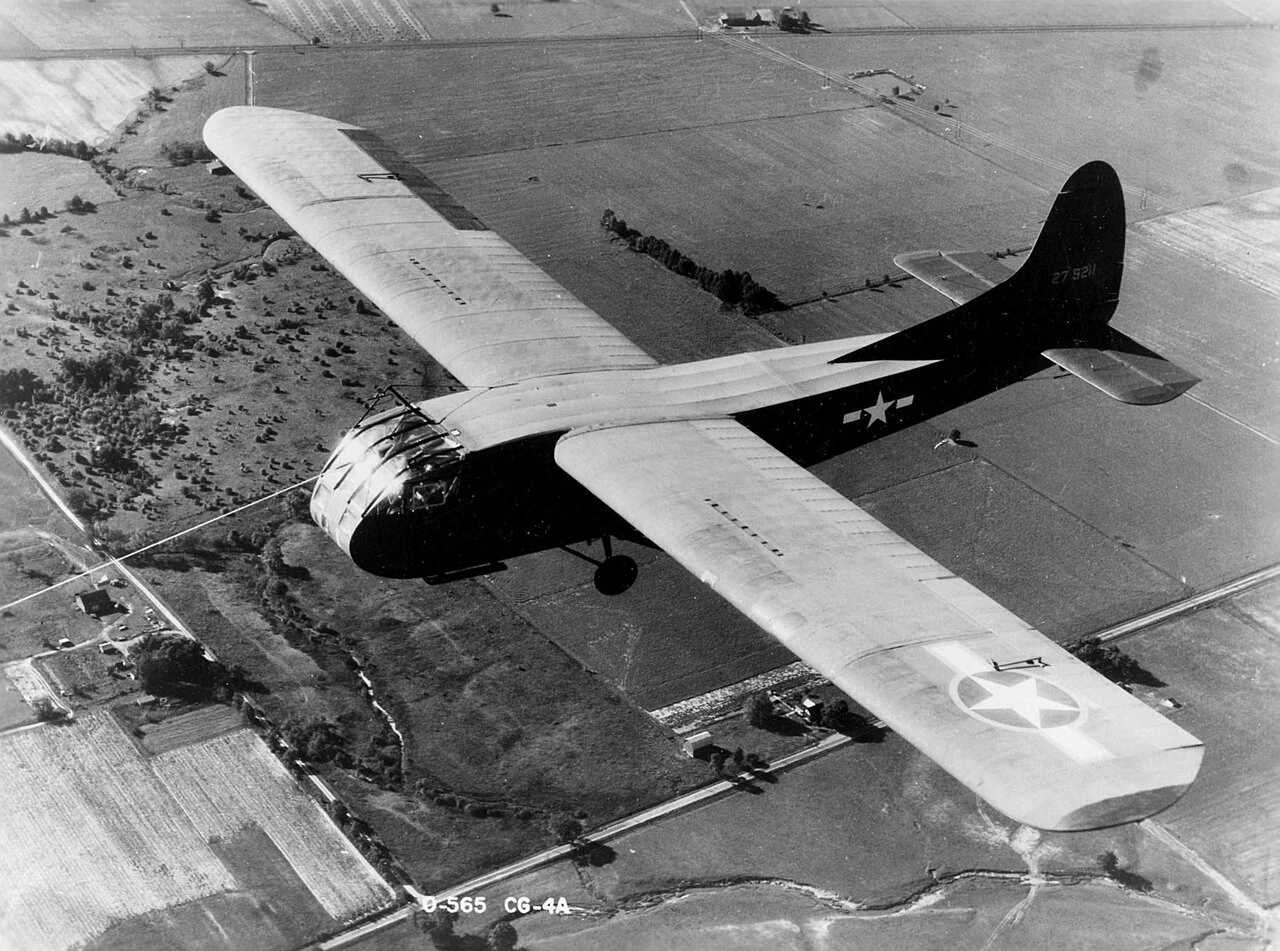
The coup de main on Ében-Émael
Vinkt — the suspicion of francs-tireurs
Rotterdam under the threat from the air
Chasselay — the captured tirailleurs
Mölders above the columns — 18 May
Lodz — sealing the ghetto
Le Paradis — the barn at Cornet-Malo
The Plunder of Art
Wormhoudt — the 7th company SS-LAH
The Houx weir