
In 1941, the German armaments industry depends on wolfram (tungsten ore), essential for hard steels and cutting tools. Spain and neighbouring Portugal hold the main accessible deposits in Western Europe, and the Allies are conducting so-called 'preclusive' purchases to dry up the market and deny the Reich the resource.
In Madrid, Ambassador , in post since the civil war, must organise the supply effort against this economic warfare. Franco, indebted to German aid yet anxious to humour London and Washington, lets the market run its course.
Buy at the going rate, outbid massively to crowd out the Allied buyers, or demand the ore as settlement of the civil war debts: the choice decides the Reich's access to a strategic metal.
How should Germany secure the Spanish wolfram that the Allies are also racing to snap up?
Germany embarked on wolfram purchases at ever-higher prices to win out over the Allied price war, fuelling a speculative bubble: Spain's tungsten export earnings rose from around 73,000 pounds sterling in 1940 to over 15 million in 1943. Spain remained officially non-belligerent while delivering this vital ore to the Axis, until American pressure pushed it to ration the metal in late 1943 (the 'wolfram crisis').
Learn more about this event
Related polls
10
Harriman in Moscow, Face to Face with Stalin
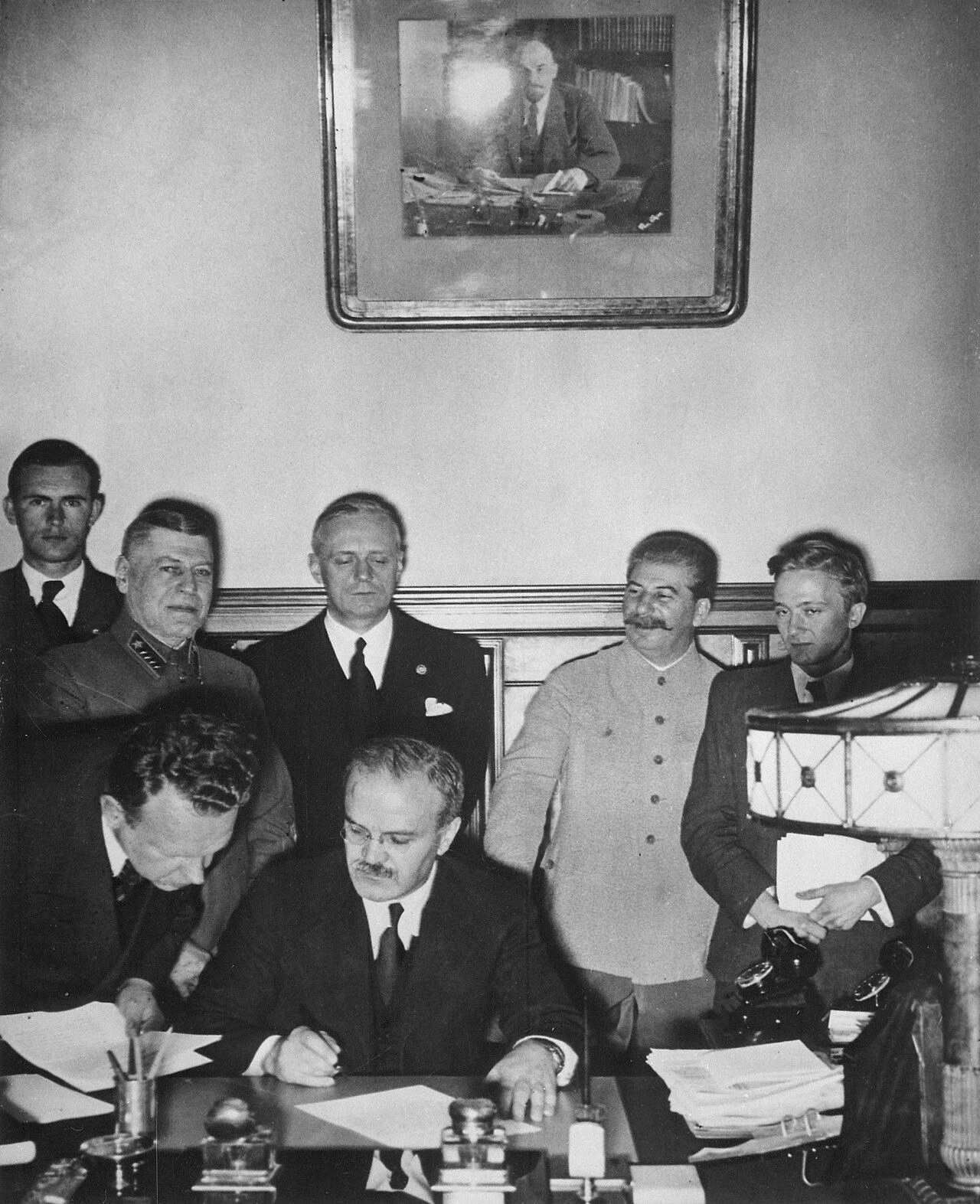
Schnurre in Moscow — the Commercial Agreement
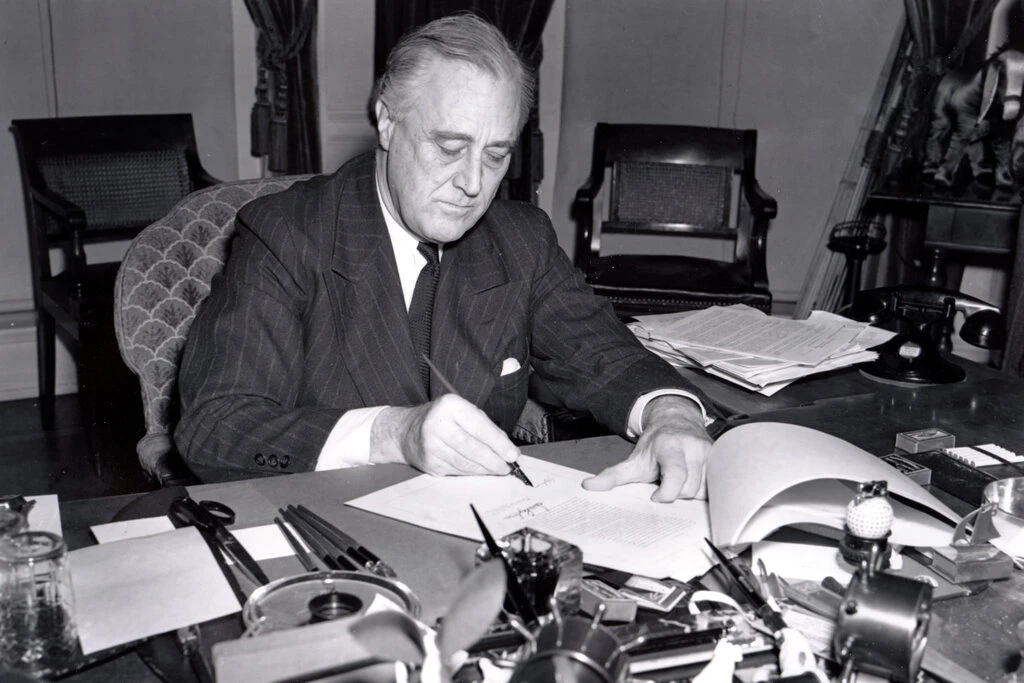
Washington, March 1941: Arming Without Entering the War
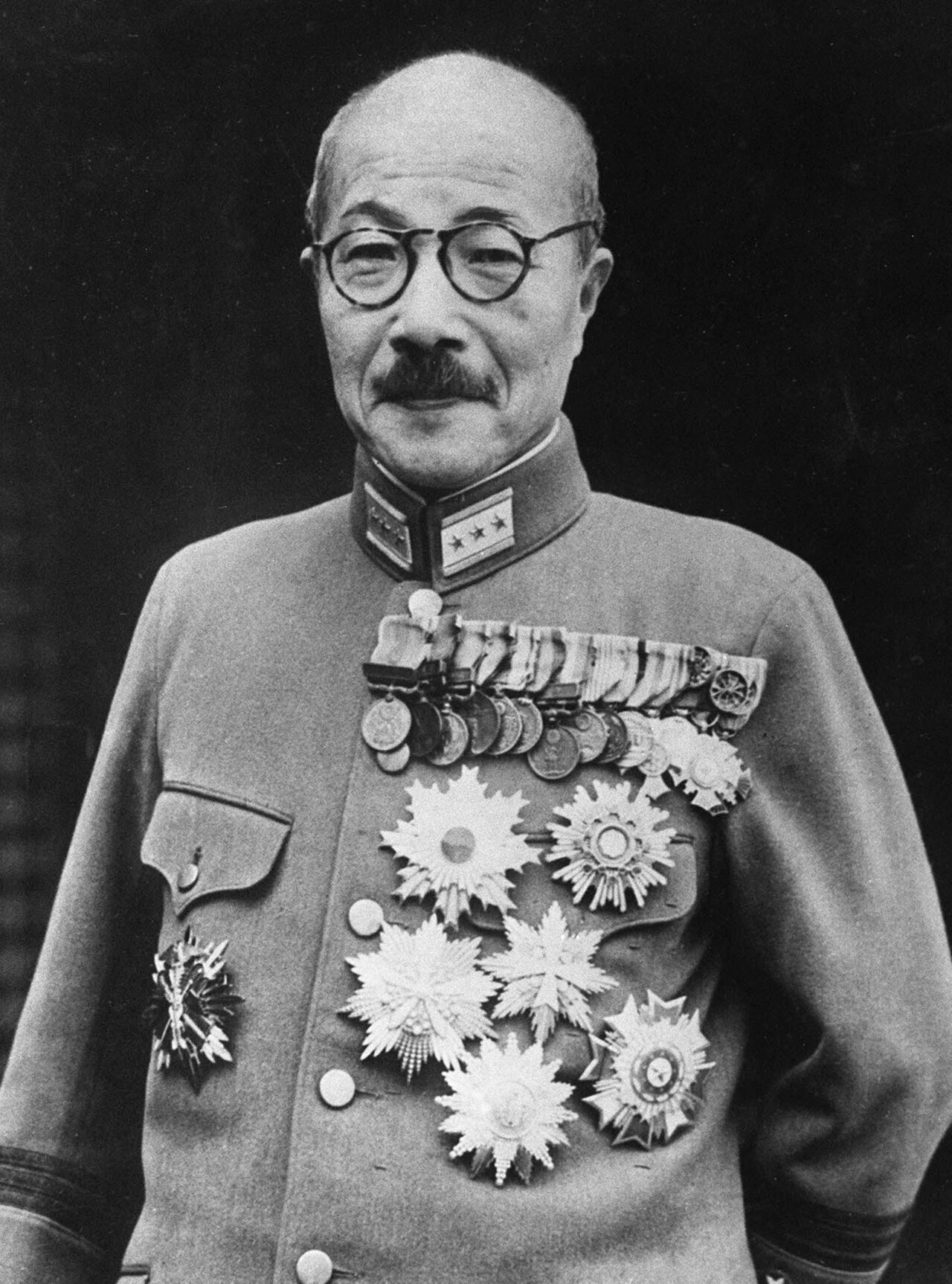
Japan and the Southern Resource Zone
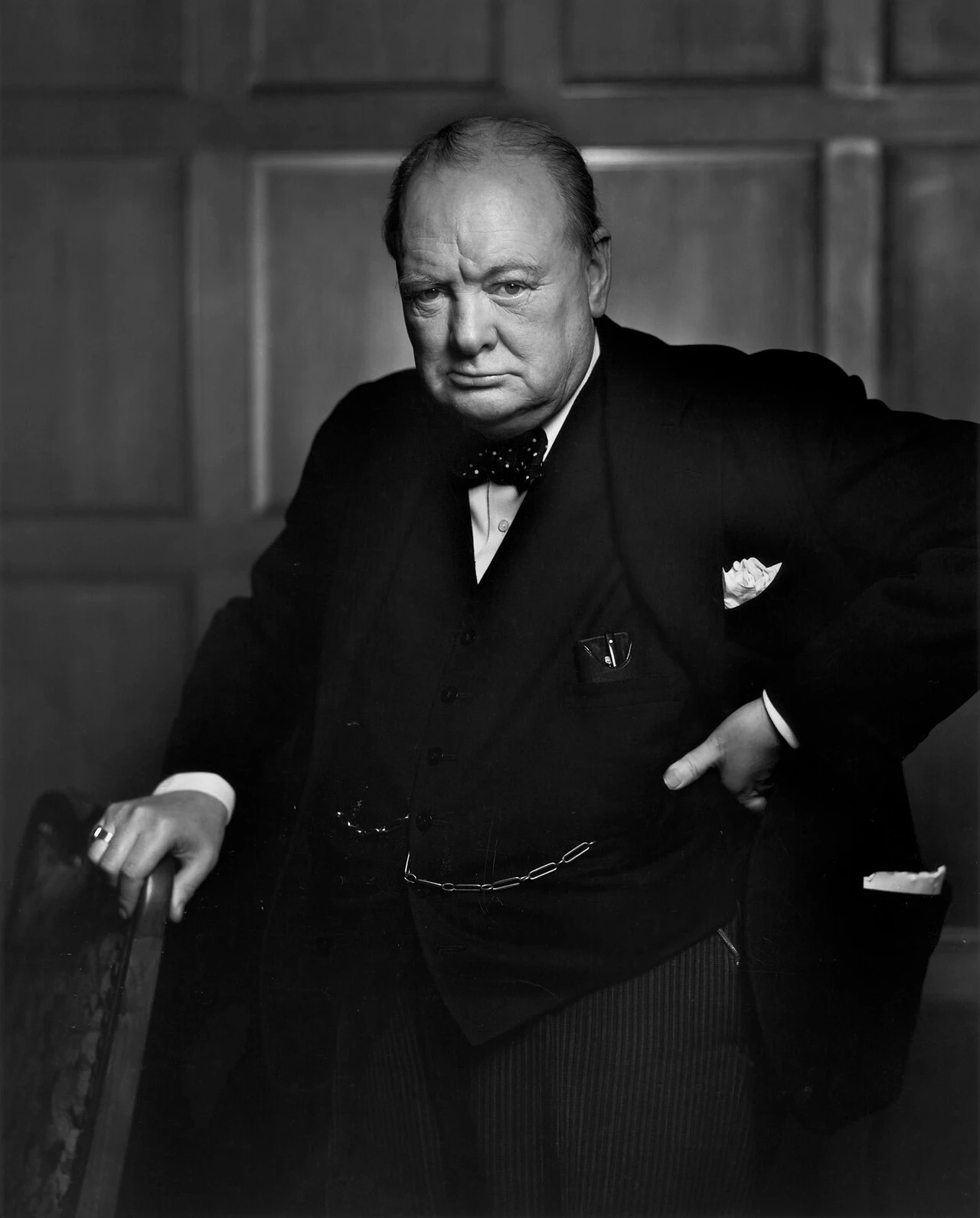
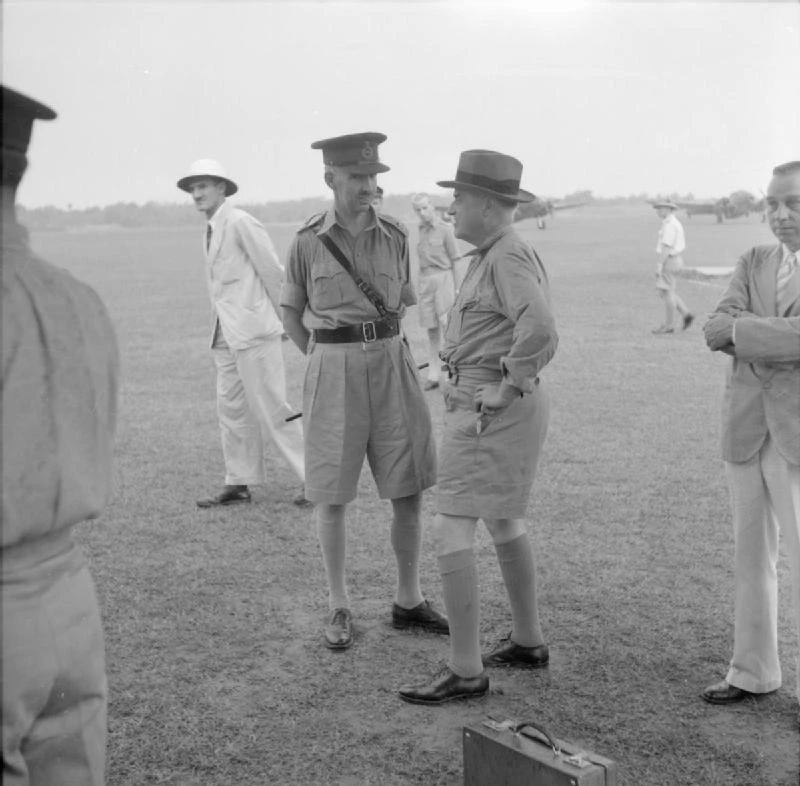
Auchinleck replaces Wavell
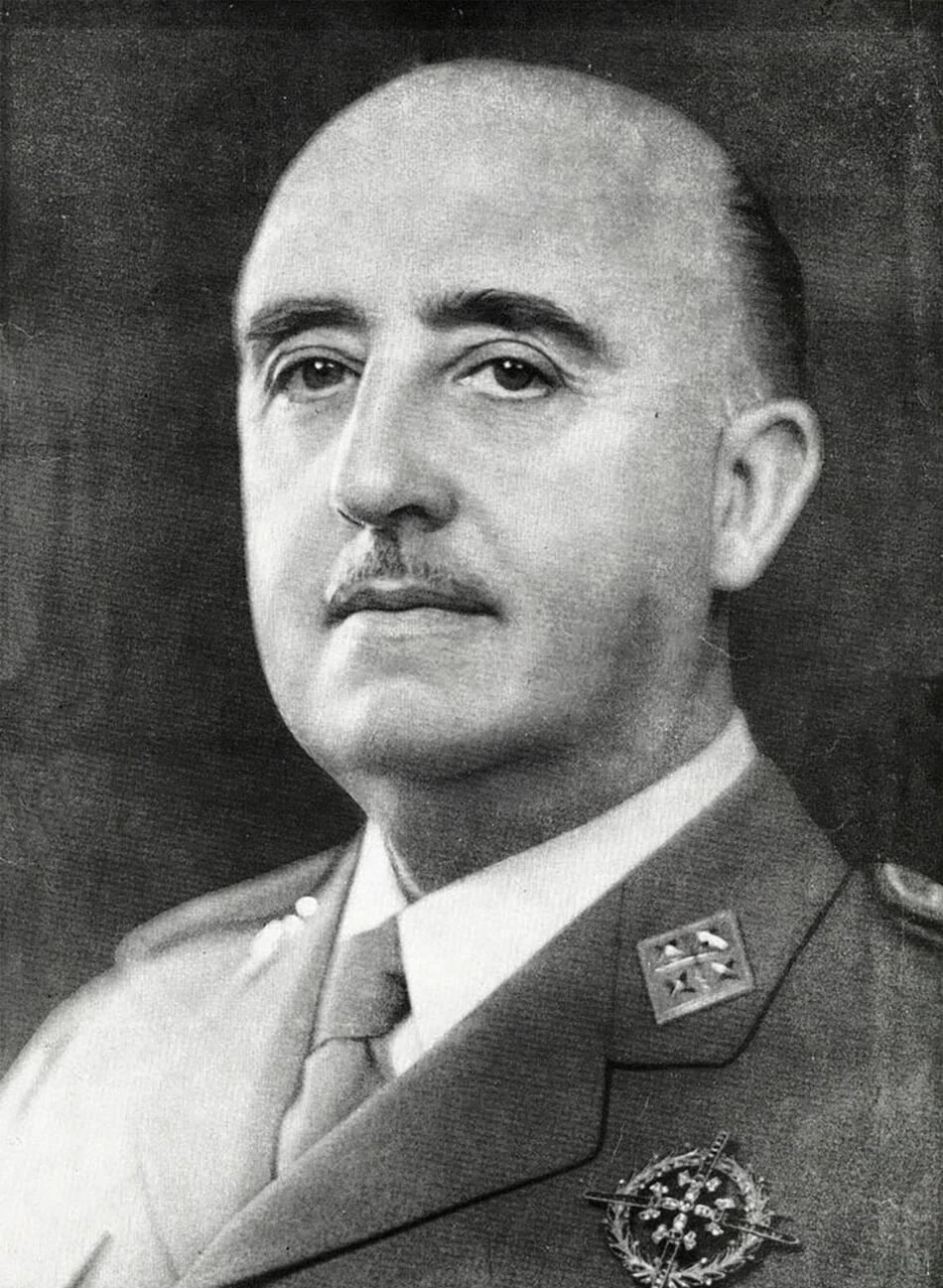
The key to the Mediterranean and a hesitant ally
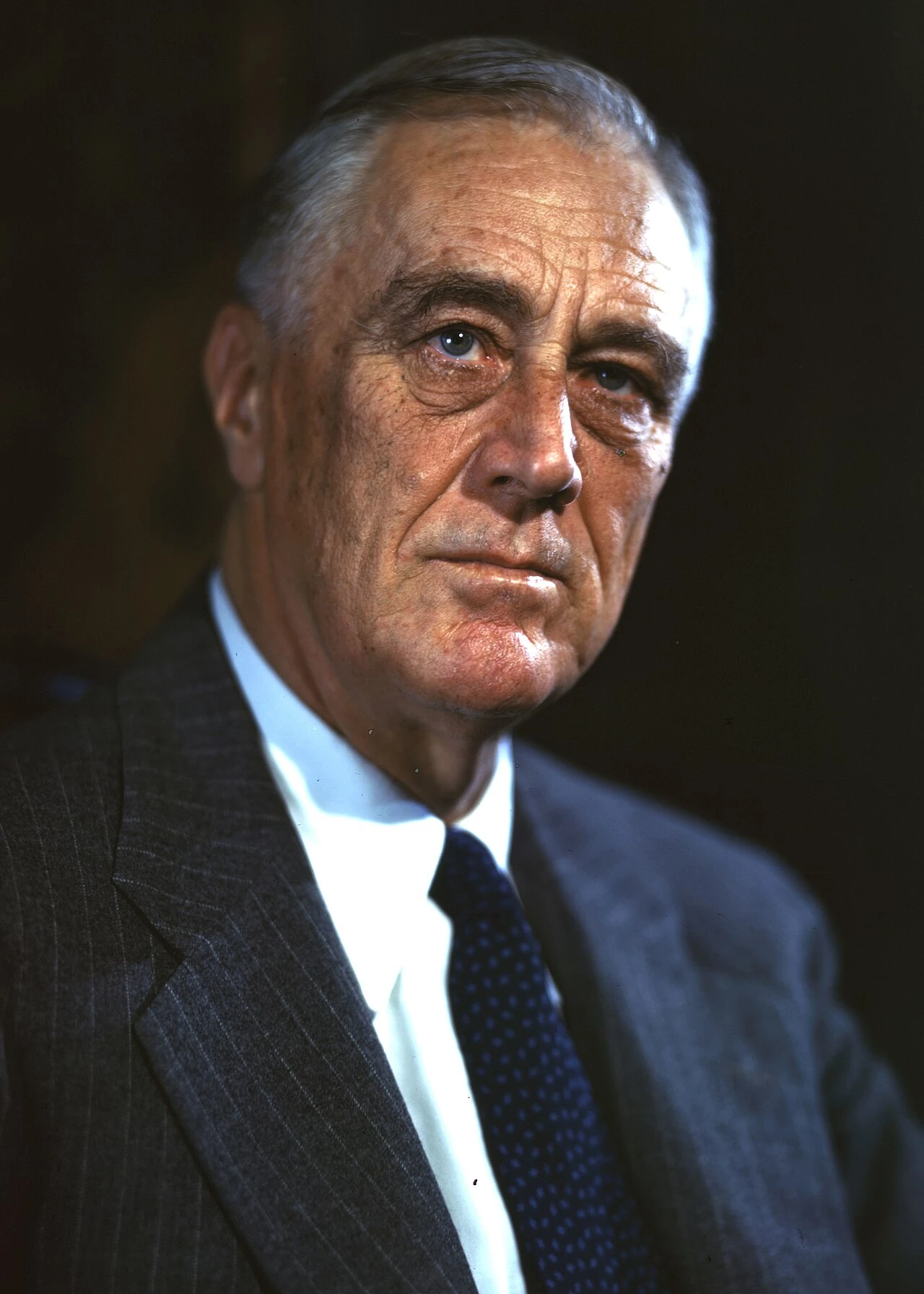
The United States lands in Iceland
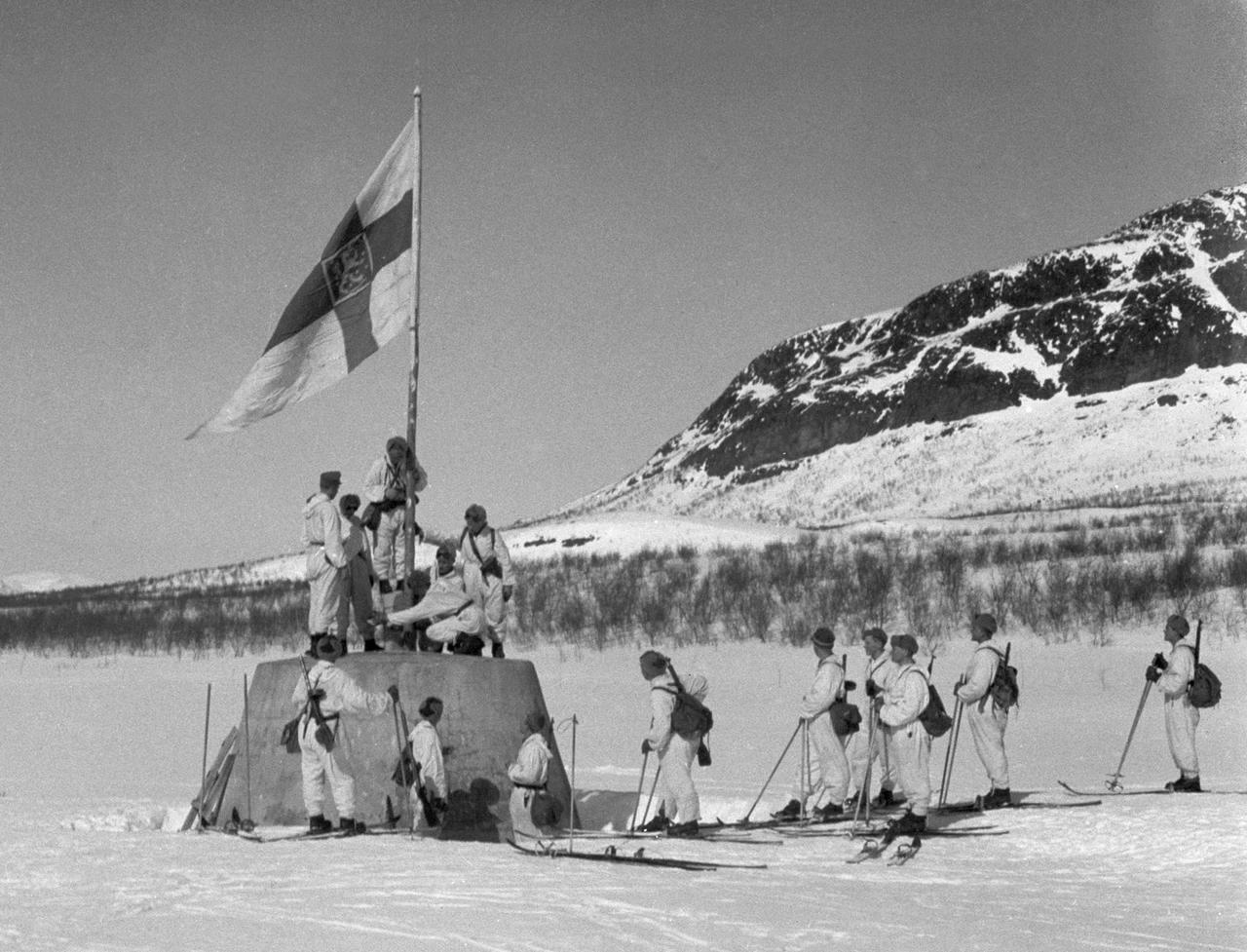
Finland after the Bombs — 25 June 1941
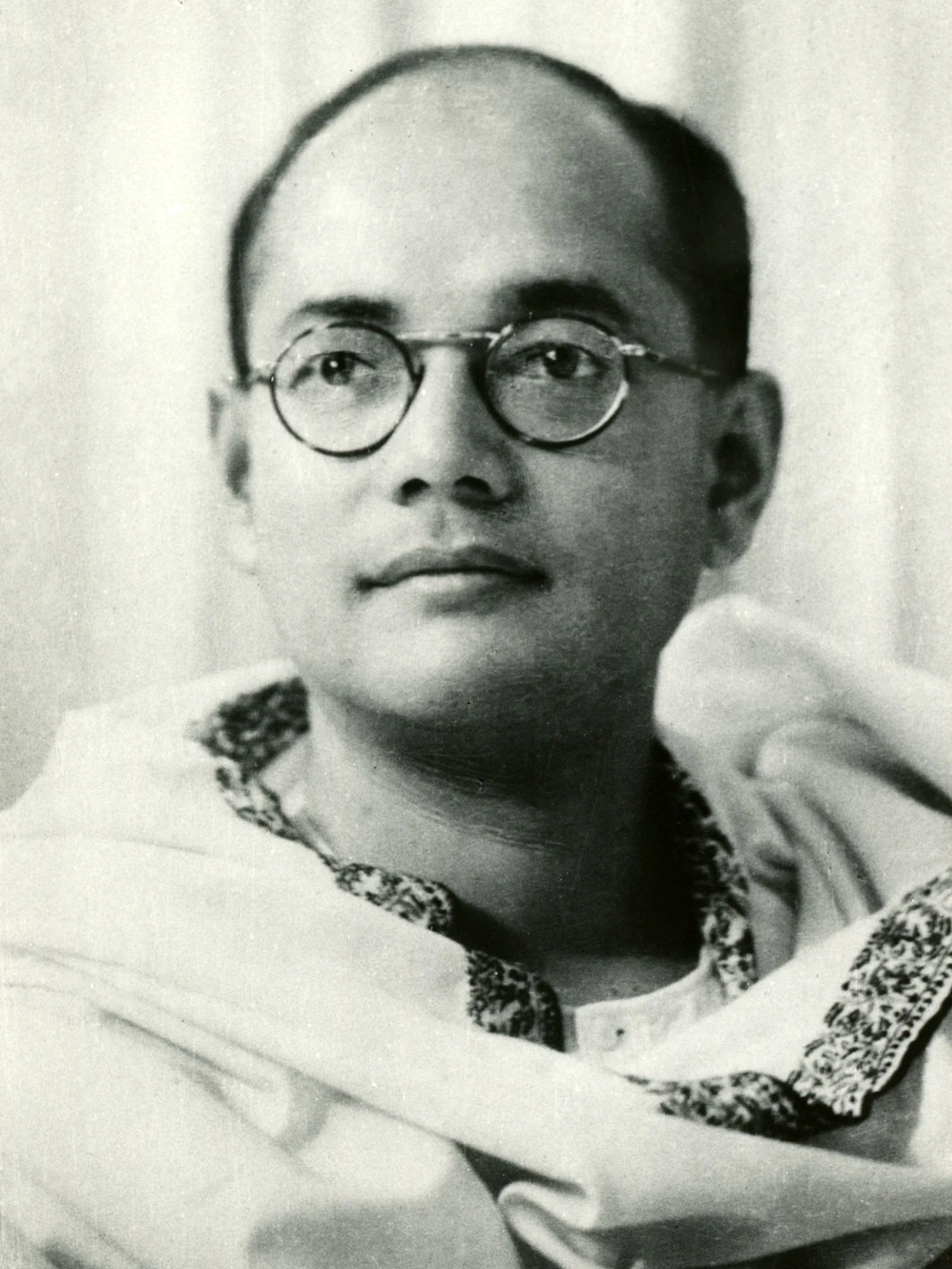
The Indische Legion — Subhas Chandra Bose in Berlin
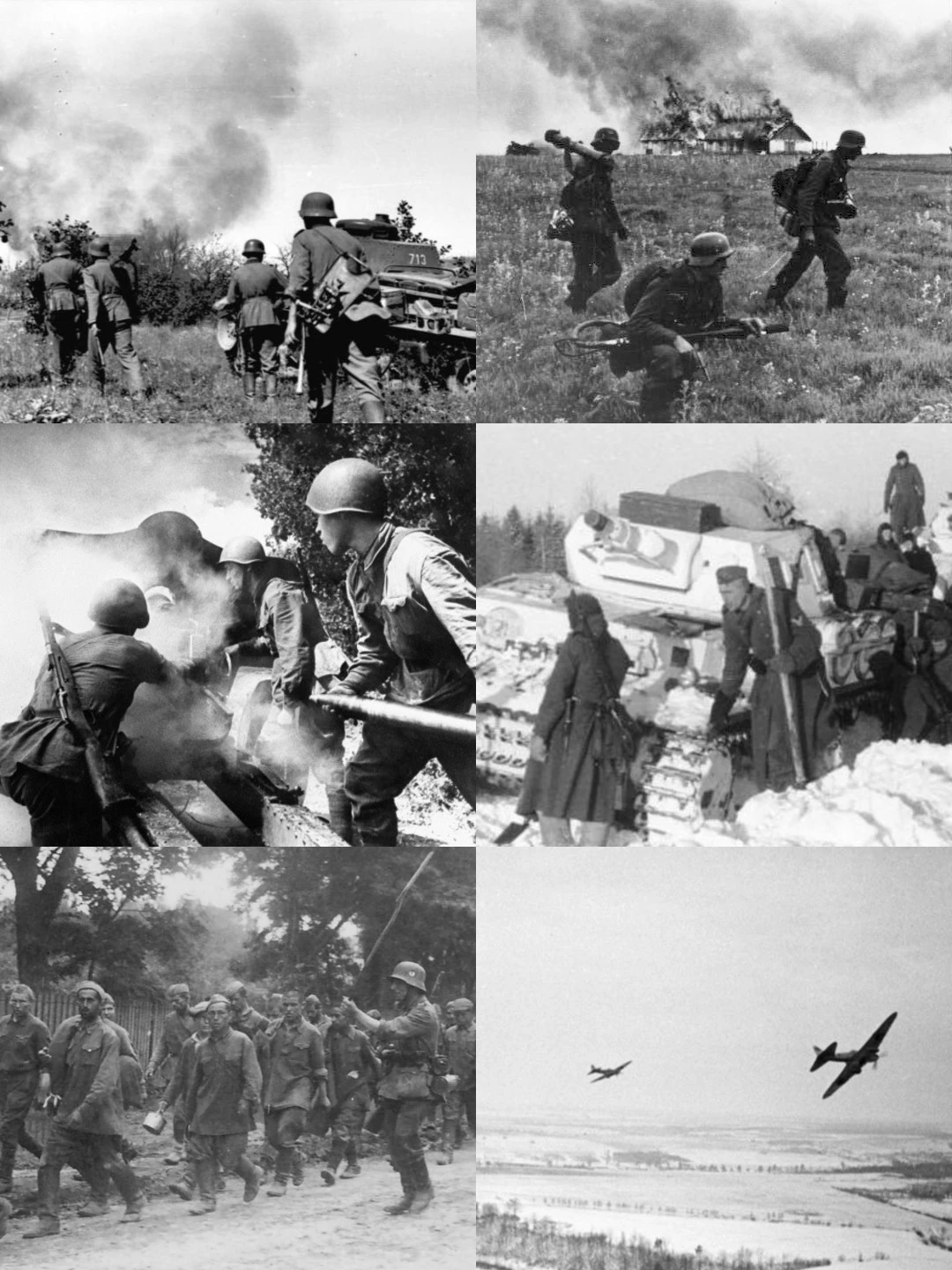
The Soviet schoolteacher facing the German advance
Harriman in Moscow, Face to Face with Stalin
Schnurre in Moscow — the Commercial Agreement
Washington, March 1941: Arming Without Entering the War
Japan and the Southern Resource Zone
Auchinleck replaces Wavell
The key to the Mediterranean and a hesitant ally
The United States lands in Iceland
Finland after the Bombs — 25 June 1941
The Indische Legion — Subhas Chandra Bose in Berlin