
Brody-Dubno — the great tank battle
In Ukraine, General commands the , the most powerful Soviet armoured force. On paper, he enjoys an overwhelming superiority in tanks — thousands of armoured vehicles, including the formidable modern T-34s and KV-1s, against von Kleist's Panzers. It is the 's chief asset in the first days of Barbarossa.
But the reality is crushing: the Soviet mechanized corps are dispersed, short of fuel, ammunition and spare parts, without air support (the Luftwaffe dominates the sky) or reliable communications. Moscow, through Directive No. 3, demands immediate counter-offensives to throw the invader back beyond the frontier. The crews, barely trained on new tanks, often have no idea of the enemy's exact position, and orders change from hour to hour.
Kirponos must decide how to employ his armour: launch immediately a vast concentrated counter-offensive as Moscow orders, despite the logistical chaos; on the contrary regroup it to the rear to fight a coordinated defensive battle; or husband it in withdrawal to preserve its potential. One of the greatest tank battles in history is about to be fought in the Dubno-Lutsk-Brody triangle.
How should Kirponos employ his armoured corps against the German breakthrough?
Kirponos applies A, under pressure from Moscow and from Zhukov, who has come in person. From 23 to 30 June, his mechanized corps throw themselves into a disorderly counter-offensive around Dubno and Brody. Despite numerical superiority and the quality of the T-34s and KV-1s, the lack of coordination, fuel and air cover turns to disaster: the Soviet armour attacks piecemeal, is destroyed in detail by German artillery and aircraft or abandoned after breaking down. The loses the bulk of its tanks in a week. The battle nevertheless delays the German advance toward Kiev and reveals that the new Soviet tanks, well employed, will be formidable. Kirponos himself will perish in September in the encirclement of Kiev.
Learn more about this event
Related polls
10
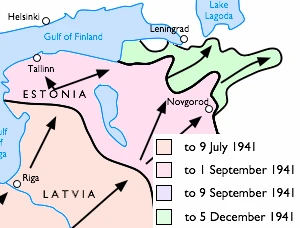
Barbarossa — 3:15 a.m.
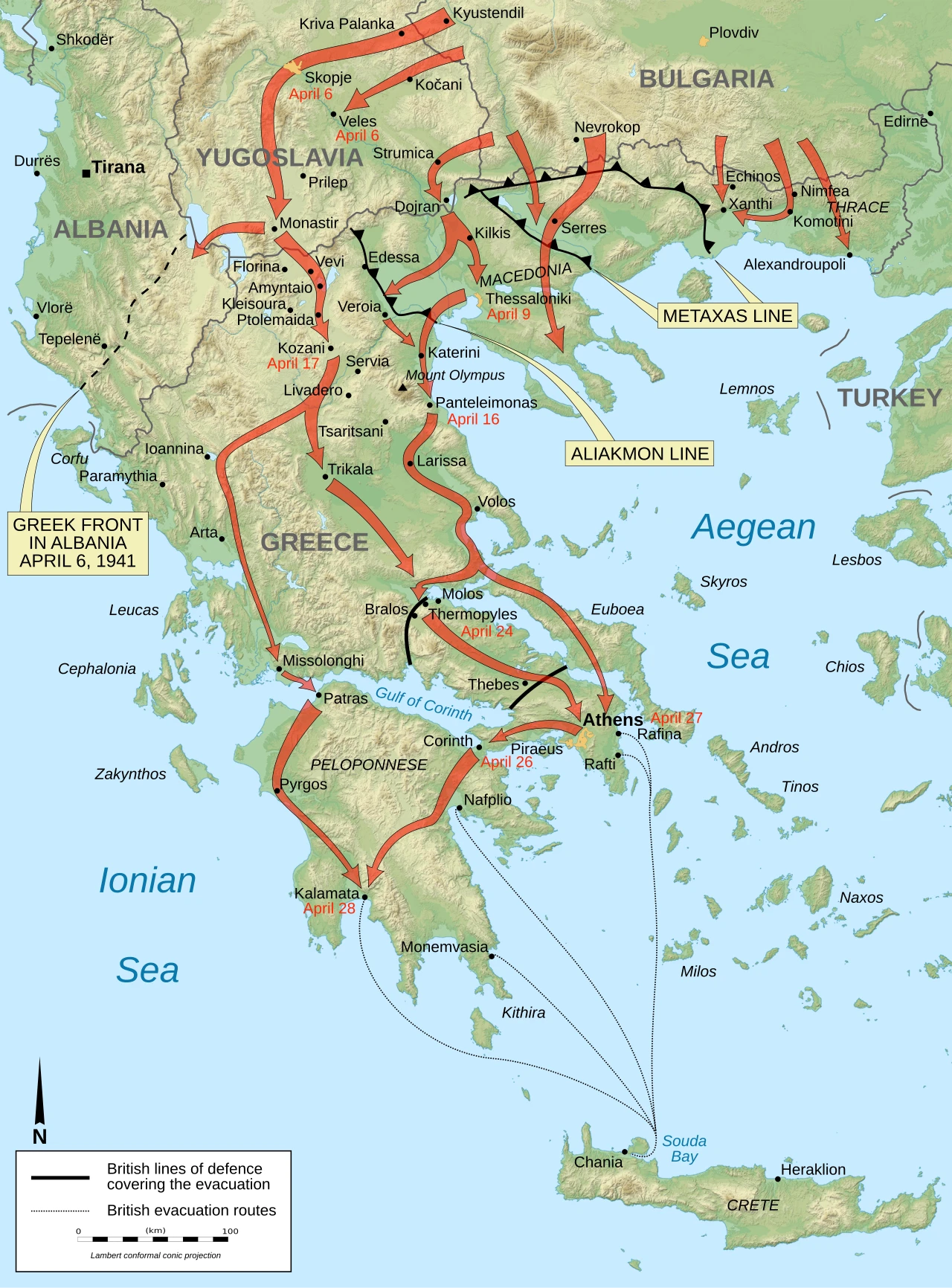
The Greeks at the Klisura Pass
'Fortresses do not surrender'
The abatis of the Chasseurs Ardennais
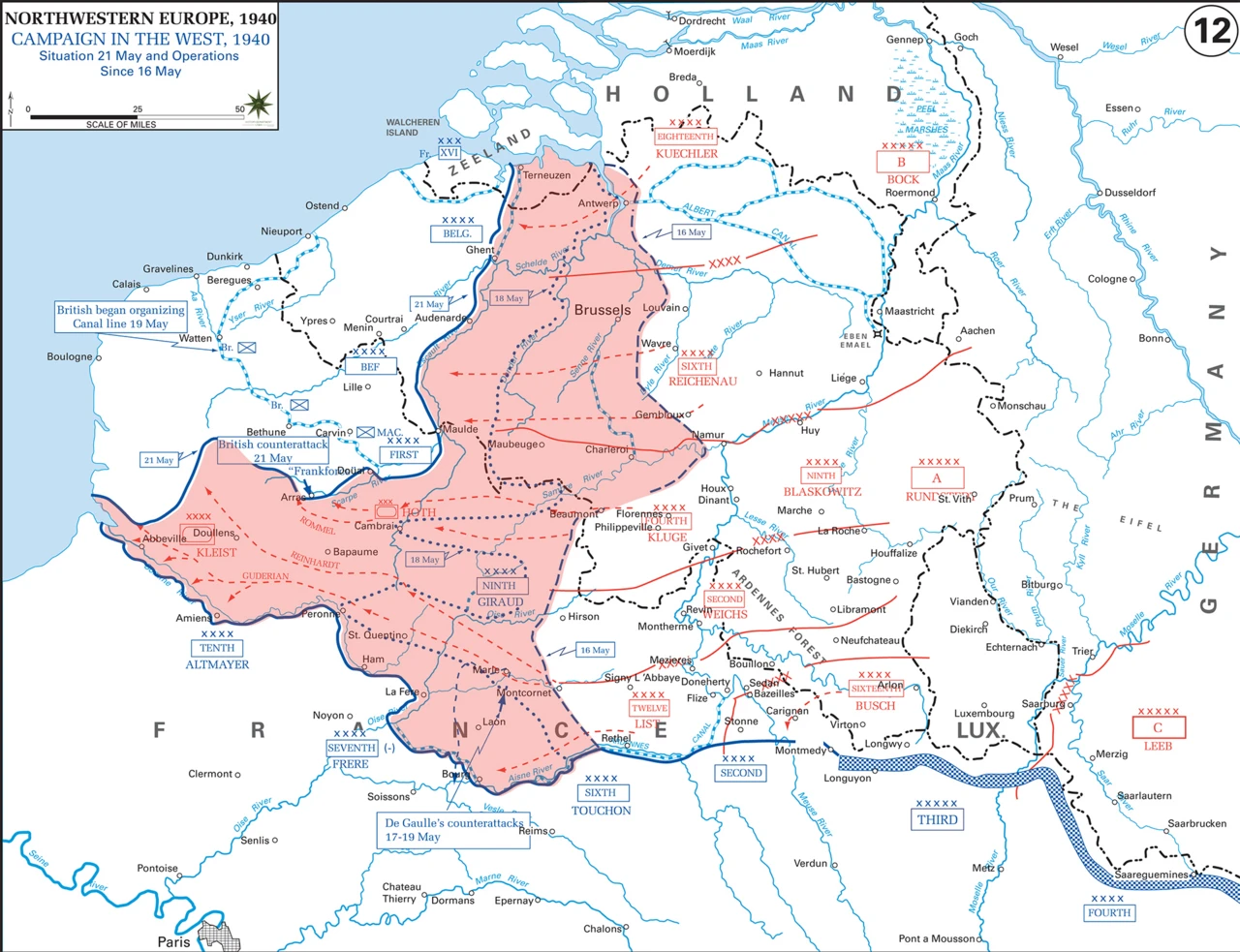
Arras — the Matildas against Rommel's flank
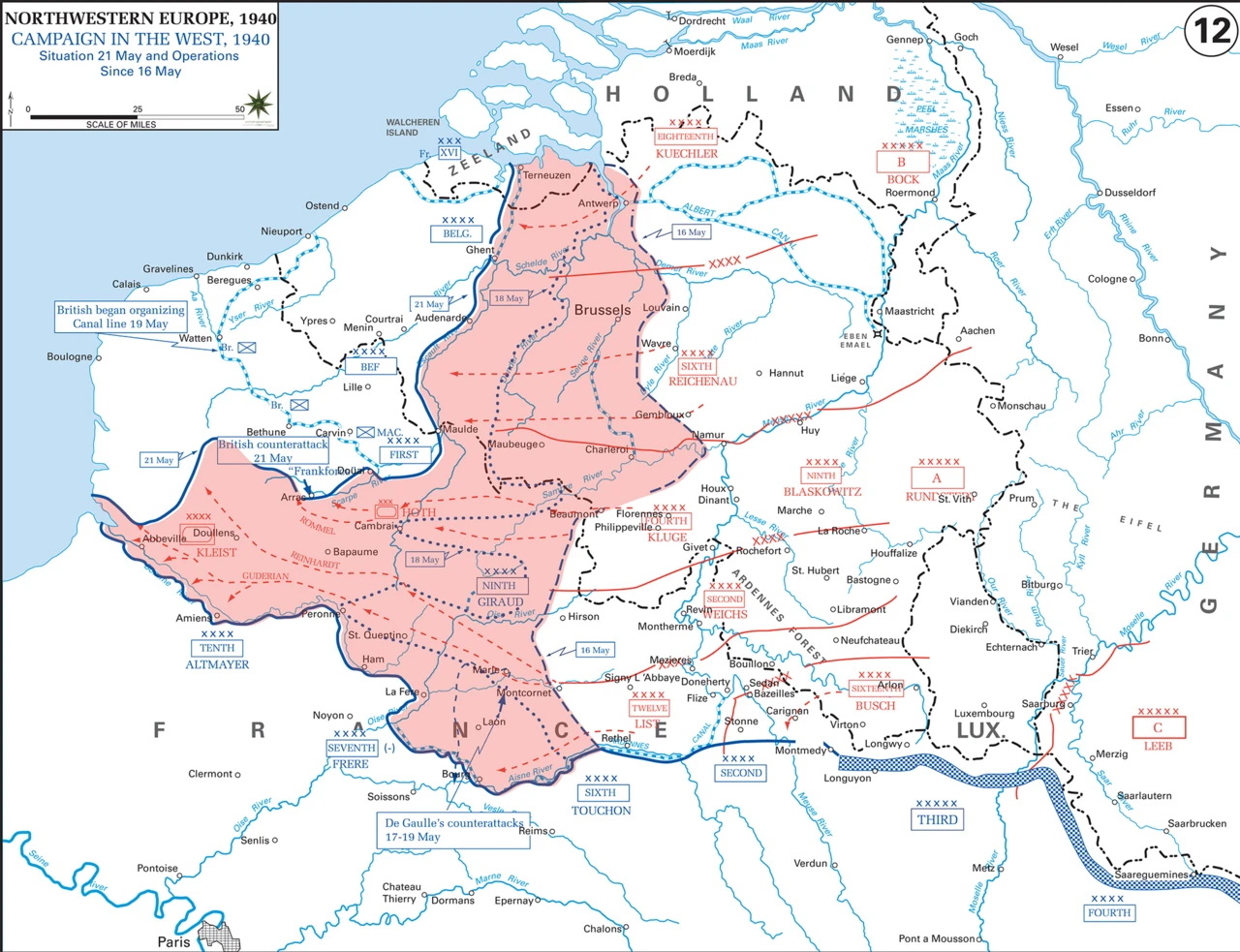
The tank battle of Hannut
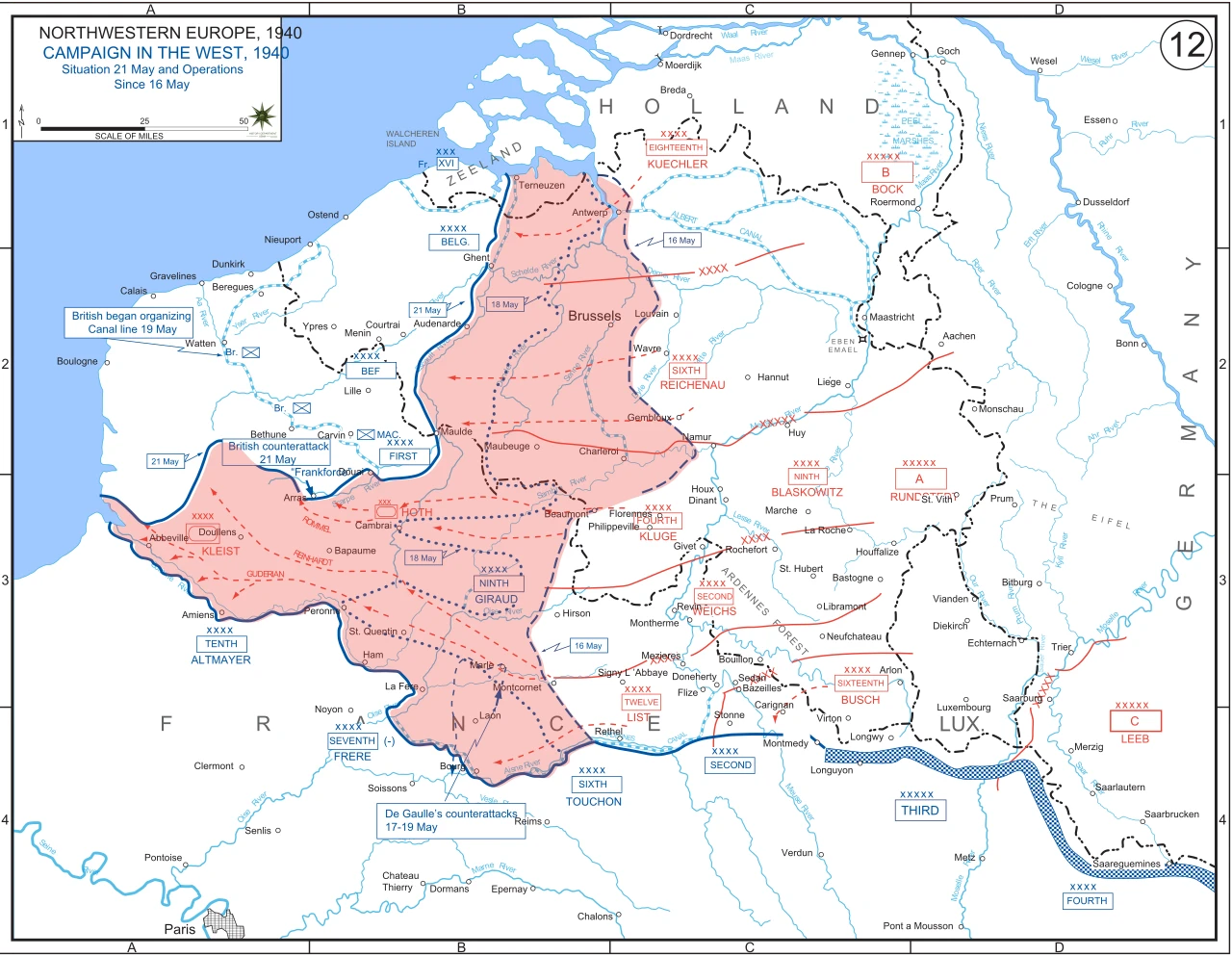
The Battle of the Lys
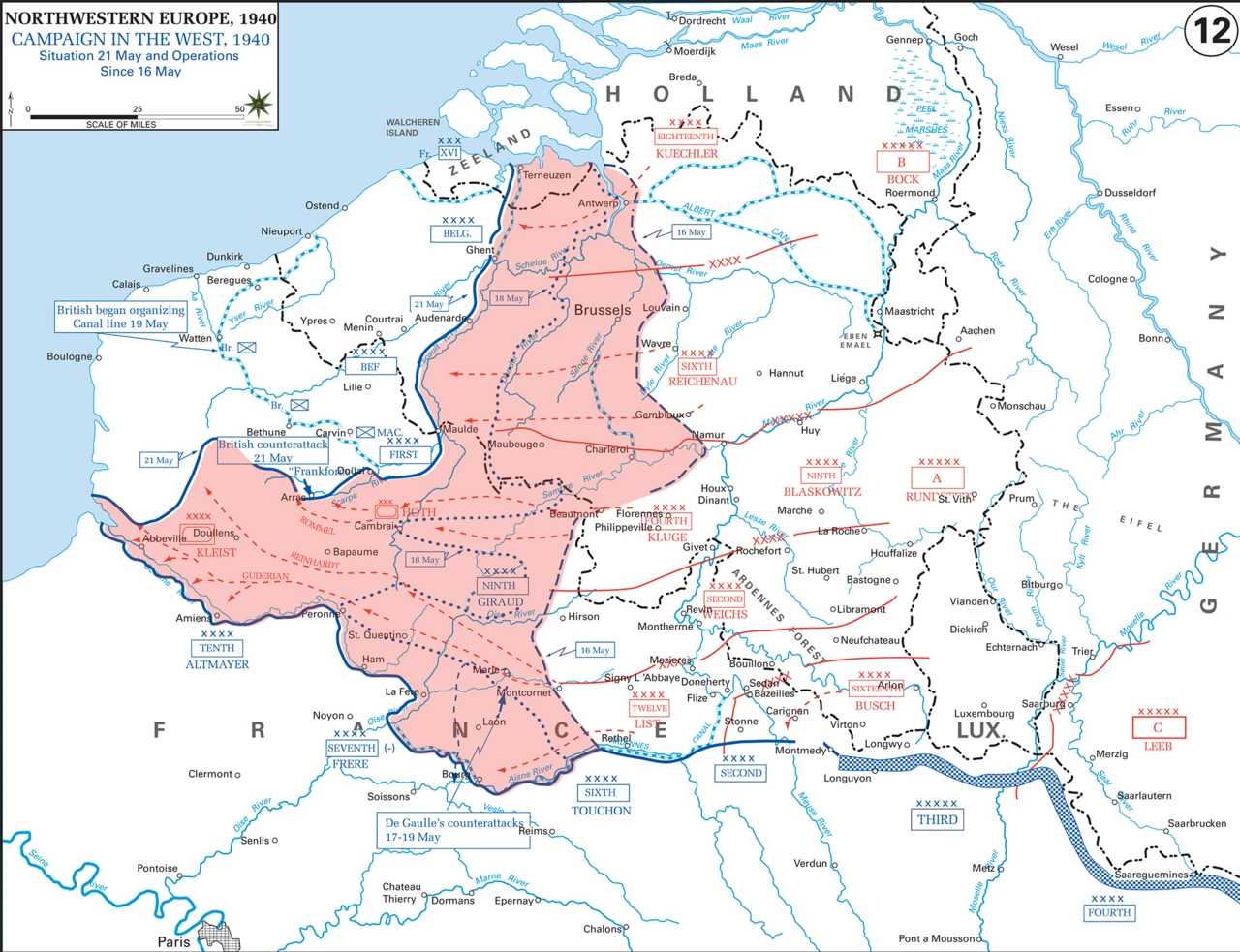
Boulogne — Fox-Pitt and the Guards facing the port
Brześć — Plisowski faces Guderian
Bulson — Lafontaine and the 02:00 rumour
Barbarossa — 3:15 a.m.
The Greeks at the Klisura Pass
'Fortresses do not surrender'
The abatis of the Chasseurs Ardennais
Arras — the Matildas against Rommel's flank
The tank battle of Hannut
The Battle of the Lys
Boulogne — Fox-Pitt and the Guards facing the port
Brześć — Plisowski faces Guderian