
The Regia Marina against Force H — Cape Spartivento
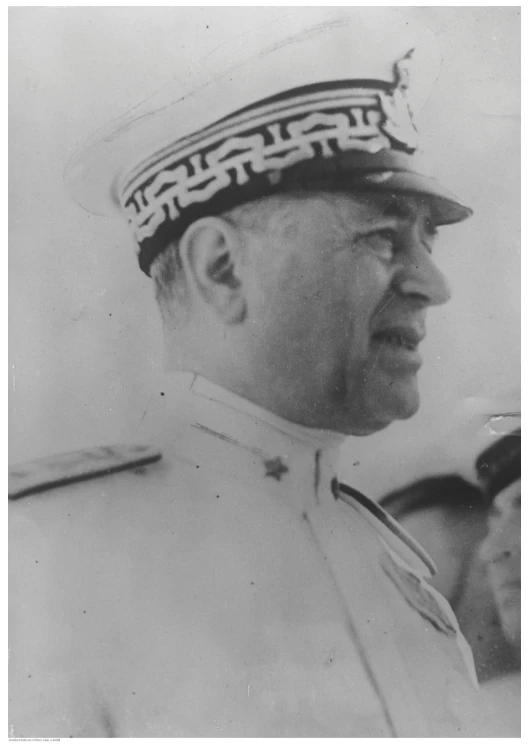
Admiral commands the battle squadron of the Regia Marina, the spearhead of Mussolini's navy in the Mediterranean. A career sailor, he carries on his shoulders a cautious doctrine inherited from the naval staff: the fleet is too precious a capital to be risked without crushing superiority — the strategy of the "fleet in being".
Two weeks earlier, on the night of Taranto, British torpedo aircraft put half the Italian battleships out of action. The trauma is sharp. Yet when the British mount Operation Collar to resupply Malta, Campioni receives the order to intercept — but without giving decisive battle unless he enjoys a clear advantage.
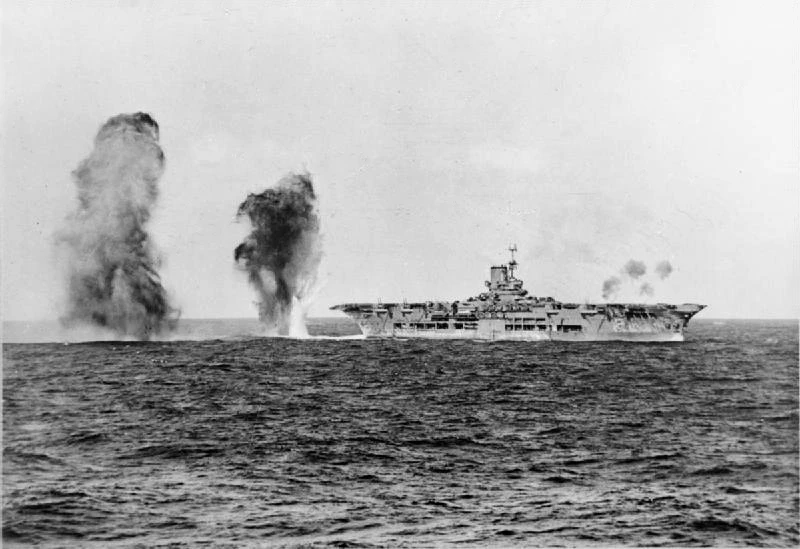
On 27 November 1940, off Cape Spartivento in Sardinia, his force is powerful: two battleships, the Vittorio Veneto and the Giulio Cesare, seven heavy cruisers, sixteen destroyers. Facing him, Admiral 's fields a battleship, a battlecruiser, the carrier Ark Royal and several cruisers. The forces are of a disquieting equivalence.
At midday, the reconnaissance seaplane of the cruiser Gorizia confirms to Campioni the proximity of the two squadrons. The moment of truth has come.
Should Campioni give battle against Force H, or break off contact to preserve the squadron?
Campioni chose B: judging the forces too evenly matched and in keeping with his orders, he ordered the cruiser groups to re-form on the battleships and disengage. The clash dwindled to a brief cannonade: a British cruiser and an Italian destroyer were damaged, with no decisive losses. The Operation Collar convoy reached Malta unscathed. On the British side, Somerville was reproached at the Admiralty for not having pursued, then cleared by a board of inquiry in December. On the Italian side, the verdict was harsher: Campioni was sacked for timidity on 8 December 1940, replaced by Admiral and relegated to the Dodecanese. The encounter reinforced the Regia Marina's reputation for passivity, which would weigh heavily on Italian morale.
Learn more about this event
Related polls
10
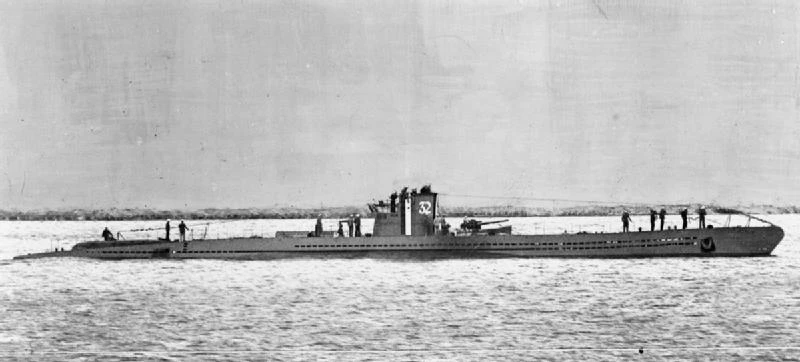
Campioni faces Cunningham off Calabria
The Giant Adrift off Donegal
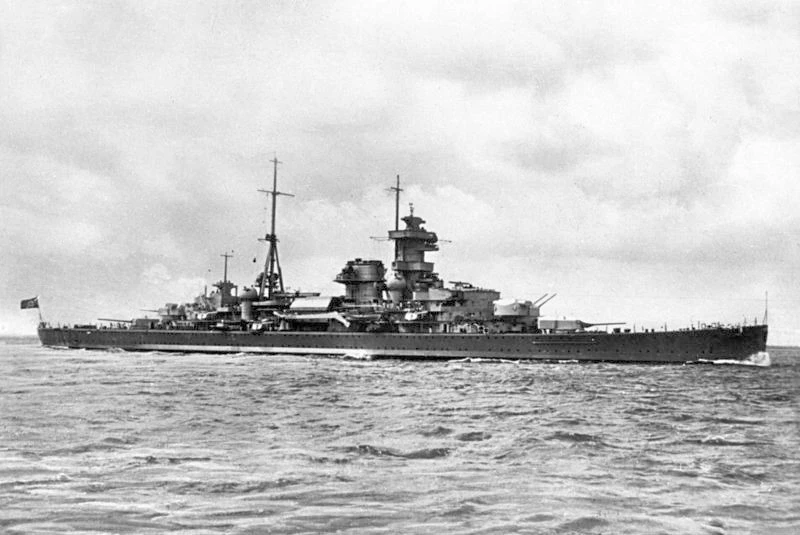
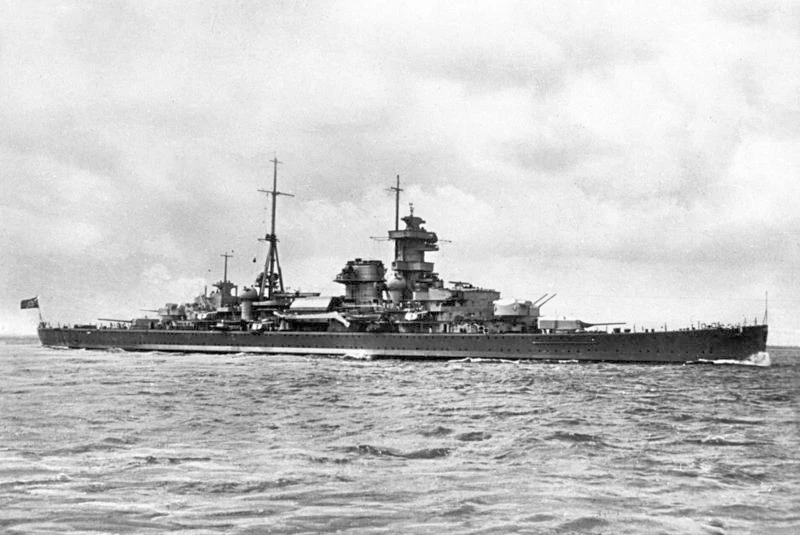
A raider, a convoy and a cruiser escort
An unescorted convoy in the grey morning
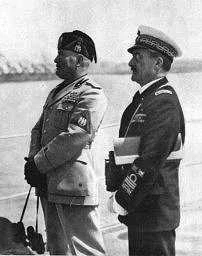
Taranto: The Italian Fleet at Anchor Under the Aerial Threat
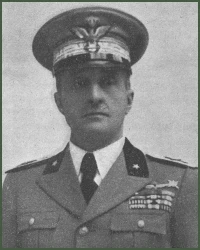
Pintor in the Alps — 21 June
Fegen and the Jervis Bay — convoy HX-84
Cape Matapan — Cunningham against Iachino
An escort battleship on the convoy's route
Galland over the Estuary
Campioni faces Cunningham off Calabria
The Giant Adrift off Donegal
A raider, a convoy and a cruiser escort
An unescorted convoy in the grey morning
Taranto: The Italian Fleet at Anchor Under the Aerial Threat
Pintor in the Alps — 21 June
Fegen and the Jervis Bay — convoy HX-84
Cape Matapan — Cunningham against Iachino
An escort battleship on the convoy's route