
The Warsaw Student and the Black Market
In the winter of 1939, Warsaw has been living under German occupation since the September capitulation. The official rations allotted to Poles are deliberately kept below the survival threshold: a few hundred calories a day, far short of the minimum needed to live.
A student, whose family has lost everything, must find a way to feed herself. The legal market is empty; the black market (szmugiel), illegal and harshly punished, is everywhere, supplied by foodstuffs smuggled in from the countryside.
Obtaining food outside official channels risks arrest and fines, but sticking to the rations means hunger.
Deprived of adequate rations in occupied Warsaw, how does a young student feed her family in the winter of 1939?
The official rations imposed on the Poles of Warsaw were knowingly insufficient to survive on. The documented and almost universal response was recourse to the black market: historians estimate that the majority of the calories consumed by Varsovians came from clandestine trade (szmugiel), despite severe repression. Far from being a marginal choice, this parallel market was a condition of collective survival and a form of economic defiance of the occupier. The legal rations alone condemned people to starvation, and the German administration offered no aid to the Poles.
Learn more about this event
Related polls
10
The Upper Silesian Pole Subjected to Forced Labour
Winter rationing
British Coal for the Winter of 1939
Operation Pied Piper — Womersley and the evacuation
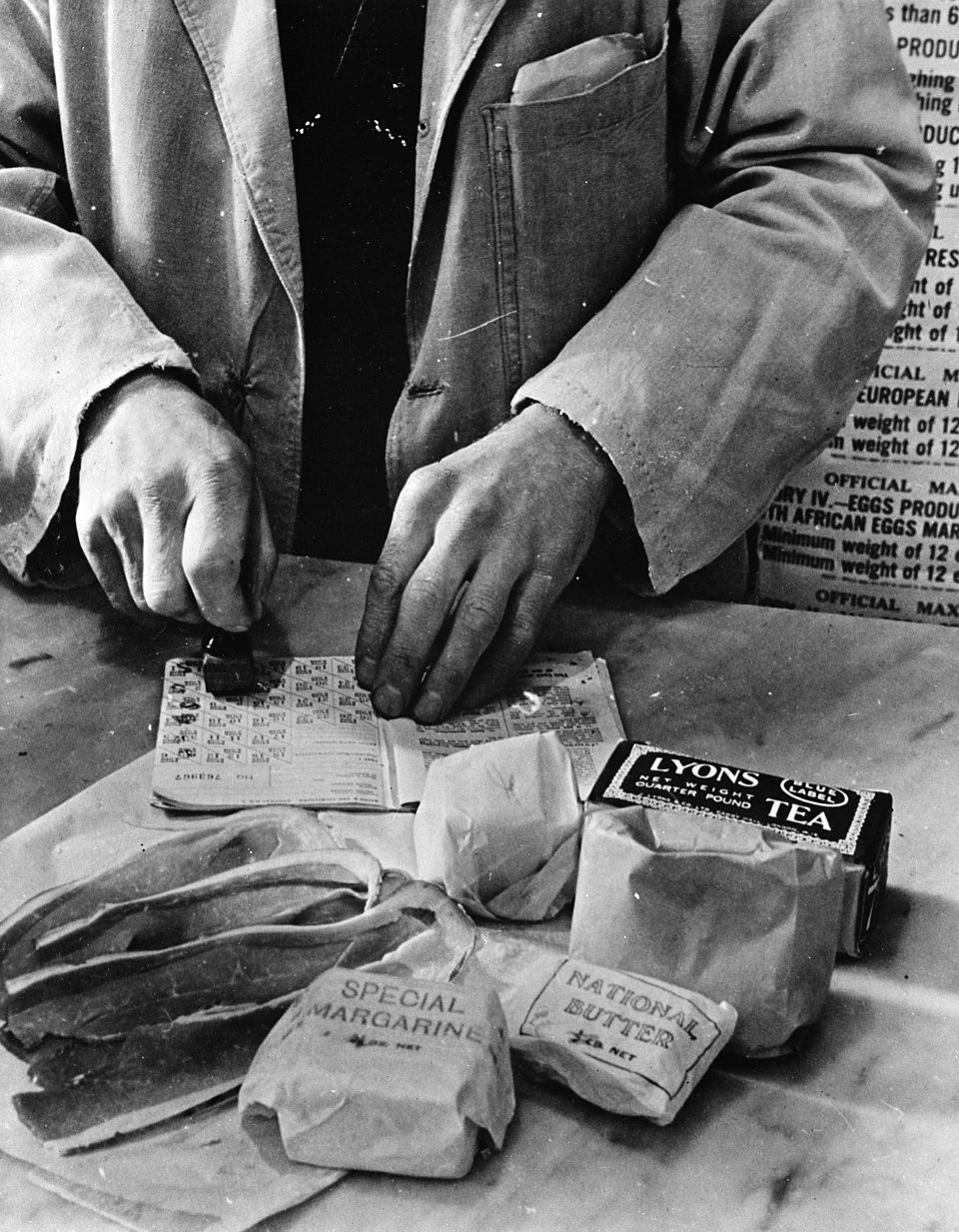
British rationing — Morrison and the principle
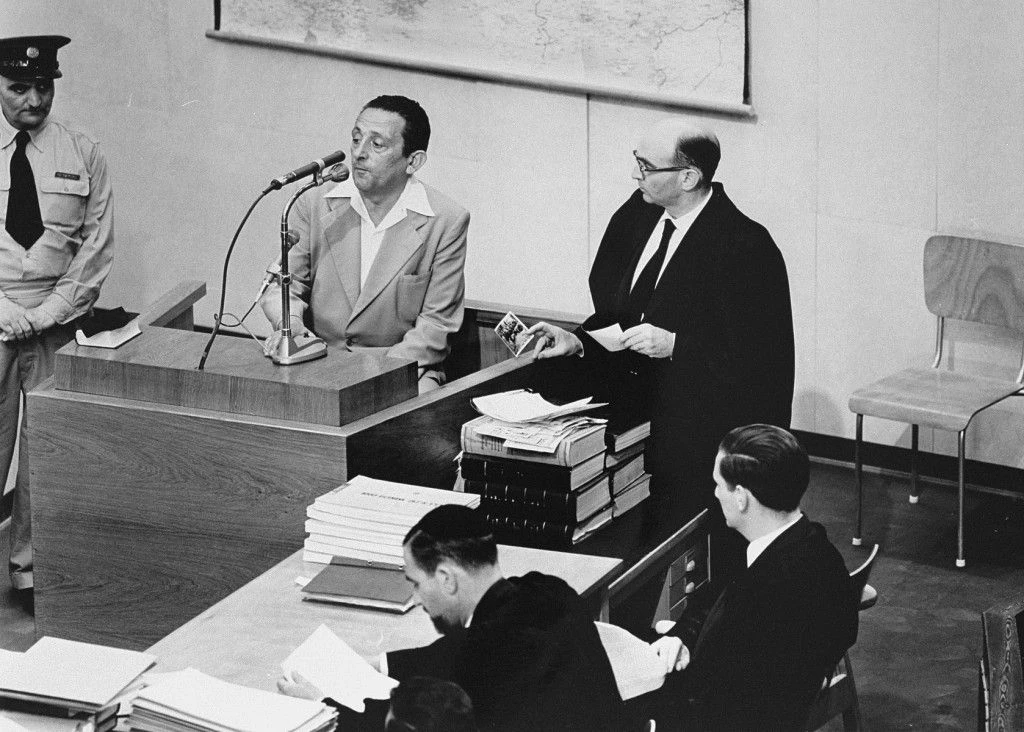
Biebow at Litzmannstadt — 8 February
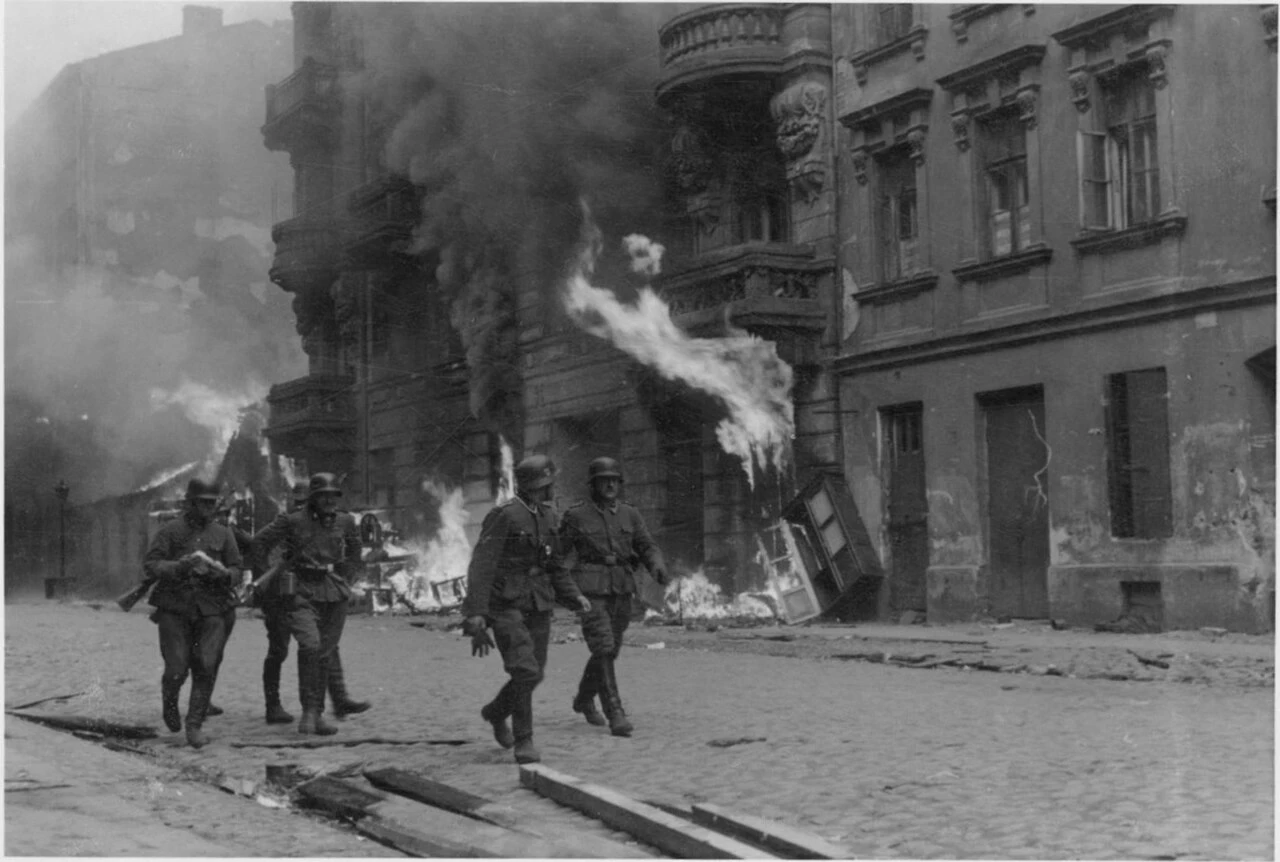
The Jewish Schoolteacher of Kazimierz
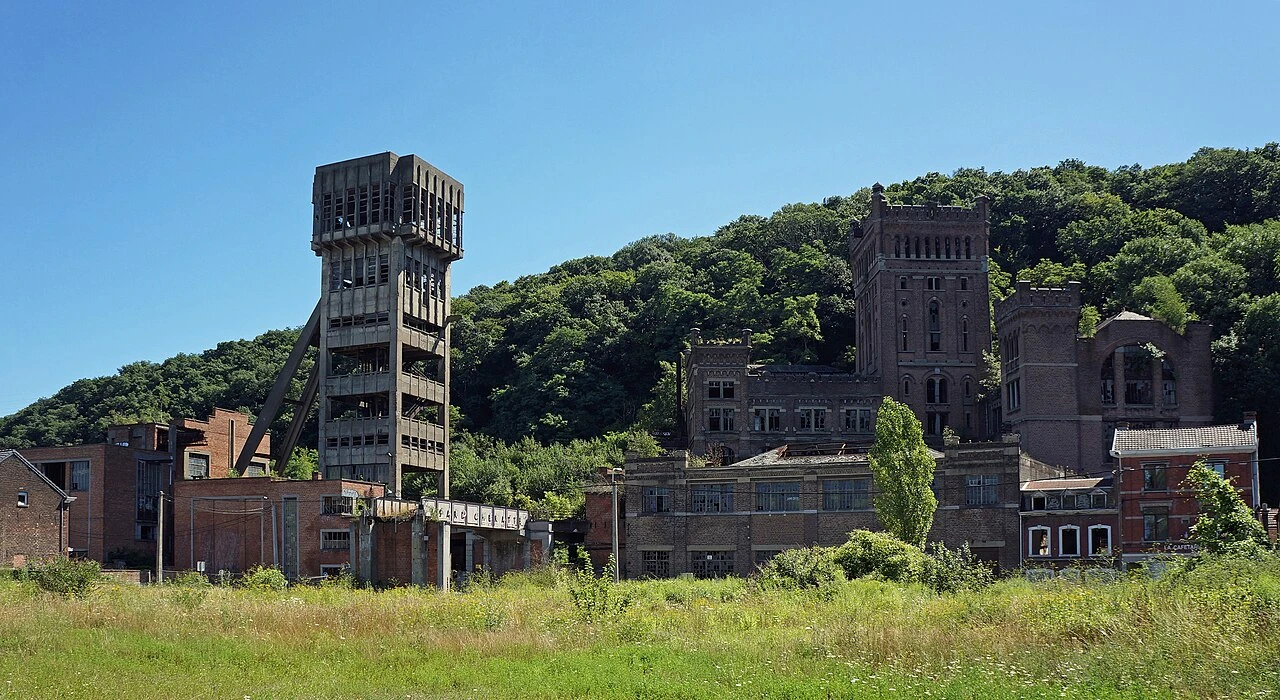
Campine Coal and the Hunger of Year One
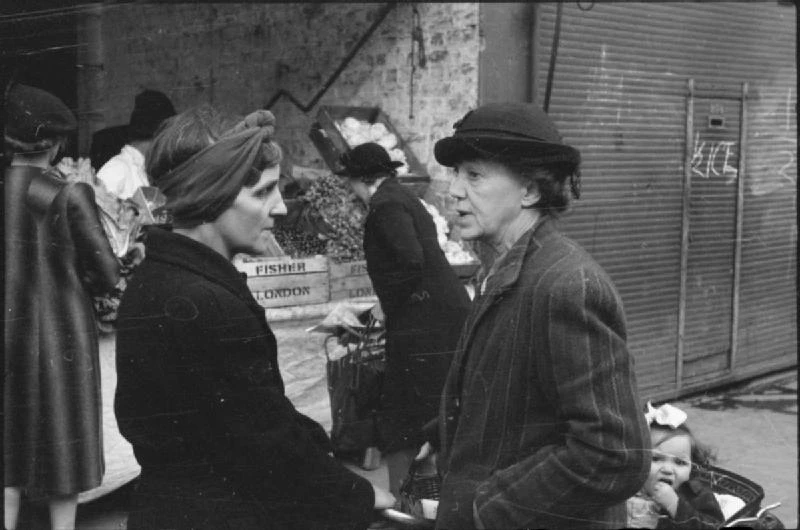
The Minister, the Fleet and the Empty Plates
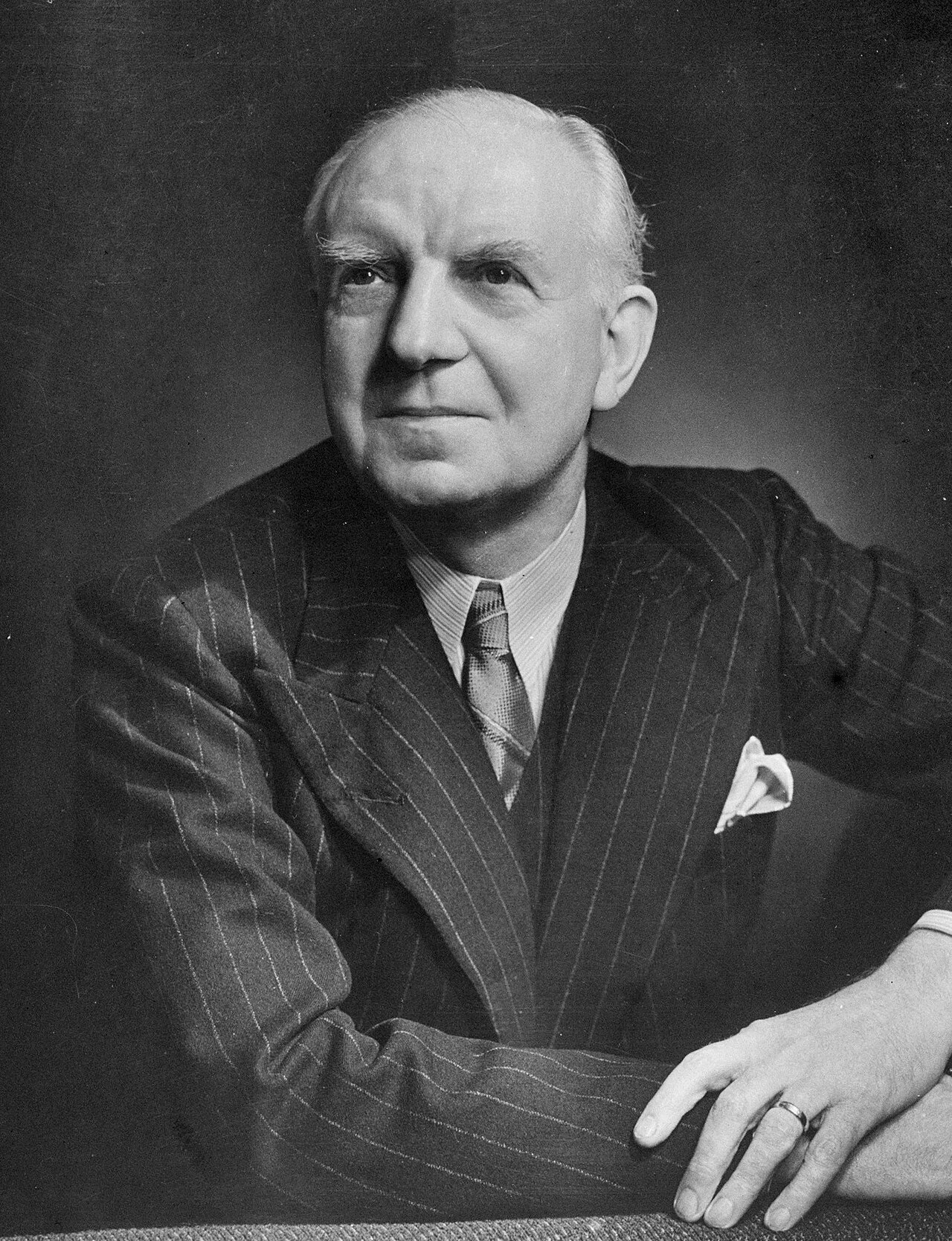
British rationing put to the test in 1941
The Upper Silesian Pole Subjected to Forced Labour
Winter rationing
British Coal for the Winter of 1939
Operation Pied Piper — Womersley and the evacuation
British rationing — Morrison and the principle
Biebow at Litzmannstadt — 8 February
The Jewish Schoolteacher of Kazimierz
Campine Coal and the Hunger of Year One
The Minister, the Fleet and the Empty Plates