
Winkelman and the fate of the Netherlands
In five days, the Dutch defence was overwhelmed: airborne assaults, the breaching of the Grebbe Line, and now the bombing of Rotterdam. General , the commander-in-chief, learned that the Germans were threatening to inflict the same fate on other cities — Utrecht, Amsterdam — if resistance continued.
The calculation was implacable. To carry on the fight in a small, flat country, without strategic depth, was to expose other cities to destruction for no military result, the situation being hopeless. To capitulate was to stop the carnage but hand the country over to occupation, just as the queen and the government had left for London to carry on the struggle from abroad.
Winkelman could capitulate to spare the cities and the population. He could carry on the fight in the name of honour and Allied solidarity. Or he could withdraw to Zeeland to continue alongside the French. The explicit threat to the cities weighed heavily on a decision he had to take within a few hours.
Should Winkelman capitulate, carry on the fight, or withdraw to Zeeland?
Winkelman chose A: faced with the threat hanging over other cities after Rotterdam, he ordered the capitulation of the Dutch forces on 14 May (signed on the 15th). Only Zeeland briefly carried on the fight with French support before falling. The surrender, after only five days, placed the Netherlands under German occupation, but Queen Wilhelmine and the government, having left for London, maintained the continuity of the State and the Dutch commitment to the war. The speed of the Dutch collapse, like that of Belgium, stemmed largely from the novelty and brutality of the German methods (airborne troops, the bombing of cities).
Learn more about this event
Related polls
10
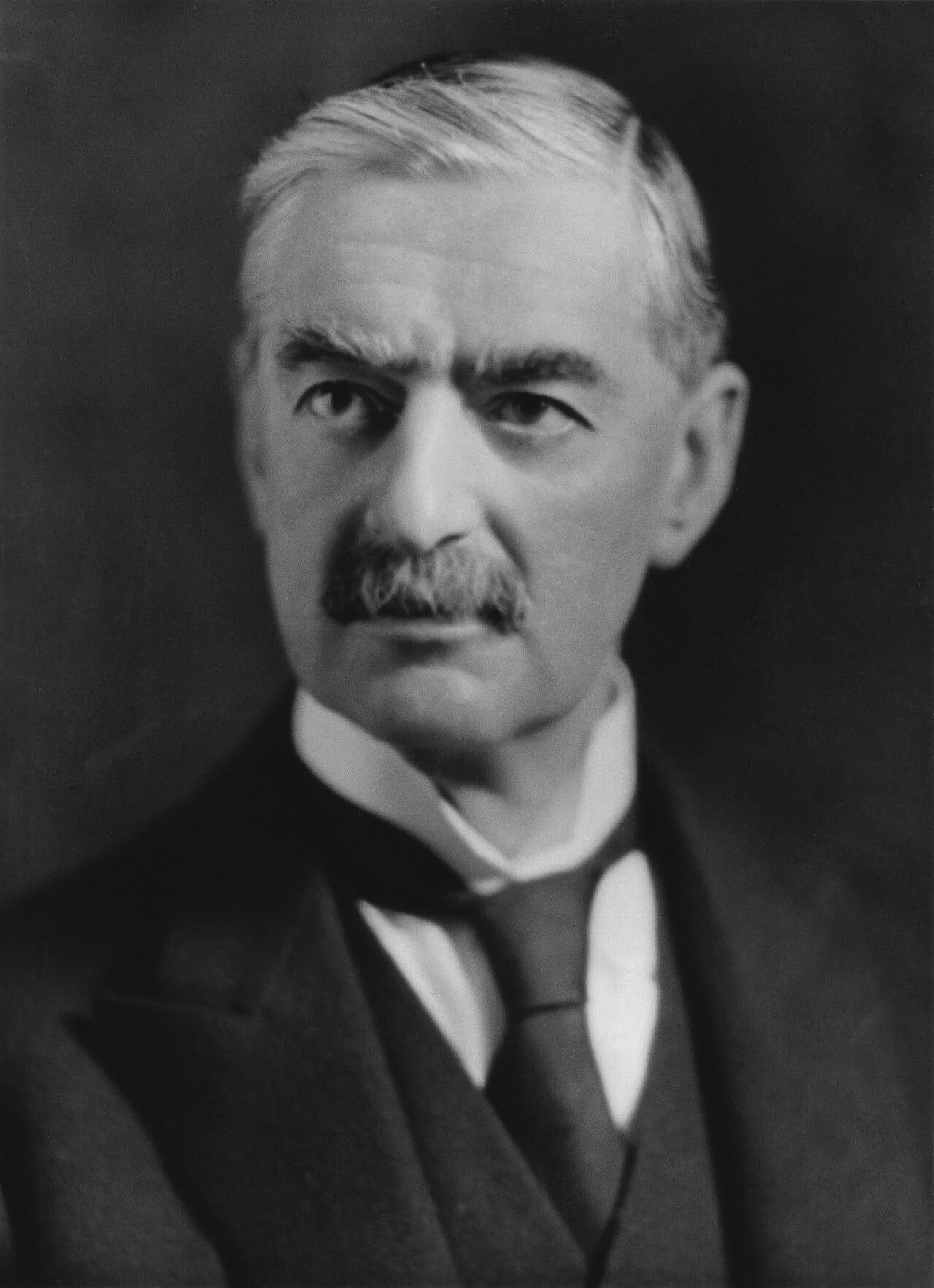
War council — leave central Norway?
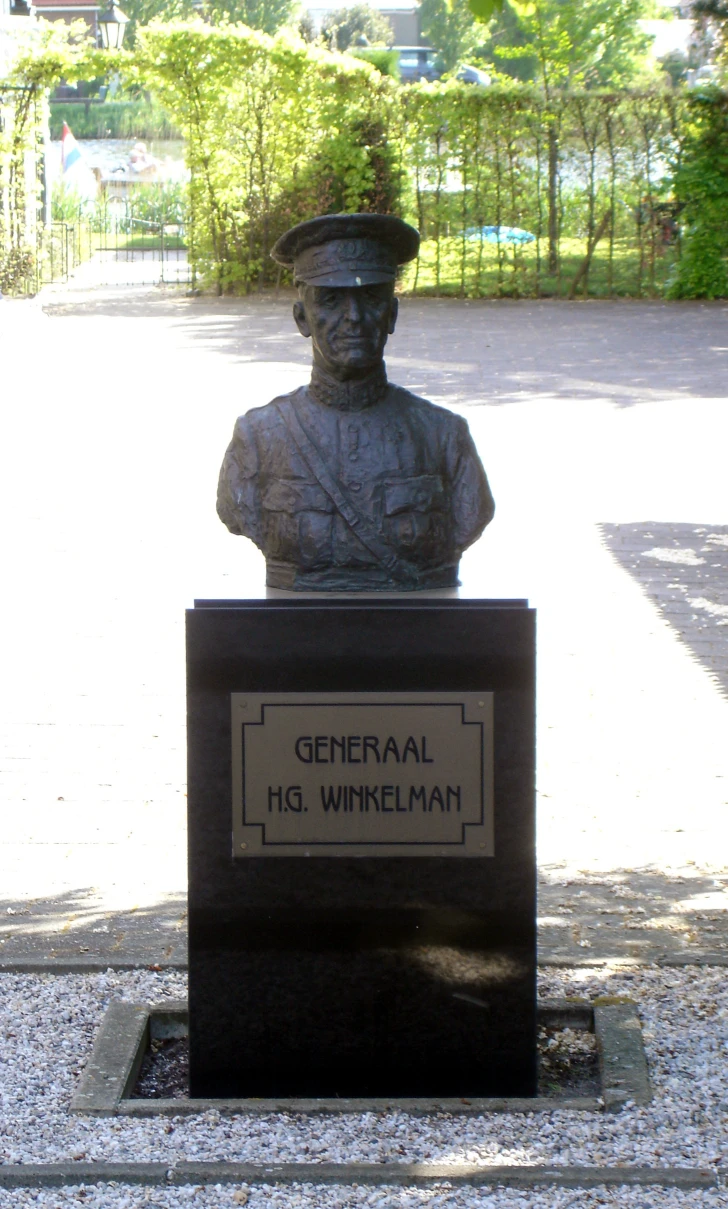
Winkelman after Rotterdam — 14 May
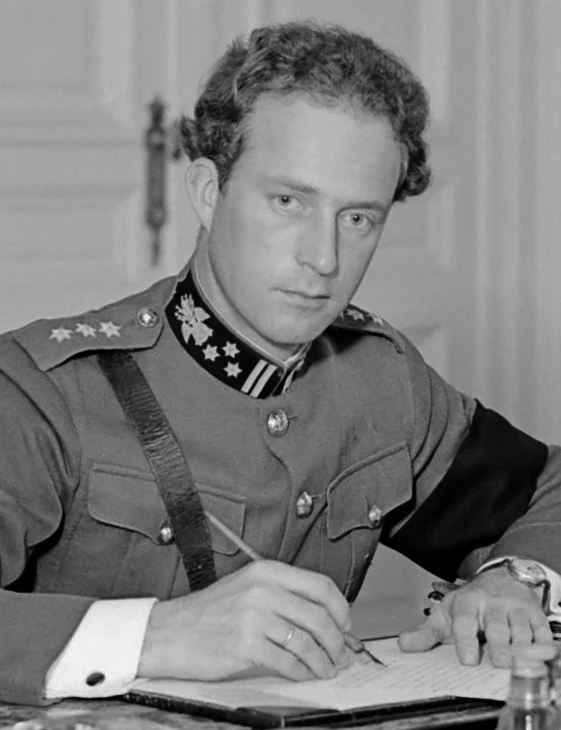
The Capitulation of 28 May
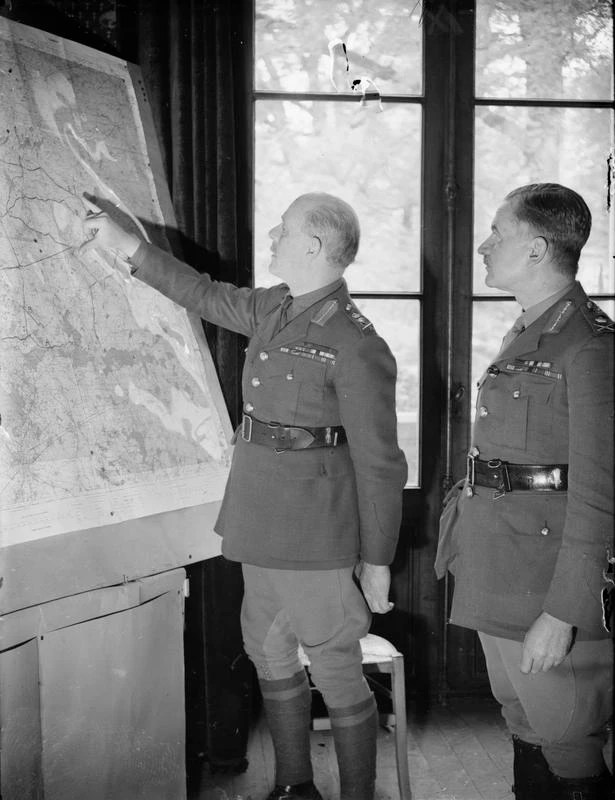
Gort at Habarcq — trust in the French plan
Hold the Albert Canal or withdraw
The War Cabinet — Negotiate or Carry On
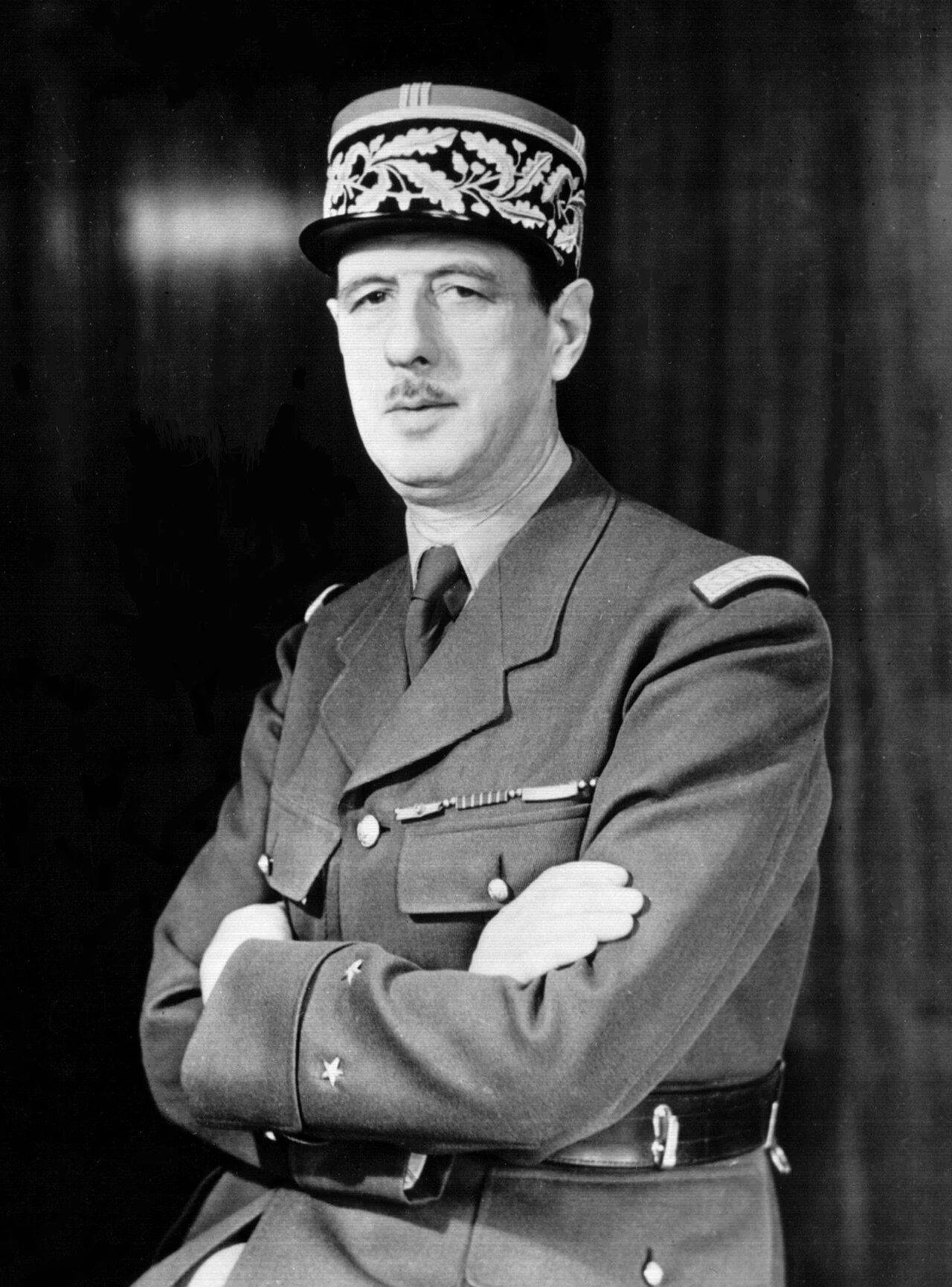
De Gaulle calls on Churchill — 9 June
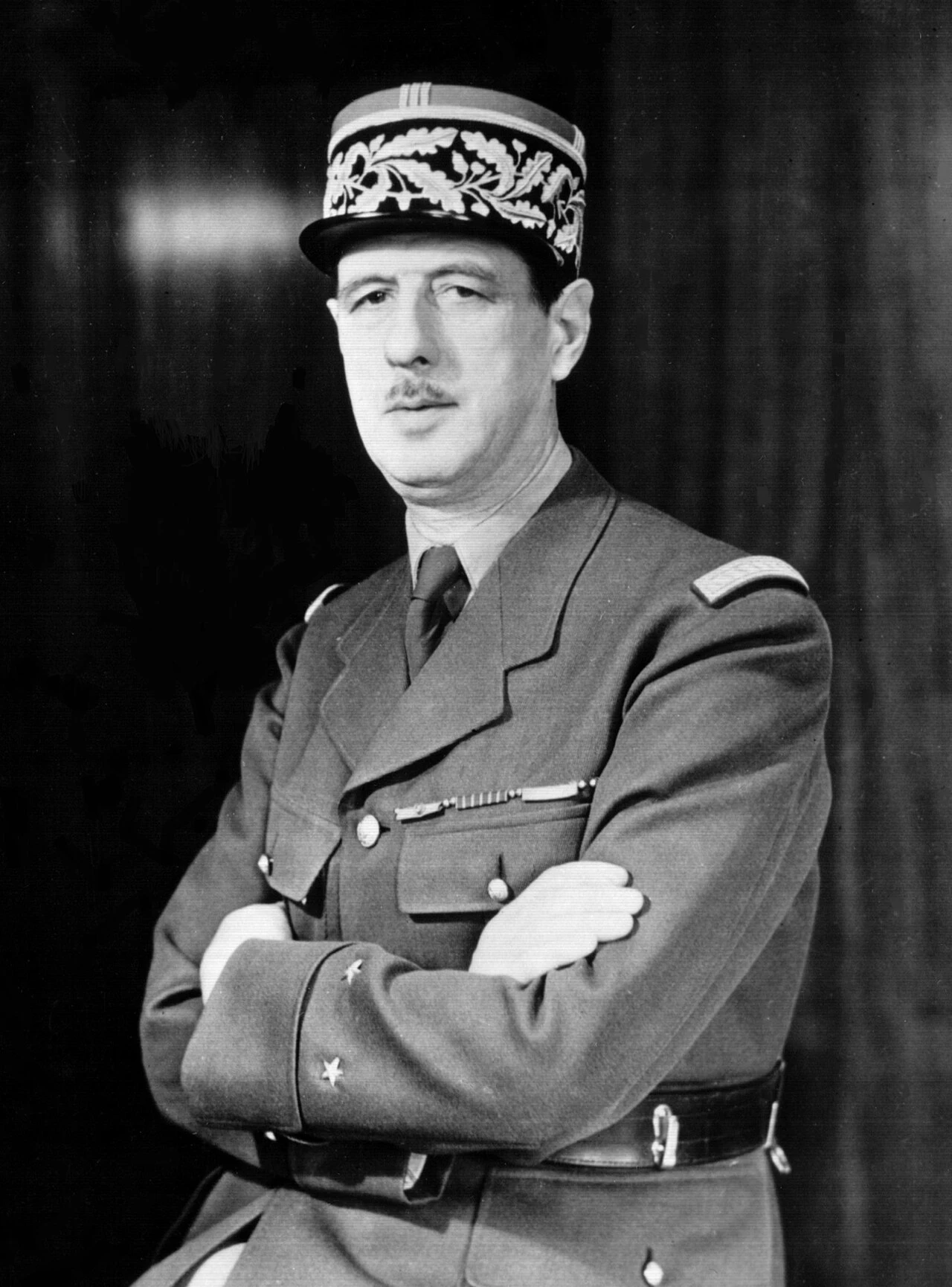
De Gaulle joins the government — 5 June
Dowding — Keep the Fighters?
Gudbrandsdal — Ruge imposes his line
War council — leave central Norway?
Winkelman after Rotterdam — 14 May
The Capitulation of 28 May
Gort at Habarcq — trust in the French plan
Hold the Albert Canal or withdraw
The War Cabinet — Negotiate or Carry On
De Gaulle calls on Churchill — 9 June
De Gaulle joins the government — 5 June
Dowding — Keep the Fighters?