
The Army of the Alps against the Italians
On 20 June 1940, as France was collapsing in the north, Italy launched its offensive in the Alps. General commanded the Army of the Alps, vastly inferior in number — a few divisions against several hundred thousand Italians — but entrenched in mountainous terrain ideal for defence, bristling with modern forts (the "Alpine Maginot Line").
Olry was in a paradoxical situation: he also had to watch his rear, for the Germans were coming down the Rhône valley and threatening to take him from behind. To concentrate all his forces against the Italians was to risk being outflanked by the Germans; to disperse was to weaken himself everywhere.
The general could hold the Alpine positions firmly against the Italians, gambling on the terrain and the fortifications. To strip the Italian front to counter the German threat coming from the north. Or to withdraw to avoid encirclement. The aim was to preserve the honour of French arms at least on this front, a few days before the armistice.
Should Olry hold the Alpine front, redeploy against the Germans in the north, or withdraw?
Olry managed to reconcile the essentials of A: with very reduced forces, the Army of the Alps repelled the Italian offensive on almost the entire front (Menton was the Italians' only notable gain), while also blocking the German descent into the Rhône valley at Voreppe. At the time of the armistice on 25 June, the Italians had barely encroached on French territory. It was one of the rare complete successes of the 1940 campaign: a handful of well-entrenched French divisions had held in check an adversary ten times their strength. The Alpine victory saved military honour amid the general disaster.
Learn more about this event
Related polls
10
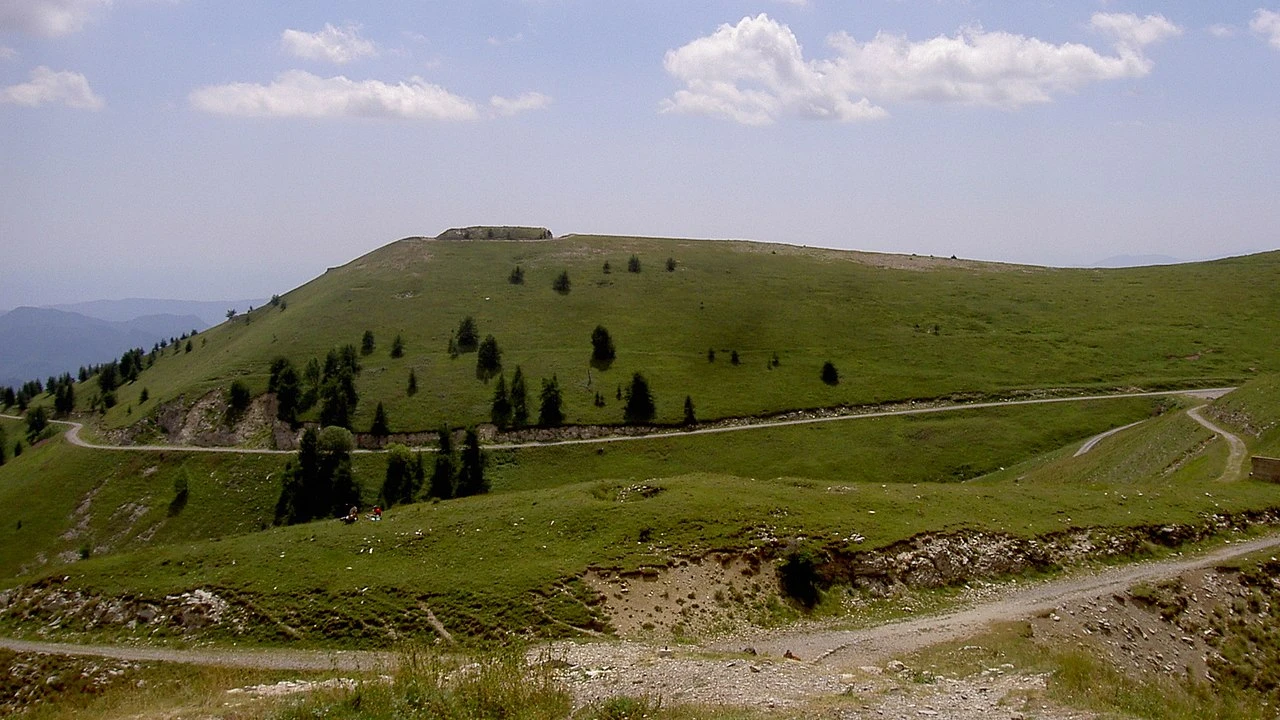
Boutmy at Mont-Cenis
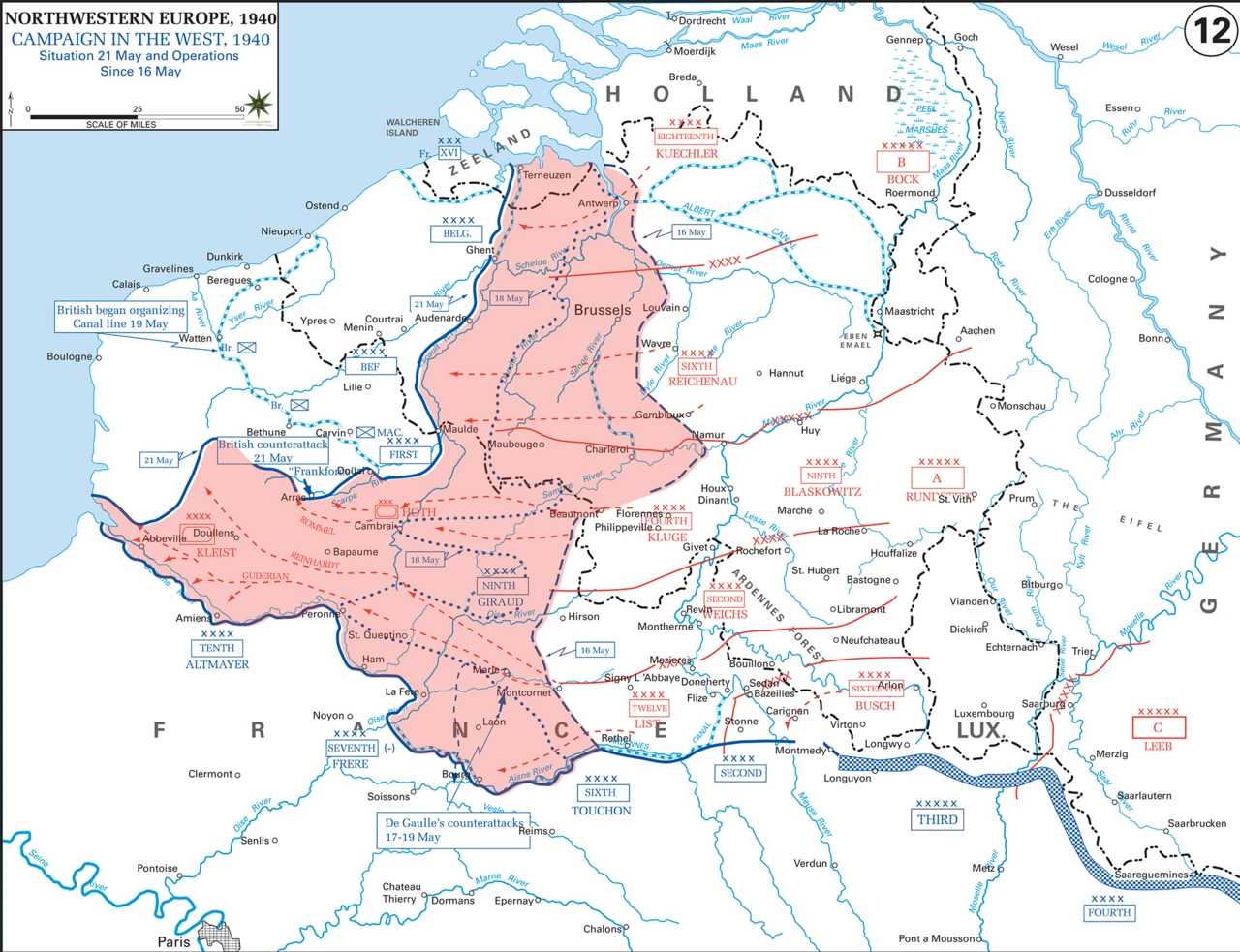
Boulogne — Fox-Pitt and the Guards facing the port
Bulson — Lafontaine and the 02:00 rumour
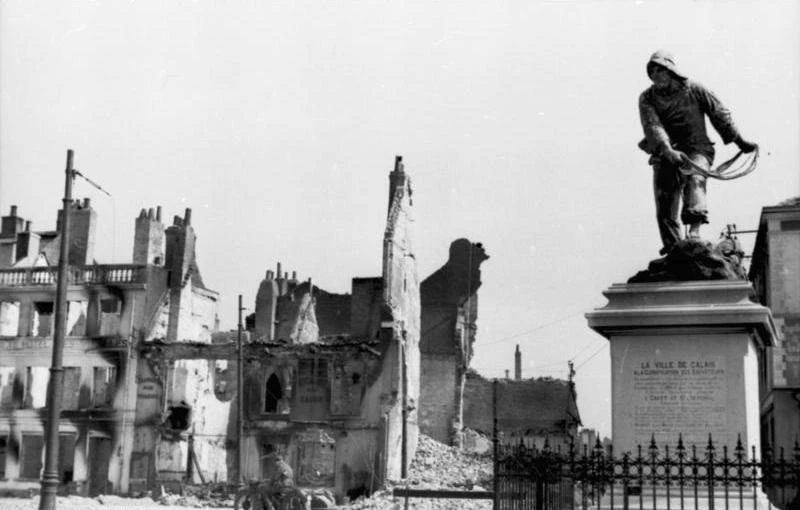
Calais — Nicholson facing the ultimatum
The Defence of Boulogne
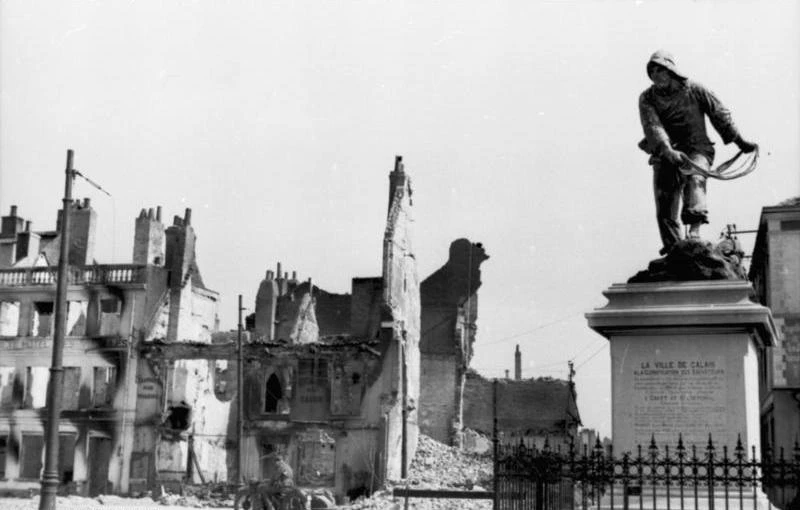
The Defence of Calais
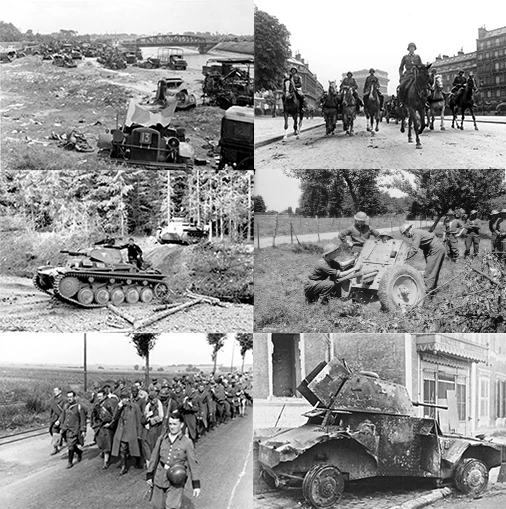
The Weygand Line on the Somme
Lille — Molinié and the 5th DINA
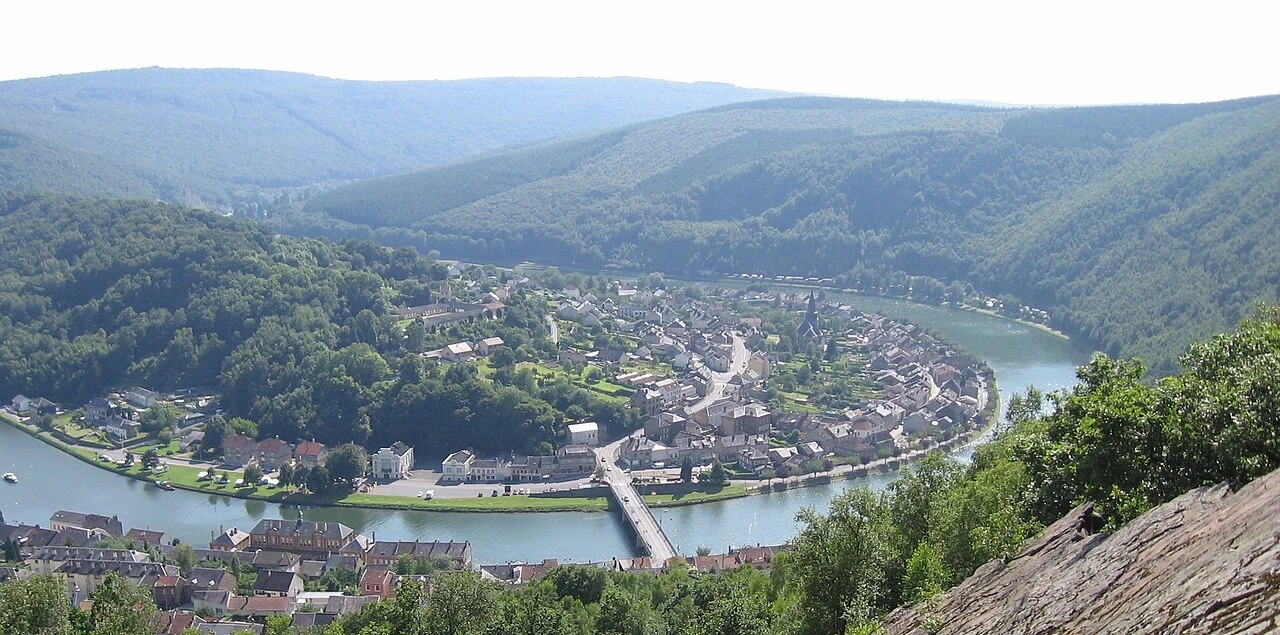
Monthermé — Portzert in the Meuse loop
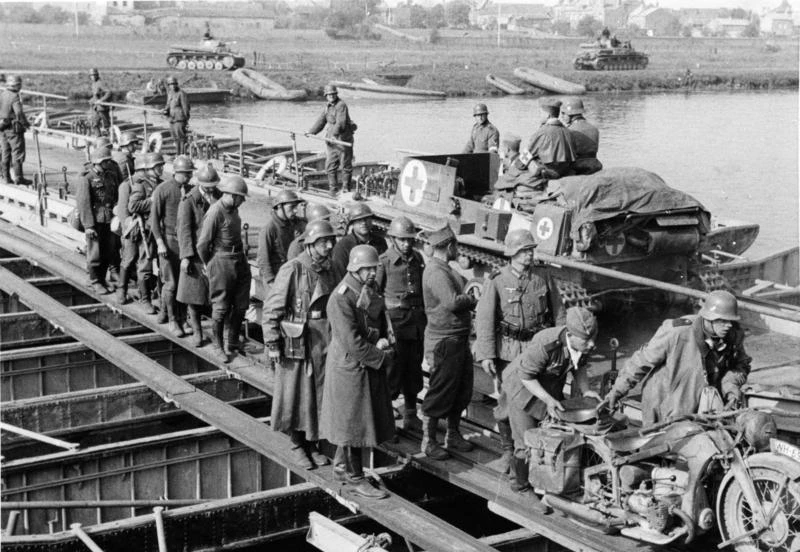
The panic of Bulson
Boutmy at Mont-Cenis
Boulogne — Fox-Pitt and the Guards facing the port
Bulson — Lafontaine and the 02:00 rumour
Calais — Nicholson facing the ultimatum
The Defence of Boulogne
The Defence of Calais
The Weygand Line on the Somme
Lille — Molinié and the 5th DINA
Monthermé — Portzert in the Meuse loop