
Six years after the seizure of power, the NSDAP blankets German society. Joining the party is not compulsory, but it has become, in many trades, a near-mandatory step for one's career: civil servants, teachers, jurists and managers feel a diffuse pressure to take out a membership card. The party, which had around two million members in 1933, claims nearly 5.3 million in 1939.
For a German without strong ideological conviction, membership poses a daily matter of conscience. It opens doors, protects, integrates — but it also commits one to serving a regime whose violence one senses, and makes the member a cog in the system.
You are a German, an ordinary professional, unenthusiastic but mindful of your future. Should you join the party to get ahead and shield yourself from suspicion? Abstain on principle, at the cost of a stalled career and awkward visibility? Or play for time, multiplying pledges of loyalty without taking the step of formal membership? The choice, seemingly banal, traces the share of compromise of millions of ordinary citizens.
Should our German join the party for his career, abstain on principle, or play for time?
Many chose A out of opportunism more than conviction: the NSDAP's numbers climb to around 5.3 million members in 1939 (81% of them men), carried by a wave of careerist enrolments that the party itself will later scornfully nickname the Märzgefallene ("the fallen of March"). After the war, denazification will create the category of Mitläufer ("followers") to judge this mass of passive members, neither fanatics nor resisters. Abstention, for its part, remained possible but exposed one to marginalisation or suspicion. The party's swelling on the eve of war illustrates how a totalitarian regime enlists, through self-interest as much as fear, the great mass of ordinary citizens.
Learn more about this event
Related polls
10
The Youth of the Reich
The German Student Facing the Nazification of the University (1939)
The Karten: Rationing Germany at War
Hitler at the Reichstag rostrum
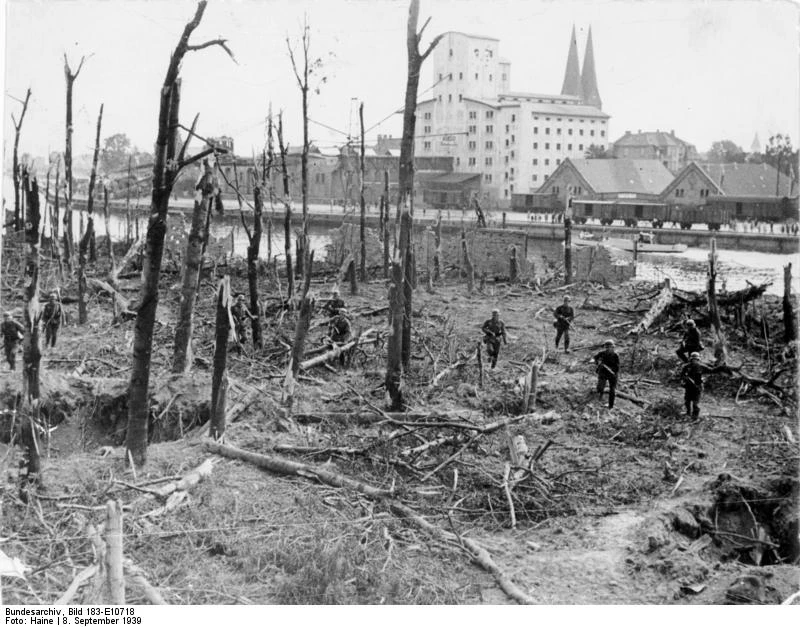
A Danzig Customs Officer on the Day of Annexation
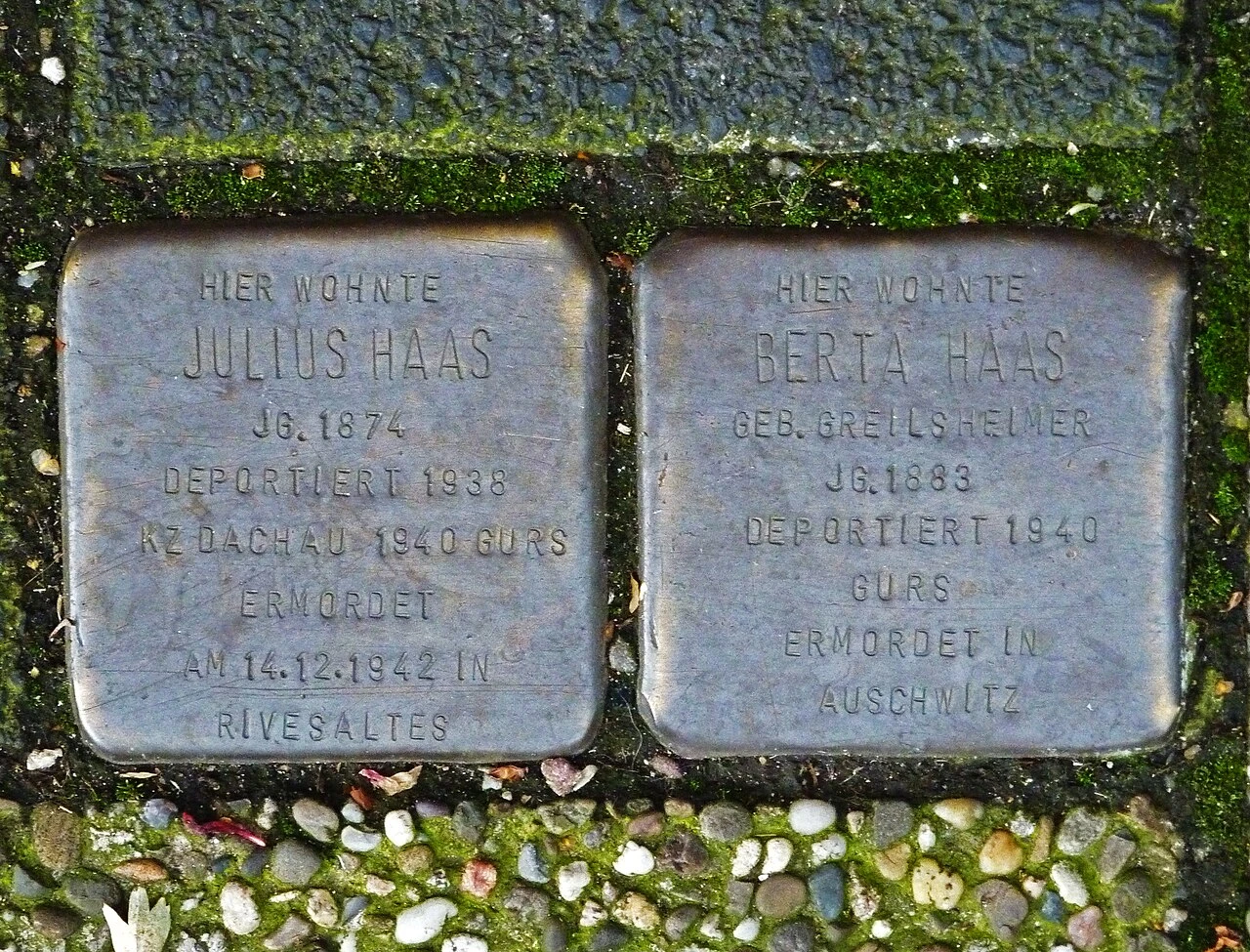
Hannah Arendt, Stateless and Interned, Facing Exile
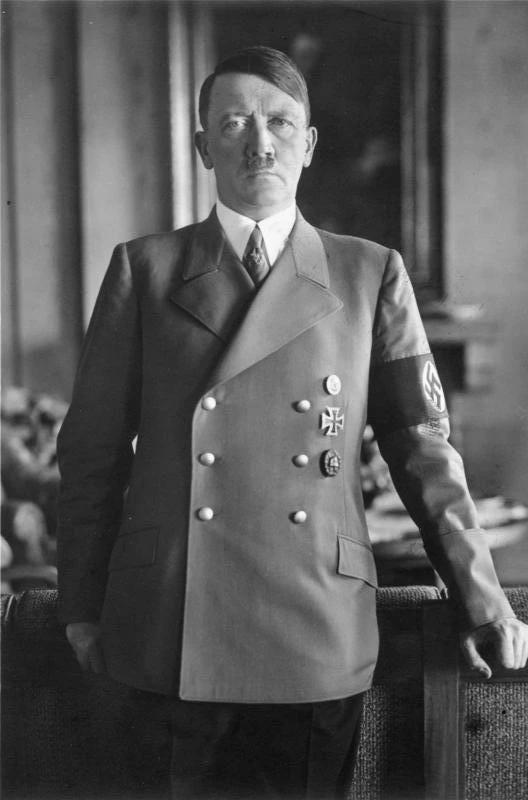
Hitler Before His Generals
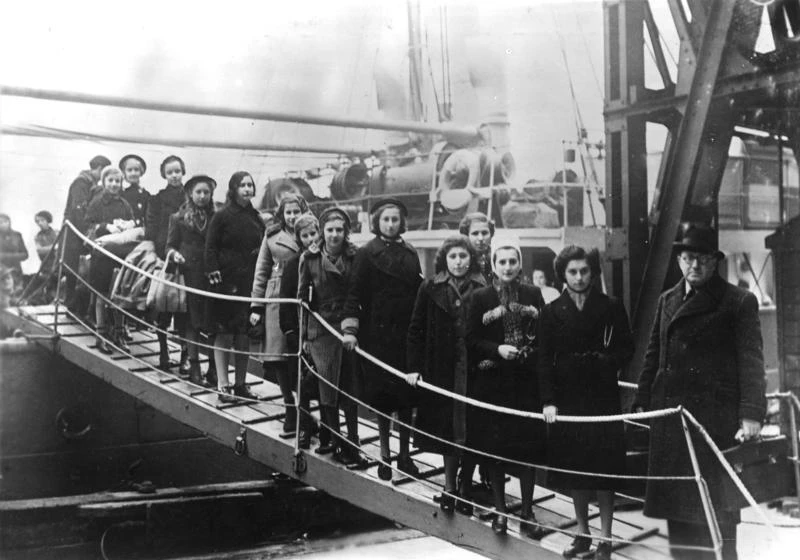
The Kindertransport
A Correspondent in Berlin
The Obersalzberg Speech
The Youth of the Reich
The German Student Facing the Nazification of the University (1939)
The Karten: Rationing Germany at War
Hitler at the Reichstag rostrum
A Danzig Customs Officer on the Day of Annexation
Hannah Arendt, Stateless and Interned, Facing Exile
Hitler Before His Generals
The Kindertransport
A Correspondent in Berlin