
Asmara: a second Keren or an open city?
For nearly two months, the battle of Keren bled the Italian army of East Africa. From 3 February to 27 March 1941, General 's divisions defended a mountain barrier of rare solidity against the British advance coming from Sudan. The fall of Keren, on 27 March, broke the morale of the Italian troops.
Beyond Keren opens the road to the capital, Asmara, perched on the high plateaux. On the way there still stands a defensive position, the Ad Teclesan defile, which some officers judge even stronger than Keren. In theory, Frusci could fight there a fresh battle of attrition and make the enemy pay dearly for every kilometre.
But the context has changed. The defeat at Keren has eaten into the fighting spirit; Asmara is a populous city, of no real military value once the passes are lost; and farther south, the entire Italian empire of East Africa is breaking apart. To cling on is to risk turning the capital into a field of ruins for a respite of a few days.
On 1 April 1941, as the British approach, Frusci must decide the fate of Asmara.
Should Frusci fight a fresh defensive battle before Asmara, or give up defending the capital?
Frusci chose B: Asmara was declared an open city. When the British attacked the approaches on 31 March, the position gave way, and the next day a small car flying a white flag presented itself at Ad Teclesan: notables and an Italian priest came to offer the peaceful surrender of the capital. The British troops entered Asmara at midday on 1 April, without a fight. Organised resistance in Eritrea collapsed; Massawa, the great Red Sea port, would fall on 8 April. The fall of Asmara removed the Italian threat to Red Sea shipping — a major stake, since it would soon allow the United States to sail its ships there without breaching the neutrality laws.
Learn more about this event
Related polls
10
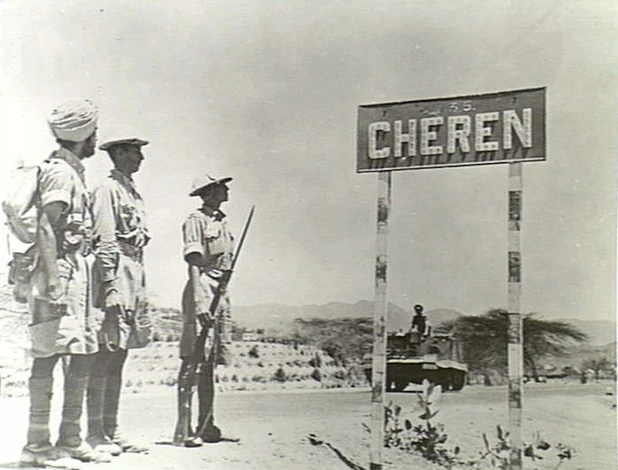
The Battle of Keren — Eritrea
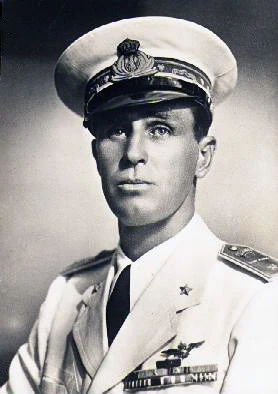
Amba Alagi — the Duke of Aosta encircled
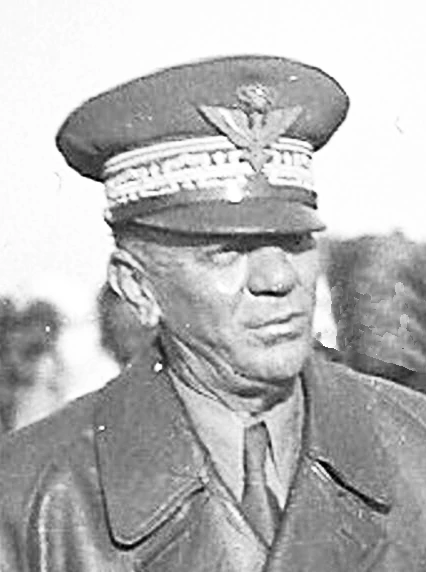
Prestige or orders, at Kassala
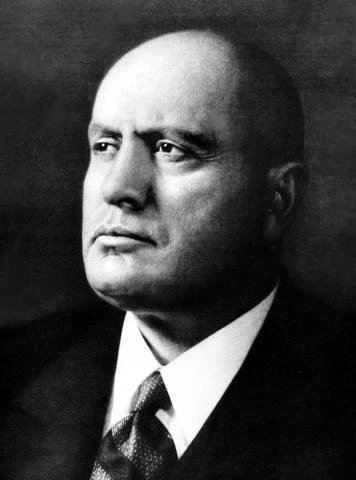
Hold the bastion or save the divisions?
Morshead — Tobruk encircled, 10 April
Raate — Vinogradov on the frozen road
Wavell in the face of Rommel's storm
'Fortresses do not surrender'
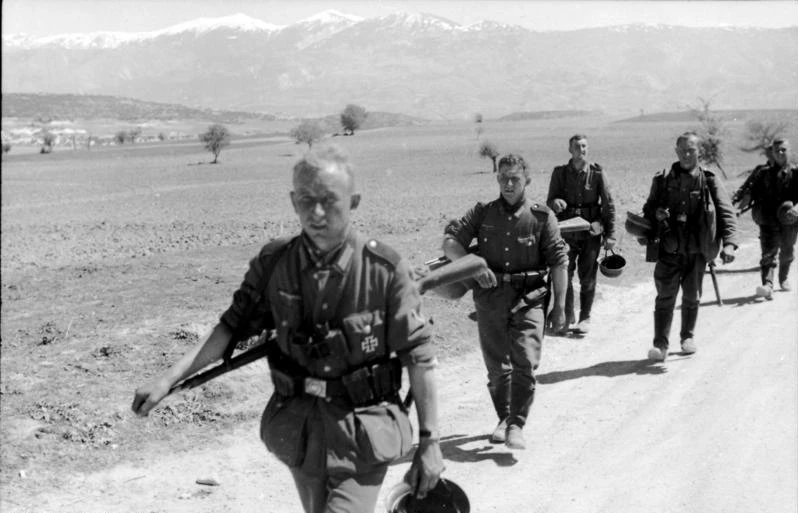
Marita — the invasion of Greece
Salonika lost: surrendering the Metaxas Line
The Battle of Keren — Eritrea
Amba Alagi — the Duke of Aosta encircled
Prestige or orders, at Kassala
Hold the bastion or save the divisions?
Morshead — Tobruk encircled, 10 April
Raate — Vinogradov on the frozen road
Wavell in the face of Rommel's storm
'Fortresses do not surrender'
Marita — the invasion of Greece