
Malta under the 'Illustrious Blitz'
A small British island at the heart of the Mediterranean, between Sicily and Africa, Malta is a strategic lock: from its ports and airfields one can strike the convoys supplying the Axis in Libya. After the Taranto raid its importance has only grown — and with it, the enemy's determination.
In January 1941 the arrival of German in Sicily changes everything. When the carrier Illustrious, gravely damaged, takes refuge in Valletta's Grand Harbour to be repaired, the Stukas hound her and the city: it is the start of what the Maltese call the 'Illustrious Blitz.' The bombardments intensify, targeting the dockyards, the airfields and the harbor districts, among the most densely populated in Europe.
Our Maltese — dockers, families, civil defense teams — must live under this deluge. The daily question is concrete: keep working on Illustrious's repairs and keep the island running under the bombs; shelter permanently in the deep refuges hewn in the limestone; or evacuate the populations of the harbor districts to the interior.
How is Malta to hold under the 'Illustrious Blitz'?
The Maltese combined A and B: the Grand Harbour workers repaired Illustrious under attack — she managed to sail for Alexandria and then the United States — while the population sank, night after night, into the cave shelters of the Maltese rock, among the safest in Europe. The 'Illustrious Blitz' of January 1941 was only the prelude: Malta would endure one of the most intense and longest bombardments of the war, lasting until 1942. The island would nevertheless hold, supplied at great cost by heroic convoys, and would continue to bleed Rommel's lines. In 1942 King would award the George Cross to the entire island, a unique case, in tribute to the endurance of its people.
Learn more about this event
Related polls
10
Coventry — the night of November 14
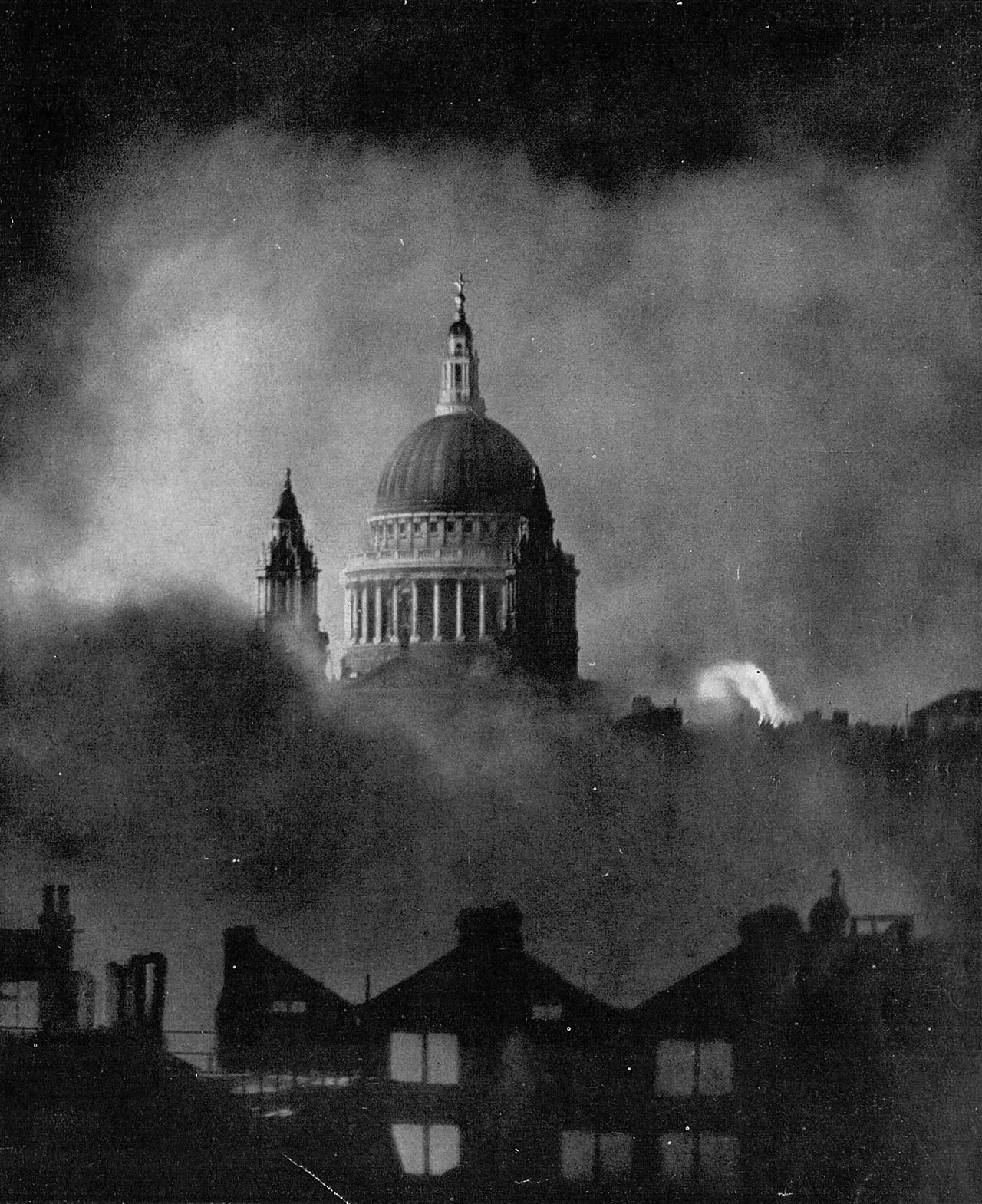
The Second Great Fire of London
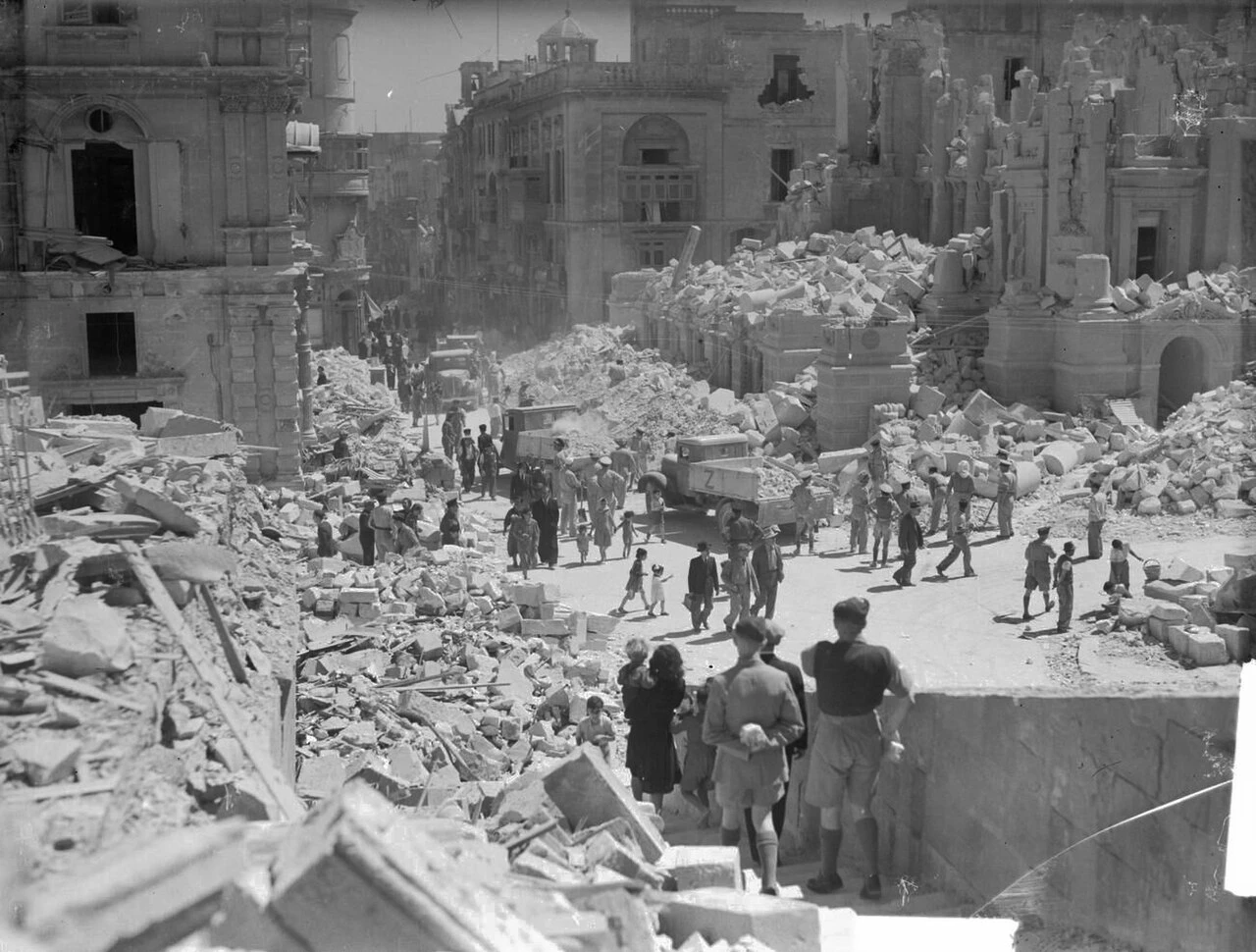
Malta besieged — defending the Mediterranean island
Belgrade under the bombs
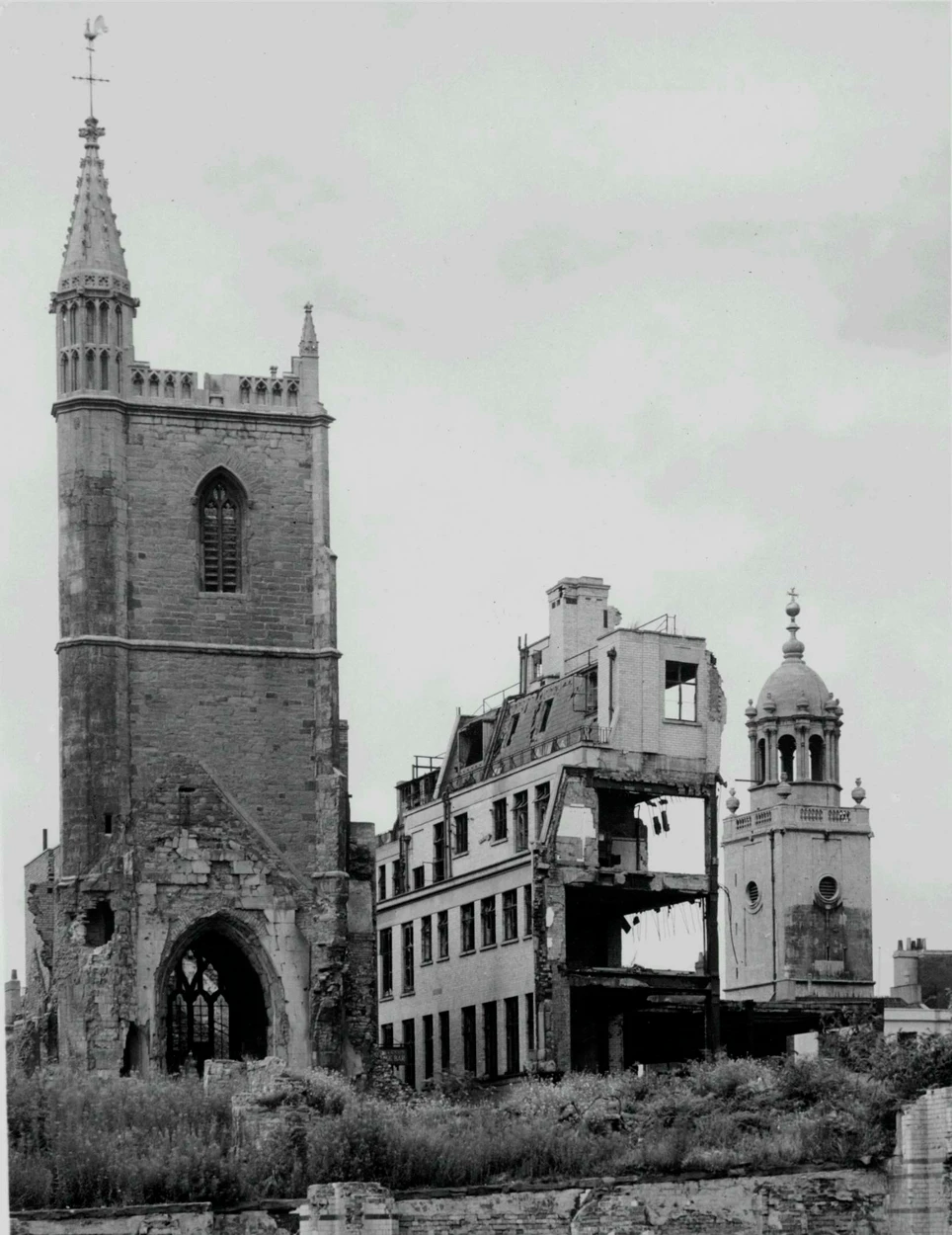
The last great night of the Blitz
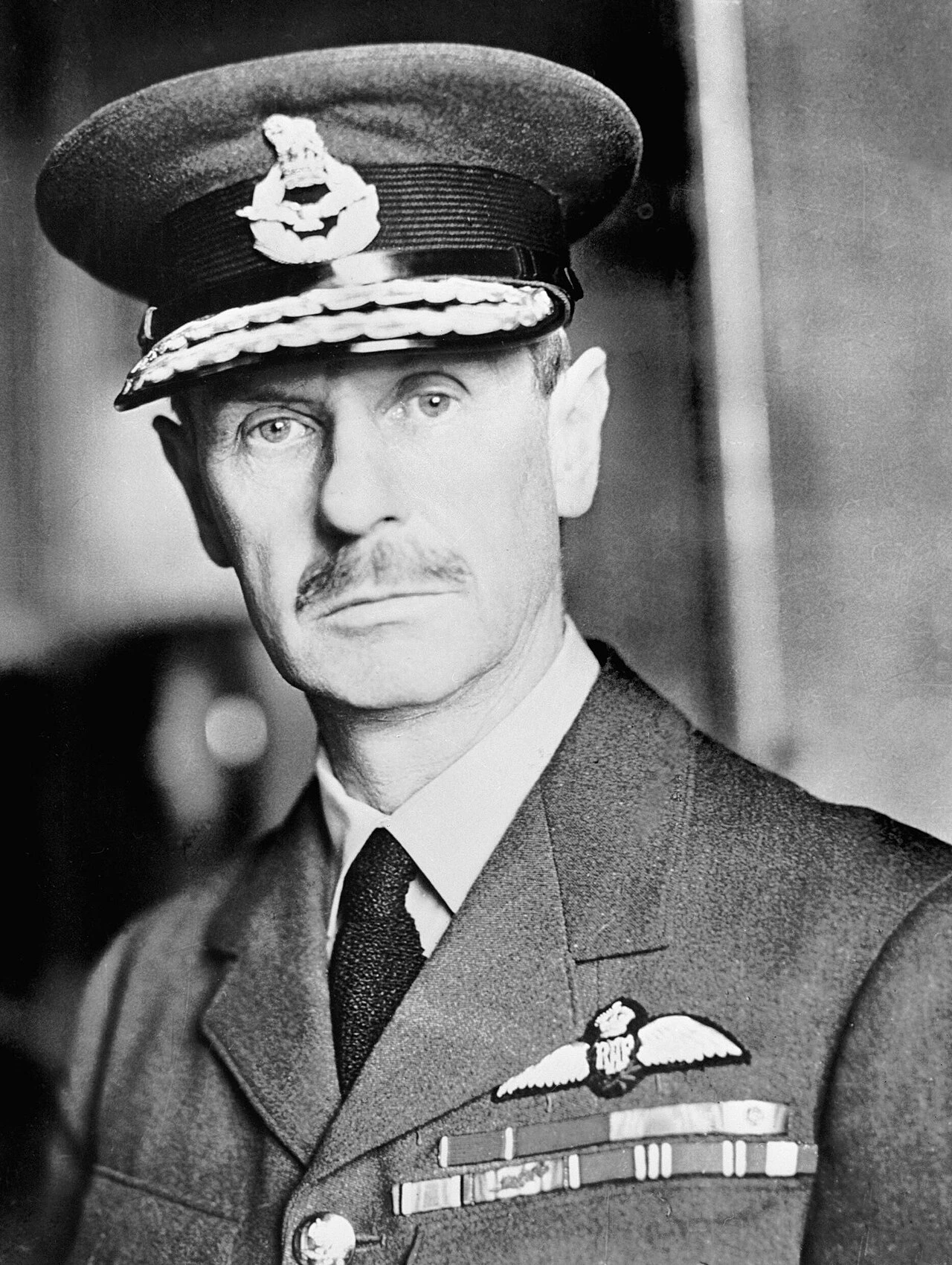
Dowding and the Last Reserves — 15 September 1940
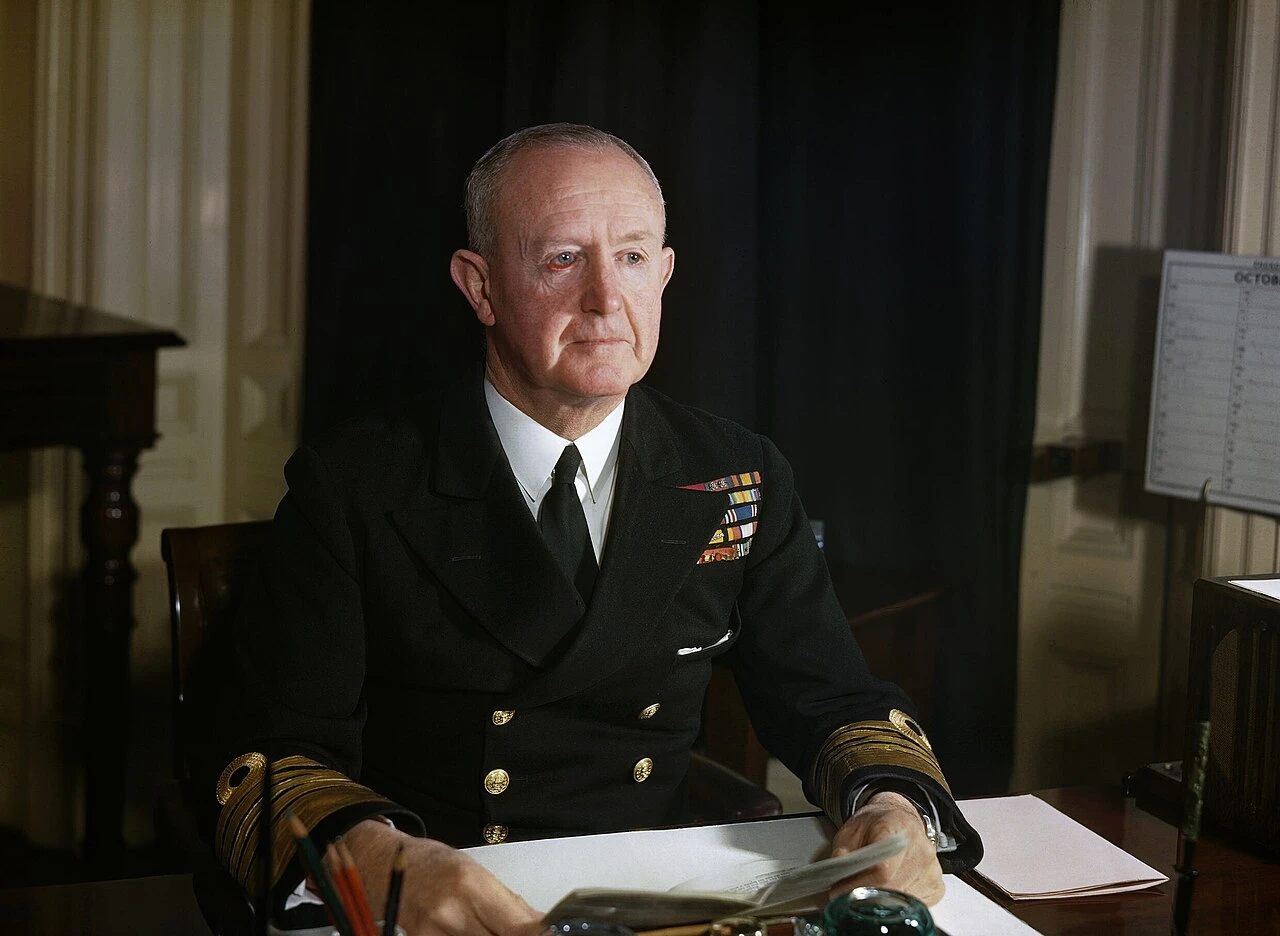
Excess: getting the convoy through under a new threat
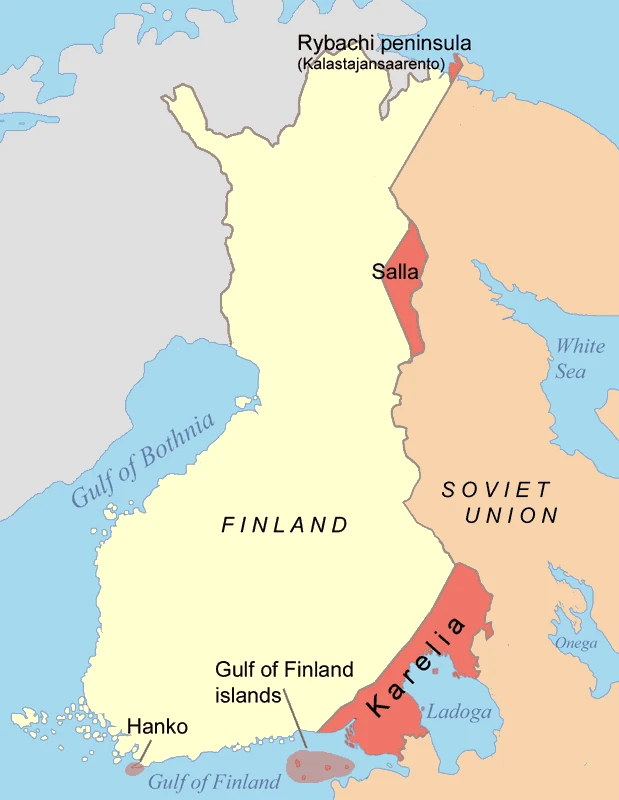
Helsinki under the bombs — 30 November
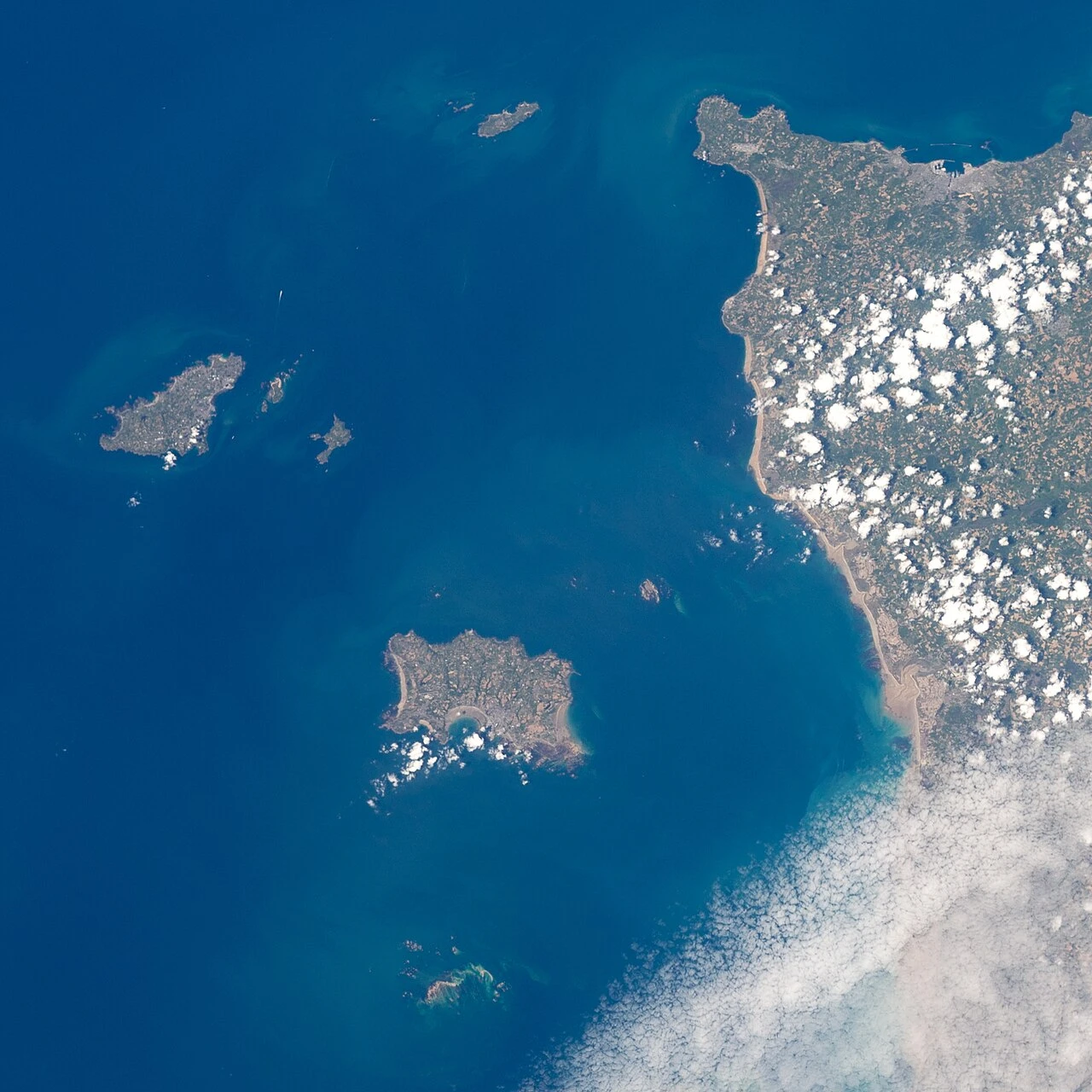
The Channel Islands — open city?
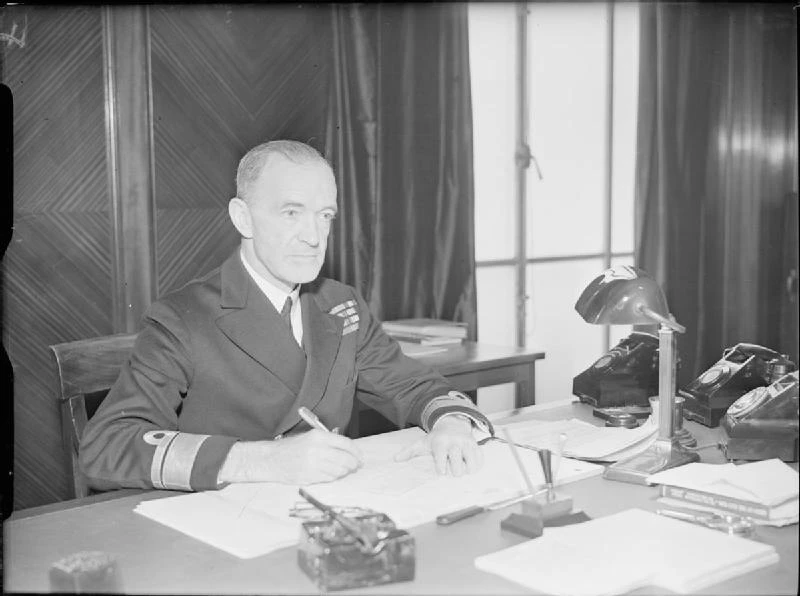
Illustrious under the Stukas
Coventry — the night of November 14
The Second Great Fire of London
Malta besieged — defending the Mediterranean island
Belgrade under the bombs
The last great night of the Blitz
Dowding and the Last Reserves — 15 September 1940
Excess: getting the convoy through under a new threat
Helsinki under the bombs — 30 November
The Channel Islands — open city?