
Odderoya — an identity in the mist
The officers of the Odderoya coastal fort, which guards the entrance to the port of Kristiansand on Norway's southern coast, are on alert on the morning of 9 April 1940. Their work commands the narrow passage through which any vessel must file to reach the city. Norway is neutral and instructions remain ambiguous, but warships are approaching in a thick mist that masks the fjord's entrance.
The gunners open fire on the first silhouettes. Their fire proves dangerously accurate: it repeatedly drives back the motor torpedo boats trying to land men, and holds the squadron at a distance. But visibility is so poor that identification of the ships remains uncertain.
It is then that a message reaches the fort. The captain of the cruiser Karlsruhe, Captain , signals to the Norwegians to cease fire: he claims that the vessels presenting themselves are British and French ships come as friends. In the fog, the Odderoya officers cannot make out the flags. The ruse is plausible — Allied reinforcements had been expected. They must decide whether to continue, to cease, or to demand proof.
Will you continue firing on ships that claim to be allies, or cease fire on their word alone?
The fort effectively slid toward B. Deceived by the mist and by the German signal claiming Allied vessels, the Norwegians reportedly believed they recognised the French tricolour and relaxed their fire, letting the ships force the passage. Kristiansand fell on 9 April 1940; the Karlsruhe landed her troops, before being herself torpedoed that very evening by the British submarine Truant as she left the area. The episode illustrates a recurring weakness of the coastal defence of 1940: without clear rules of engagement or reliable means of identification, resolute garrisons were neutralised by ruse as much as by force. The confusion of flags in the fog has remained a textbook case of the fighting in the Oslofjord and southern Norway.
Learn more about this event
Related polls
10
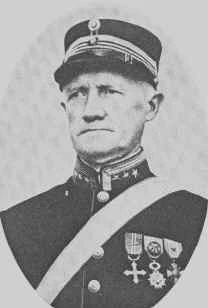
Oscarsborg — the intruder in the Oslofjord
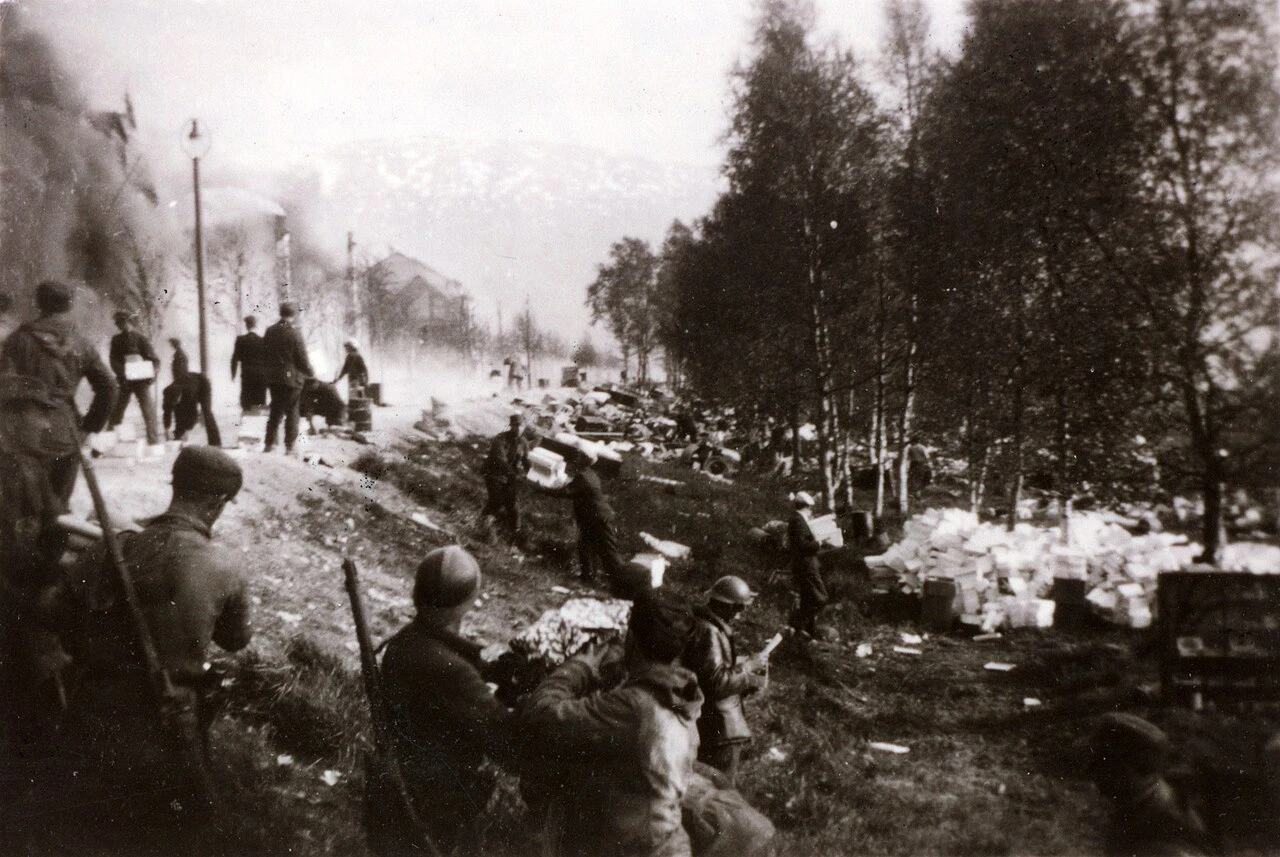
Narvik — the Allied withdrawal
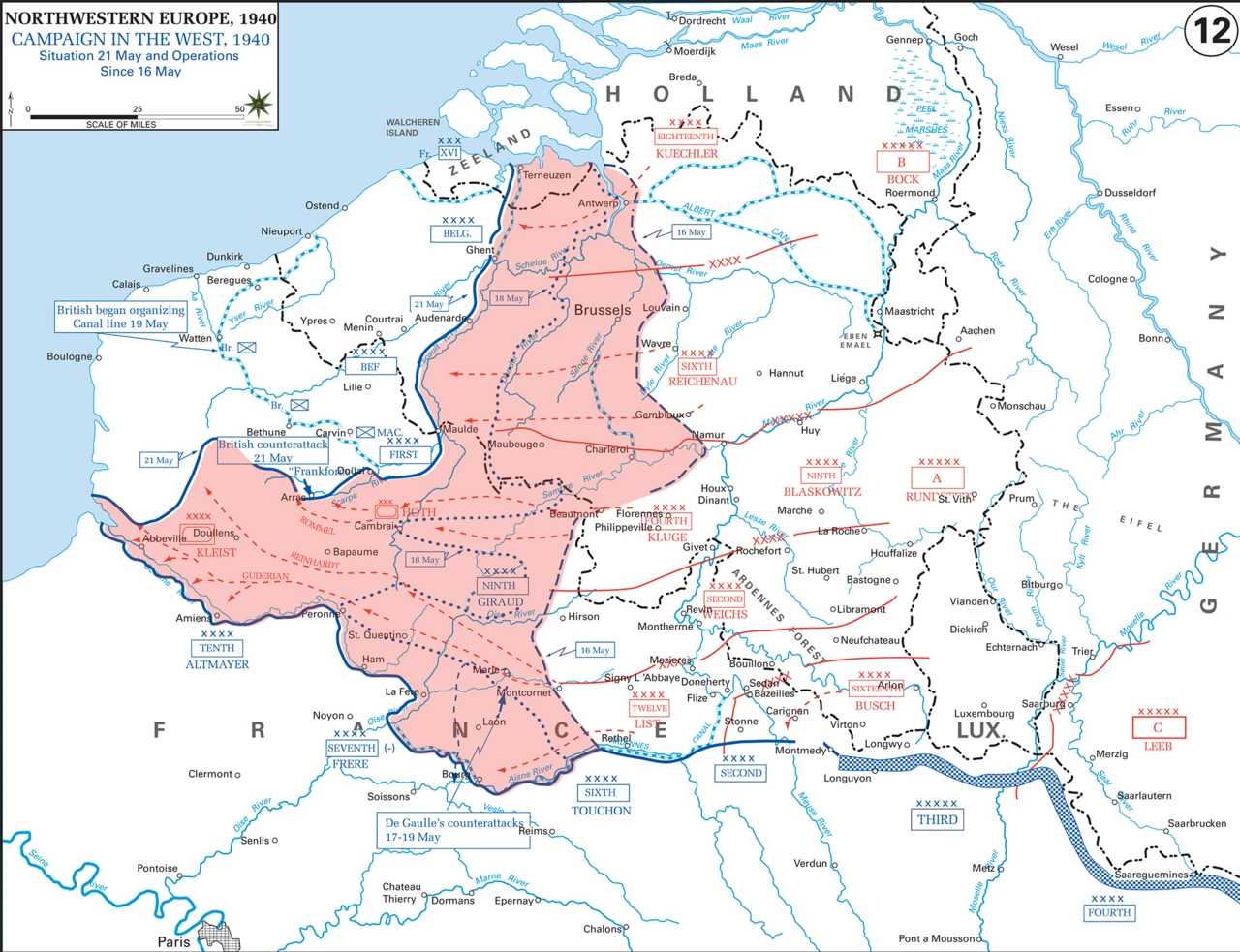
Boulogne — Fox-Pitt and the Guards facing the port
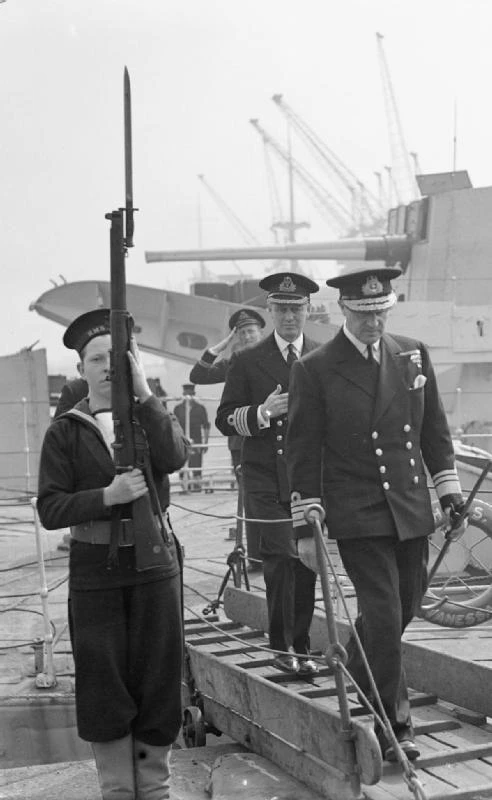
Whitworth and the Warspite — 13 April
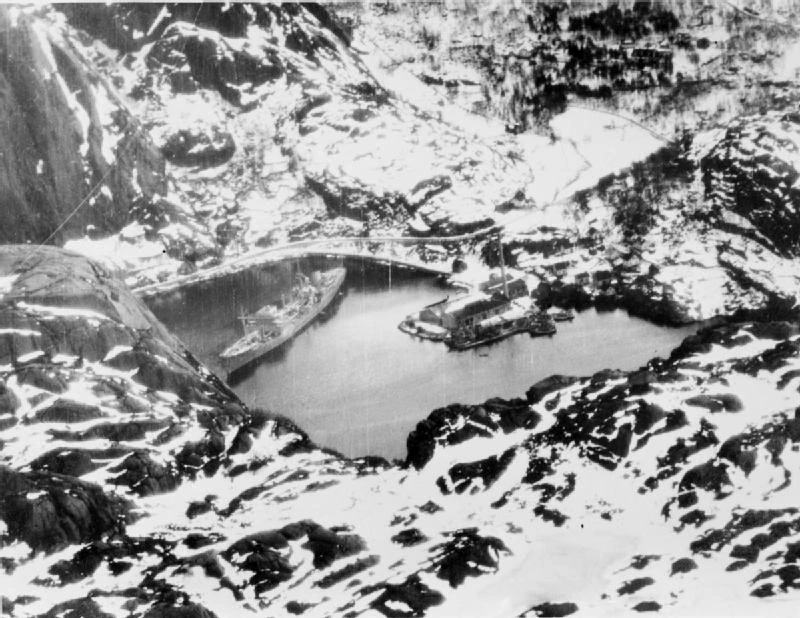
The Altmark affair
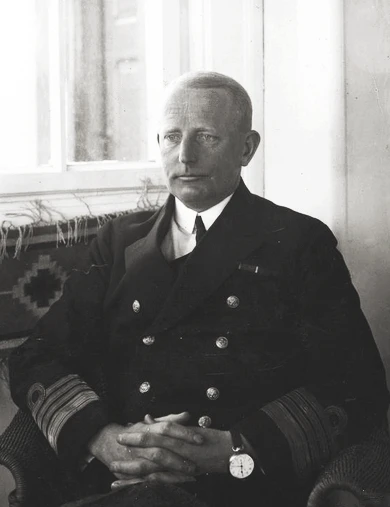
Hel — Unrug faces the German envoy
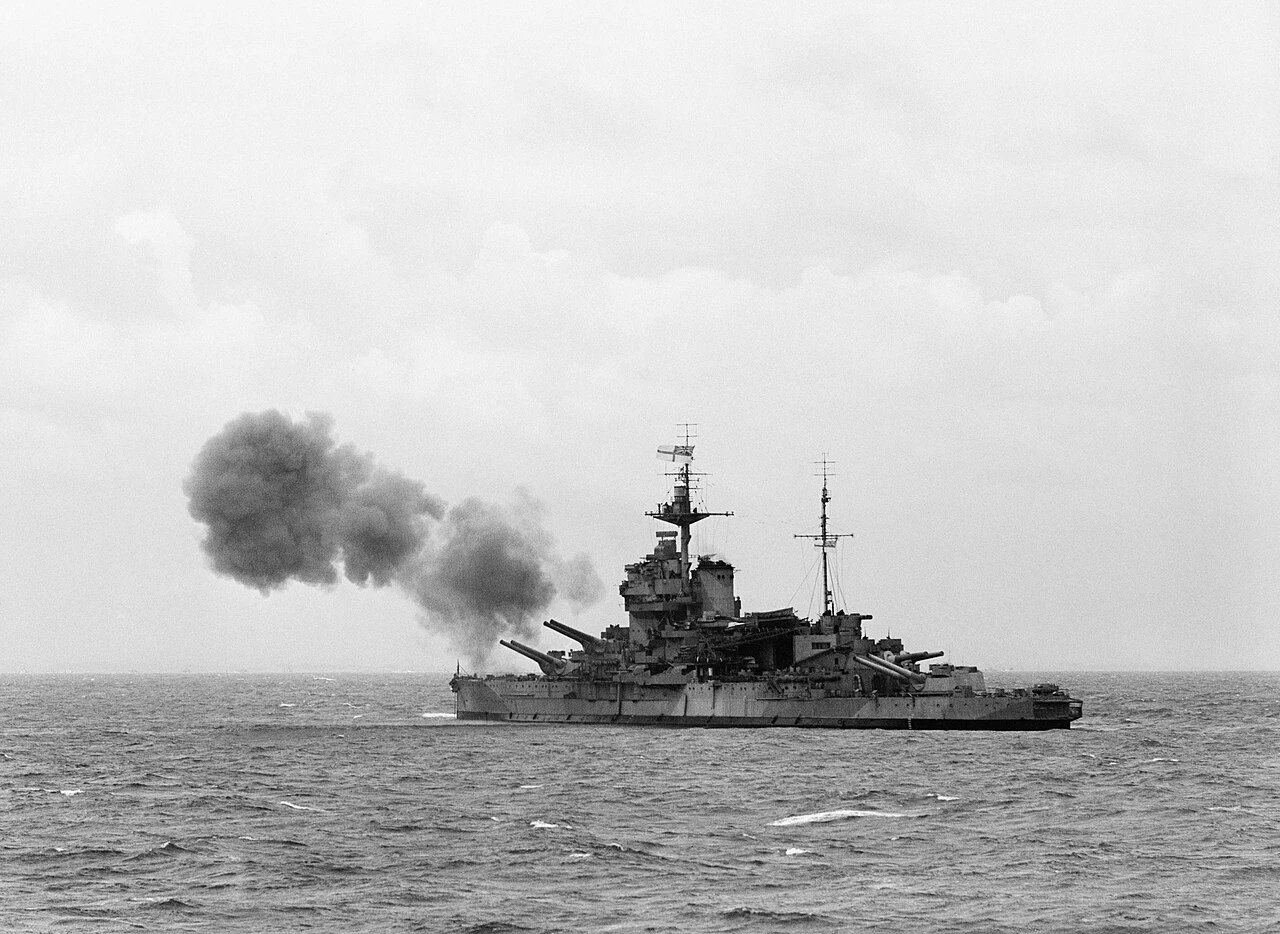
Narvik — too senior an admiral
The abatis of the Chasseurs Ardennais
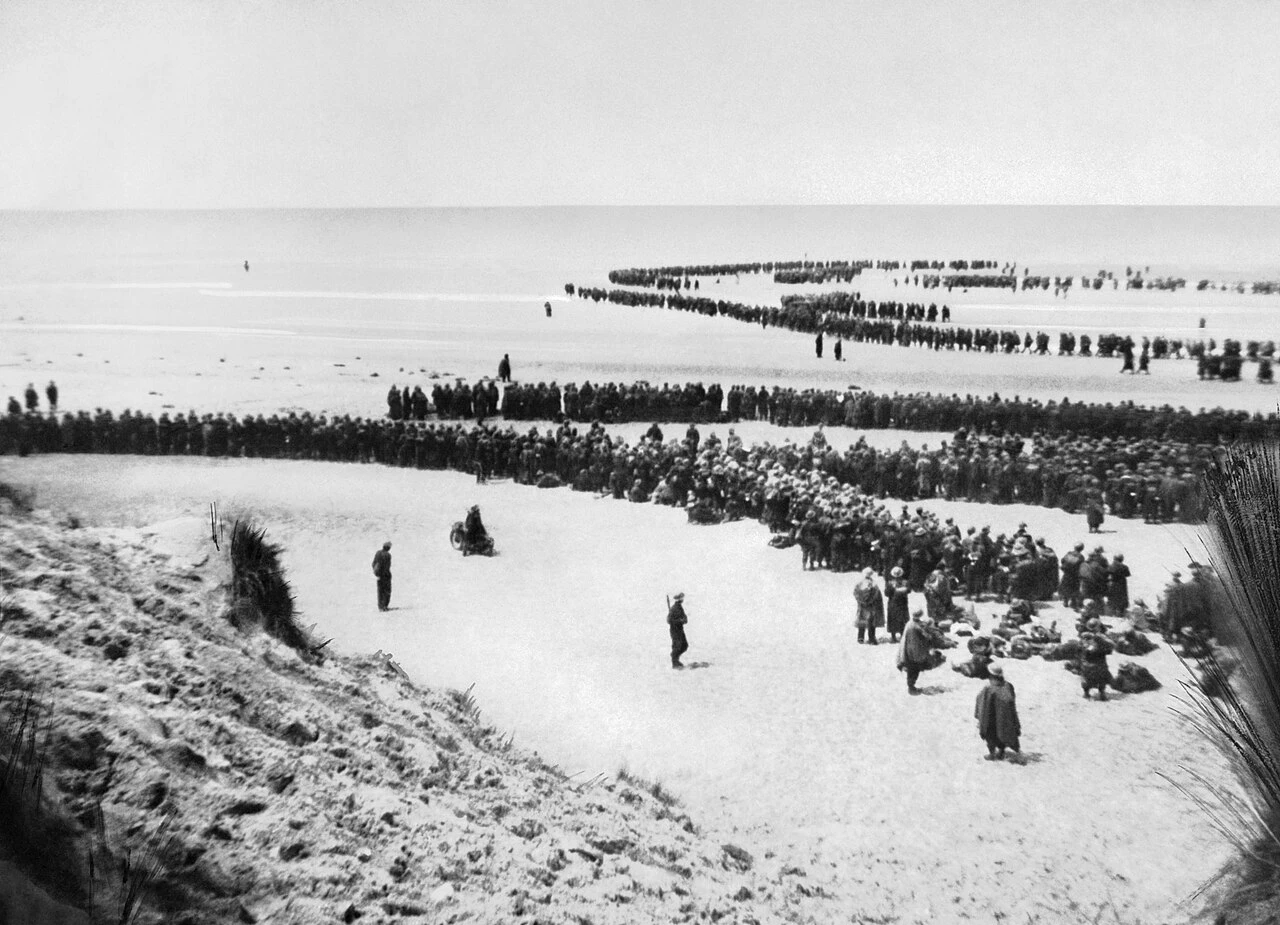
The French Rearguard at Dunkirk
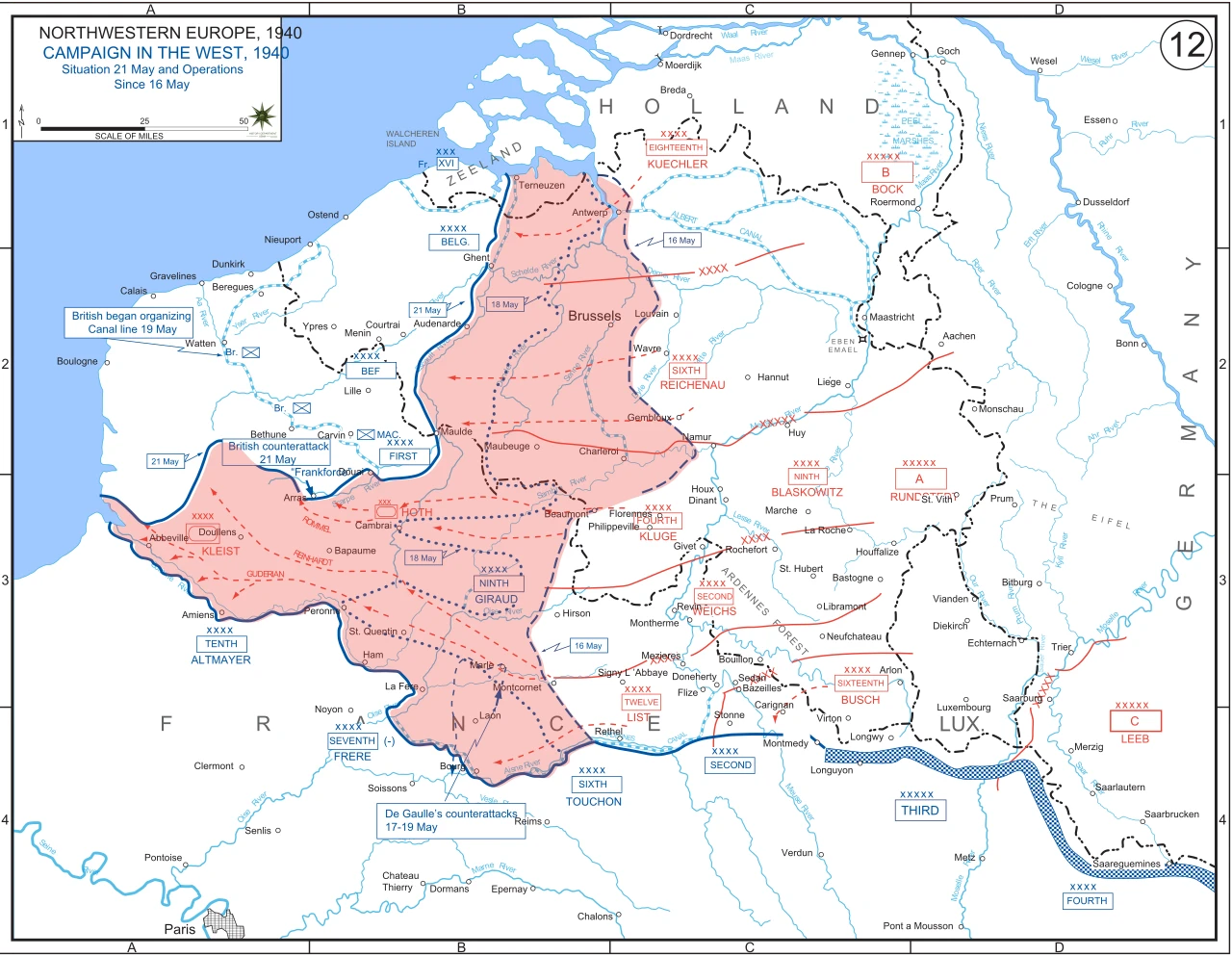
The Battle of the Lys
Oscarsborg — the intruder in the Oslofjord
Narvik — the Allied withdrawal
Boulogne — Fox-Pitt and the Guards facing the port
Whitworth and the Warspite — 13 April
The Altmark affair
Hel — Unrug faces the German envoy
Narvik — too senior an admiral
The abatis of the Chasseurs Ardennais
The French Rearguard at Dunkirk