
Tito — the call to insurrection
Yugoslavia, crushed and dismembered in April 1941, is divided among Germany, Italy, Hungary, Bulgaria and the Ustaše state of Croatia. Terror is unleashed there — Ustaše massacres of Serbs, German repression, persecutions. The Yugoslav Communist Party of , until now held to the line of neutrality of the German-Soviet pact, is freed of this scruple by the invasion of the USSR on 22 June.
Tito must decide on the timing and the form of armed struggle. To unleash a general insurrection at once is to risk being crushed and provoking massive reprisals against civilians; to wait is to let the momentum of popular anger pass and to abandon the ground to the Serbian nationalists (the Chetniks of Mihailović), who are also organizing.
On 4 July 1941, the Communist Central Committee meets. Tito must decide: call for general insurrection and immediate guerrilla warfare; bide his time and confine himself to sabotage and clandestine organization; or subordinate action to a prior understanding with the Chetniks and the government-in-exile.
Should Tito launch the armed insurrection against the occupier now?
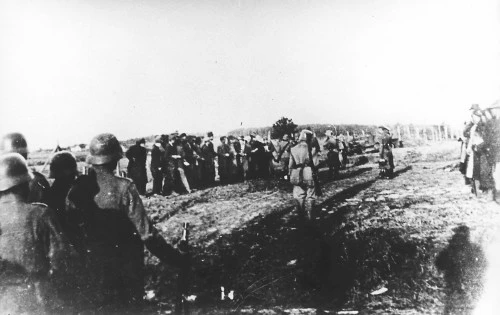
Tito chooses A. On 4 July 1941, the Communist Party calls for insurrection; as early as 7 July, the uprising erupts in Serbia, then spreads. Tito's Partisans, a multi-ethnic and disciplined movement, will become the most powerful resistance in occupied Europe, tying down dozens of Axis divisions. But the choice of immediate struggle also provokes terrible German reprisals (a hundred hostages shot for one soldier killed, as at Kragujevac in October) and a civil war against the Chetniks, who will partly slide into anti-Communist collaboration. At the Liberation, Tito will impose himself as master of Yugoslavia. The call of July 1941 founds an extraordinary resistance — at the price of an unleashing of crossfire violence.
Learn more about this event
Related polls
10
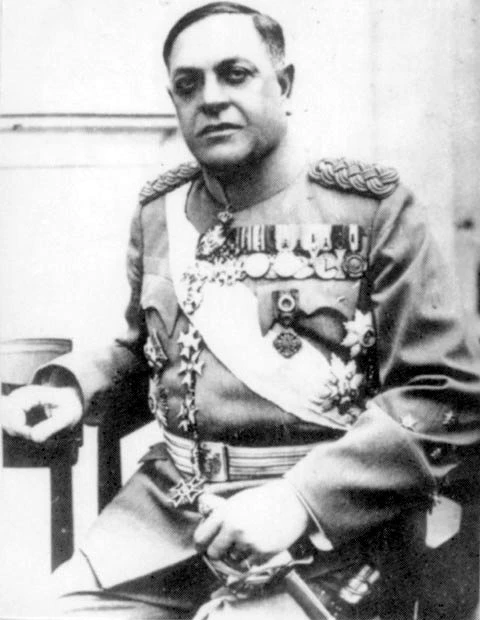
The Belgrade schoolteacher under the occupation
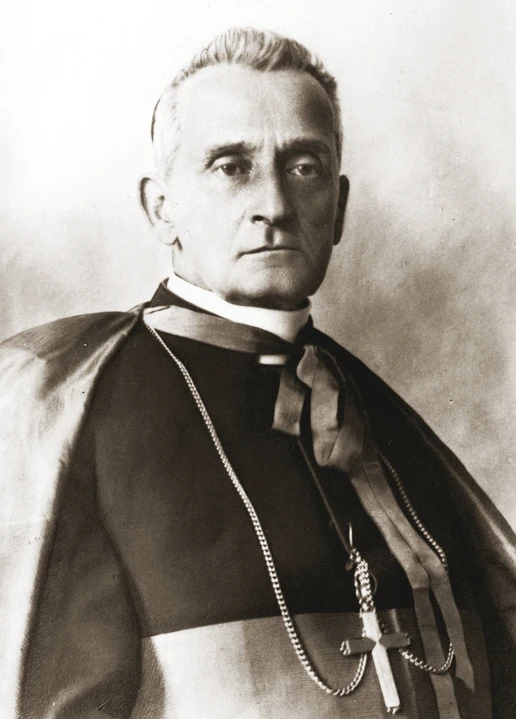
Cardinal Sapieha — Krakow under Occupation
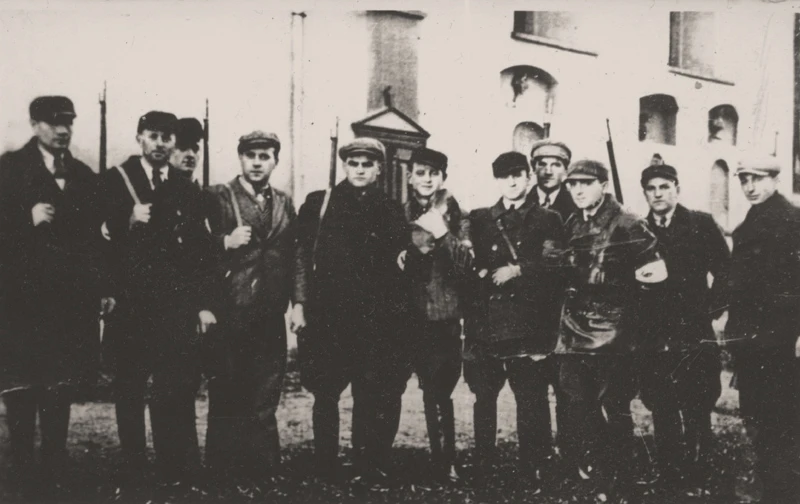
The Volksdeutsche Conscripted into the Selbstschutz
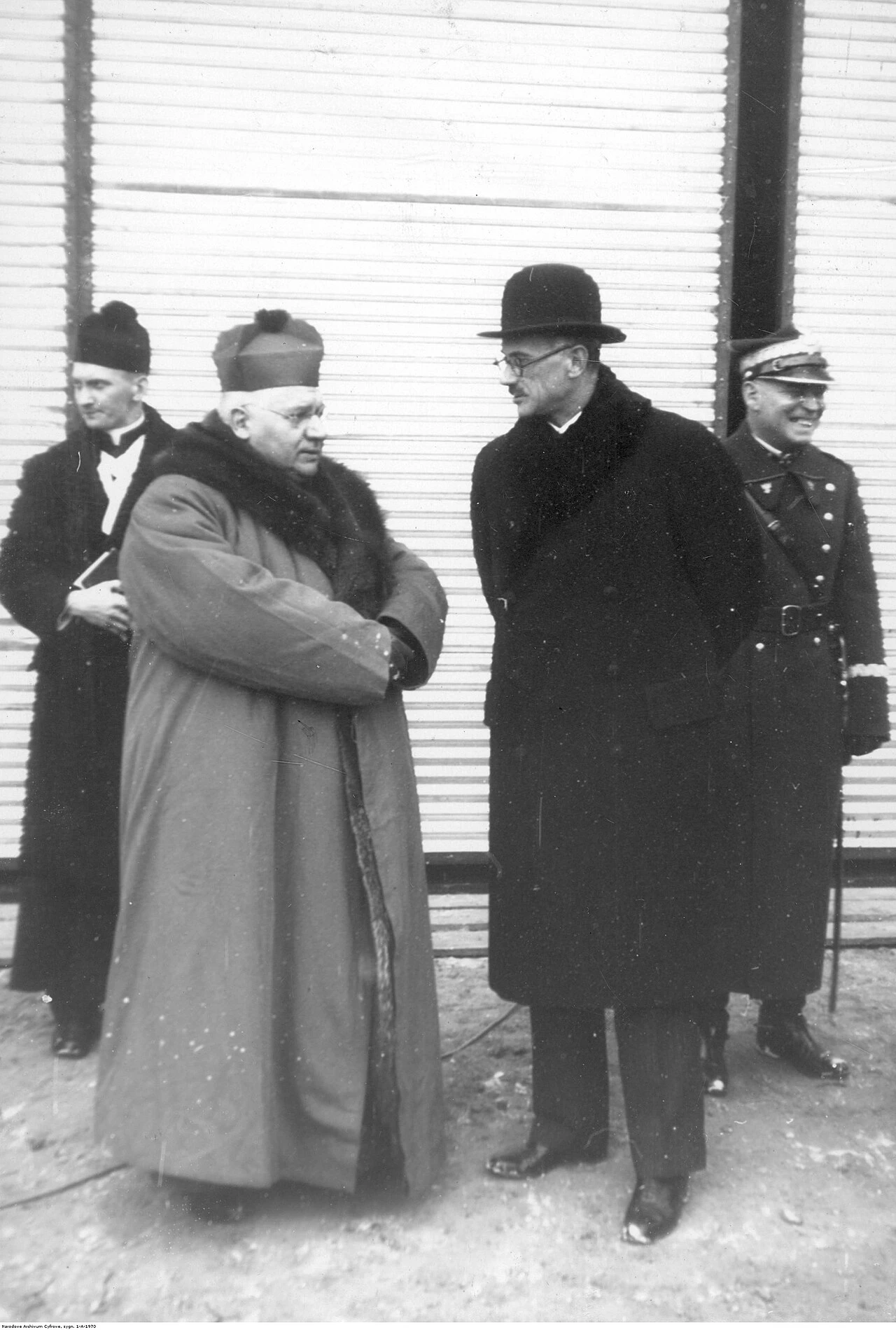
Bishop Adamski in annexed Katowice
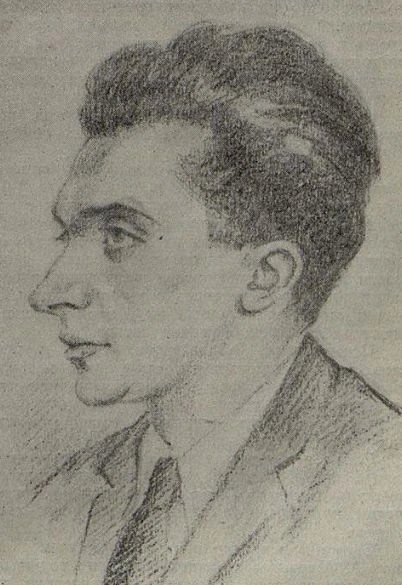
Mieczysław Niedziałkowski — after the arrest
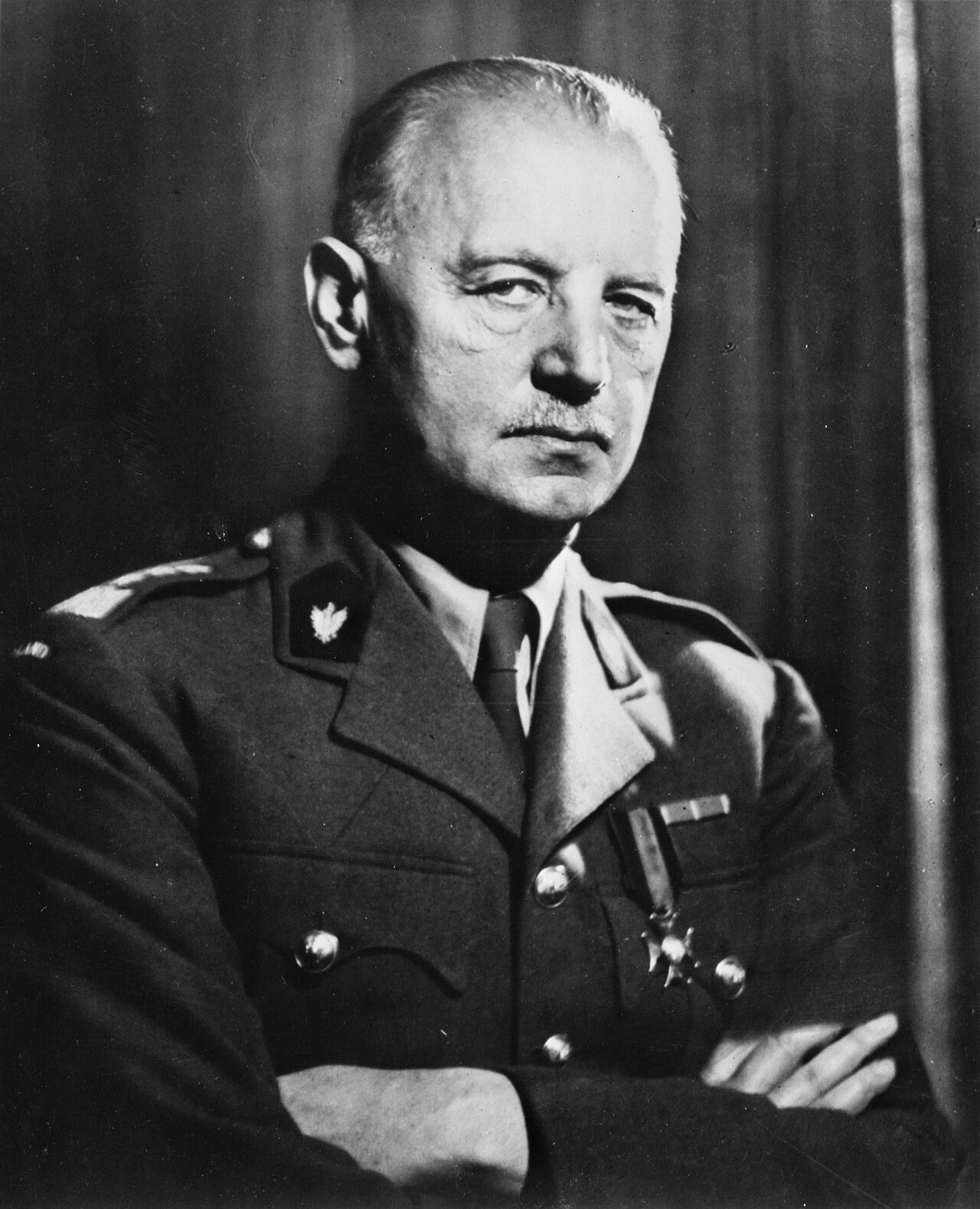
Sikorski leaves Bordeaux — 18 June
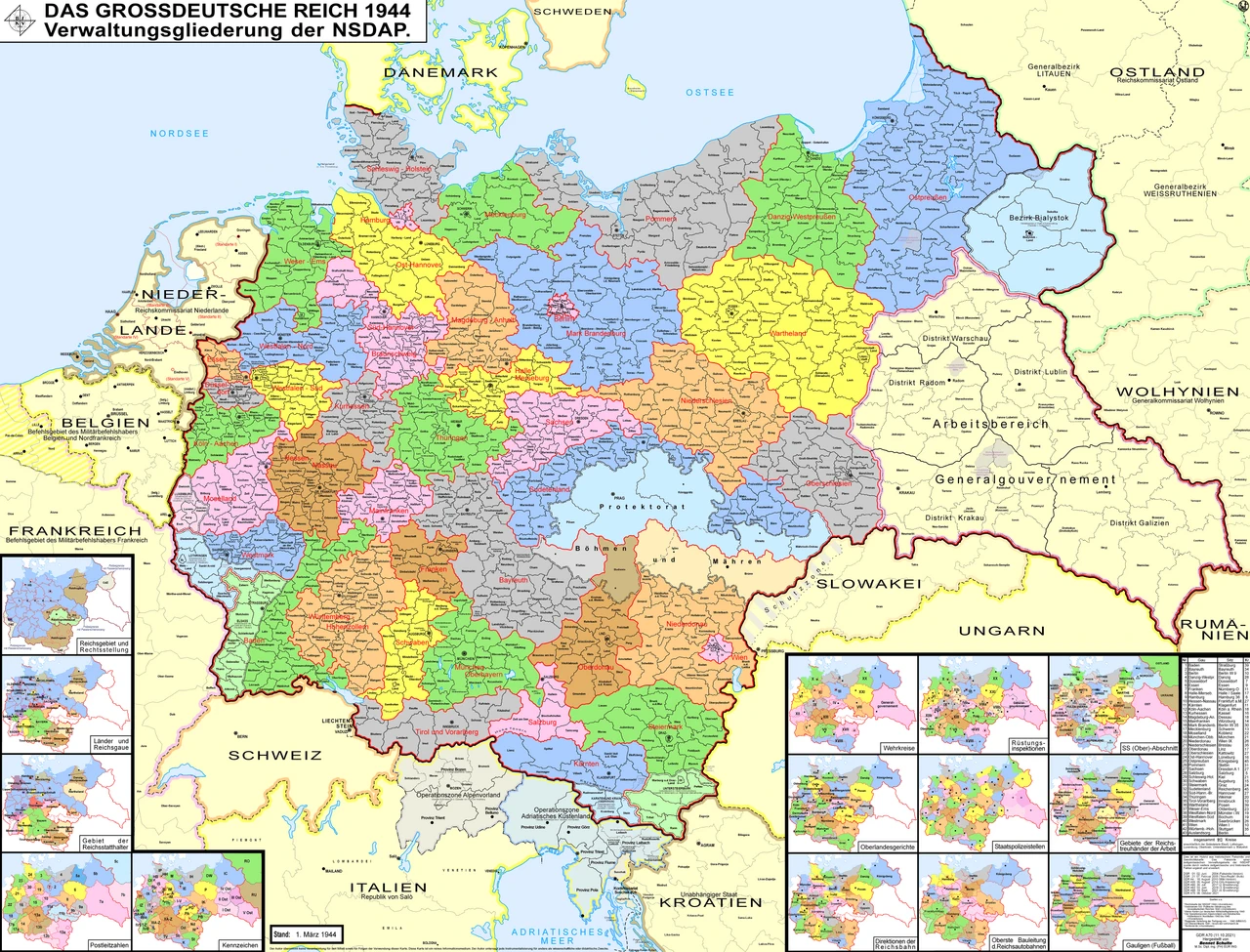
A Schoolteacher of Poznań under the Wartheland
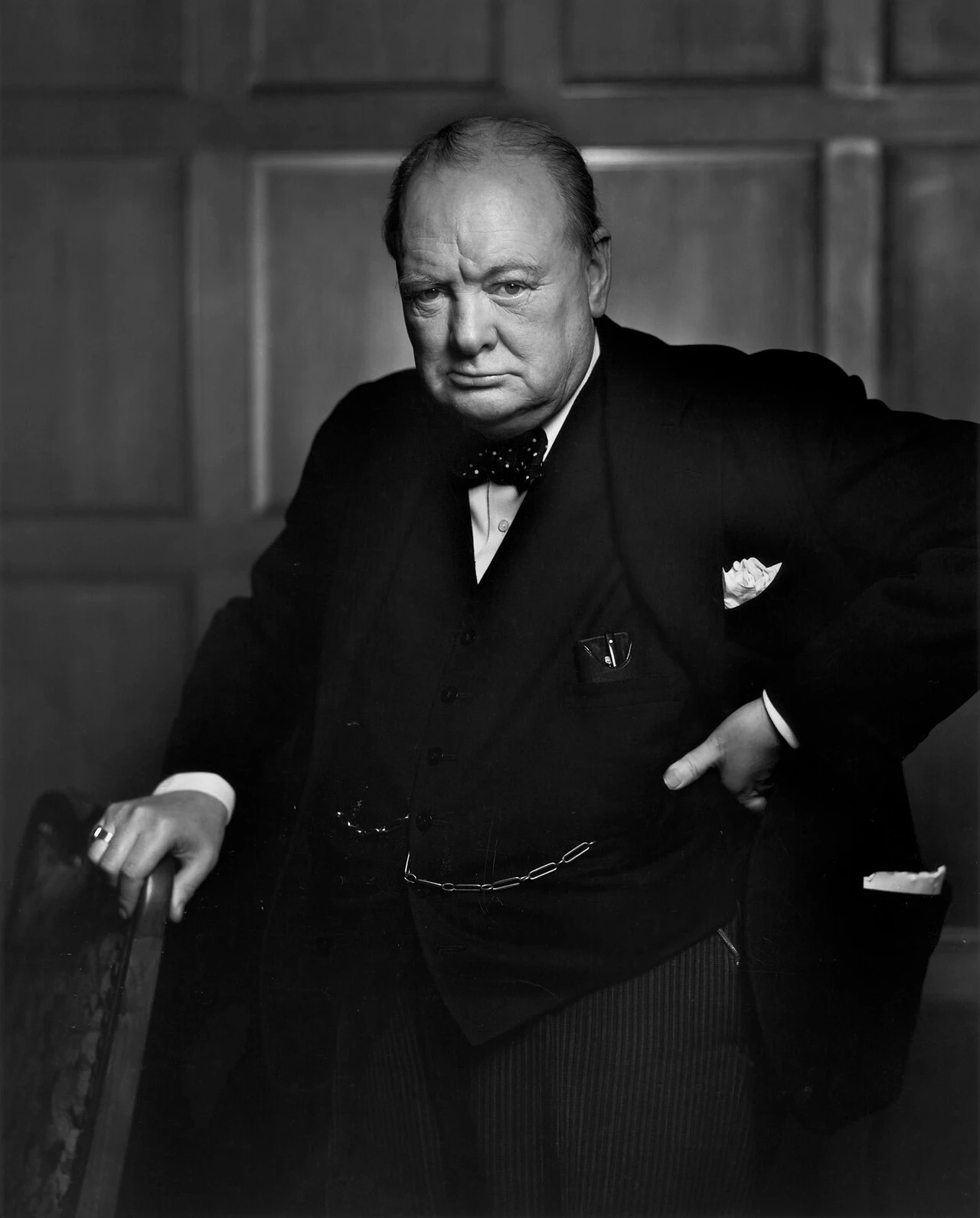
Auchinleck replaces Wavell
De Gaulle at the BBC microphone — 18 June, 18:00
Denouncing the partisans under the terror of reprisals in Serbia
The Belgrade schoolteacher under the occupation
Cardinal Sapieha — Krakow under Occupation
The Volksdeutsche Conscripted into the Selbstschutz
Bishop Adamski in annexed Katowice
Mieczysław Niedziałkowski — after the arrest
Sikorski leaves Bordeaux — 18 June
A Schoolteacher of Poznań under the Wartheland
Auchinleck replaces Wavell
De Gaulle at the BBC microphone — 18 June, 18:00