
Vinson and the Two-Ocean Navy Act
In the winter of 1939-1940, the US Navy fielded 760,000 tons of combat ships — less than the Royal Navy (1.3 million tons) and the Imperial Japanese Navy (910,000 tons). American doctrine, however, called for readiness to wage simultaneous war in the Atlantic, against Germany, and in the Pacific, against Japan. But the current budget did not allow two fleets to be armed at once.
, 56, a Georgia Democrat, had chaired the House Naval Affairs Committee since 1931: he was one of the most listened-to voices in the country on naval matters. Together with Admiral , Chief of Naval Operations, he proposed a massive construction programme, the Two-Ocean Navy Act, designed to bring the fleet up to 1.9 million tons in 5 years — enough to operate simultaneously on two oceans.
The programme called for 18 battleships, including those of the Iowa and Montana classes, 11 carriers of the Essex class, 27 cruisers, 115 destroyers, 43 submarines, and 15,000 carrier aircraft, for a budget of 8.5 billion dollars — equivalent to 175 billion today.
All through the winter of 1939-1940, Vinson conducted a relentless lobbying campaign in Congress. The isolationists, gathered around Lindbergh and Senator Borah, opposed it: "we are preparing for war while preaching peace". Roosevelt, for his part, backed the project behind the scenes, without publicity, with the November 1940 presidential election in view.
Vinson had to choose his moment.
Should Vinson push for a quick vote?
Vinson applied B and strategically bided his time. The fall of France, on 22 June 1940, transformed American opinion: the combined naval threat from the Axis and Japan became suddenly obvious. The Two-Ocean Navy Act was passed by an overwhelming majority on 19 July 1940 — 76 votes to 1 in the Senate, 316 to 0 in the House —, one of the most consensual votes in American history on a major military question. The nation's shipyards were rebuilt at forced march from 1940 to 1945, during which time 3.1 million tons of ships came down the slipways — more than all the world's other navies combined. The American shipbuilding industry became the first in the world, a rank it would hold for 80 years, and this capacity made possible both the victory in the Pacific in 1945 and postwar naval supremacy. Vinson would remain at the head of the Naval Affairs Committee until 1965; nicknamed "the father of the modern American Navy", he died in 1981, aged 97. The Two-Ocean Navy Act remains the most decisive piece of legislation behind Allied naval victory.
Learn more about this event
Related polls
10
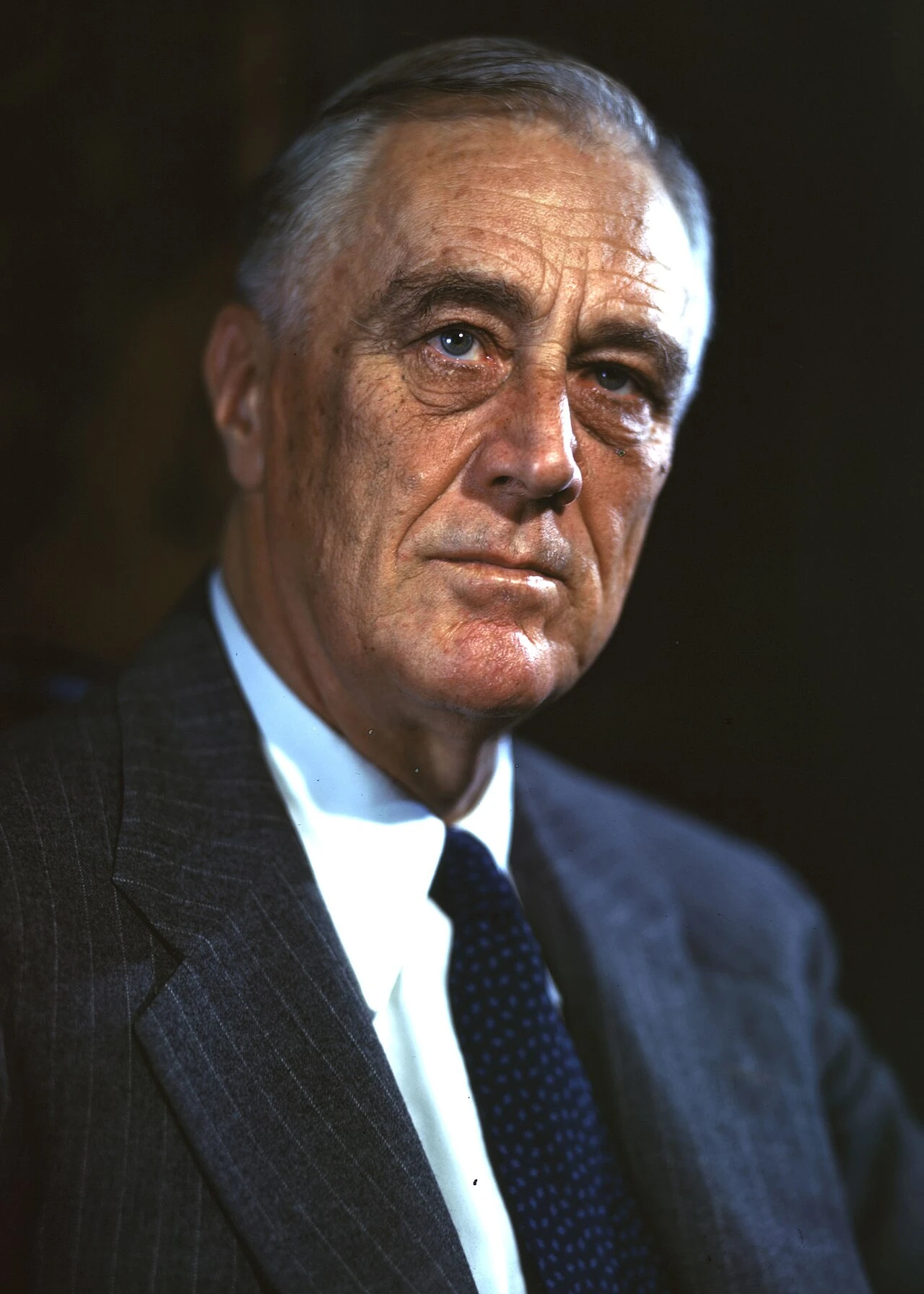
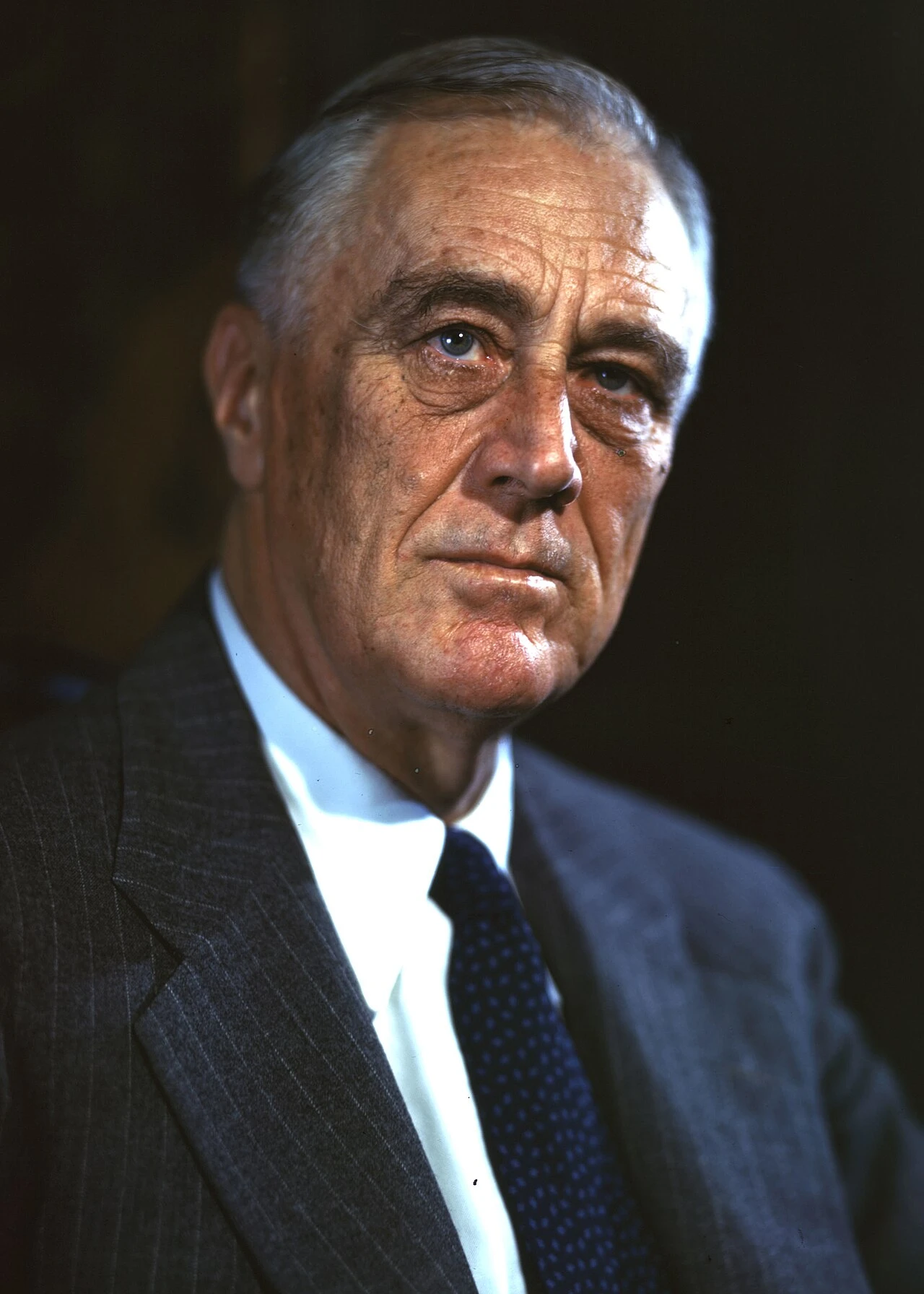
Roosevelt — destroyers for bases
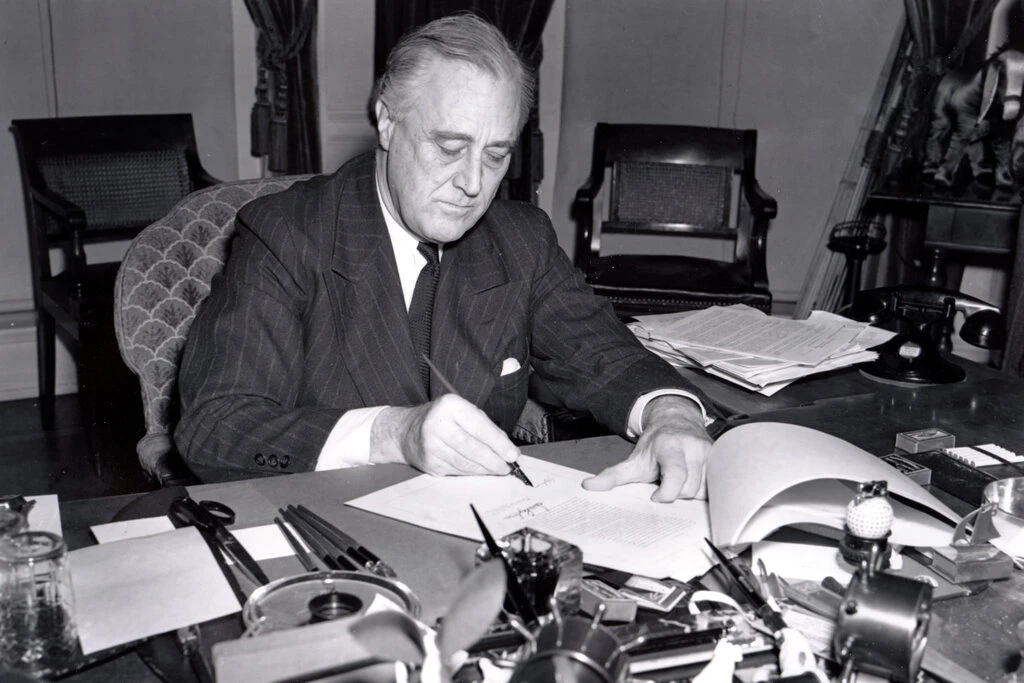
Roosevelt and the Squadron for Singapore — Washington, October 1940
Washington, March 1941: Arming Without Entering the War

Borakowski and the merchant fleet
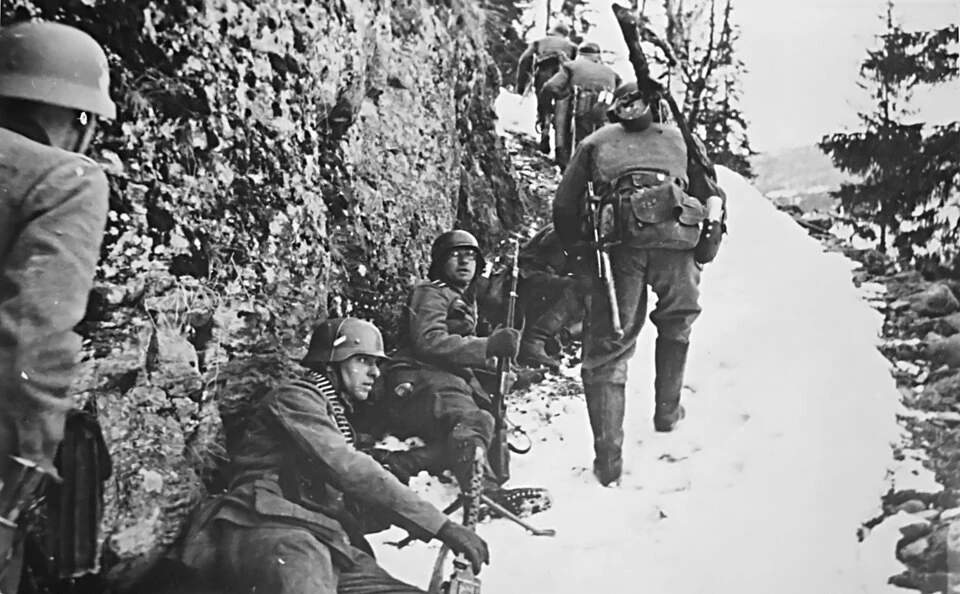
Weserübung — directive of 1 March
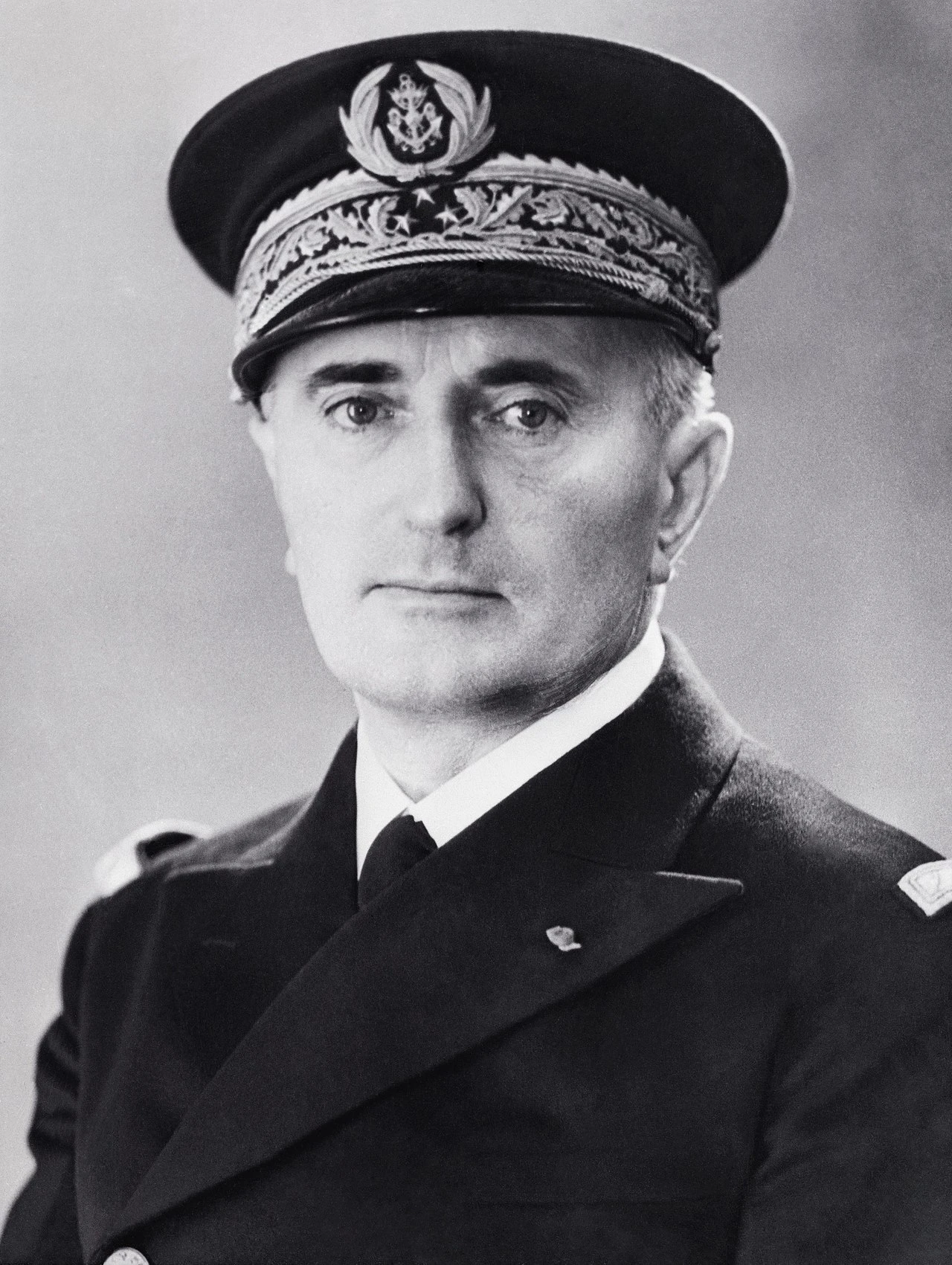
Darlan and the fleet — 20 June
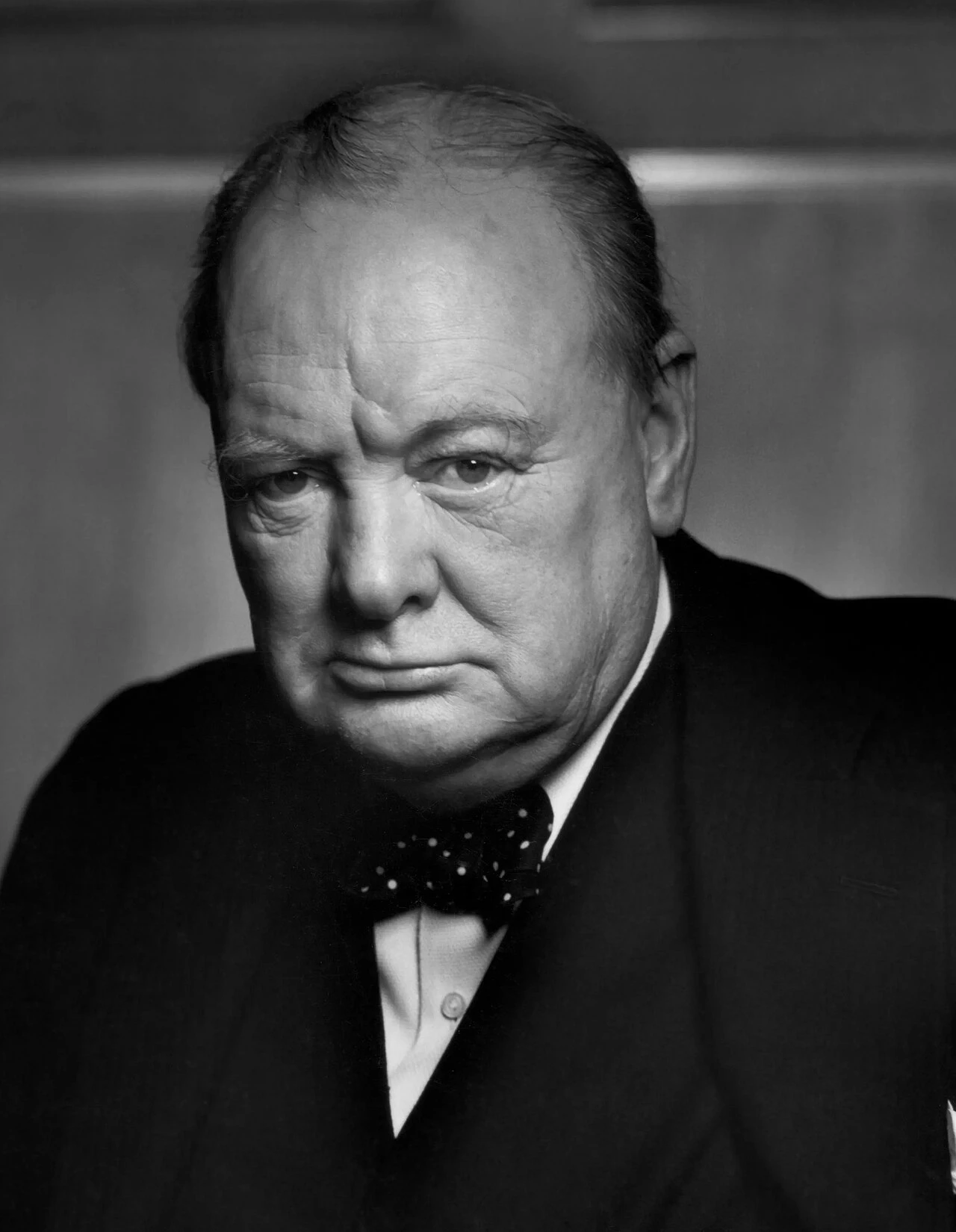
Mining the Rhine — Operation Royal Marine
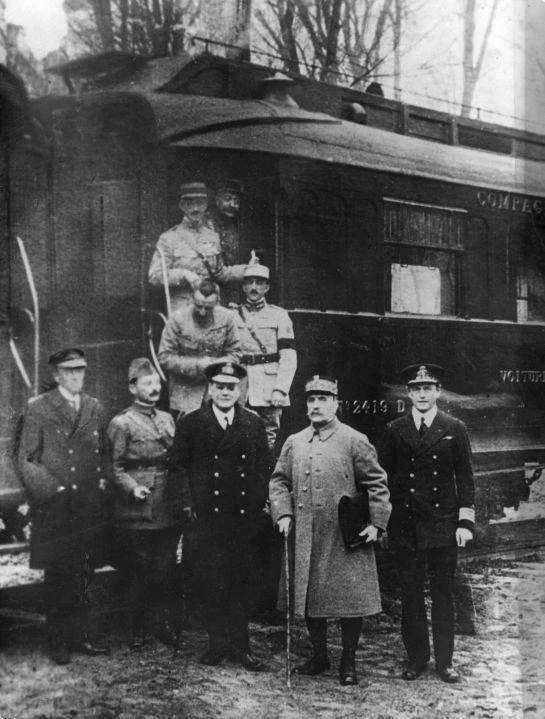
Rethondes — Article 8 on the Fleet
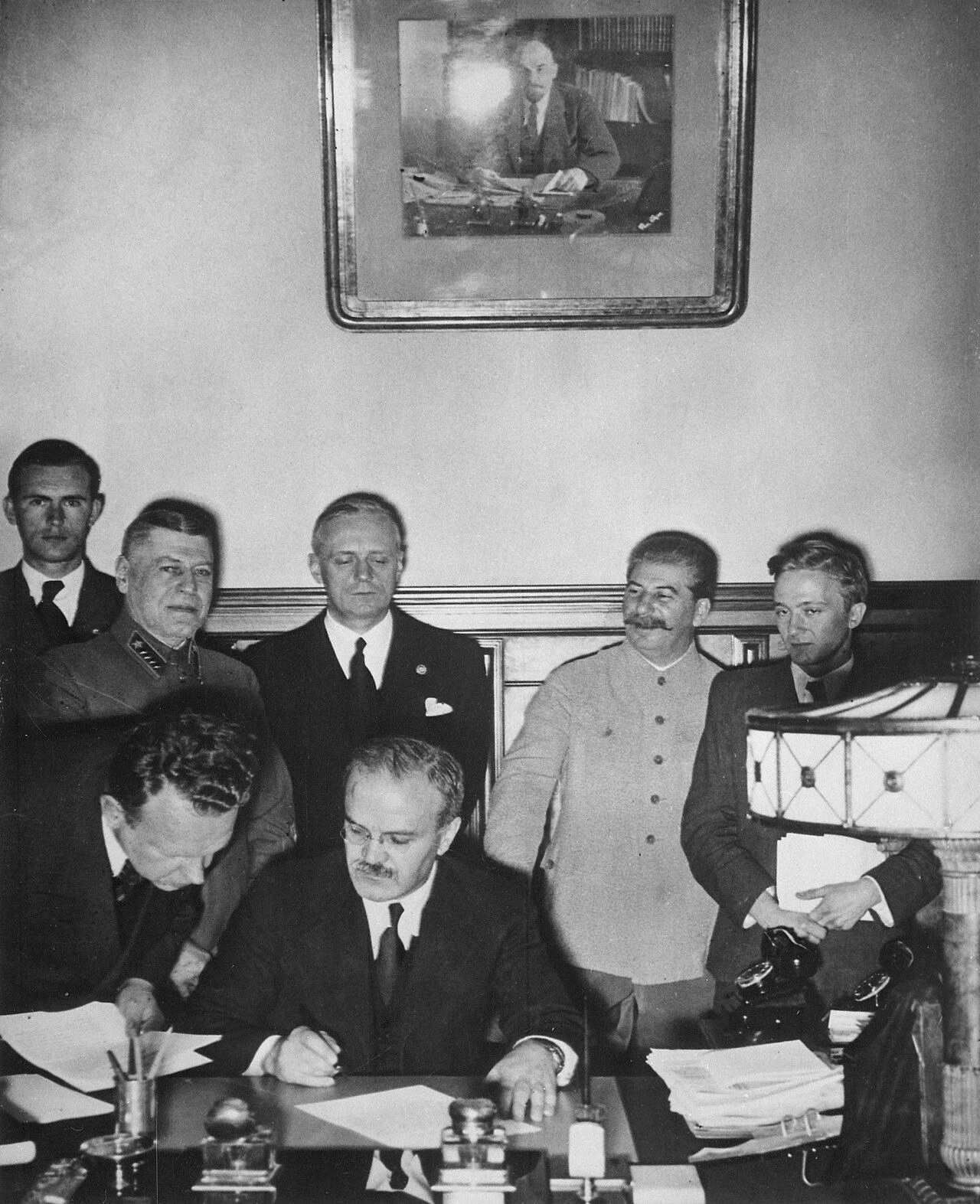
Schnurre in Moscow — the Commercial Agreement
Germany first, even before the war
Roosevelt — destroyers for bases
Roosevelt and the Squadron for Singapore — Washington, October 1940
Washington, March 1941: Arming Without Entering the War
Borakowski and the merchant fleet
Weserübung — directive of 1 March
Darlan and the fleet — 20 June
Mining the Rhine — Operation Royal Marine
Rethondes — Article 8 on the Fleet
Schnurre in Moscow — the Commercial Agreement