
On the evening of 16 June 1940 in Bordeaux, , Prime Minister since 21 March, is surrounded by the partisans of armistice: Marshal Pétain, Generalissimo Weygand, and several ministers such as Chautemps and Baudouin. At the Council of Ministers the tendency in favour of halting the fighting now dominates.
Reynaud is exhausted by three weeks of unbroken crisis. He has just seen his Franco-British union project rejected, dismissed by Pétain as a "fusion with a corpse." His entourage, even in his private life, pushes him to yield. He himself remains in favour of continuing the war from North Africa, but no longer has a clear majority in the government.
Before President of the Republic , Reynaud must decide what course to take: try to force a majority to transfer the fight overseas, ask for a conditional armistice to buy time, or step down and leave to others the responsibility of halting the combat.
At 22:00, should Reynaud resign, force continuation of the war, or attempt a conditional armistice?
Reynaud chooses B: he resigns at 22:00. The night of 16 June thus seals the fate of the last wartime government of the Third Republic. Lebrun immediately calls on Pétain, who forms his government during the night and asks for an armistice the following noon. Reynaud, isolated and sidelined, will suffer a car accident near Sète at the end of June, in which his companion dies. Arrested by Vichy in 1941, tried, then deported to Germany (Sachsenhausen, Itter) from 1942 to 1945, he survives and resumes a political career under the Fourth and then the Fifth Republic. His resignation of 16 June marks France's tipping into armistice and the end of the parliamentary Republic, formalized three weeks later at Vichy.
Learn more about this event
Related polls
10
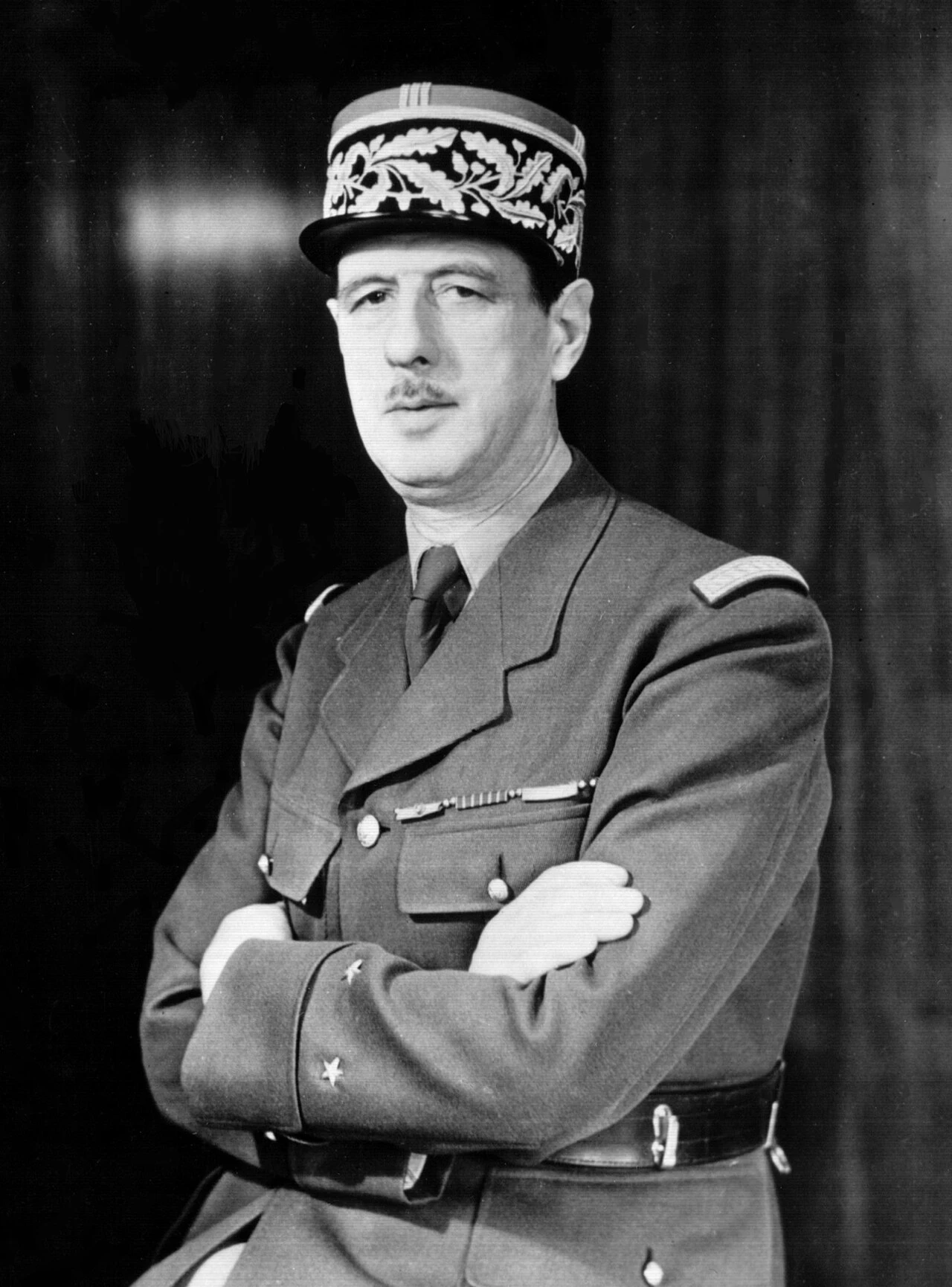
De Gaulle joins the government — 5 June
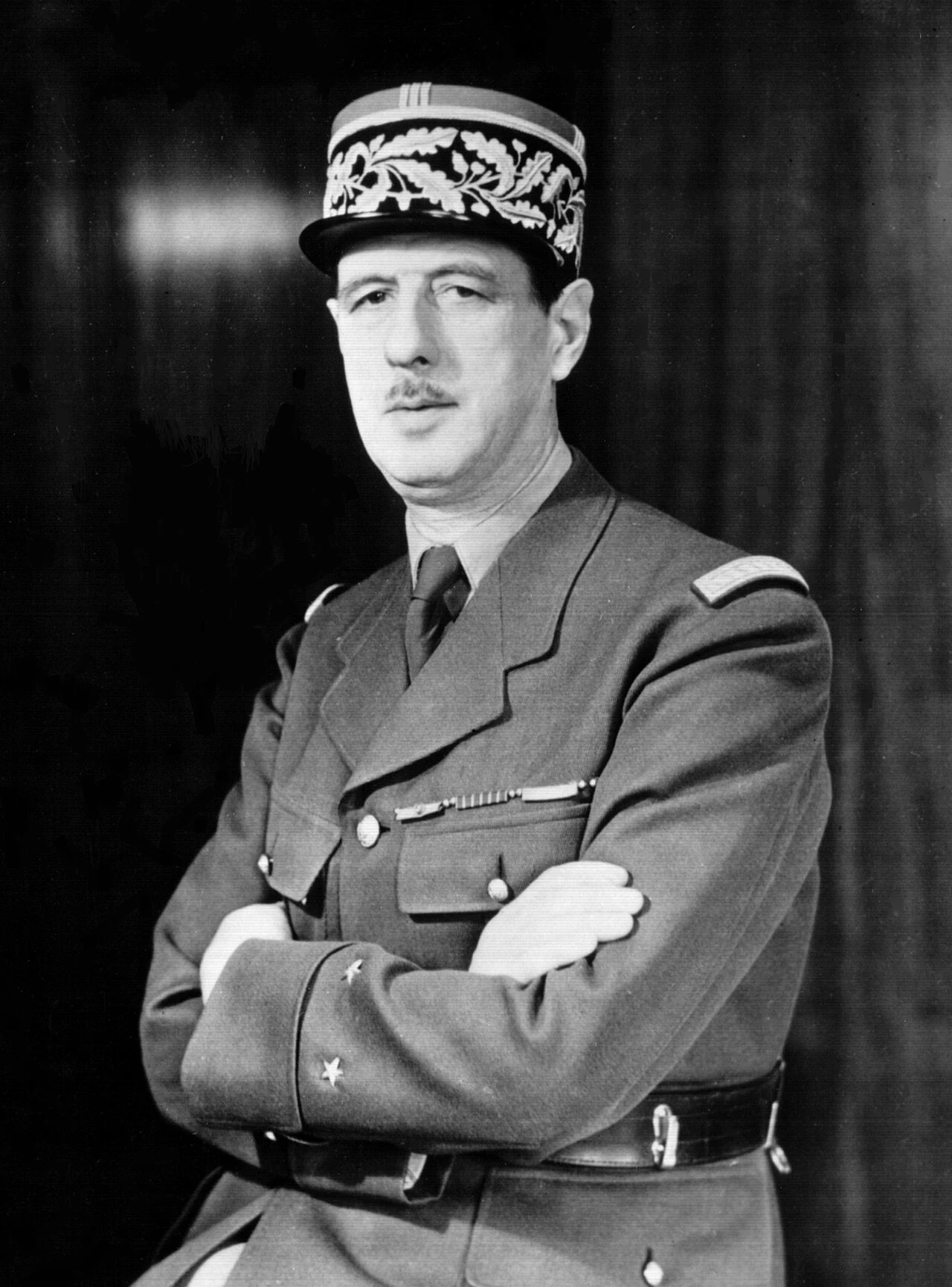
The Franco-British union — 16 June
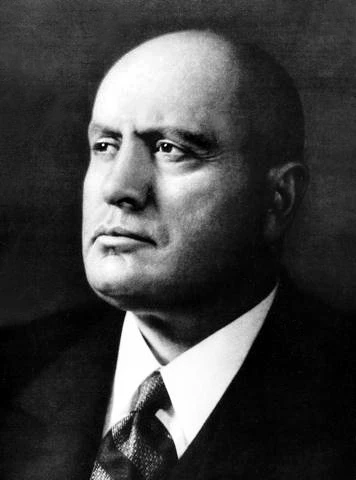
Mussolini on the Riviera — 21 June
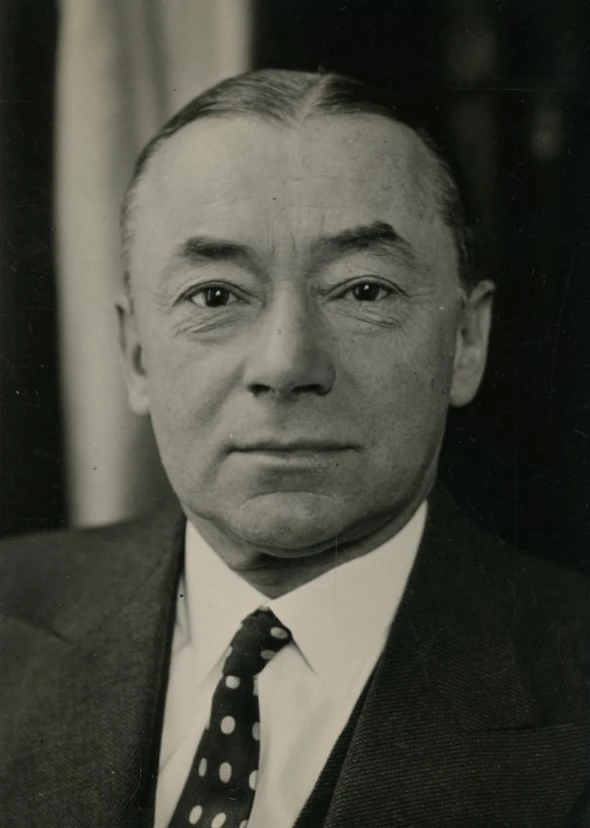
Reynaud — Matignon 21 March
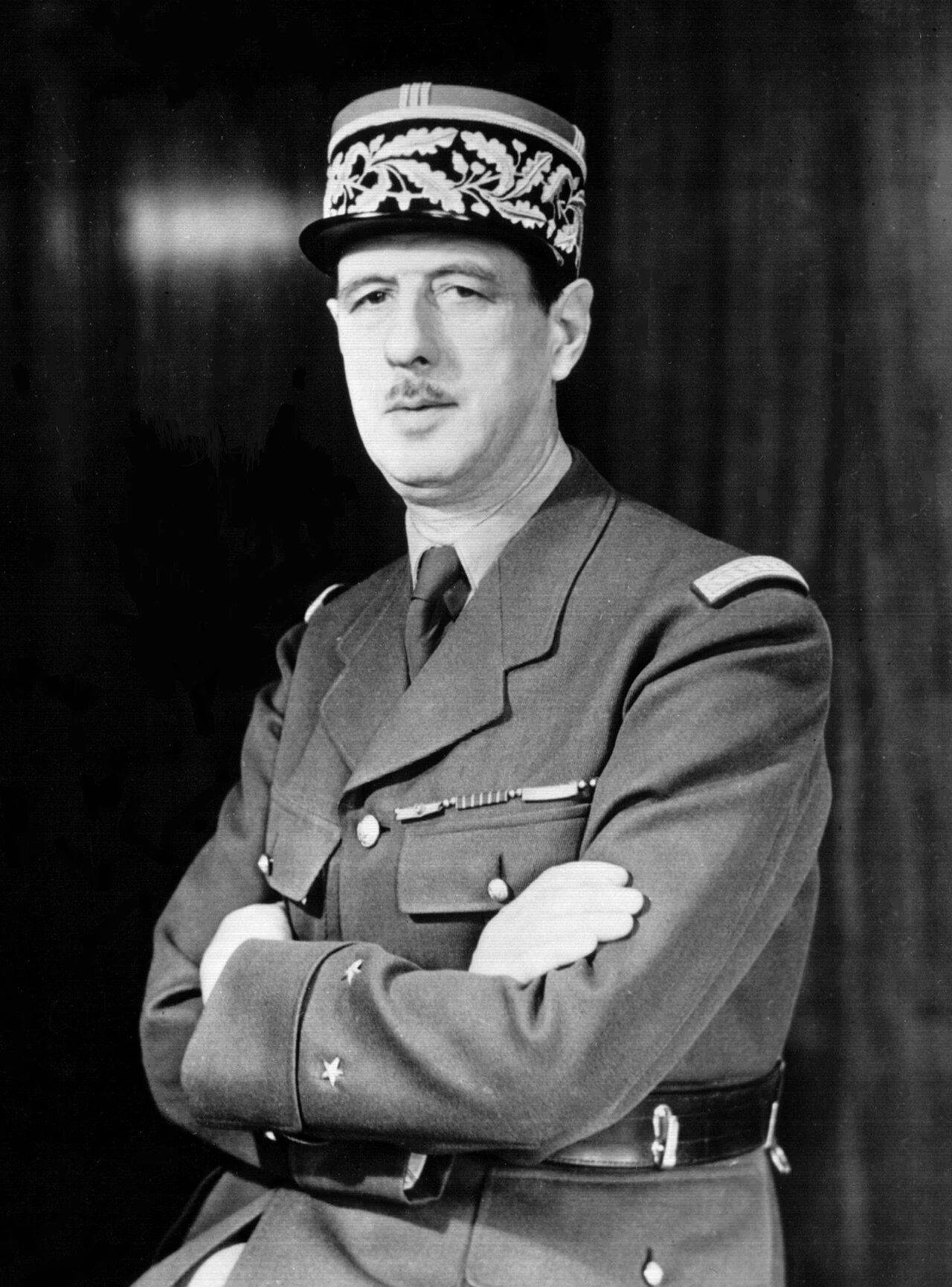
De Gaulle calls on Churchill — 9 June
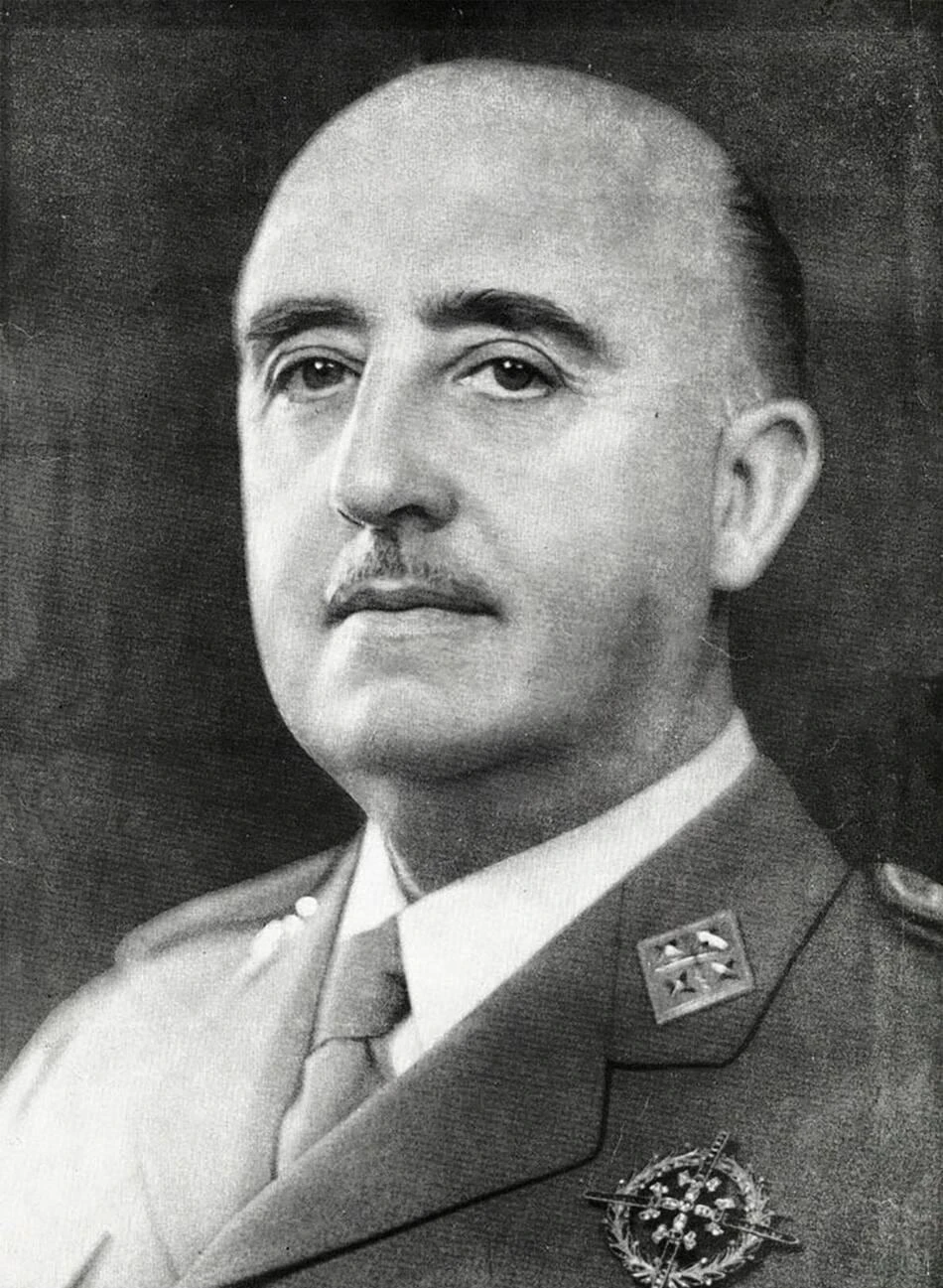
Franco at Hendaye — October 23
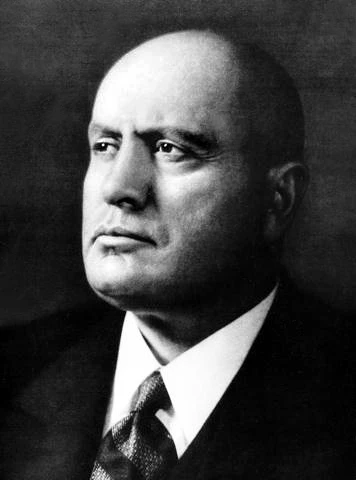
Mussolini at the Palazzo Venezia — early June
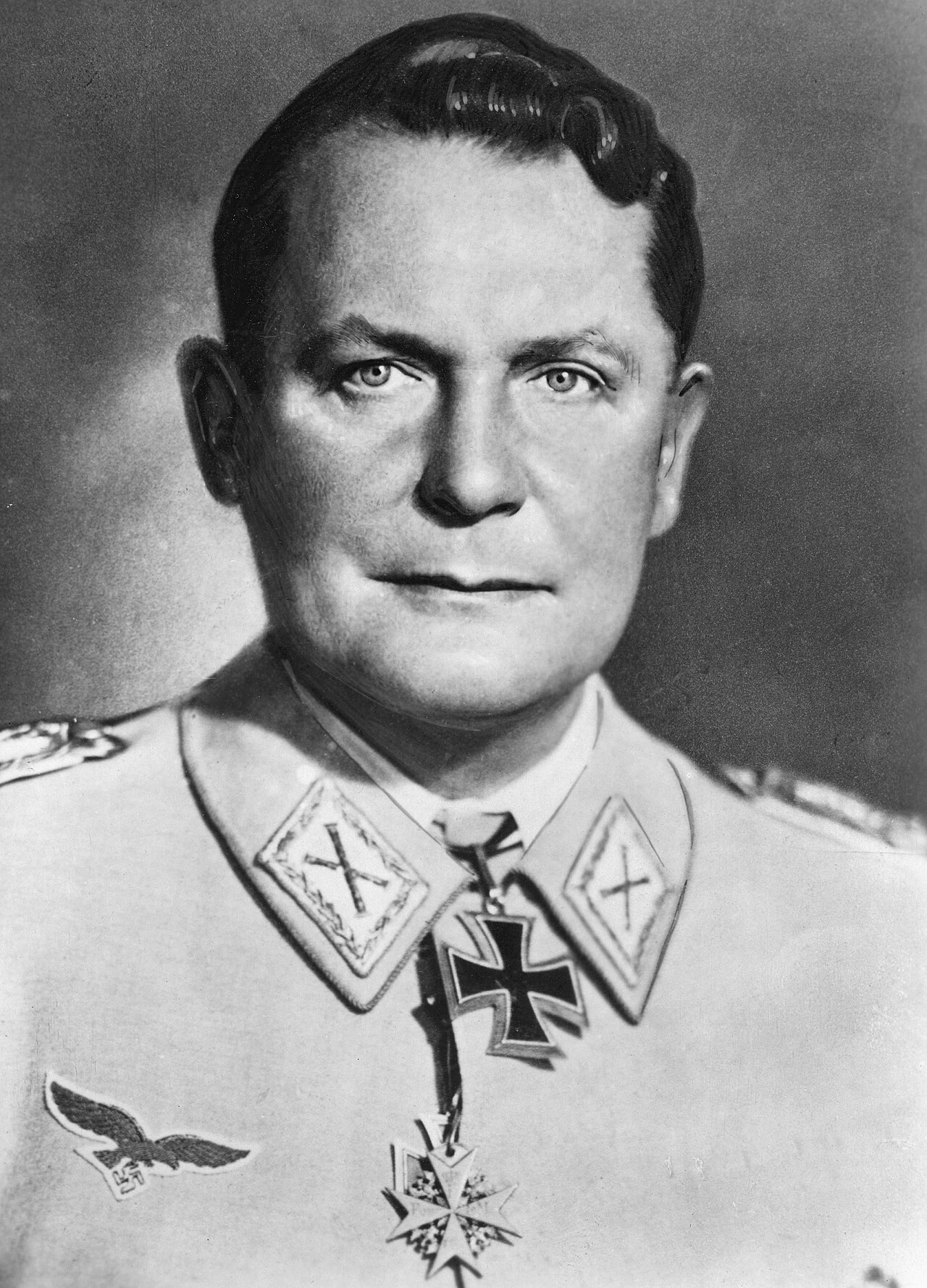
Goering at Carinhall — the promise to Hitler
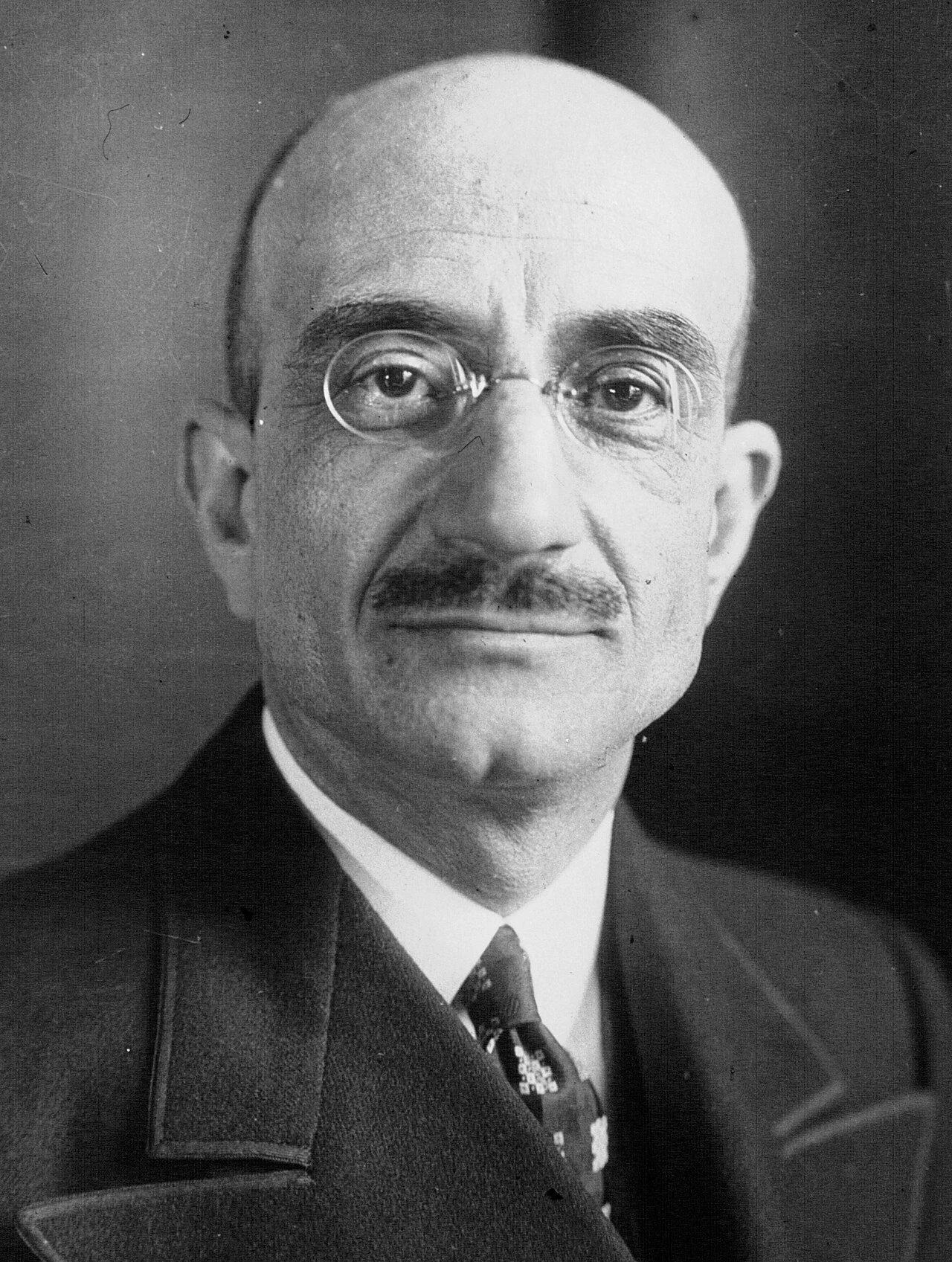
Langeron — Prefecture of Police, 14 June
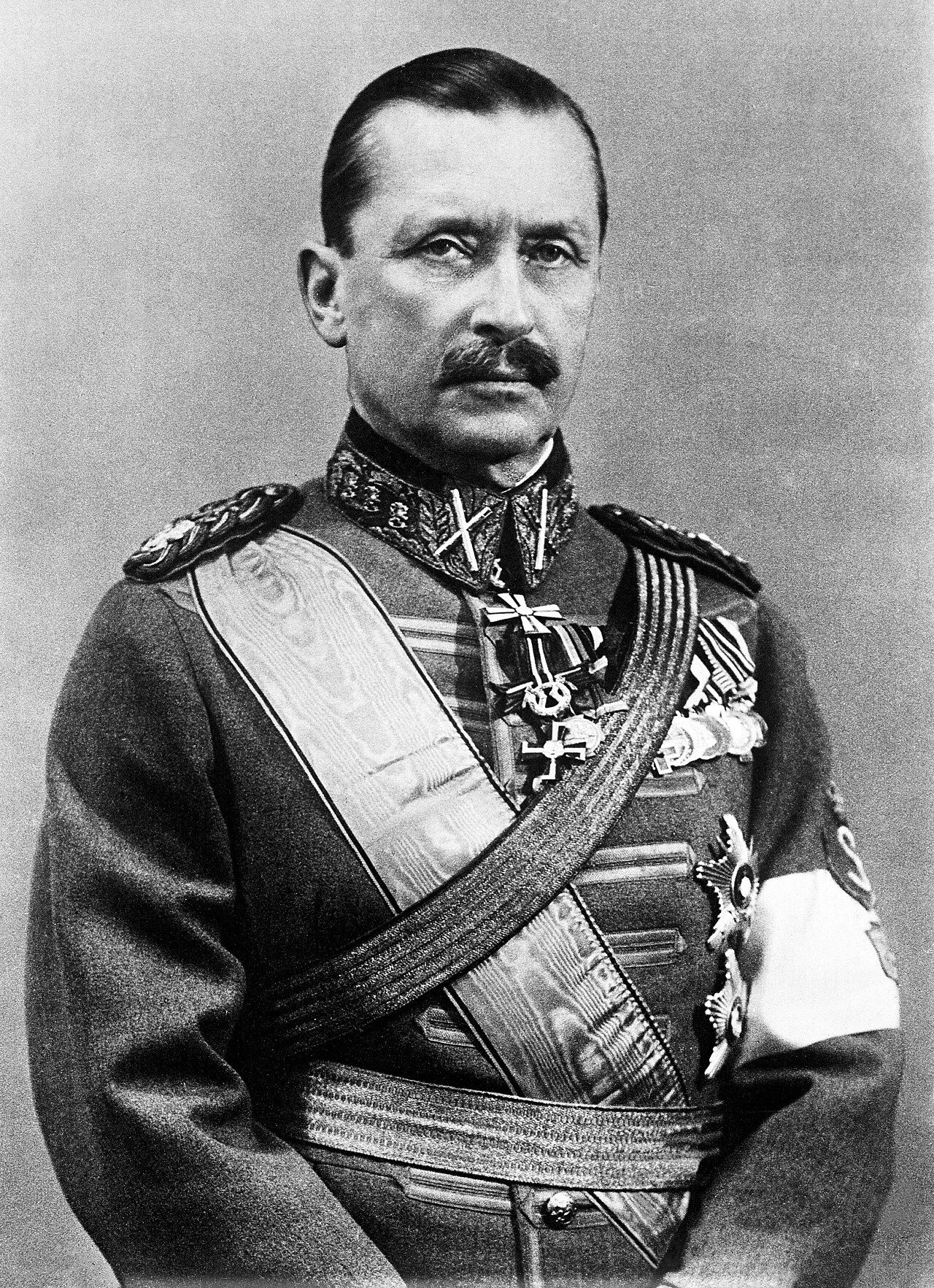
Mannerheim to the Ryti government — 28 February
De Gaulle joins the government — 5 June
The Franco-British union — 16 June
Mussolini on the Riviera — 21 June
Reynaud — Matignon 21 March
De Gaulle calls on Churchill — 9 June
Franco at Hendaye — October 23
Mussolini at the Palazzo Venezia — early June
Goering at Carinhall — the promise to Hitler
Langeron — Prefecture of Police, 14 June