
Roosevelt — the fireside chat of 27 May 1941
In the spring of 1941, the situation looked dark for the Allied camp: the Balkans and Greece had fallen, Rommel had retaken Cyrenaica, the Atlantic was being bled by the U-boats, and the Bismarck had just sunk the Hood. Lend-Lease was providing materiel, but to what end if the ships carrying it were being sunk en route? The question of escorting the convoys by the American navy was being posed, on the brink of an act of war.
American public opinion remained in the majority opposed to any entry into the war; the America First isolationist movement, with Lindbergh, remained powerful. Roosevelt was therefore advancing by stages, careful not to outpace an opinion he judged still reticent, while preparing the country for an engagement he believed inevitable.
On 27 May 1941, the President had to decide on the tone and scope of a major radio address. Should he proclaim a strengthened state of emergency to mobilise industry and justify strong measures, without going as far as belligerence; confine himself to reassuring words to spare opinion; or take the step by announcing the armed escort of convoys, at the risk of incidents with the U-boats?
How far should Roosevelt go in his speech of 27 May?
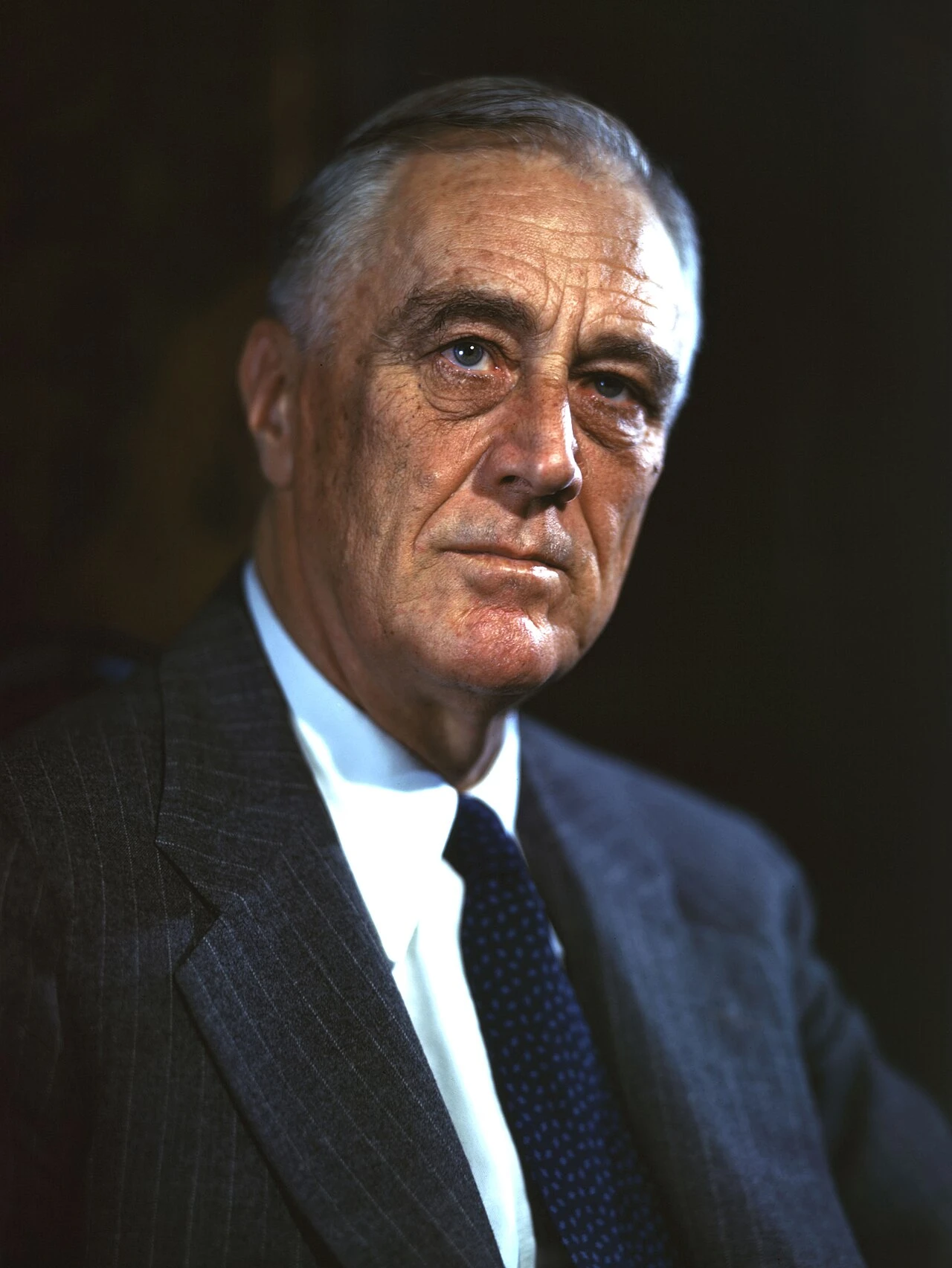
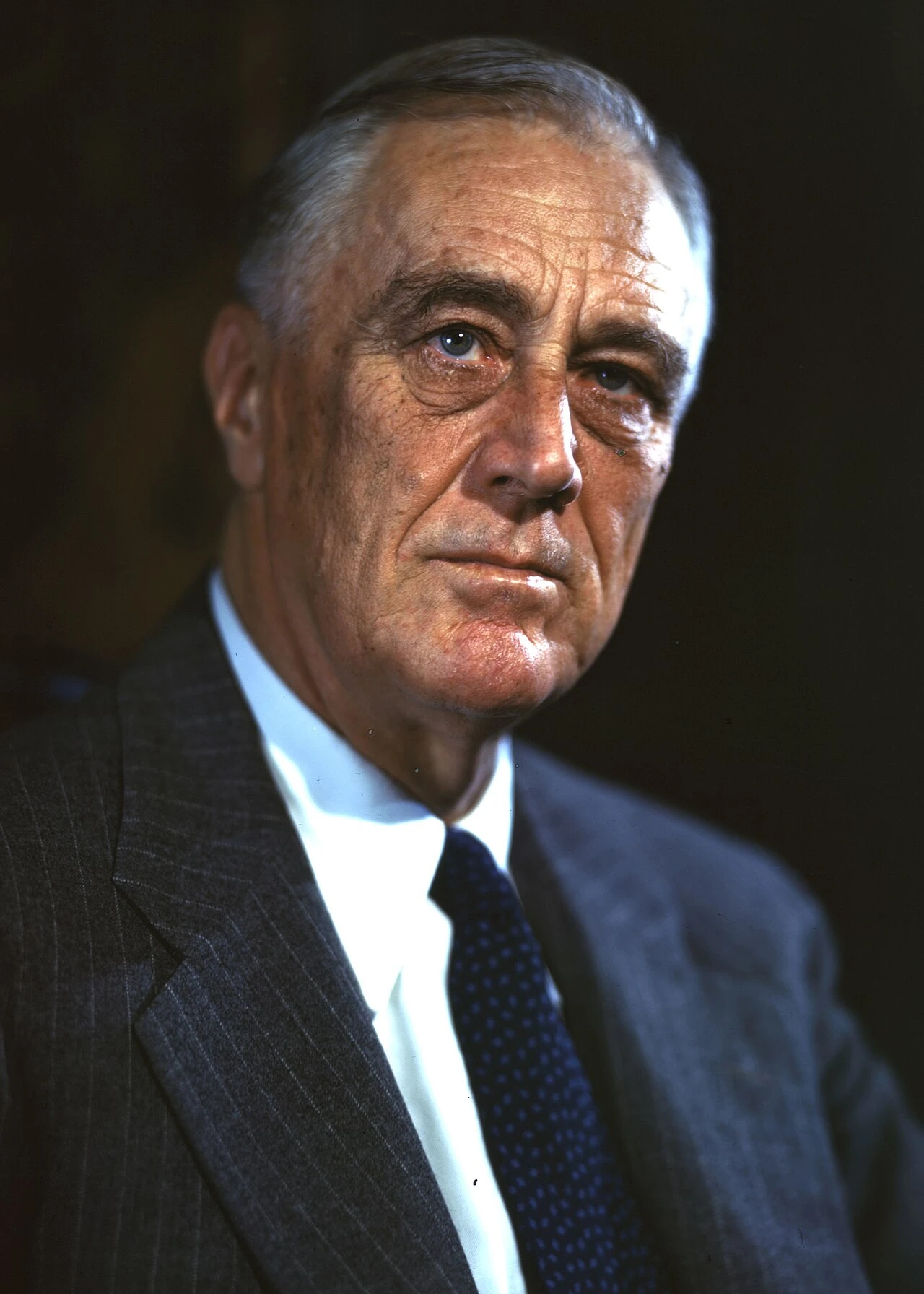
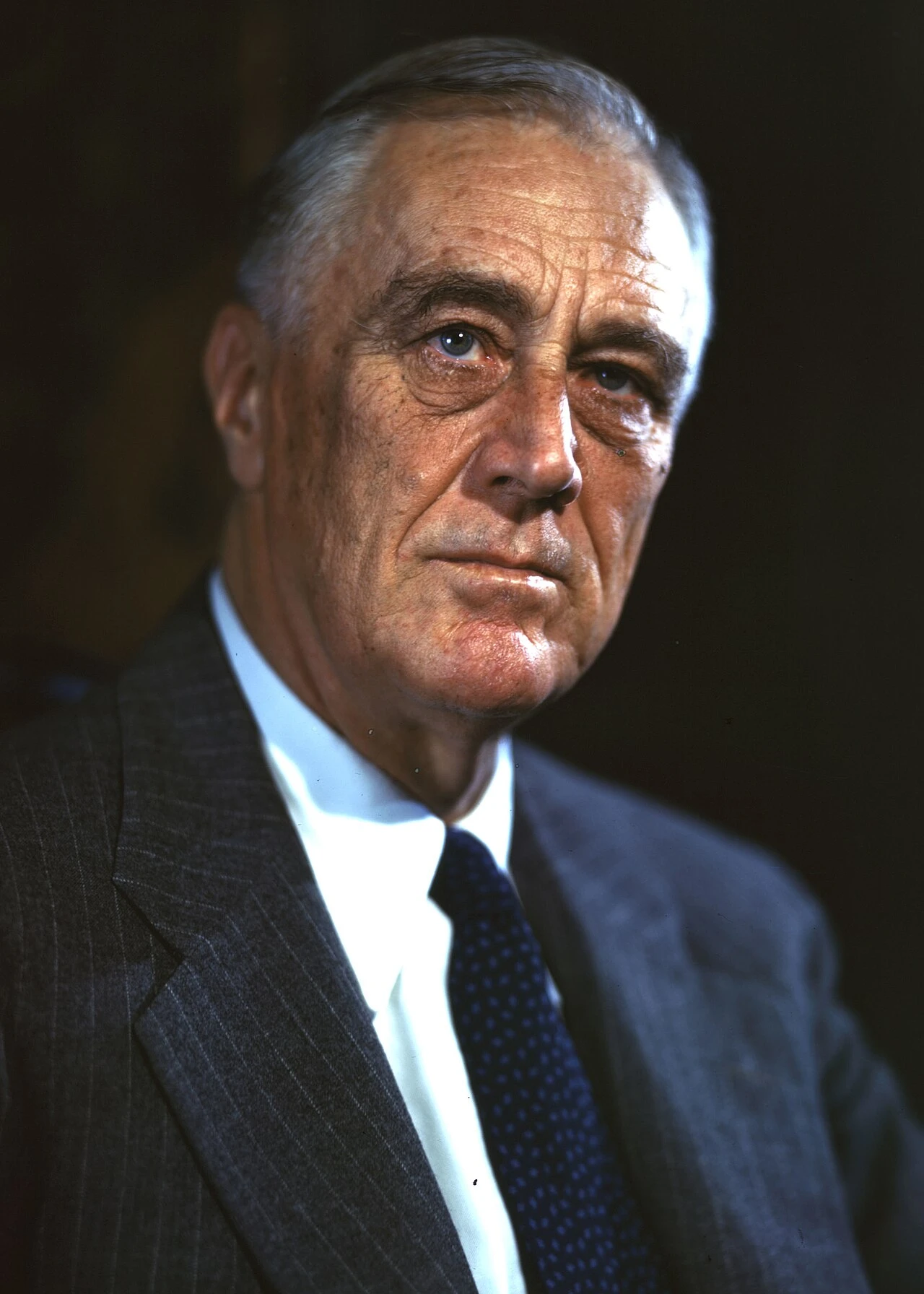
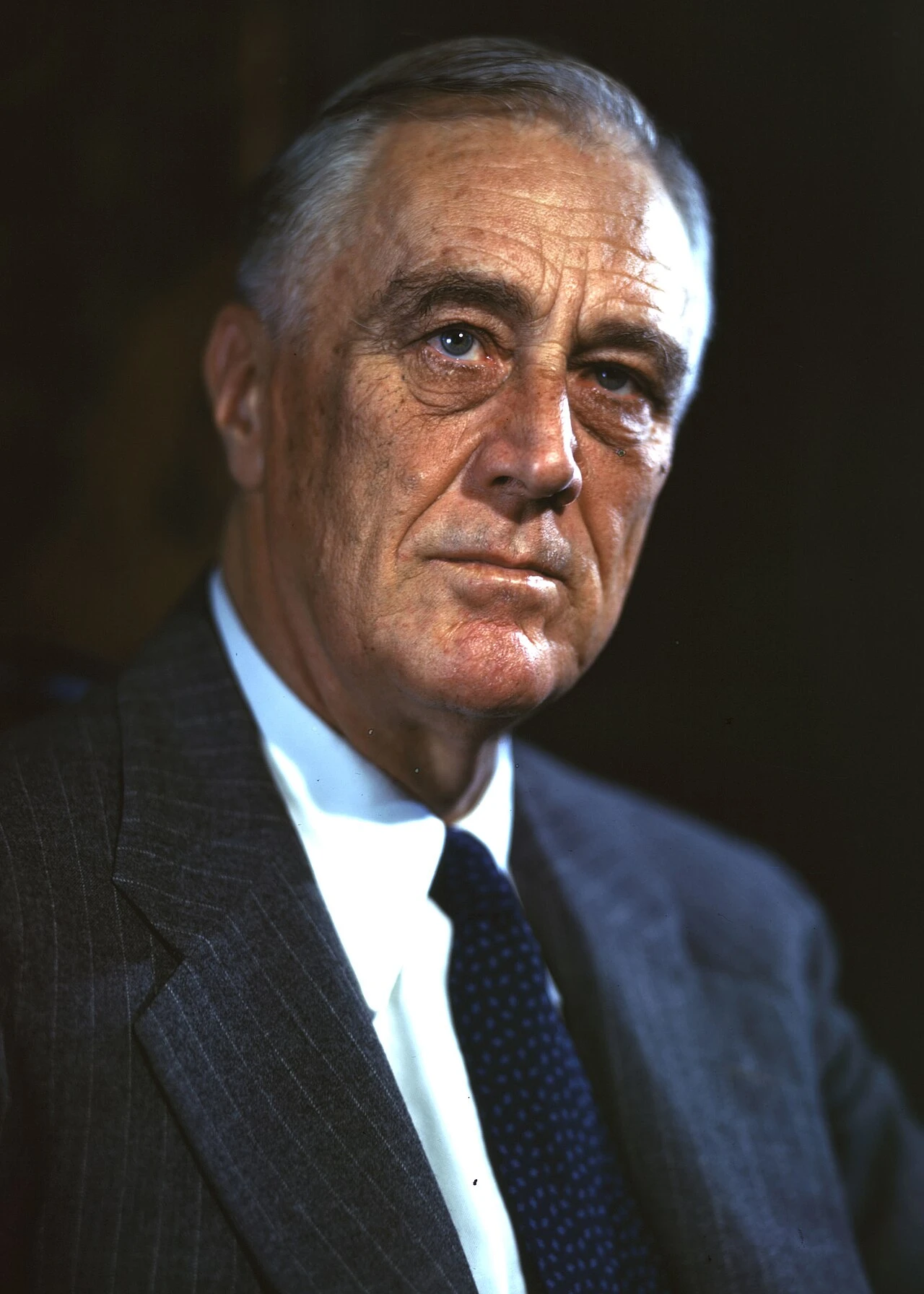
Roosevelt chose A. On 27 May 1941, in a fireside chat listened to by tens of millions of Americans, he proclaimed the 'unlimited national emergency,' affirming that the defence of the Hemisphere and the freedom of the seas were at stake, and that the United States would take 'all measures necessary' to ensure the delivery of materiel to the Axis's adversaries. He stopped short of armed escort, which he did not yet announce. The speech marked a new stage of American engagement: in the months that followed would come the occupation of Iceland, the first incidents with the U-boats (Greer, Reuben James) and the 'shoot on sight' order. Roosevelt continued advancing prudently toward a war that Pearl Harbor, in December, would render inevitable.
Learn more about this event
Related polls
10
Should Stalin Be Armed?
Roosevelt at the microphone — 29 December 1940
Roosevelt and the Japanese assets
Roosevelt — signing Lend-Lease
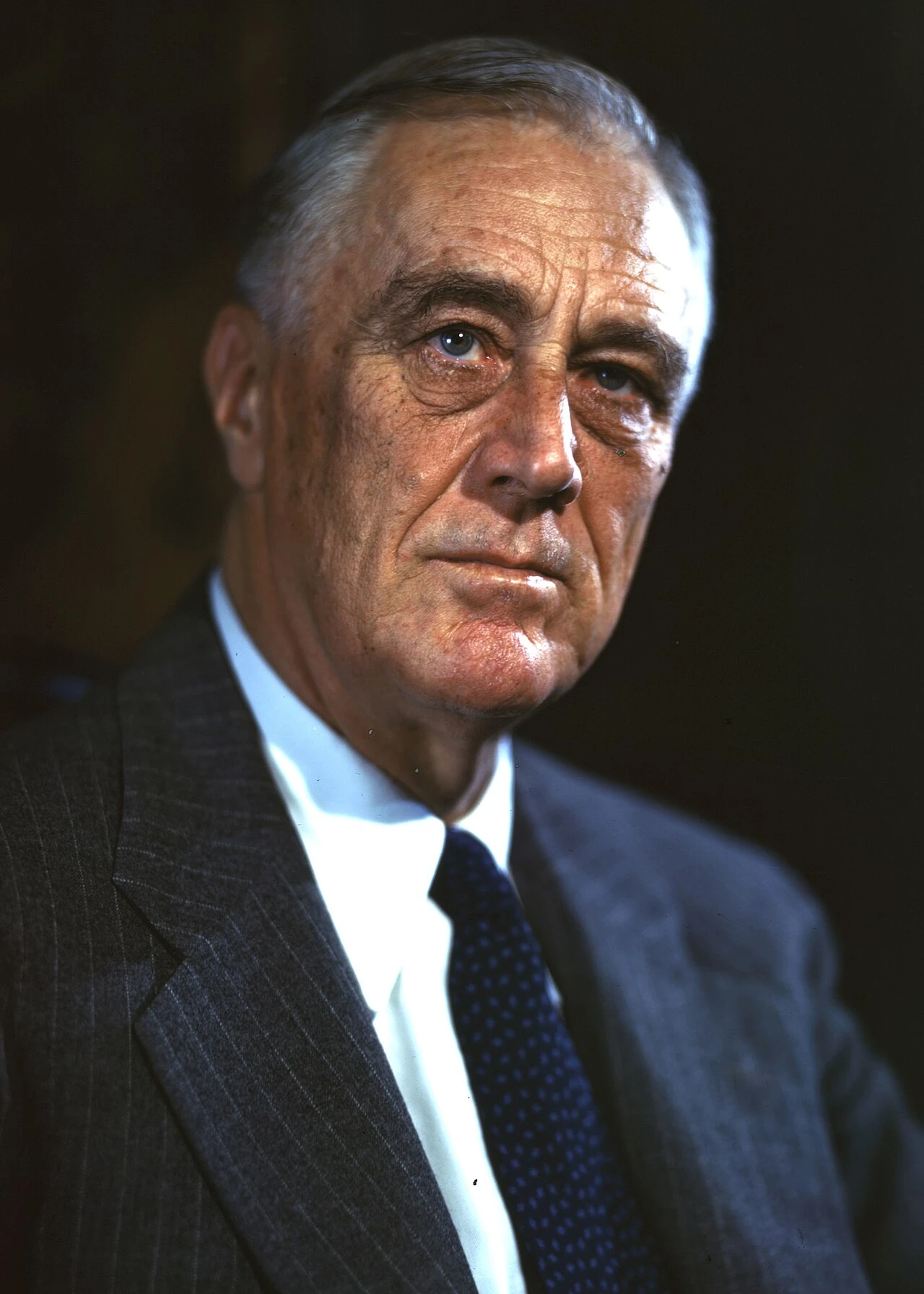
Roosevelt — Lend-Lease before Congress
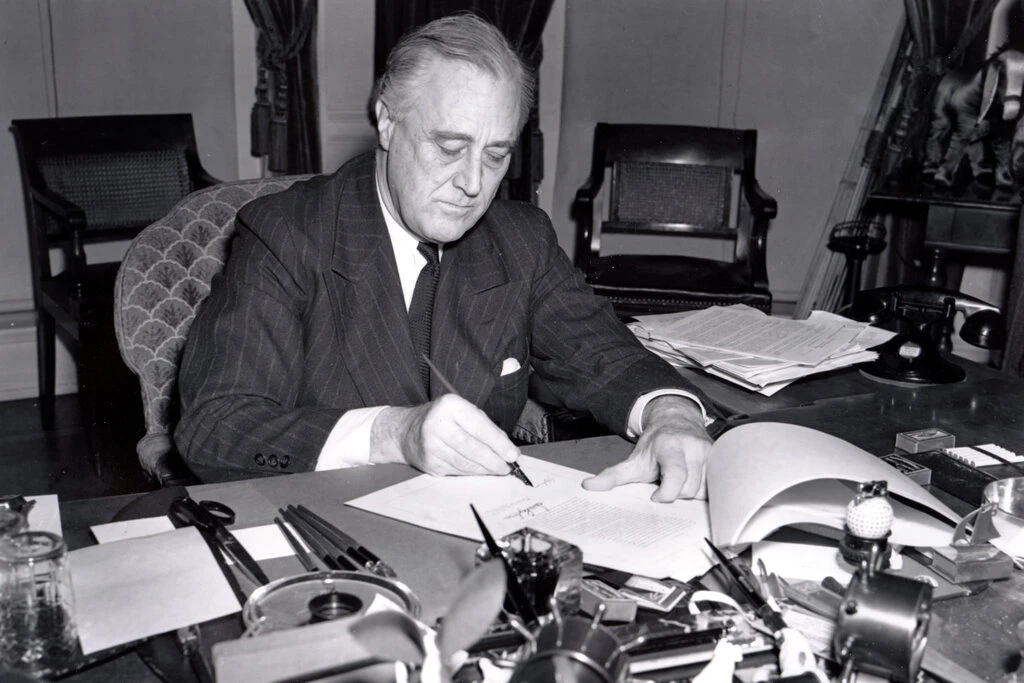
Washington, March 1941: Arming Without Entering the War

Germany first, even before the war
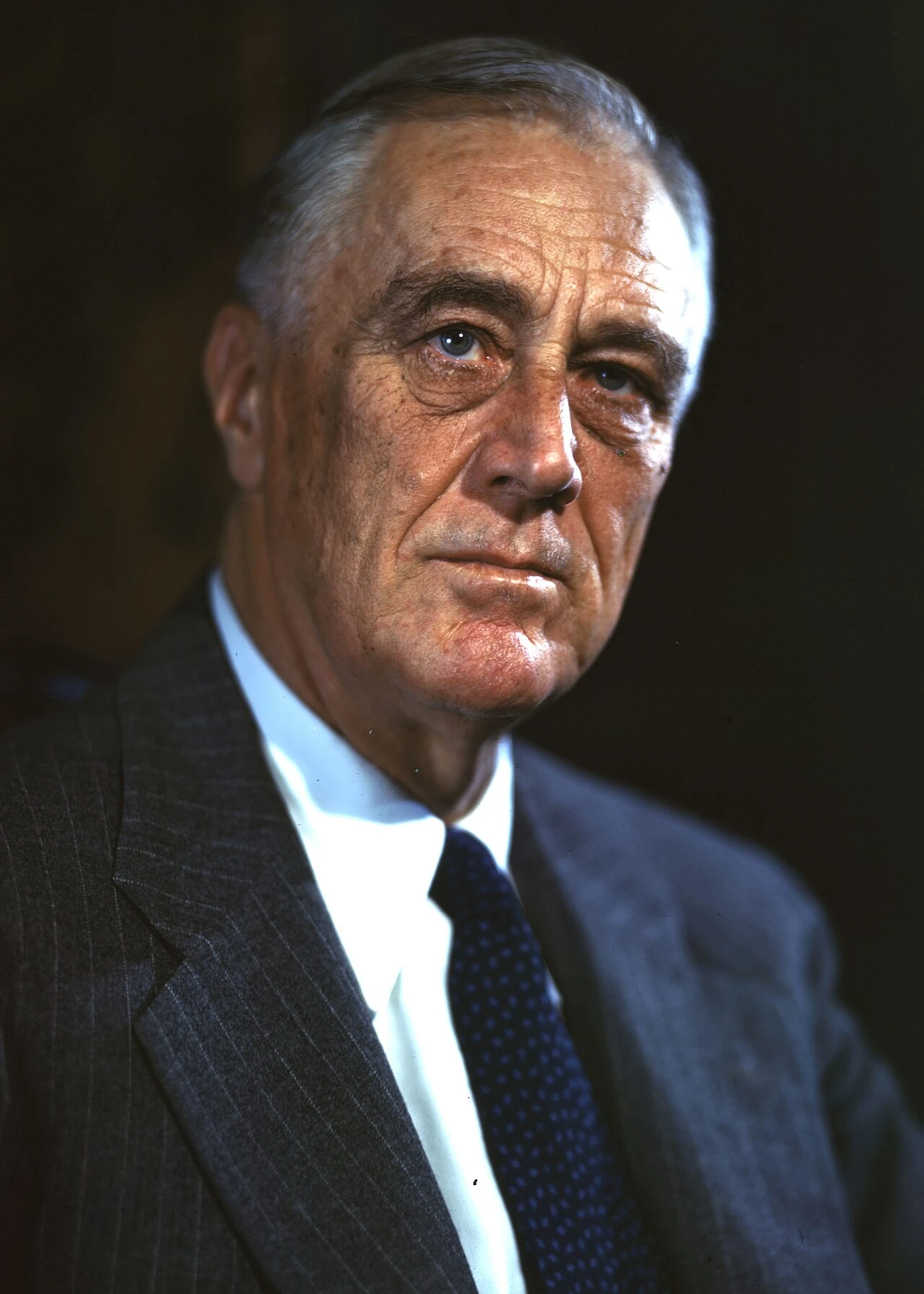
Roosevelt's Appeal
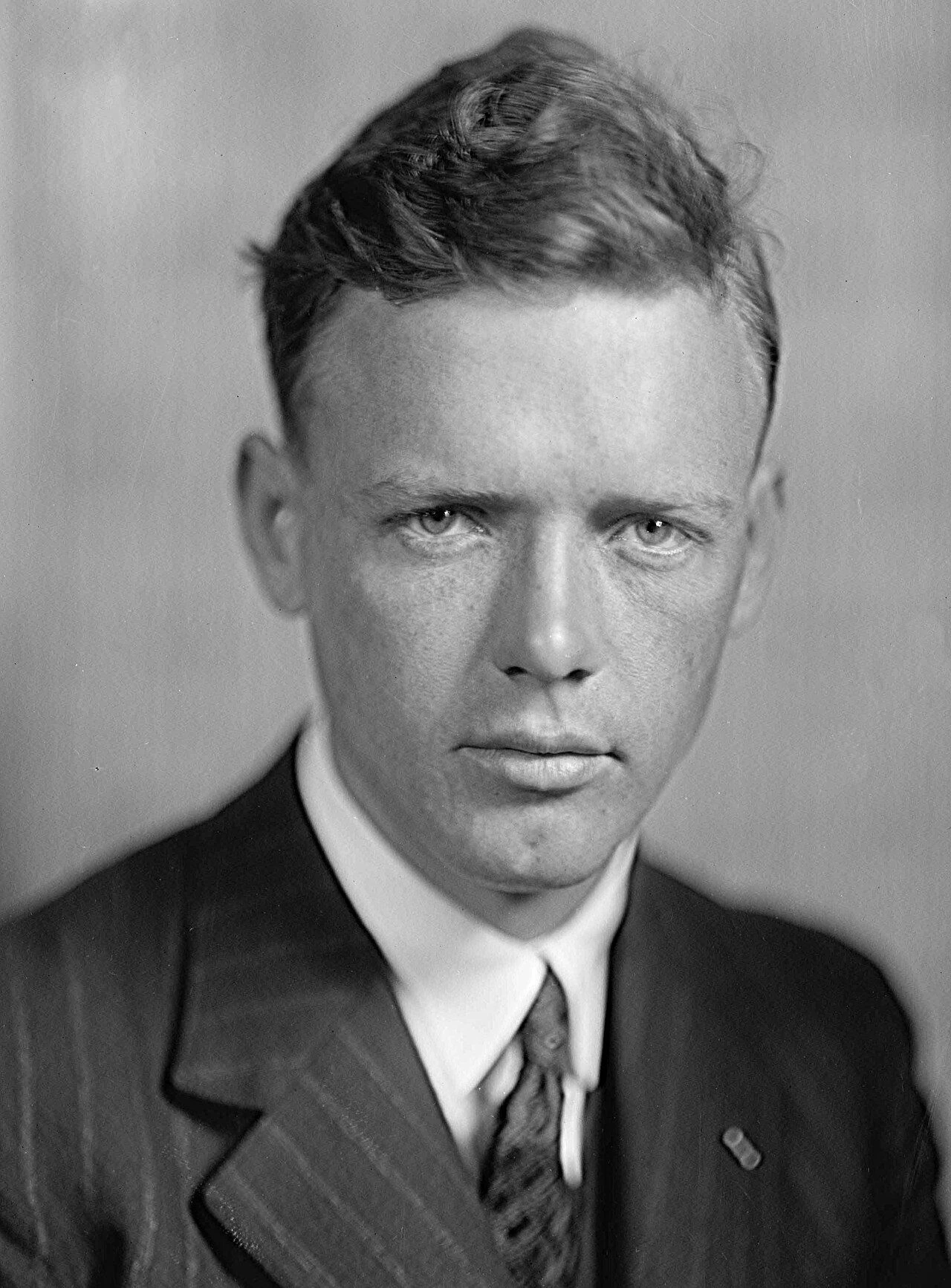
Charles Lindbergh — at the NBC Microphone
Darlan and the bases offered to the Axis
Should Stalin Be Armed?
Roosevelt at the microphone — 29 December 1940
Roosevelt and the Japanese assets
Roosevelt — signing Lend-Lease
Roosevelt — Lend-Lease before Congress
Washington, March 1941: Arming Without Entering the War
Germany first, even before the war
Roosevelt's Appeal
Charles Lindbergh — at the NBC Microphone