
The Brenner Pass meeting
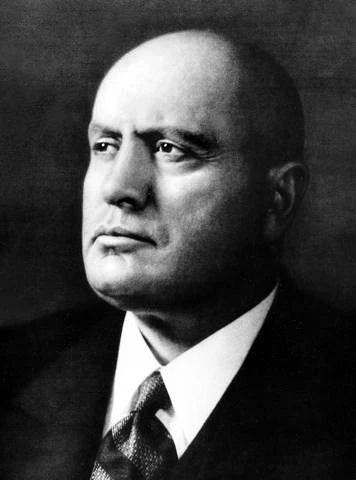
, 56, has led Italy since 1922 and has forged with Germany the Pact of Steel signed in May 1939. Yet when war broke out in September, he proclaimed non belligeranza — "non-belligerence" — for lack of an army ready: Italy lacks coal, steel, currency, and its industry cannot sustain a long conflict.
has just demanded a summit meeting. The two dictators travel by special trains to the Brenner Pass, in the snowy Alps, on 18 March 1940. Foreign Minister , the Duce's son-in-law, accompanies the delegation and notes everything in his diary. Hitler wants to know how, and above all when, Italy will enter the war at his side against France and Britain.
Mussolini knows his army is not up to it and that Italian opinion remains lukewarm. But he also fears that a German victory without him would deprive him of any Mediterranean spoils — Nice, Corsica, Tunisia, Malta. Hitler talks for two hours, vaunts his forces, conceals the date of his offensive in the west. The Duce must answer.
At the Brenner table, facing Hitler, do you commit to entering the war now?
Mussolini settled on B. At the Brenner, he assured Hitler that Italy would join the war "at the opportune moment," without claiming immediate promises of territory or fixing a calendar. Ciano noted that the Duce, at first inclined to temporise, left galvanised by Hitler's monologue. Kept in ignorance of the date of the offensive, Mussolini believed that "Hitler will think twice before launching a ground attack." The French collapse of May-June 1940 swept aside these calculations: on 10 June 1940, judging German victory secured, Mussolini declared war on France and the United Kingdom to sit at the victors' table. The Italian offensive in the Alps bogged down, a foretaste of the 1940-1941 setbacks in Greece and Africa that would make Italy the "soft underbelly" of the Axis.
Learn more about this event
Related polls
10
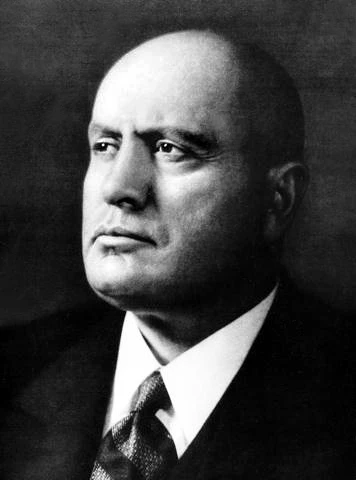
Mussolini at the Palazzo Venezia — early June
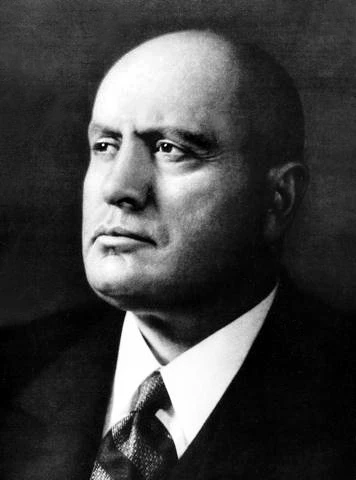
Mussolini on the Riviera — 21 June
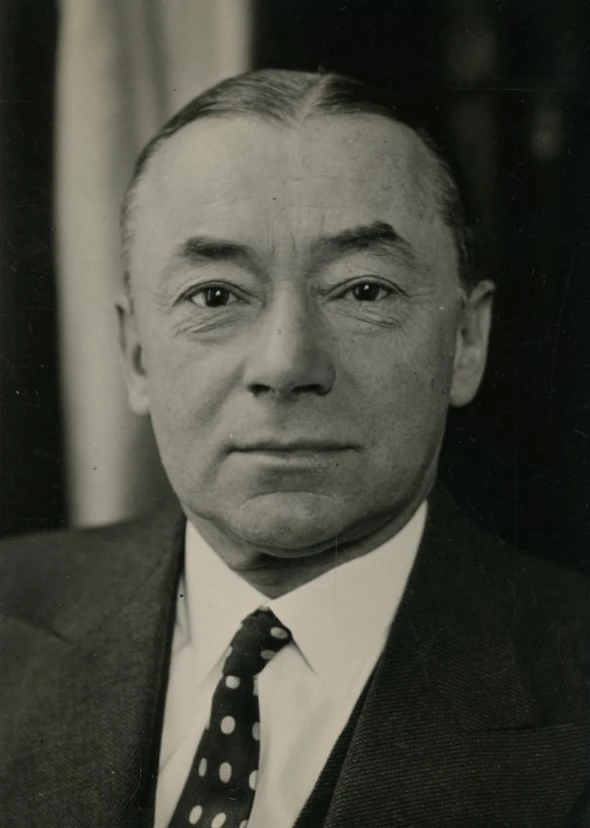
Reynaud — Matignon 21 March
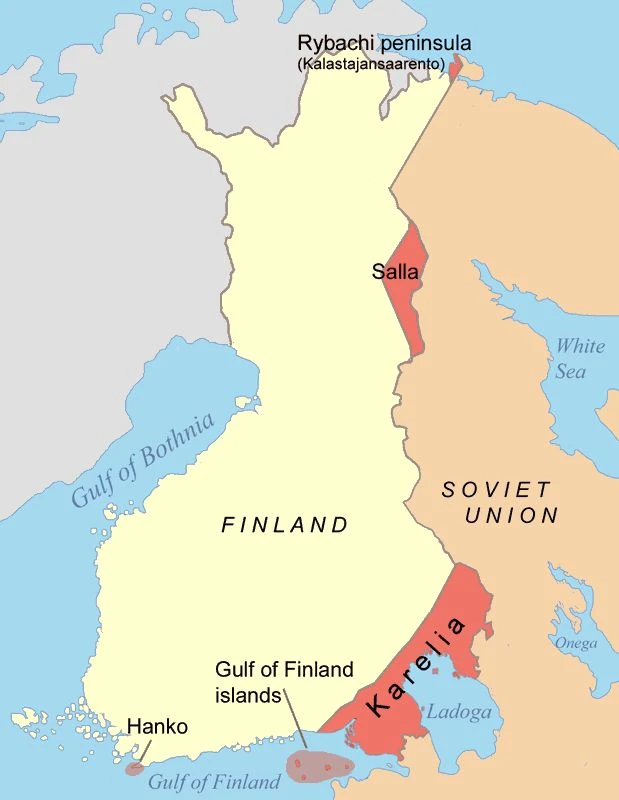
Assessment of the Winter War — 13 March
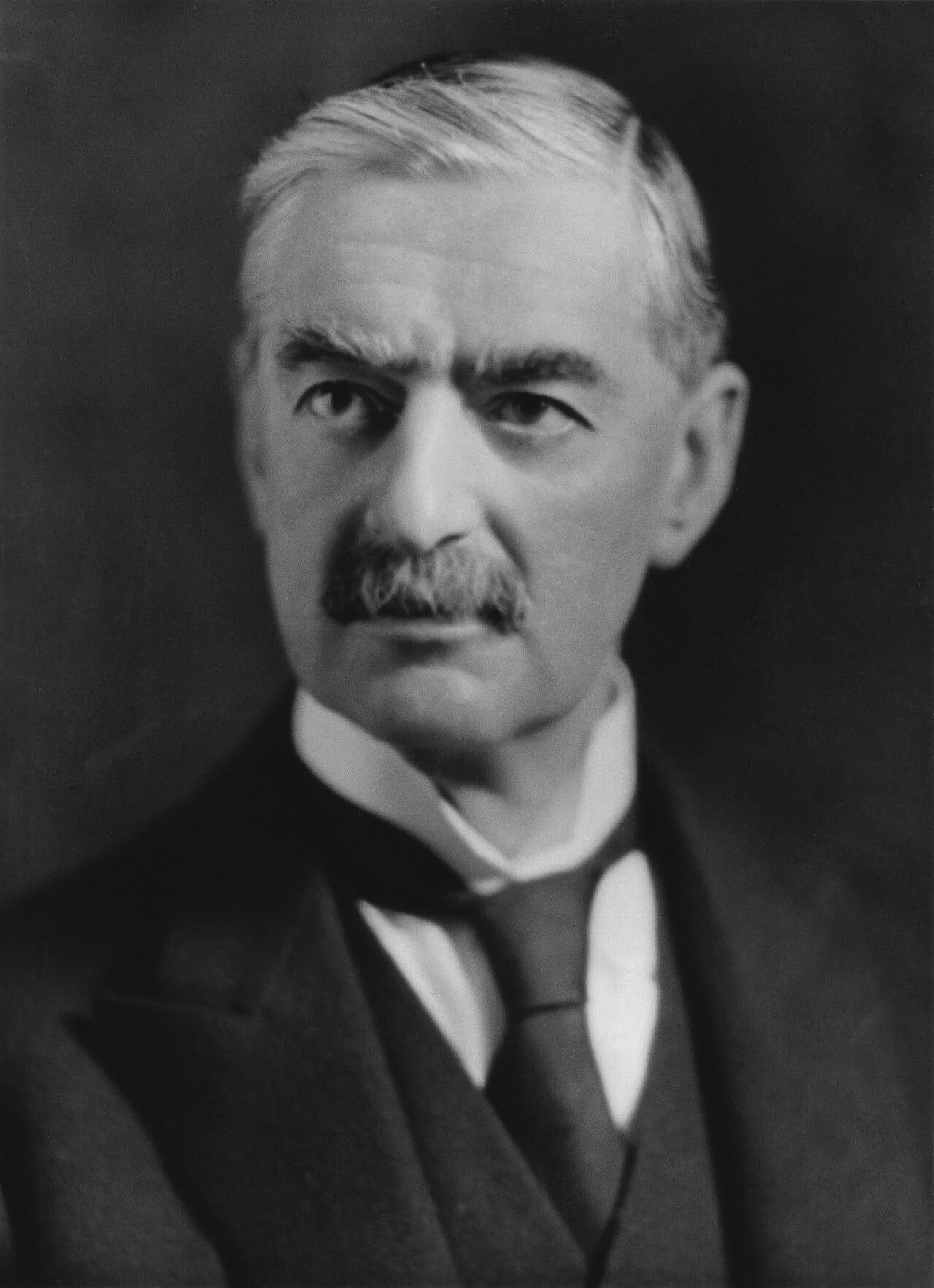
War council — leave central Norway?
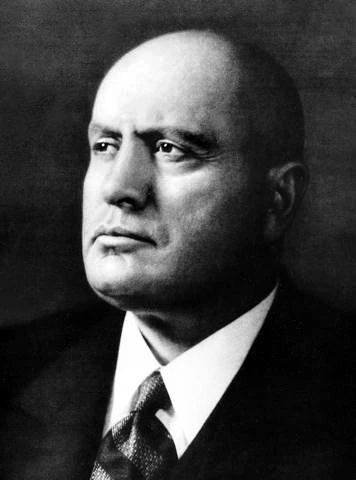
Italy Is Not Ready
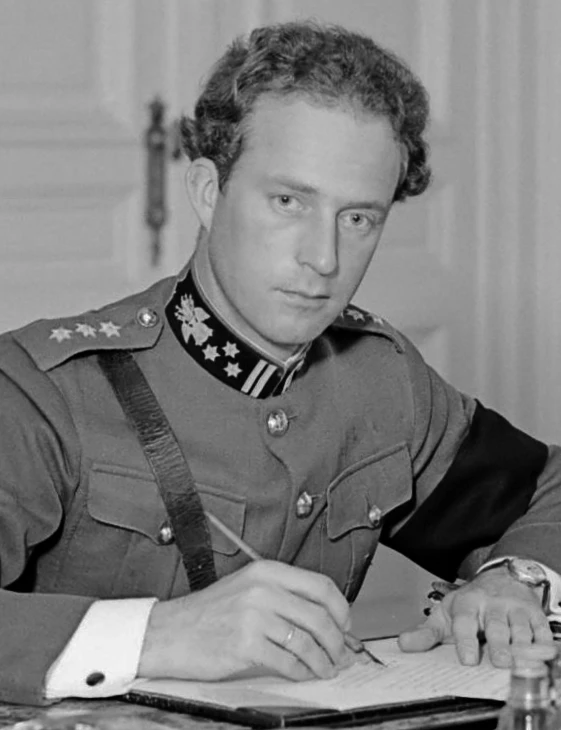
Leopold III takes command
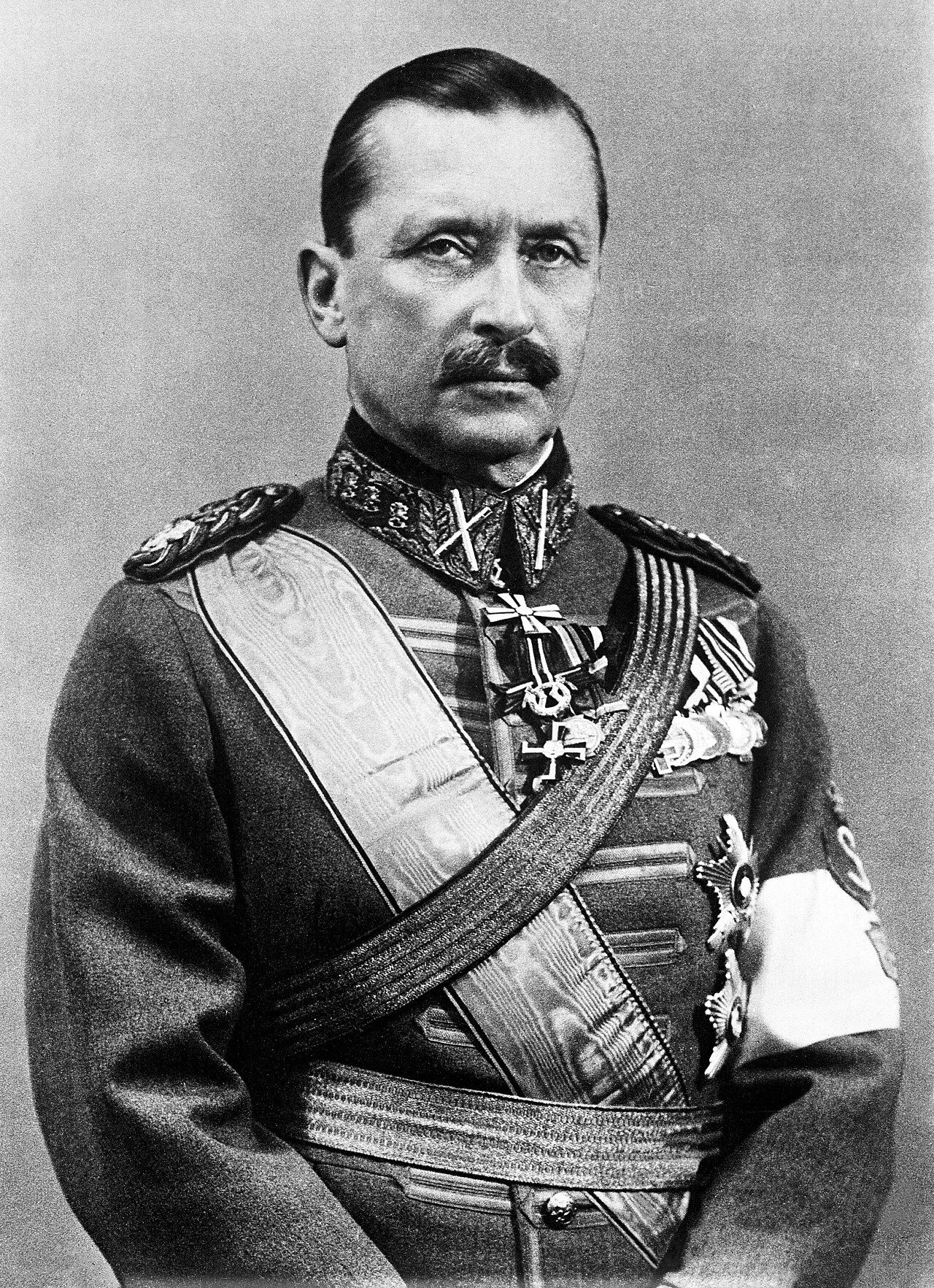
Mannerheim to the Ryti government — 28 February
Mining the Rhine — Operation Royal Marine
Mussolini and the entry into the war
Mussolini at the Palazzo Venezia — early June
Mussolini on the Riviera — 21 June
Reynaud — Matignon 21 March
Assessment of the Winter War — 13 March
War council — leave central Norway?
Italy Is Not Ready
Leopold III takes command
Mannerheim to the Ryti government — 28 February
Mining the Rhine — Operation Royal Marine