
Rommel at El Agheila — orders or audacity?
Having arrived in Tripoli in February, Rommel had been given a strictly defensive mission: hold Tripolitania, without attacking before the arrival of all his forces, expected in May. His German and Italian superiors had expressly forbidden any offensive. But the general observed before him a weakened adversary: the British had halted their advance at El Agheila, and above all diverted their best units — Australians, seasoned armour — to Greece, leaving in Cyrenaica only a reduced and inexperienced garrison.
Rommel noted the enemy's weakness. An offensive reconnaissance showed him that the British position at El Agheila was lightly held; he took it on 24 March without difficulty. Beyond stretched Cyrenaica, which the British had just wrested from the Italians.
The choice was clear and heavy with insubordination: respect orders and wait for May with all his forces; push a limited advance to improve his positions; or launch at once, with only the available elements and in defiance of instructions, a deep offensive to exploit the enemy's momentary weakness, betting on speed and audacity.
Should Rommel respect his defensive orders or launch an immediate offensive?
Rommel chose C. Without waiting for reinforcements or authorisation, he launched a lightning offensive in late March: his columns crossed the Cyrenaican desert, taking Mersa Brega, Agedabia, Benghazi, Derna, Mechili. In about ten days, nearly all the ground won by Operation Compass was lost again; British generals O'Connor and Neame were captured, and the Tobruk garrison found itself besieged. Rommel's audacity, contrary to all his orders, forged his legend as the 'Desert Fox.' But it also inaugurated two years of desert war in which the , always short of supplies, would swing between spectacular breakthroughs and retreats, until El Alamein. The gamble of March 1941 turned a secondary front into a major theatre.
Learn more about this event
Related polls
10
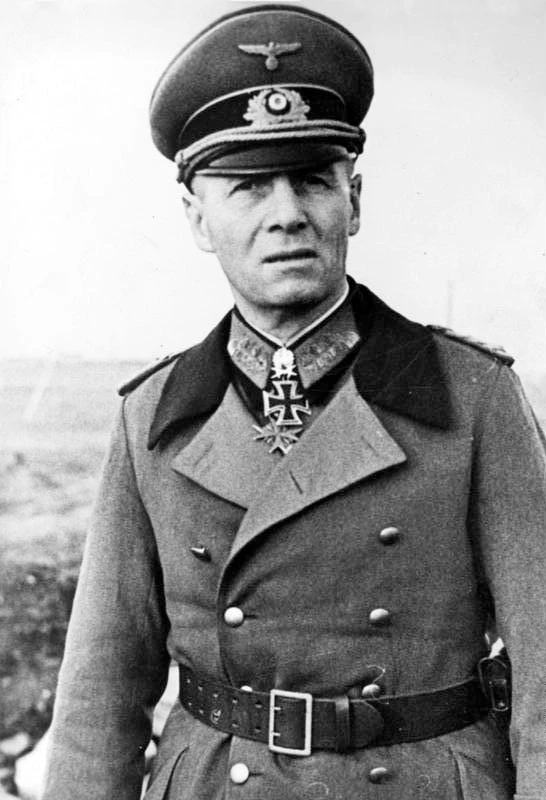
Hitler sends Rommel to Africa
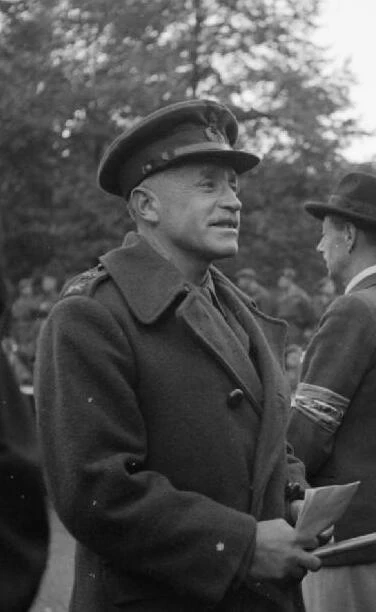
O'Connor at Beda Fomm
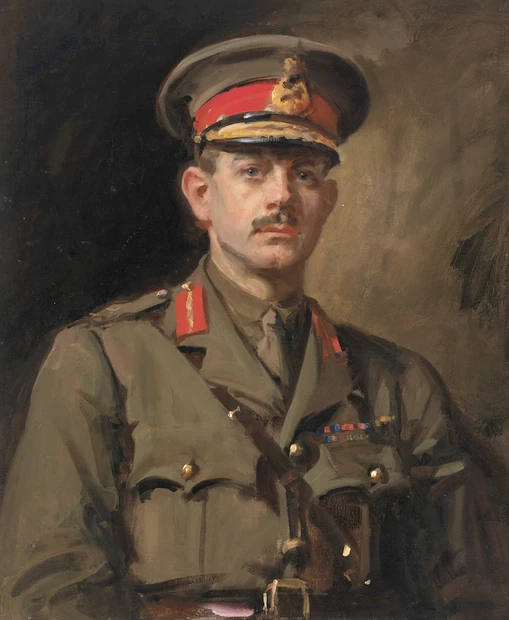
Mackay before Tobruk — the assault
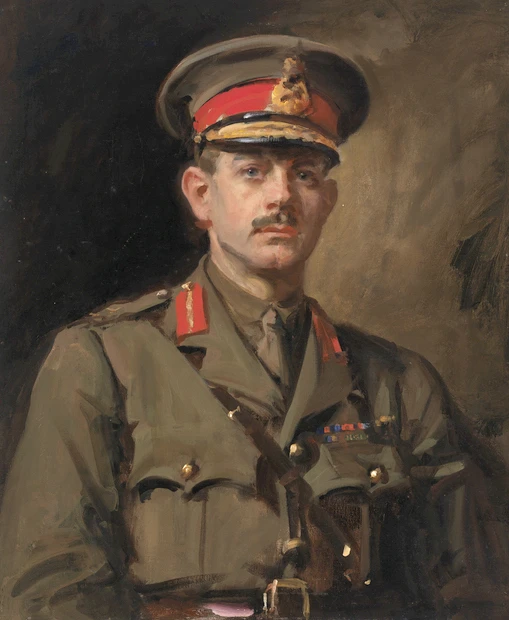
Mackay and the Australians at Bardia
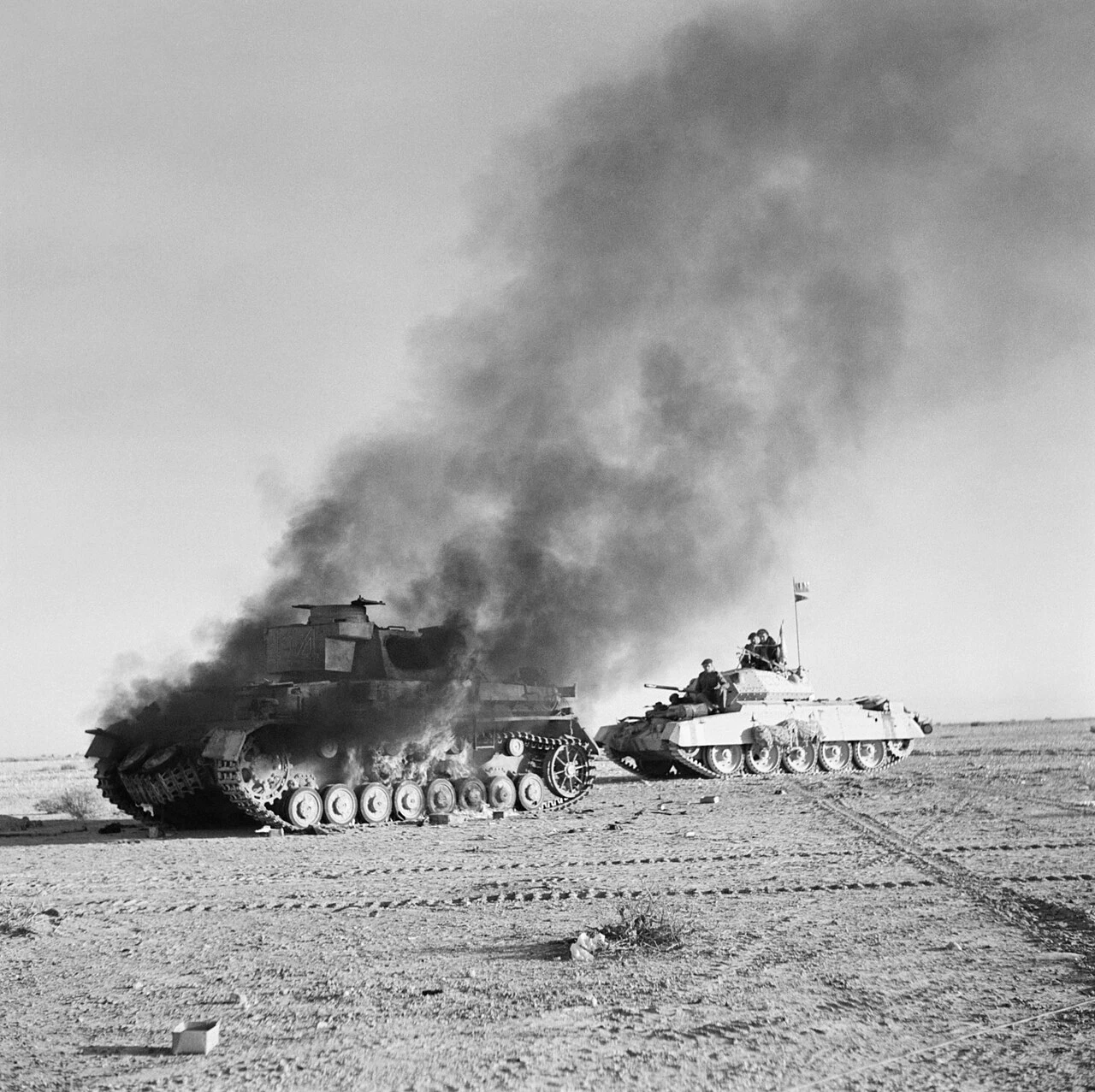
Crusader: The Generals' Doubt

Cunningham toward Mogadishu
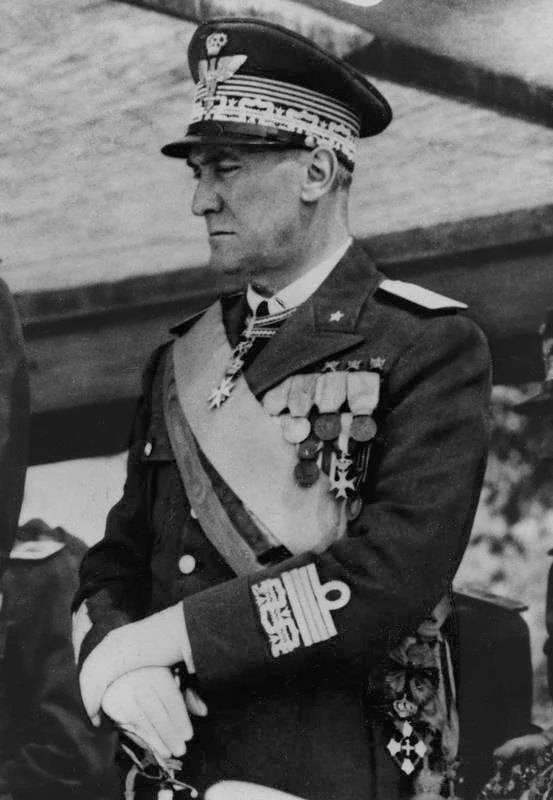
Graziani inherits the Libyan desert
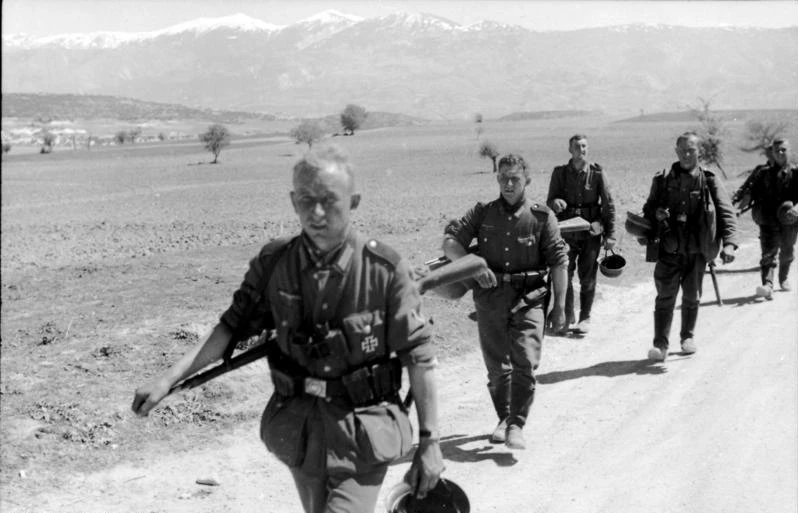
Marita — the invasion of Greece
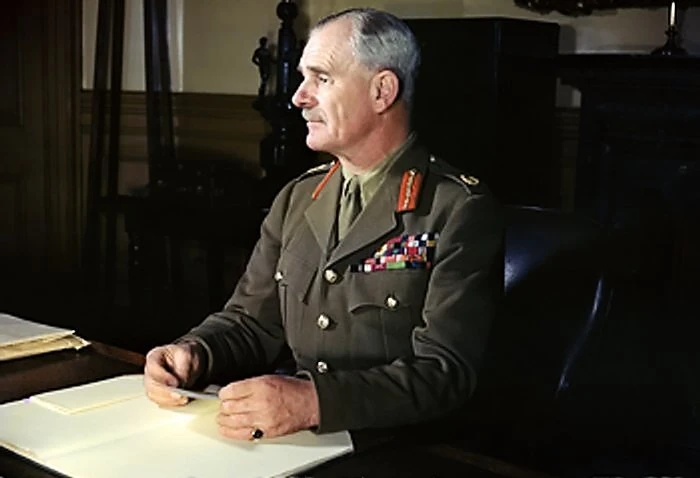
Battleaxe — Wavell before Halfaya
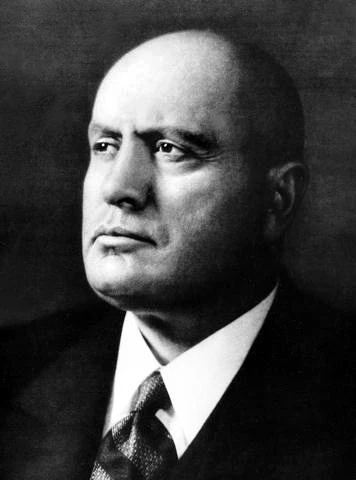
Mussolini wants his victory in Albania
Hitler sends Rommel to Africa
O'Connor at Beda Fomm
Mackay before Tobruk — the assault
Mackay and the Australians at Bardia
Crusader: The Generals' Doubt
Cunningham toward Mogadishu
Graziani inherits the Libyan desert
Marita — the invasion of Greece
Battleaxe — Wavell before Halfaya