
Shell, 10 May 1940: the head office in the turmoil of the invasion
On 10 May 1940, the German army invades the Netherlands. Royal Dutch Petroleum and the Bataafsche Petroleum Maatschappij, the parent companies of the Shell group, have their head office in The Hague. Their refineries — including the vast Pernis complex near Rotterdam — and a major share of their capital risk falling under German administration.
The group's management must decide within a few hours. Leaving the head office and legal control in place means risking the enemy seizing one of the world's largest oil companies and its global network of assets.
The choice determines the fate of the entire group, far beyond the Dutch facilities themselves.
On 10 May 1940, as the Wehrmacht crosses the Dutch border, what does Royal Dutch's management decide regarding the head office and control of the parent company?
On 10 May 1940, the very day of the invasion, the head office of the Dutch parent companies (Royal Dutch, Bataafsche and other group entities) was officially transferred from The Hague to Curaçao, a Dutch colony in the Antilles, in order to keep the group's legal control out of the occupier's reach. The refineries that remained in the Netherlands, including Pernis, effectively passed under German administration (a Verwalter had already been appointed), but the decision-making centre and control of worldwide assets escaped the Nazis. Dutch production was reduced mainly by Allied bombing (1940-41), not by organised internal sabotage.
Learn more about this event
Related polls
10
Eindhoven under the heel: the lamp empire put to the test
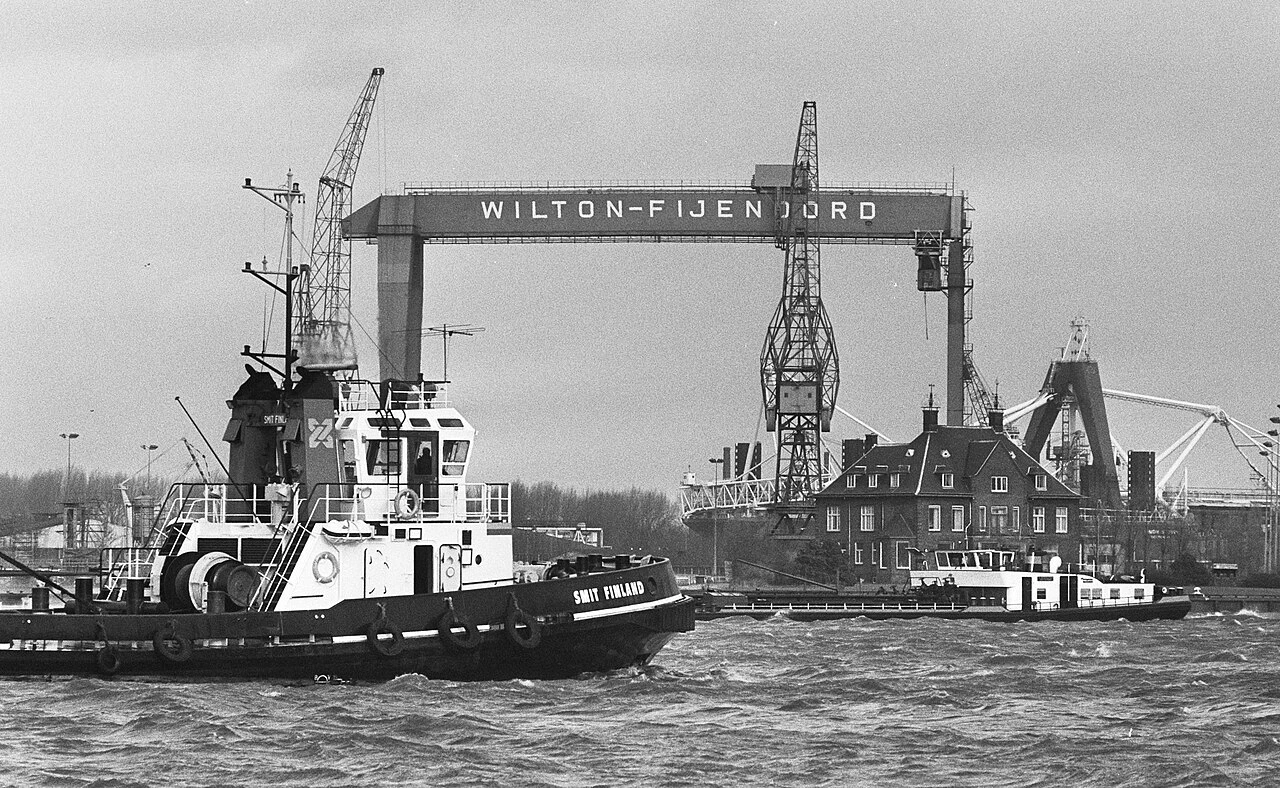
Wilton-Fijenoord: the shipyard's management faces the occupier
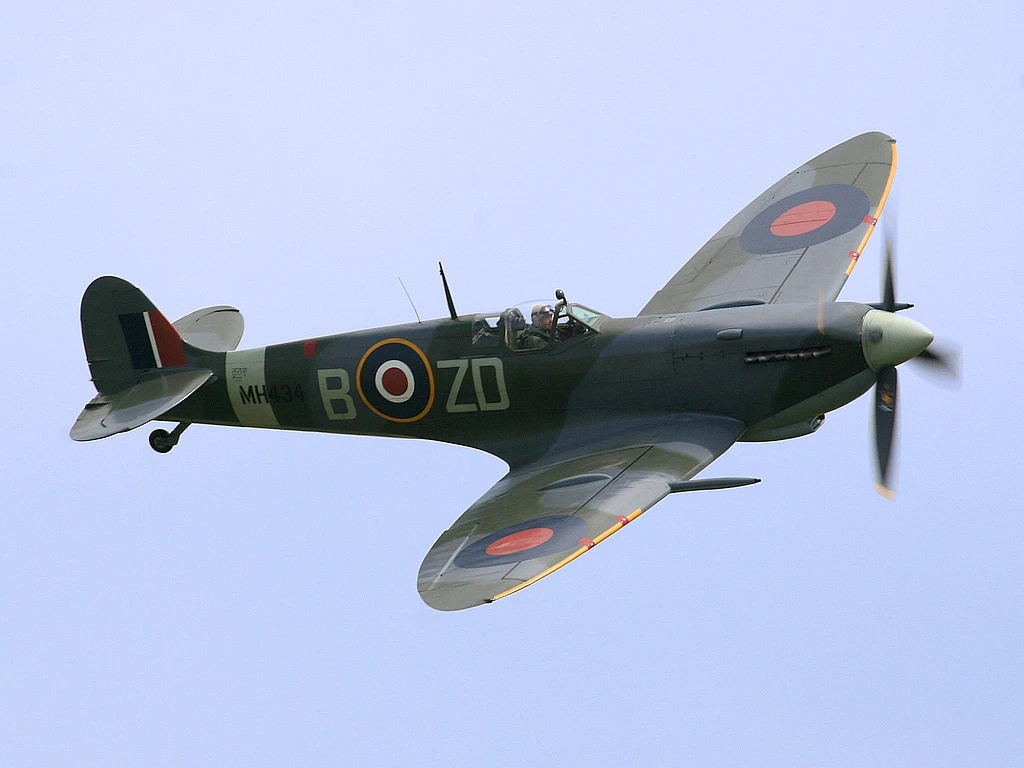
Castle Bromwich: car assembly lines to build the Spitfire

FN Herstal, May 1940 — a few hours ahead of the occupier

The nation's gold against the invader
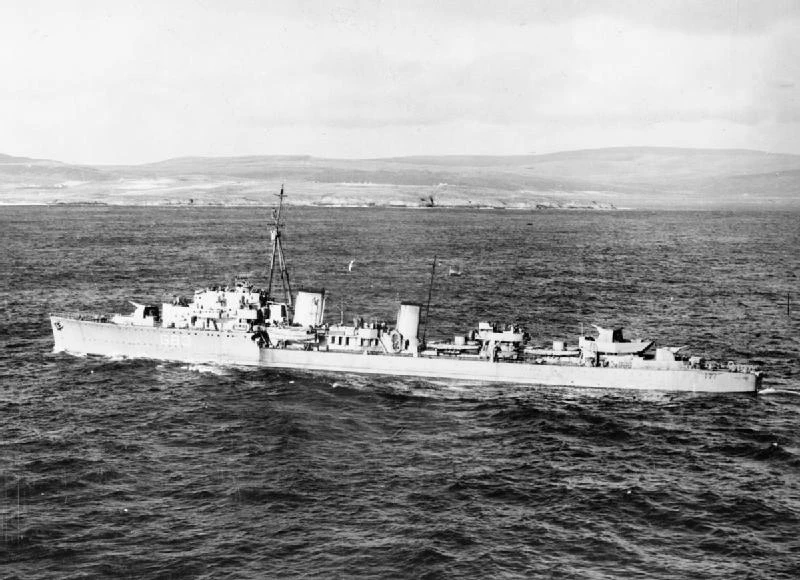
The Dutch hulls on the Rotterdam slipways

The gold of the National Bank
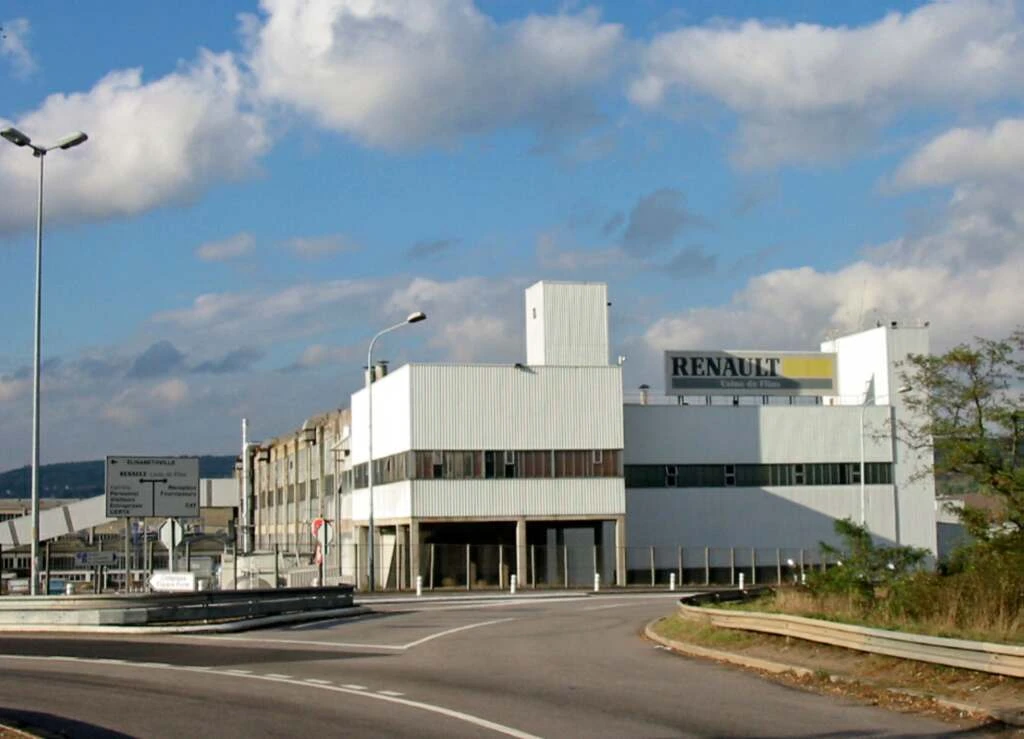
Billancourt under threat: the old boss and his machines

Citroën under the Occupation: the boss faces German orders
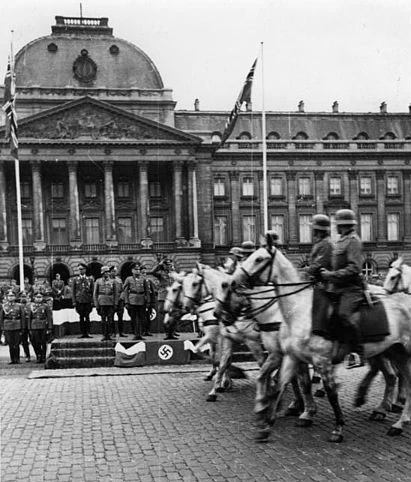
The Galopin Doctrine — whether to produce under the occupier
Eindhoven under the heel: the lamp empire put to the test
Wilton-Fijenoord: the shipyard's management faces the occupier
Castle Bromwich: car assembly lines to build the Spitfire
FN Herstal, May 1940 — a few hours ahead of the occupier
The nation's gold against the invader
The Dutch hulls on the Rotterdam slipways
The gold of the National Bank
Billancourt under threat: the old boss and his machines
Citroën under the Occupation: the boss faces German orders