
Hitler sends Rommel to Africa
The Italian collapse in Cyrenaica alarms Hitler: the loss of Libya would open the road to Tunisia for the British and threaten the southern flank of the Axis only months before Barbarossa. Mussolini, who had refused all German aid, must now accept it. On 6 February 1941 Hitler receives in Berlin Generalleutnant , hero of the French campaign, and gives him command of a German expeditionary corps — the future — to be sent to Tripolitania.
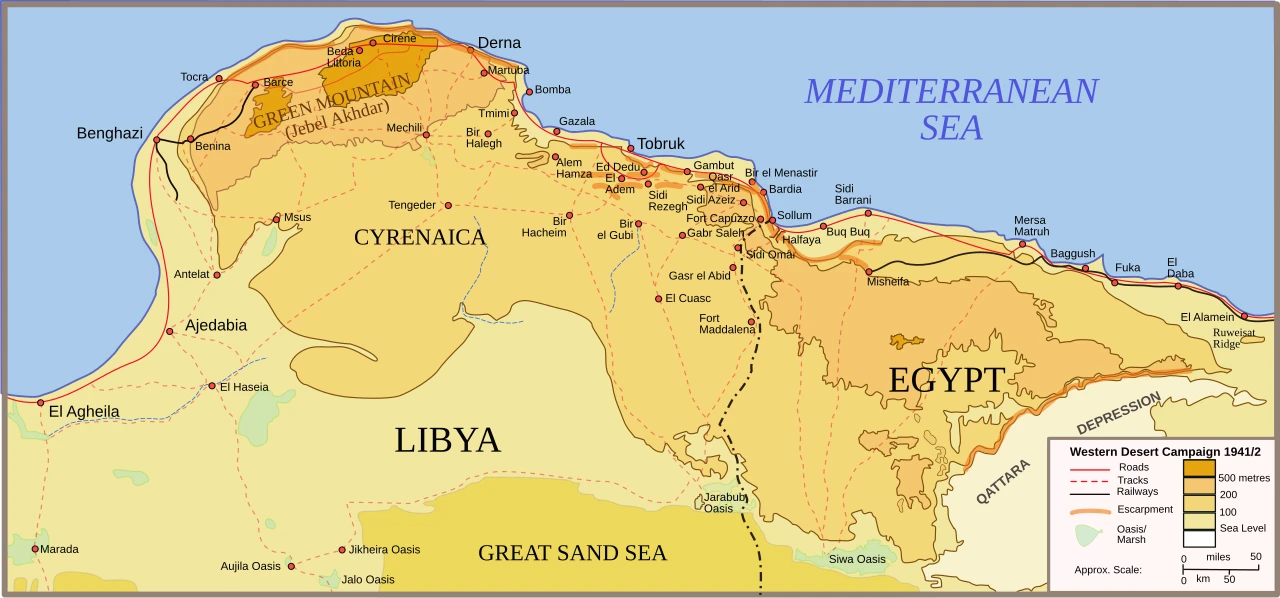
The mission Hitler sets is strictly defensive: block the British advance, hold Tripoli, prevent any breakthrough toward Tunisia. The first German elements () begin to disembark on 12 February, the day Rommel himself arrives in Tripoli; the is to follow. But the British, for their part, have halted their advance at El Agheila and are diverting their best units to Greece.
Rommel finds an enemy weakened and stretched. He must decide in what spirit to wage his campaign: stick to the defensive instructions of Berlin and Rome; wait for all his forces to arrive before acting; or take the offensive initiative as soon as possible, gambling on the enemy's momentary weakness.
Should Rommel obey his defensive orders or take the offensive without waiting?
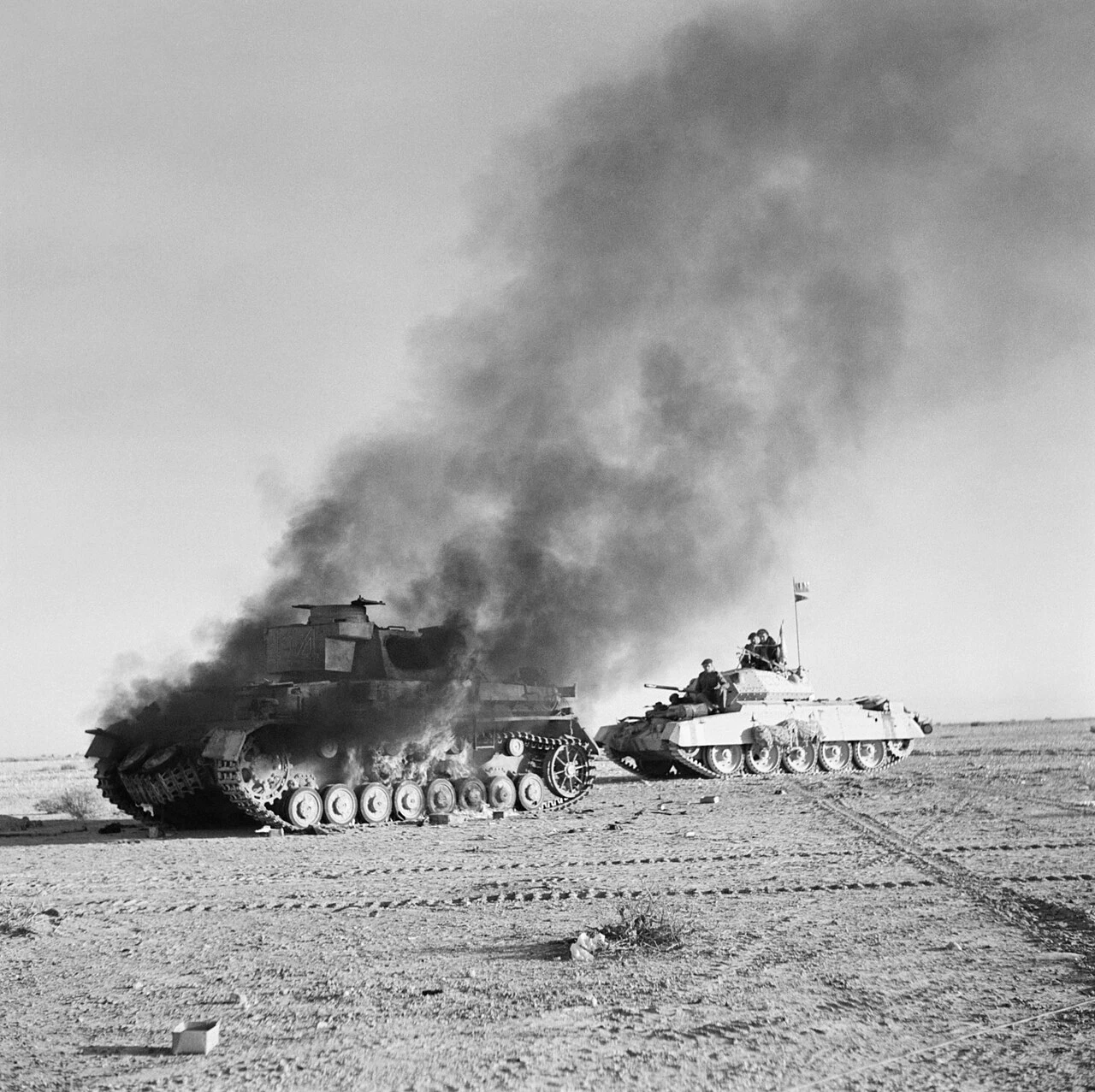
Rommel would choose C, in defiance of orders. As early as late March 1941 — without waiting for all his forces or for the approval of his superiors — he launched an offensive that retook in a few weeks almost all the ground won by Compass, besieged Tobruk, and threw the British back to the Egyptian frontier. His daring earned him the nickname 'Desert Fox' and a legend that crossed the lines. But it also opened two years of exhausting desert warfare, in which the , always short of supply (Malta cutting his convoys), would ultimately be ground down at El Alamein and then in Tunisia in 1943. Rommel's arrival in February 1941 transformed a secondary theater into one of the most famous of the war.
Learn more about this event
Related polls
10
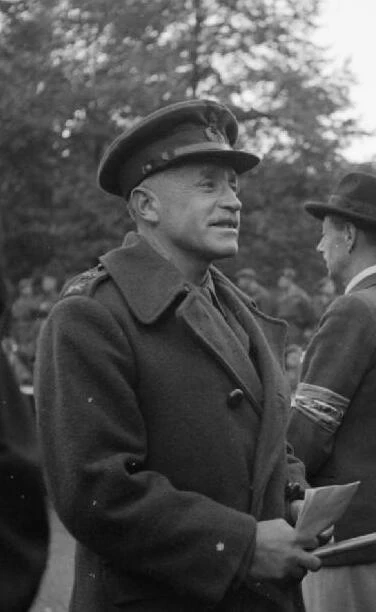
O'Connor at Beda Fomm
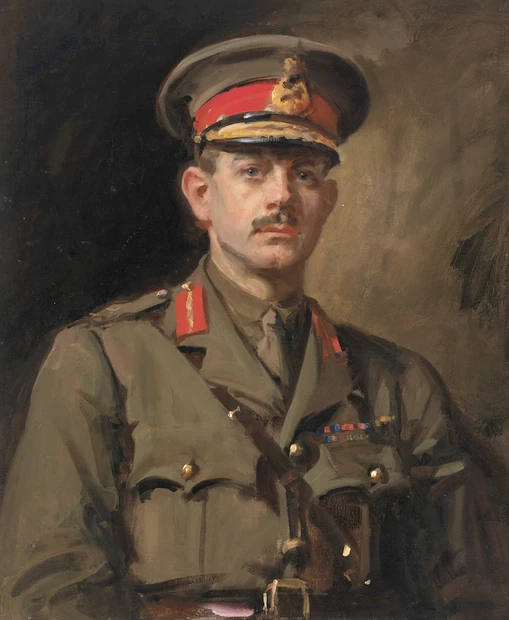
Mackay before Tobruk — the assault
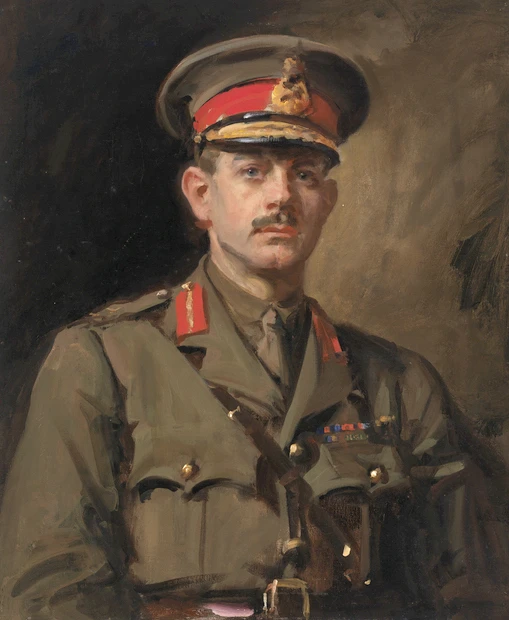
Mackay and the Australians at Bardia
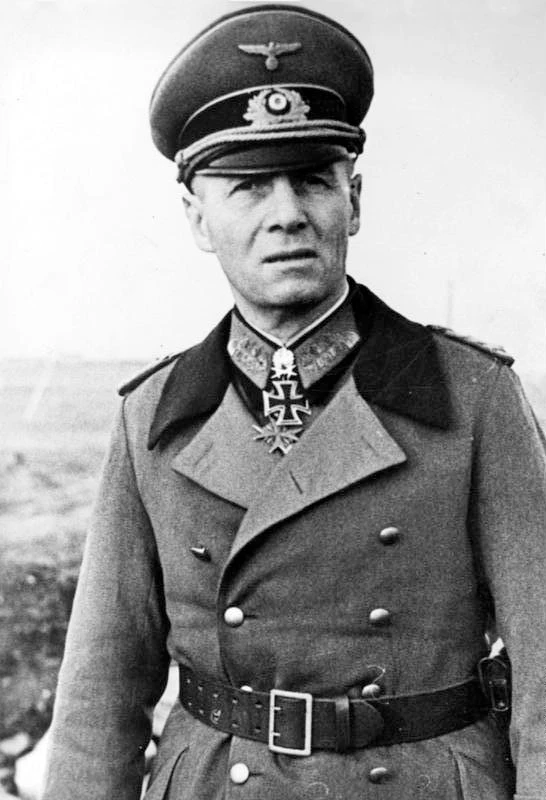
Rommel at El Agheila — orders or audacity?
Cunningham toward Mogadishu
Crusader: The Generals' Doubt
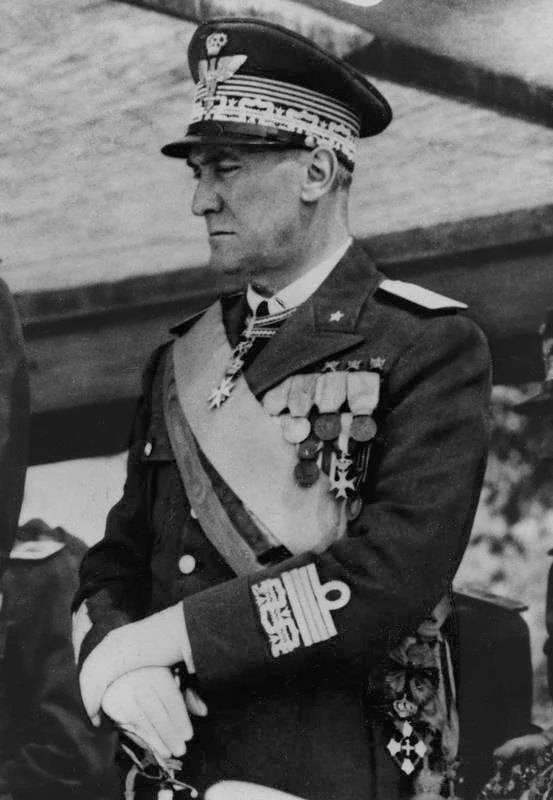
Graziani inherits the Libyan desert
O'Connor launches Compass — Sidi Barrani
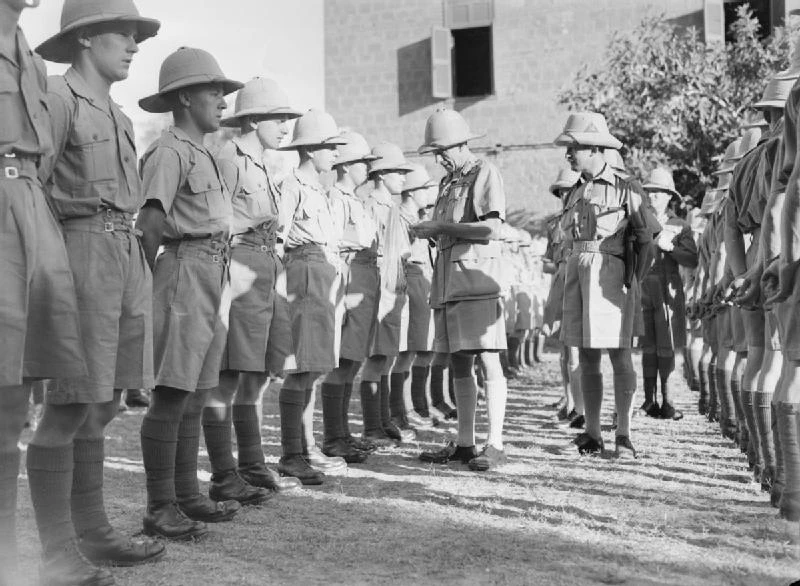
Platt before Kassala — January 1941
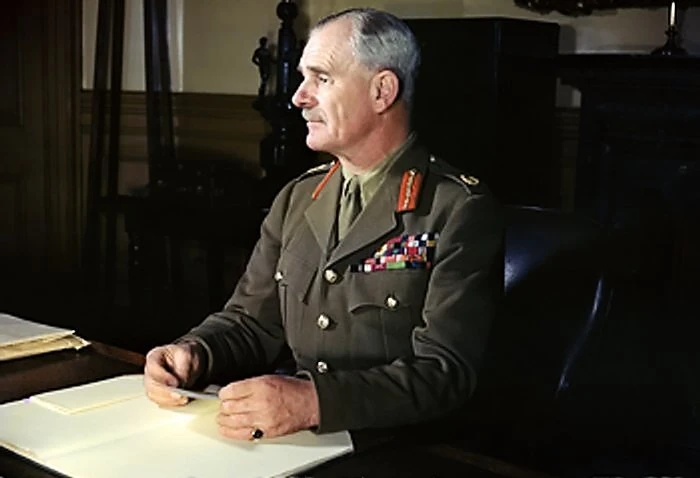
Battleaxe — Wavell before Halfaya
O'Connor at Beda Fomm
Mackay before Tobruk — the assault
Mackay and the Australians at Bardia
Rommel at El Agheila — orders or audacity?
Cunningham toward Mogadishu
Crusader: The Generals' Doubt
Graziani inherits the Libyan desert
O'Connor launches Compass — Sidi Barrani
Platt before Kassala — January 1941