
The Danish customs officer on the morning of 9 April 1940
On 9 April 1940 around 04:15, the Wehrmacht crossed the Danish border at Sæd, Rens, Kruså and Padborg, while troops landed in Copenhagen and the Luftwaffe flew over the capital. The attack was total and the imbalance of forces overwhelming; a few Danish units in southern Jutland opened fire and suffered losses in the first hours.
At Padborg, a strategic border post, a thirty-five-year-old customs officer is awakened by the sudden arrival of the German columns. He still does not know what Copenhagen is deciding. Should he take up arms at the risk of a pointless bloodbath, wait and follow the official order whatever it may be, or lay down his arms without orders to save his own skin?
Caught off guard by the invasion at dawn, should the customs officer try to resist on the spot, cease fighting as ordered, or surrender to the Germans on his own?
Faced with the German ultimatum threatening to bomb Copenhagen, the government and King ordered a ceasefire that very morning: the order to cease all resistance spread around 06:00 and the capitulation was signed at 08:34, making the invasion of Denmark the shortest campaign of the Wehrmacht (less than three hours of fighting). Danish forces, including those at the border posts, laid down their arms on official instruction. Denmark was neither annexed nor turned into a "protectorate": it became an occupied but formally sovereign state (the "Danish model"), keeping its king, government and administration until the rupture of the summer of 1943. The question thus remains collective and institutional, with no individual fate manufactured.
Learn more about this event
Related polls
10
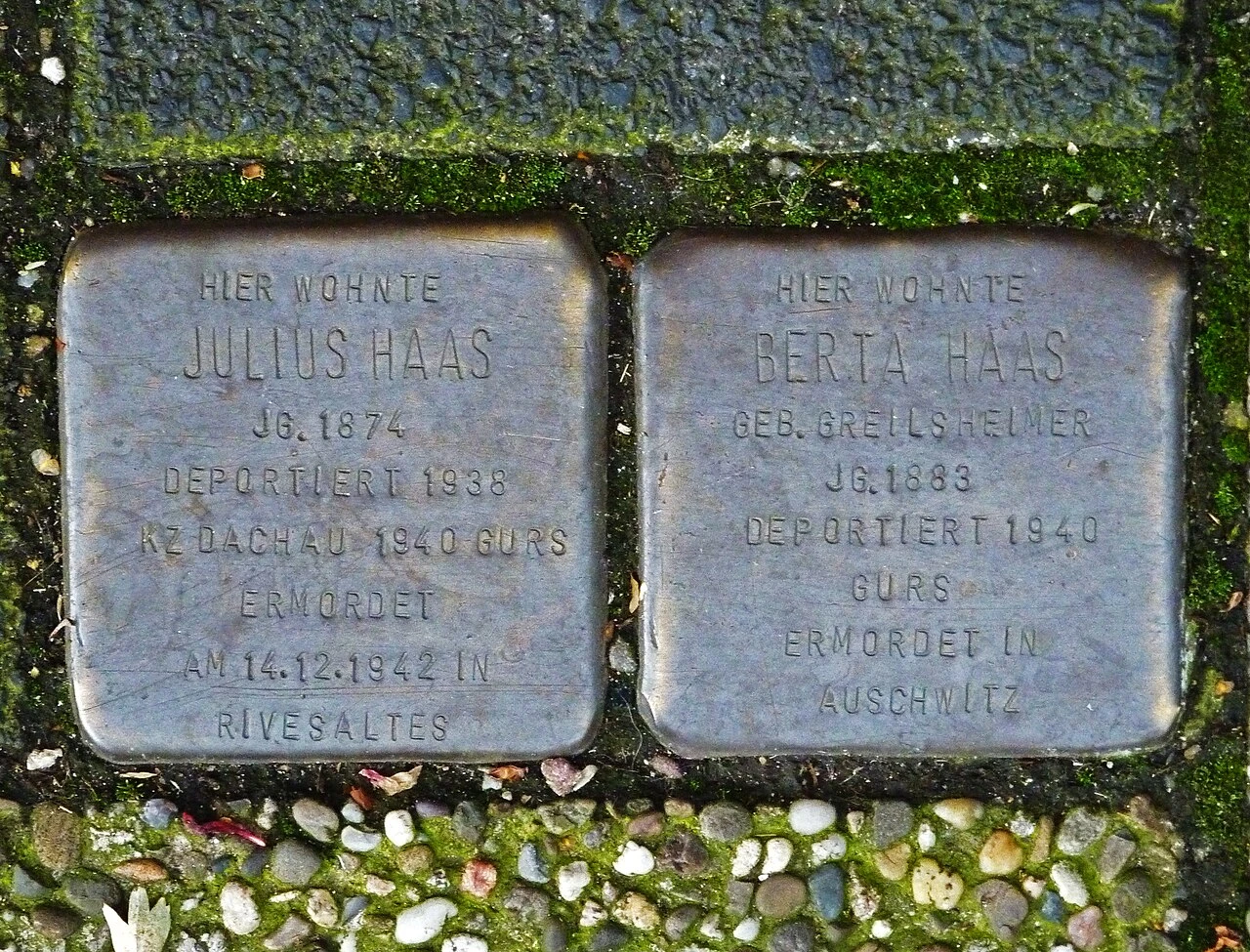
Hannah Arendt, Stateless and Interned, Facing Exile
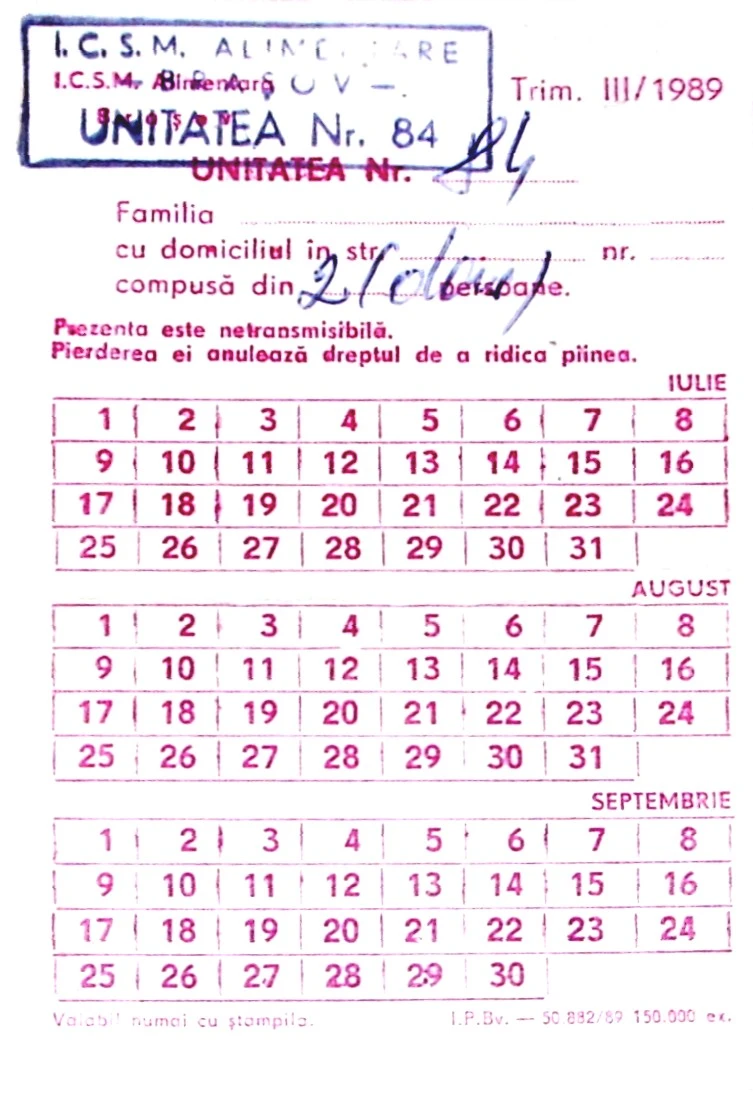
France's March 1940 Ration Card
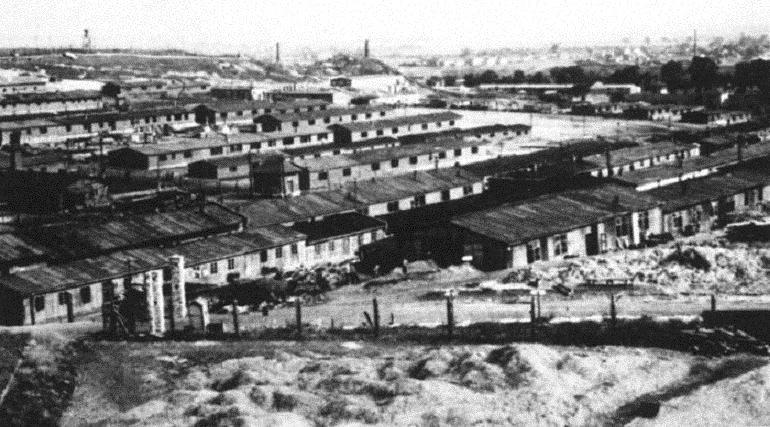
The Upper Silesian Pole Subjected to Forced Labour
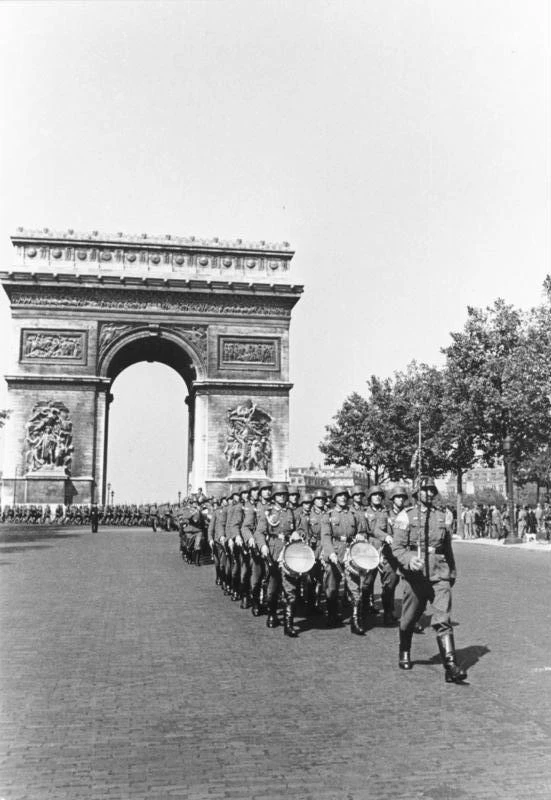
The Press under German Control
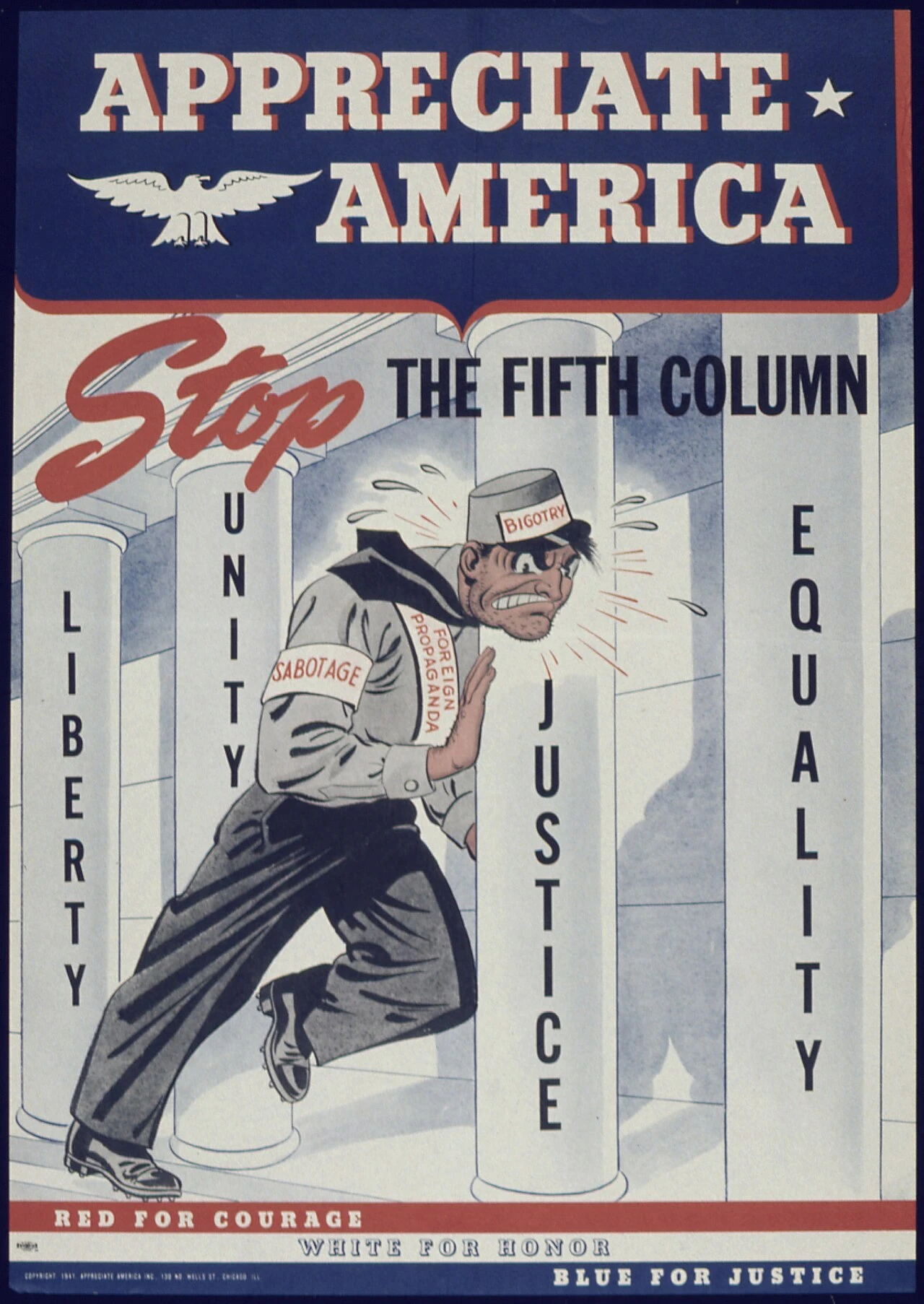
The fifth-column psychosis
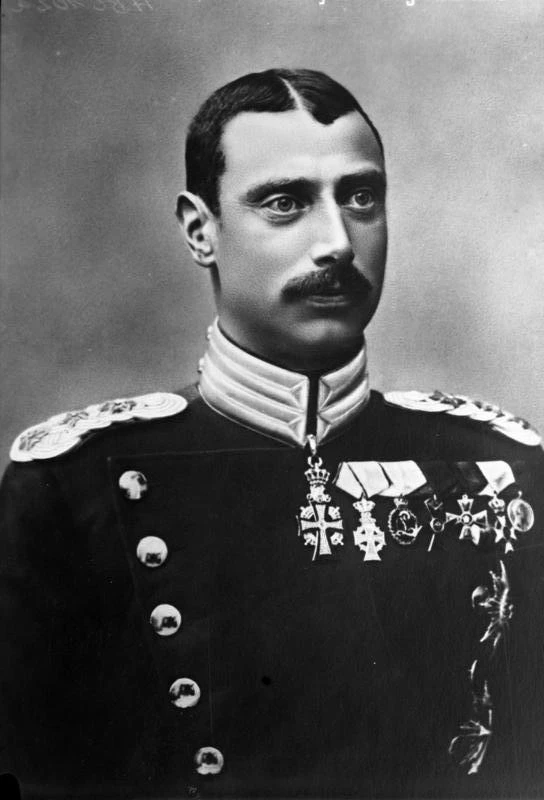
Christian X faces the ultimatum — 9 April
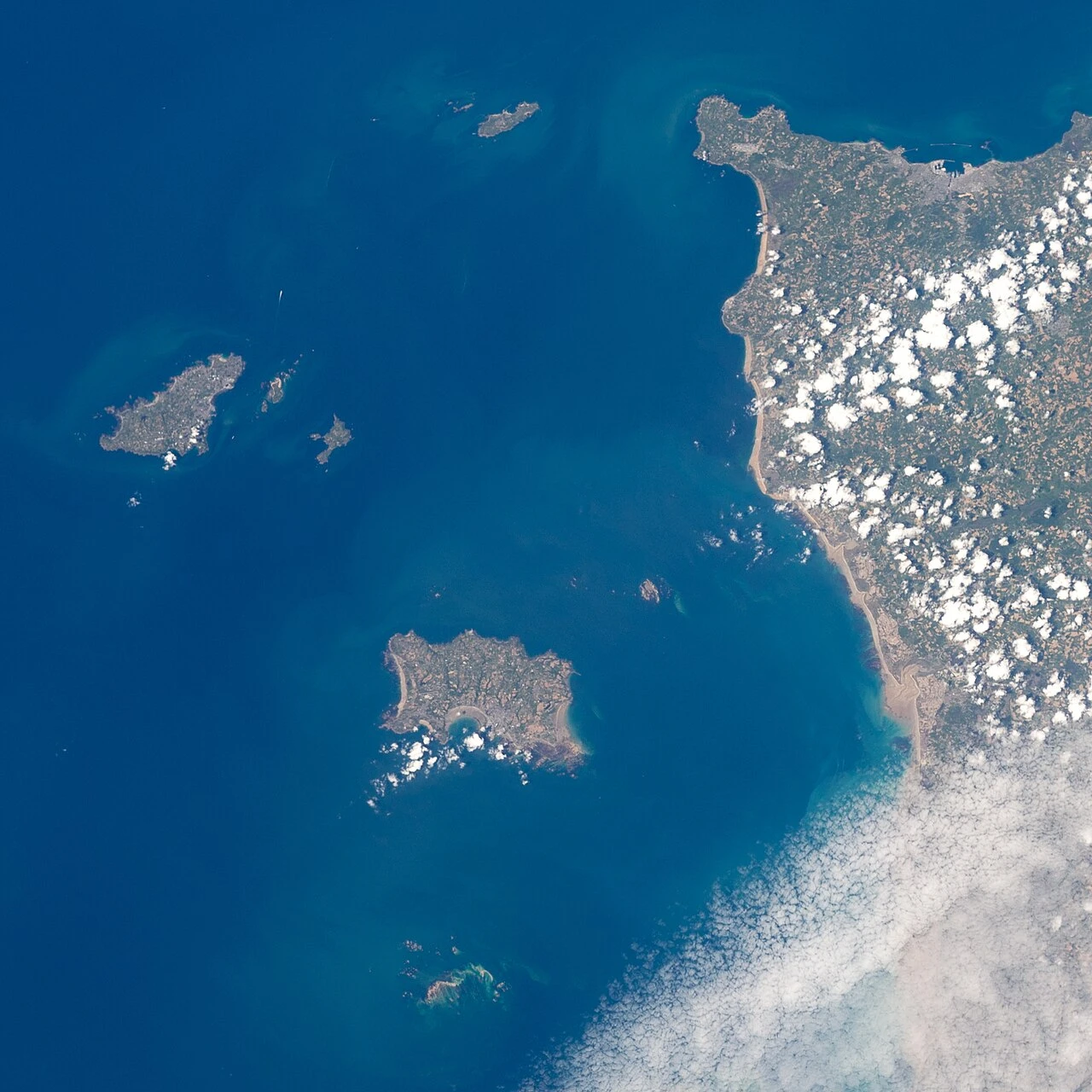
The Channel Islands — open city?
The Police Informer During the Phoney War
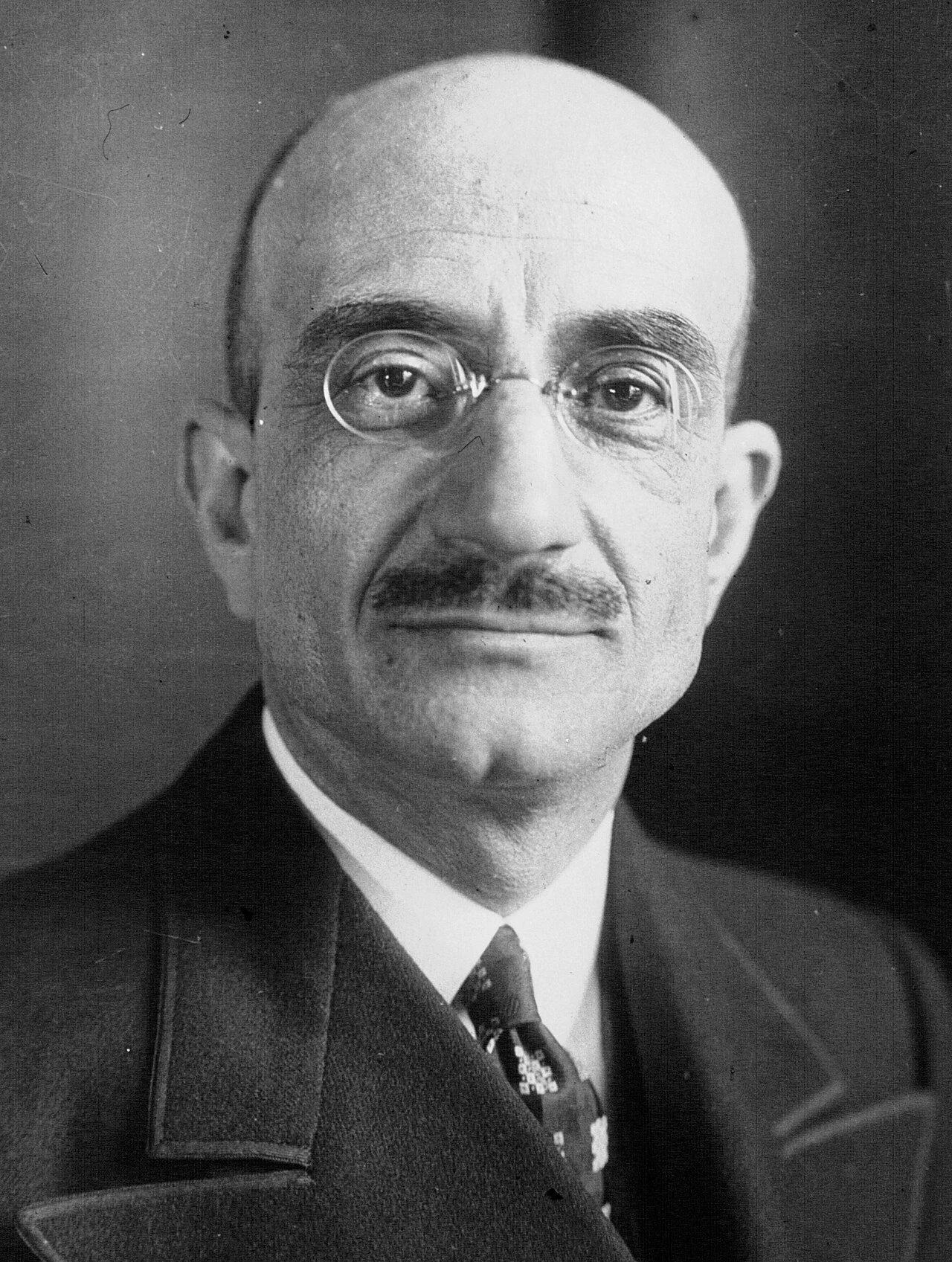
Langeron — Prefecture of Police, 14 June
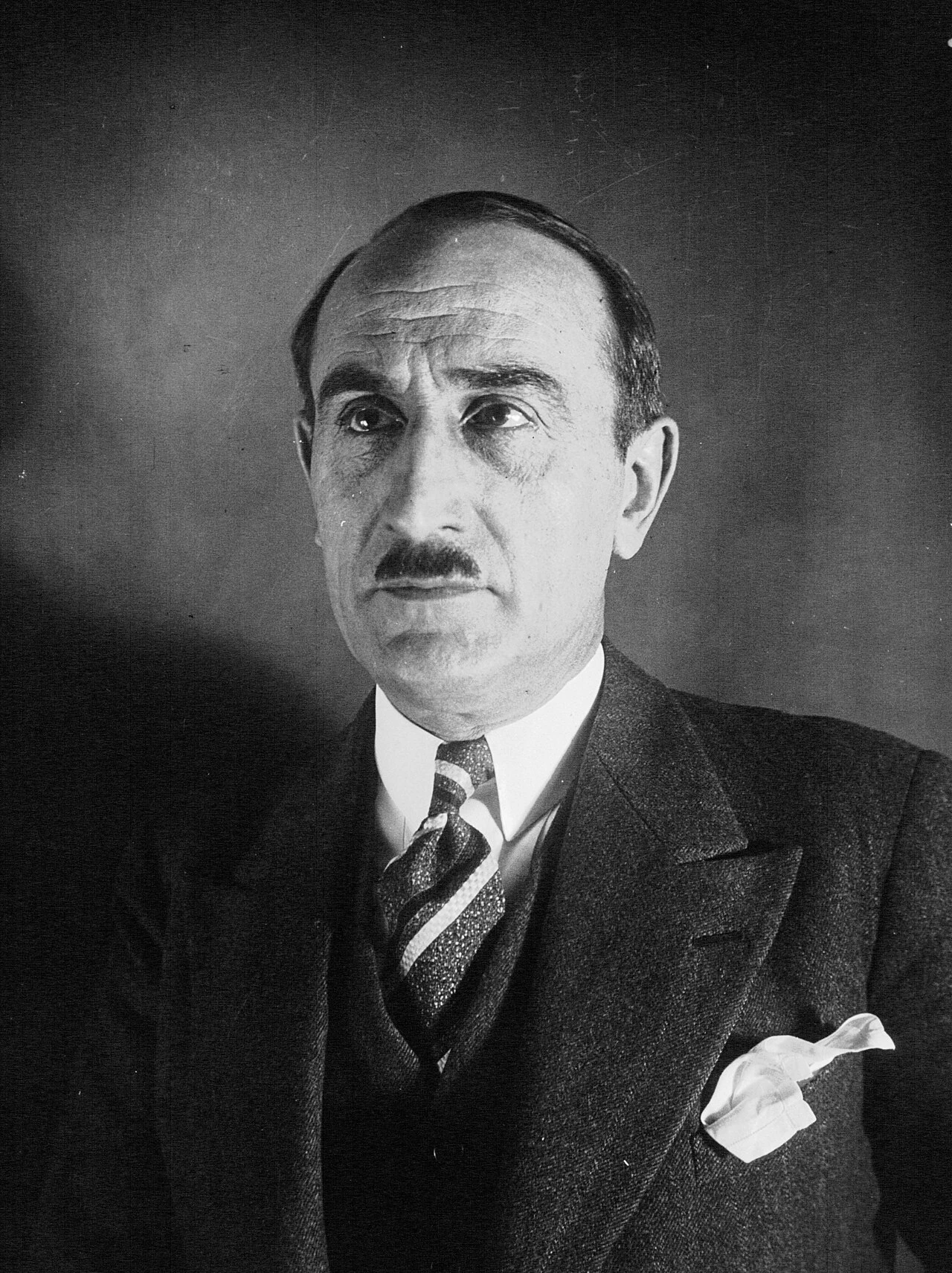
Marquet — Bordeaux overwhelmed, 12 June
Hannah Arendt, Stateless and Interned, Facing Exile
France's March 1940 Ration Card
The Upper Silesian Pole Subjected to Forced Labour
The Press under German Control
The fifth-column psychosis
Christian X faces the ultimatum — 9 April
The Channel Islands — open city?
The Police Informer During the Phoney War
Langeron — Prefecture of Police, 14 June