
The War Cabinet — Negotiate or Carry On
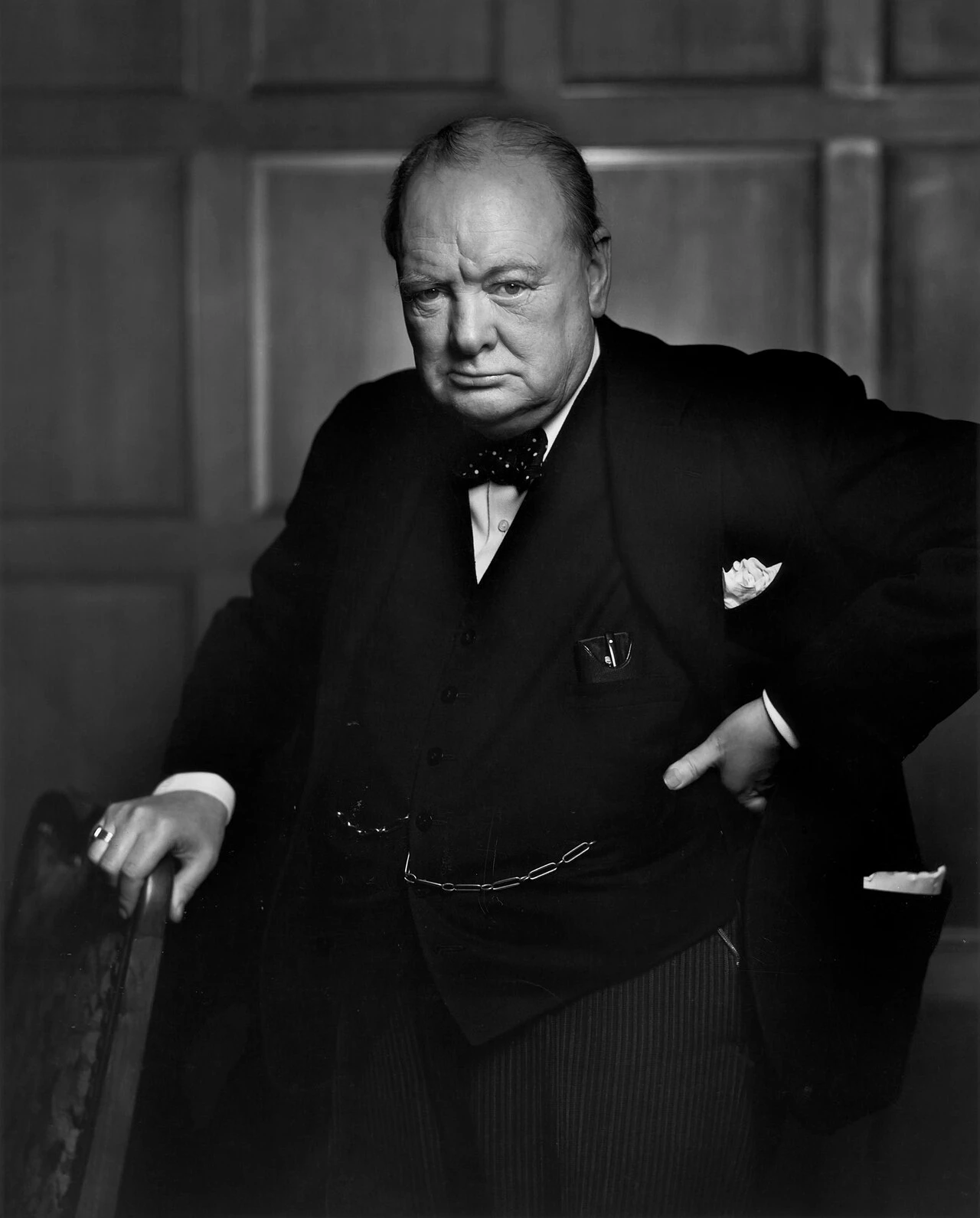
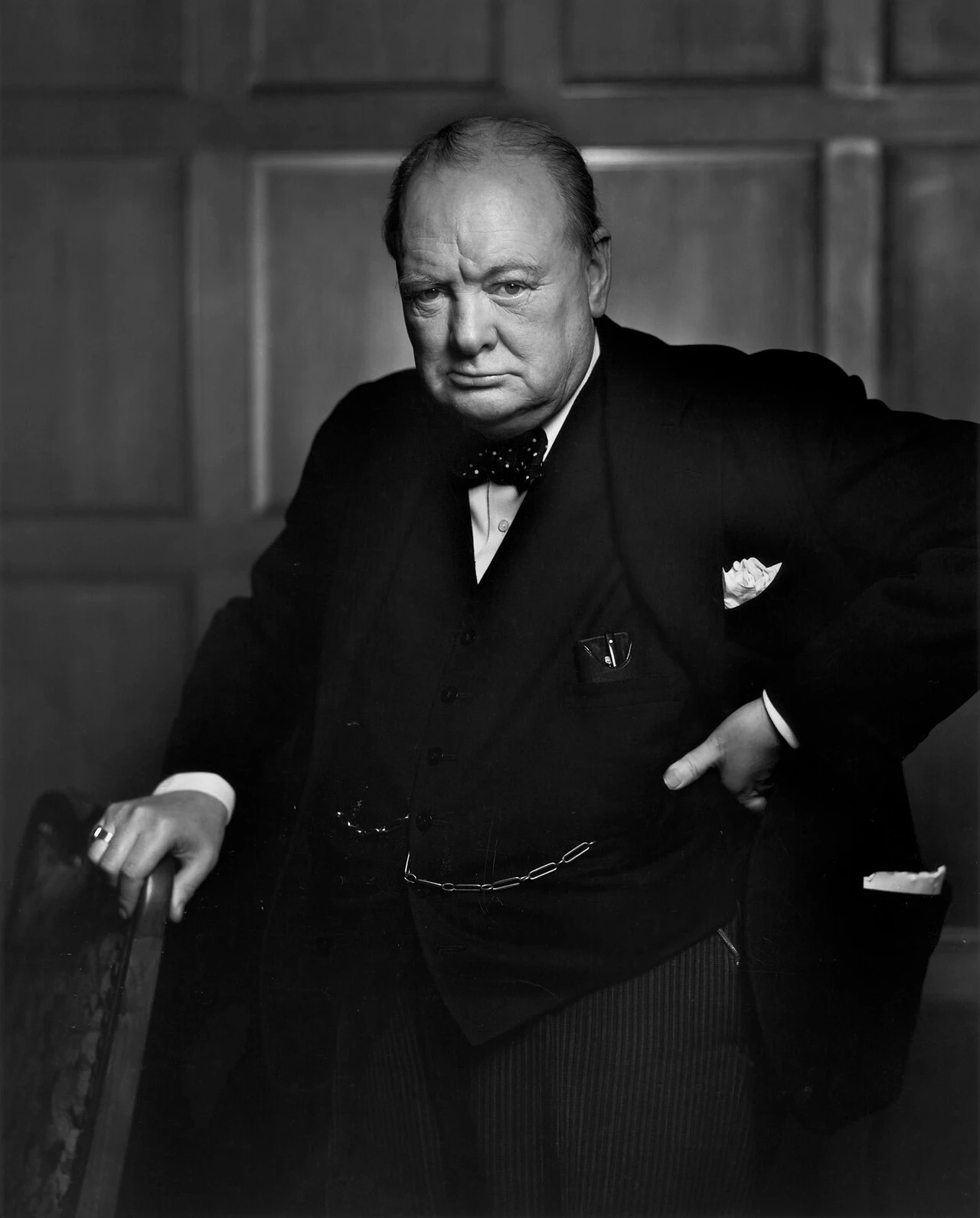
From 26 to 28 May 1940, with the British Expeditionary Force seemingly lost at Dunkirk and France wavering, the British War Cabinet holds a series of decisive meetings. The Foreign Secretary, Lord Halifax, argues for exploring a mediation by Mussolini in order to sound out peace terms with Hitler, judging the situation perhaps hopeless. Prime Minister Churchill, for his part, wants to carry on the war at all costs.
The stakes are existential. To negotiate is perhaps to spare the country an invasion and save the encircled army, but at the cost of a peace dictated by a Hitler in a position of strength, which would reduce the United Kingdom to Germany's mercy. To carry on is to gamble on the island's survival, command of the sea and the air, and the hope of American support — without any guarantee.
The Cabinet may explore an Italian mediation to sound out peace terms. It may refuse all negotiation and carry on the war alone. Or it may gain time by deferring the decision until the outcome of Dunkirk. The fate of the world war is decided, in part, in these three days of debate.
Should the War Cabinet explore a negotiated peace, refuse all negotiation, or defer the decision?
Churchill prevails: the Cabinet settles on A and sets aside the idea of a negotiated peace. After tense debates in which Halifax seriously considers a mediation, Churchill rallies the Cabinet and the government to the pursuit of the war, declaring in substance that nations which fight to the end rise again, while those which capitulate without fighting disappear. The success of the Dunkirk evacuation, in the following days, confirms this choice. This refusal to negotiate in May 1940 is one of the weightiest decisions of the war: it keeps the United Kingdom in the fight, alone against Germany, and makes possible the Battle of Britain and then the later turning of the conflict.
Learn more about this event
Related polls
10
Churchill and the ultimatum on the Burma Road
War council — leave central Norway?
Mining the Rhine — Operation Royal Marine
De Gaulle calls on Churchill — 9 June
Dunkirk: should the French be saved alongside the British?
Auchinleck replaces Wavell
Bombing London — and the reply on Berlin
The Capitulation of 28 May
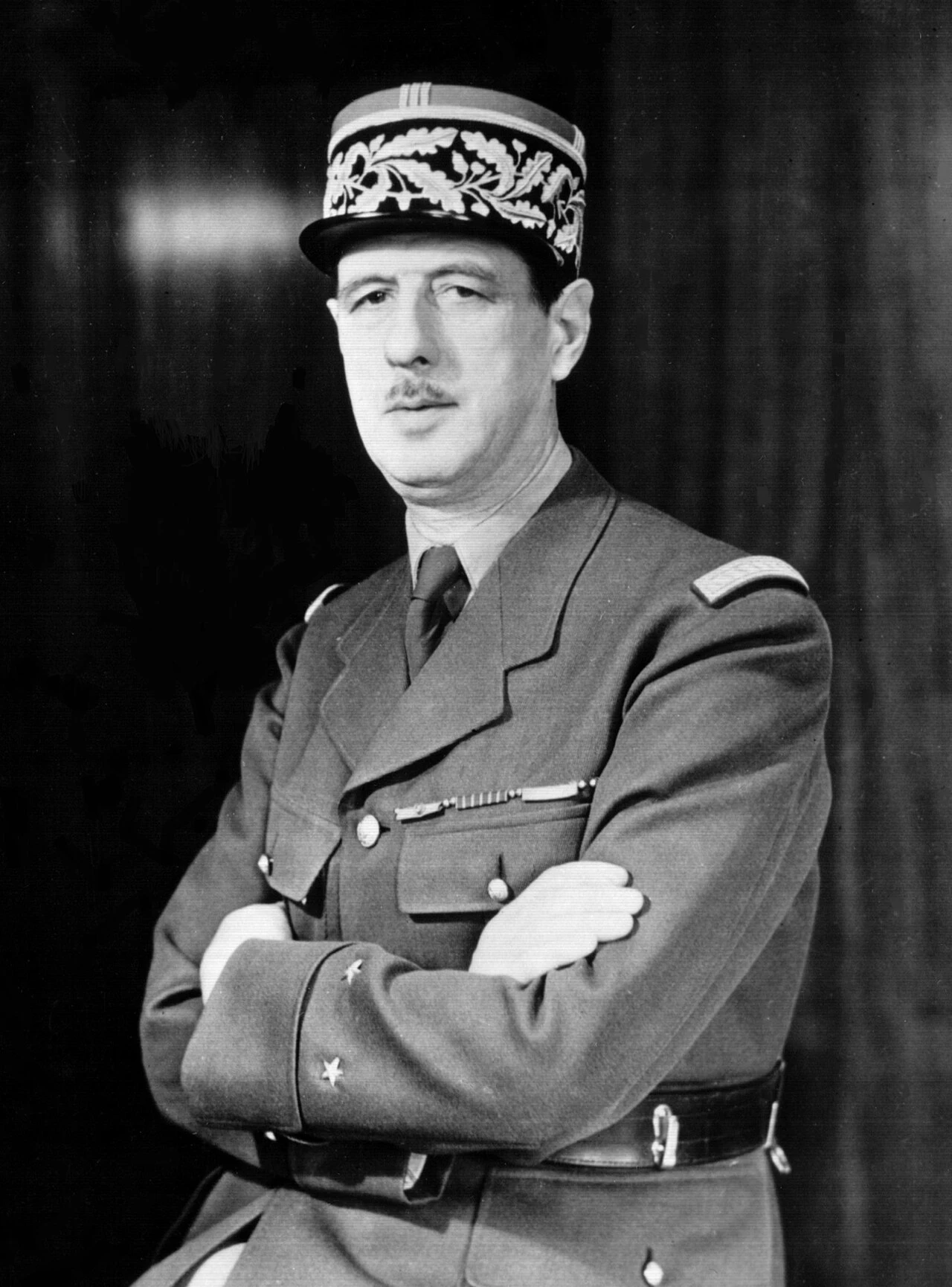
De Gaulle joins the government — 5 June
The Empire — Vichy or de Gaulle
Churchill and the ultimatum on the Burma Road
War council — leave central Norway?
Mining the Rhine — Operation Royal Marine
De Gaulle calls on Churchill — 9 June
Dunkirk: should the French be saved alongside the British?
Auchinleck replaces Wavell
Bombing London — and the reply on Berlin
The Capitulation of 28 May
De Gaulle joins the government — 5 June