
The Warsaw Ghetto — the ration of hunger
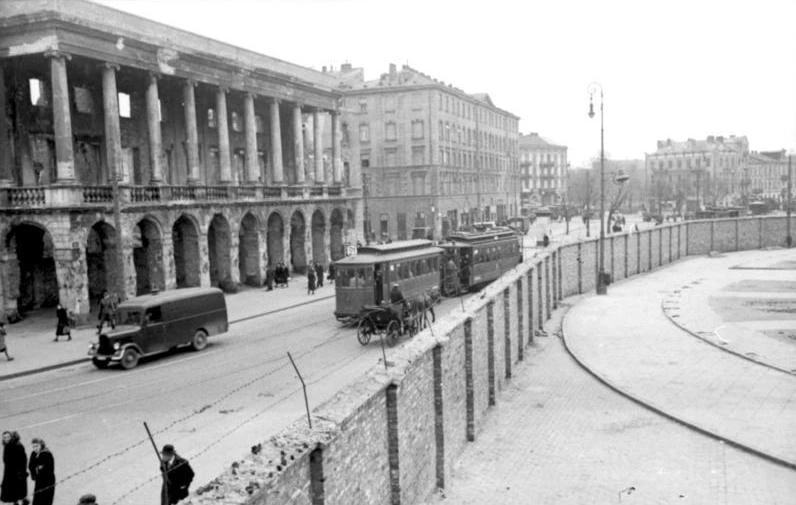
The Warsaw Ghetto was sealed on 16 November 1940: a three-metre wall enclosed about 400,000 Jews within some 3.4 km², the most densely populated district in Europe. Supply was the responsibility of the German administration, via the Transferstelle, which controlled all flows between the ghetto and the city. In April 1941, the civilian Kommissar was appointed head of the "Jewish district," a post he held until November 1942.
The official rations allotted to Jews were derisory — on the order of 180 to 200 calories a day in 1941, against around 700 for non-Jewish Poles and more than 2,600 for Germans. It was a deliberate famine. Survival required circumventing the system: large-scale smuggling, carried out notably by children, clandestine workshops, and soup kitchens run by mutual-aid organizations such as the Aleynhilf made it just possible to reach 1,000 to 1,100 calories, at the cost of a ruinous black market. The Jewish Council (Judenrat) chaired by had no power over the overall volume: the Germans set it; it could only distribute the scarcity and plead with the occupier.
In the summer of 1941, famine and typhus killed more than 5,000 people a month; in all, more than 100,000 would die of hunger and disease before the deportations to Treblinka. The question put to the German administration, which held the levers: adjust upward to halt the slaughter, maintain the starvation level, or reduce it further.
Faced with mass death by starvation, should the German administration of the ghetto raise the rations, keep them at starvation level, or lower them further?
The German administration kept Jewish rations at a starvation level (around 180 official calories a day) and strictly enforced the sealing of the ghetto. Since the food distributed legally was far below the minimum needed to live, survival depended solely on smuggling and mutual-aid kitchens; hunger and typhus killed more than 5,000 people a month from the summer of 1941 and, in all, more than 100,000 residents before the deportations. Responsibility for the crime of famine lay with the occupier, who set the supplies, the Czerniaków Judenrat being able only to distribute the scarcity and plead, in vain, for more provisions. was never tried: an investigation opened in Dortmund was closed upon his death in 1970.
Learn more about this event
Related polls
10
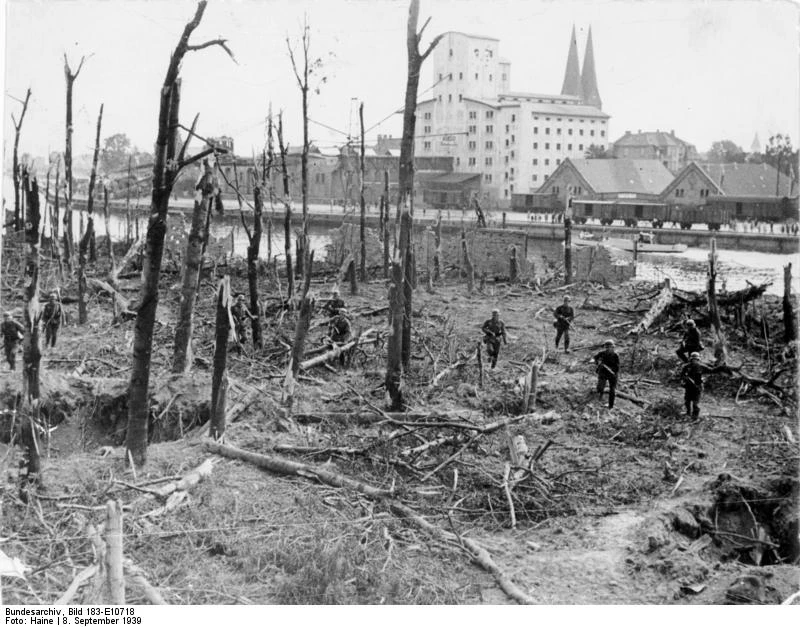
A Danzig Customs Officer on the Day of Annexation
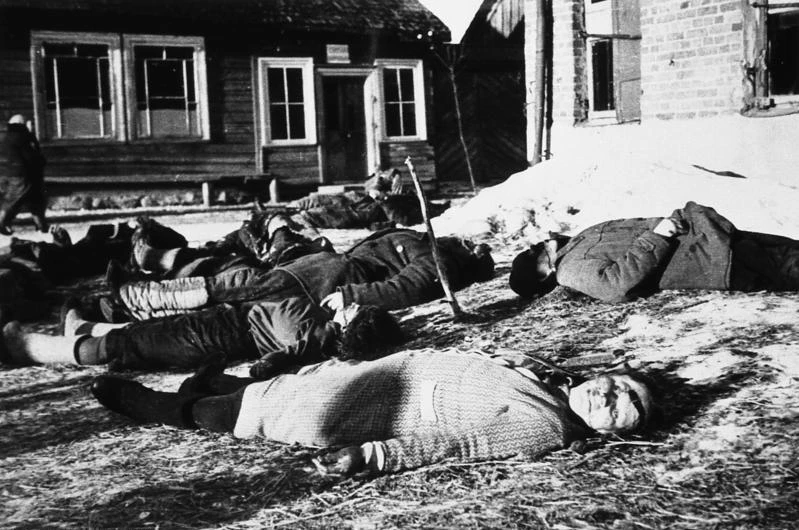
Generalplan Ost — the Hunger Plan
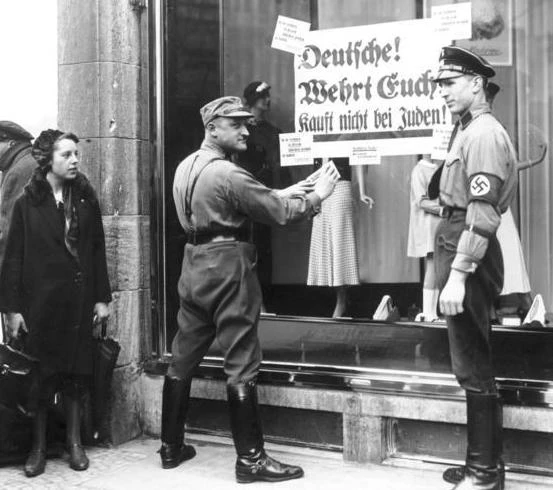
Flee or Stay
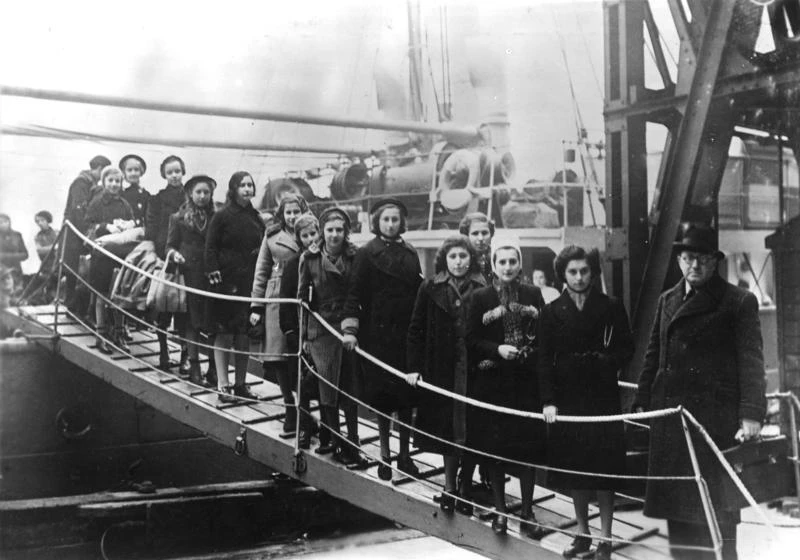
The Kindertransport
The Karten: Rationing Germany at War
Belgrade under the bombs
Czerniaków — the Warsaw ghetto sealed
Jedwabne — the crime of the neighbours
The Monowitz Construction Site
The Warsaw Ghetto — the temptation of informing
A Danzig Customs Officer on the Day of Annexation
Generalplan Ost — the Hunger Plan
Flee or Stay
The Kindertransport
The Karten: Rationing Germany at War
Belgrade under the bombs
Czerniaków — the Warsaw ghetto sealed
Jedwabne — the crime of the neighbours
The Monowitz Construction Site