
The Repatriation of the Refugees
In the summer of 1940, nearly two million Belgians who had taken refuge in France must be brought home. The operation is colossal: disrupted transport, borders controlled by the occupier, scattered families, exhausted resources. On the Belgian side, a Commissariat for Repatriation is set up to organise this return. The German authorities, for their part, also wish to empty France of these refugees and put Belgium back to work.
The Commissariat faces delicate trade-offs. To organise a mass and rapid repatriation, dealing with the occupier to bring everyone back as quickly as possible. To proceed cautiously, in stages, filtering and preserving what can be preserved of Belgian autonomy. Or to let returns organise themselves spontaneously, at the risk of chaos.
To deal with the occupier in order to repatriate is to render service to the population but enter into its logic; to play for time is to leave families destitute in France. The humanitarian stakes (reuniting families, housing, feeding) are inextricably entangled with the political constraints of the occupation. Which line will the Commissariat adopt?
Should the Commissariat organise a mass and rapid repatriation, proceed cautiously, or let matters take their course?
The authorities opt for C: a mass repatriation is organised during the summer of 1940, bringing back almost all the Belgian refugees from France, in de facto cooperation with the occupier — who sees in it the means of normalising the situation and reviving the economy. Within a few weeks, the great reflux empties France of its Belgian refugees. The operation, largely successful on the humanitarian level (families reunited, return home), nonetheless falls within the logic of the "lesser evil" and of administrative cooperation with the occupier that characterises this whole period. For families, it is the end of the exodus and the beginning, at home, of the years of occupation.
Learn more about this event
Related polls
10
Provisioning and the Black Market
Going back to work under the occupier
Campine Coal and the Hunger of Year One

The burgomaster faced with requisitions
The Minister, the Fleet and the Empty Plates
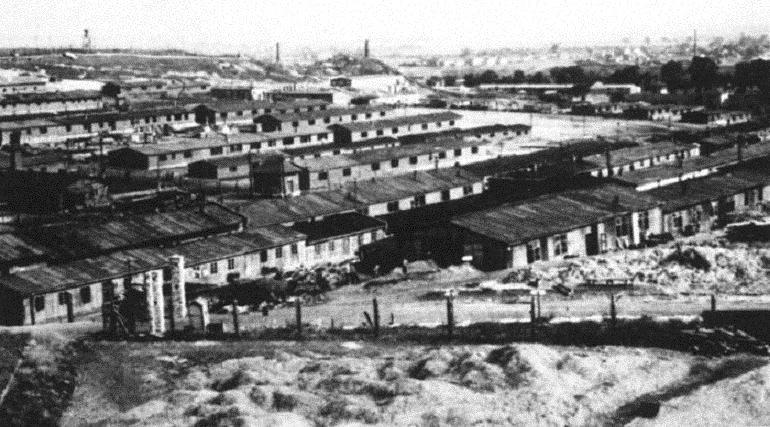
The Upper Silesian Pole Subjected to Forced Labour
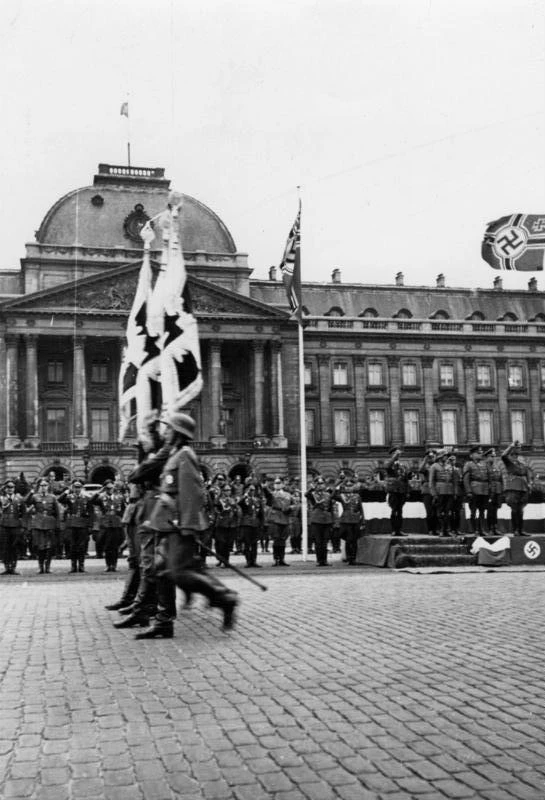
Organised plunder — the mark at 12.50 F
Rebuild or Wait

The Red Cross and the Missing
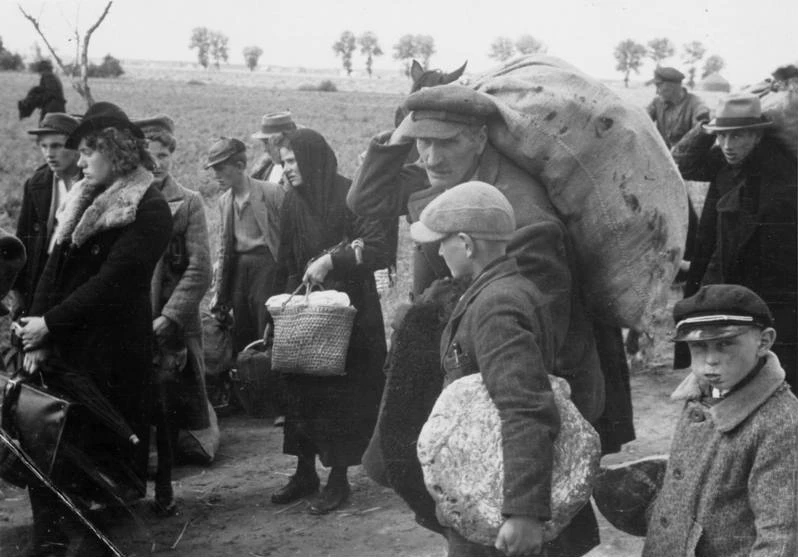
The Warsaw Student and the Black Market
Provisioning and the Black Market
Going back to work under the occupier
Campine Coal and the Hunger of Year One
The burgomaster faced with requisitions
The Minister, the Fleet and the Empty Plates
The Upper Silesian Pole Subjected to Forced Labour
Organised plunder — the mark at 12.50 F
Rebuild or Wait
The Red Cross and the Missing