
Roosevelt — destroyers for bases
In the summer of 1940, watches a Britain standing alone against Germany, short of escorts to protect her Atlantic convoys. For weeks Churchill has been pleading for American destroyers. But the United States is neutral, opinion remains overwhelmingly isolationist, and the president is running in November for an unprecedented third term: any gesture perceived as a step toward war would be a weapon in the hands of his opponents.
Roosevelt is looking for an arrangement that helps London without colliding head-on with Congress or the electorate. An idea takes shape: hand over fifty old First World War destroyers in exchange for 99-year leases on British bases in the Atlantic (Newfoundland, Bermuda, the Caribbean), presented as a strengthening of American defense.
The procedure raises a constitutional difficulty: such an agreement would normally take the form of a treaty submitted to the Senate. Roosevelt must choose his path — go through Congress at the risk of a debate bogged down in mid-campaign, act by executive order on his sole presidential authority, or back away to avoid exposing himself. He still does not know how opinion will receive a weapons swap with a belligerent.
How should Roosevelt transfer the destroyers to Britain?
Roosevelt chooses B. The "destroyers for bases" agreement is announced on September 2, 1940, through an exchange of notes, without a vote in Congress: fifty destroyers in return for 99-year leases. The president relies on an opinion from his attorney general holding that the deal falls within his authority. The measure concretely helps the Royal Navy hold the Atlantic and marks a clean break with strict neutrality, in favor of a policy of aid "by all means short of war." It opens the way to the Lend-Lease Act of March 1941. Reelected on November 5, 1940, Roosevelt will thereby confirm the United States' drift toward the status of "arsenal of democracy," without entering the war until December 1941.
Learn more about this event
Related polls
10
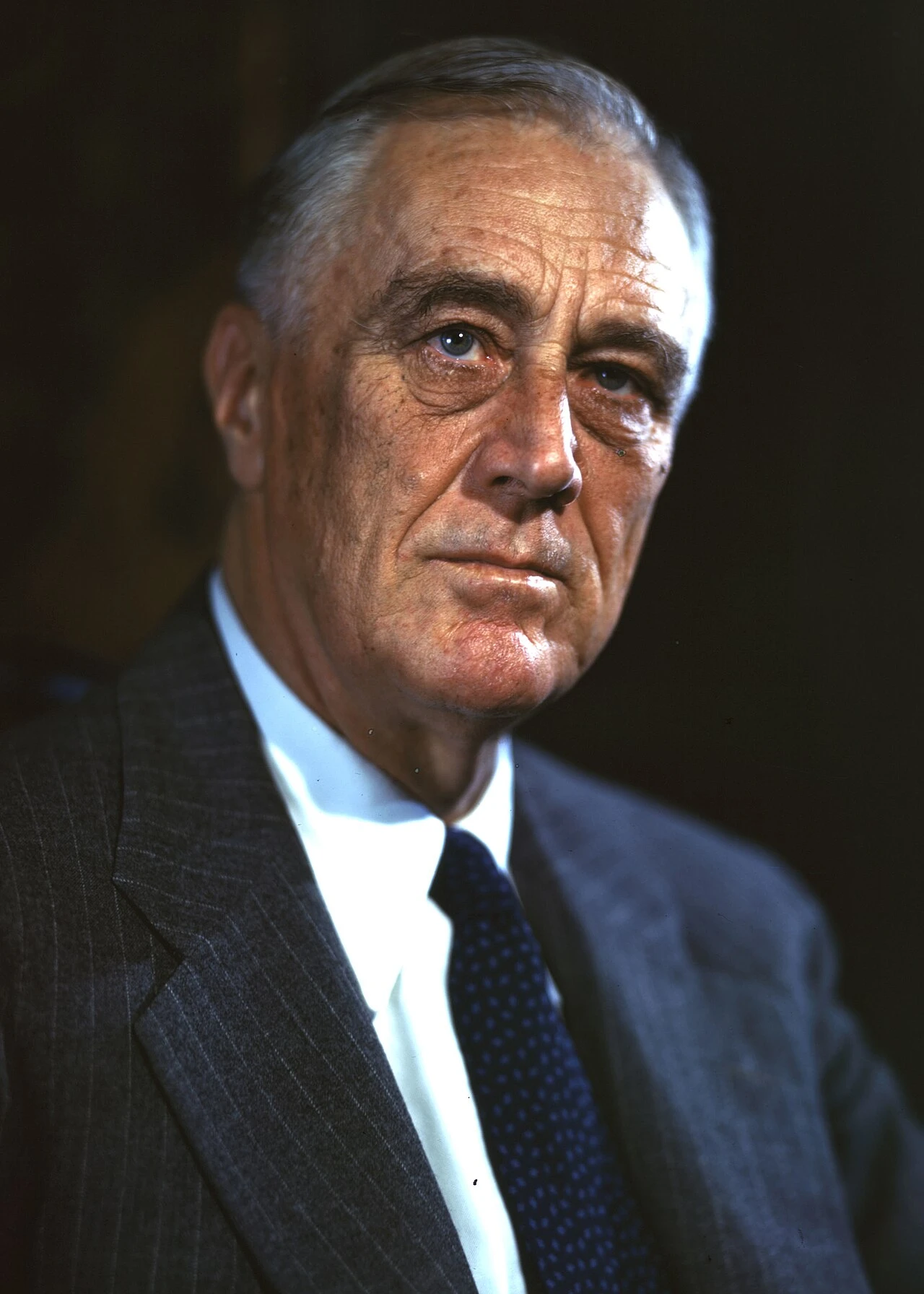
Roosevelt and the Squadron for Singapore — Washington, October 1940
Vinson and the Two-Ocean Navy Act
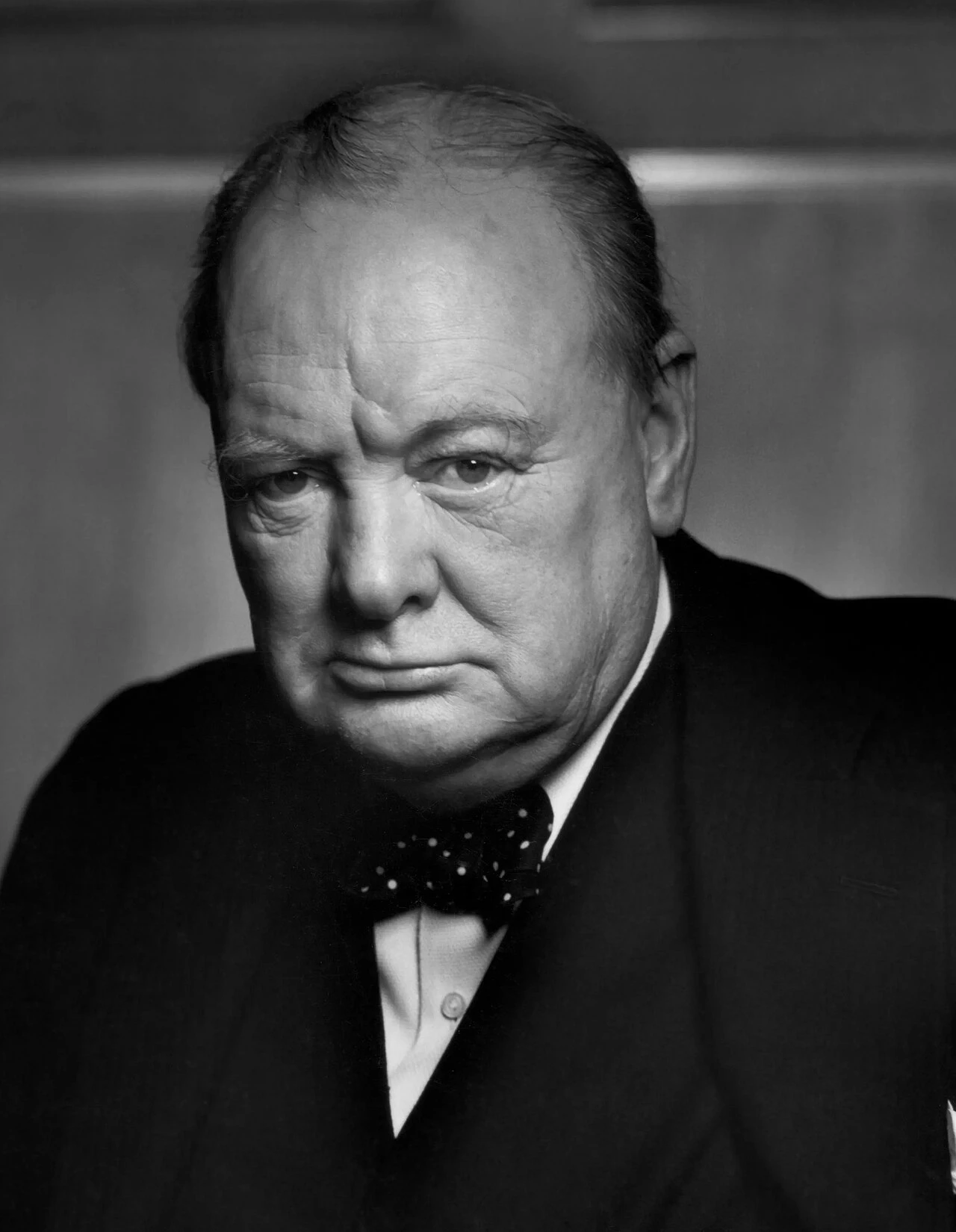
Mining the Rhine — Operation Royal Marine
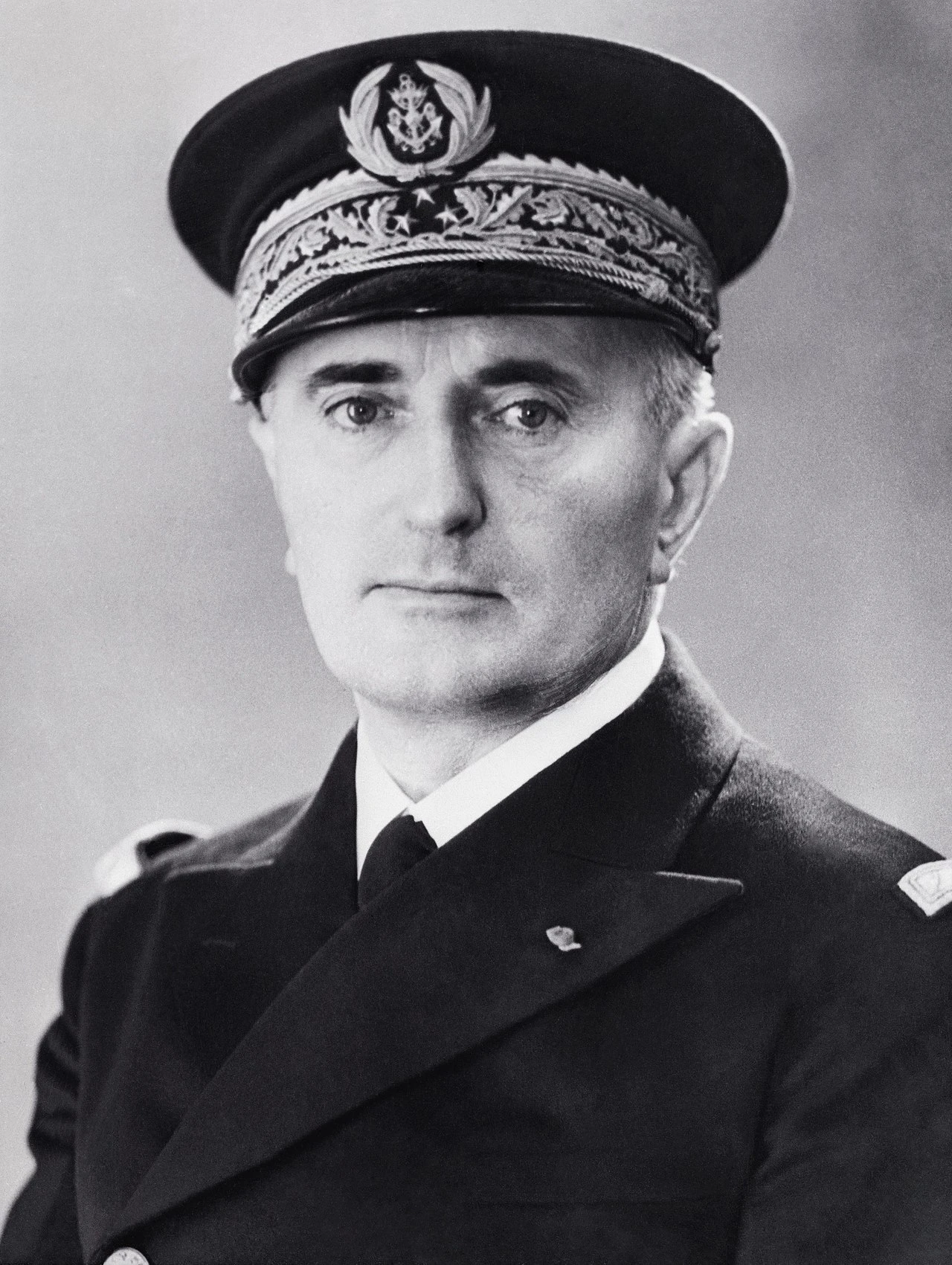
Darlan and the fleet — 20 June
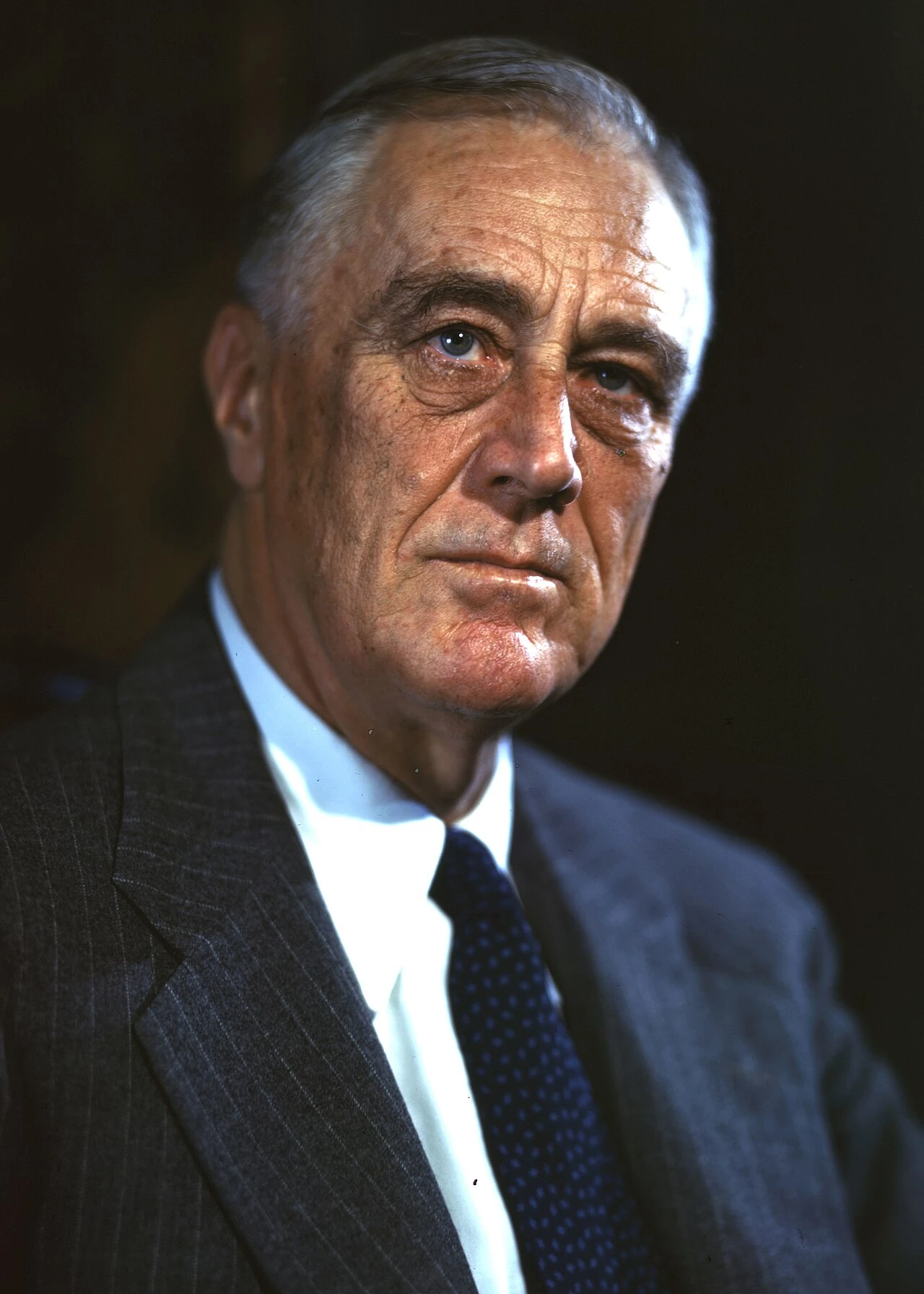
The United States lands in Iceland
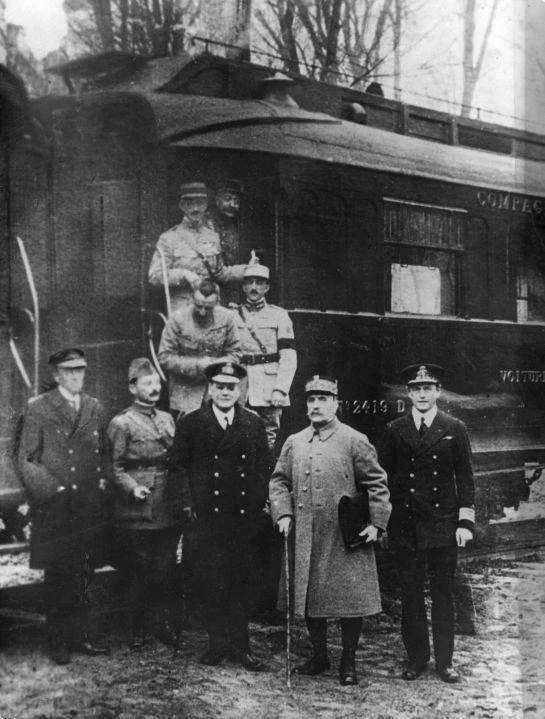
Rethondes — Article 8 on the Fleet
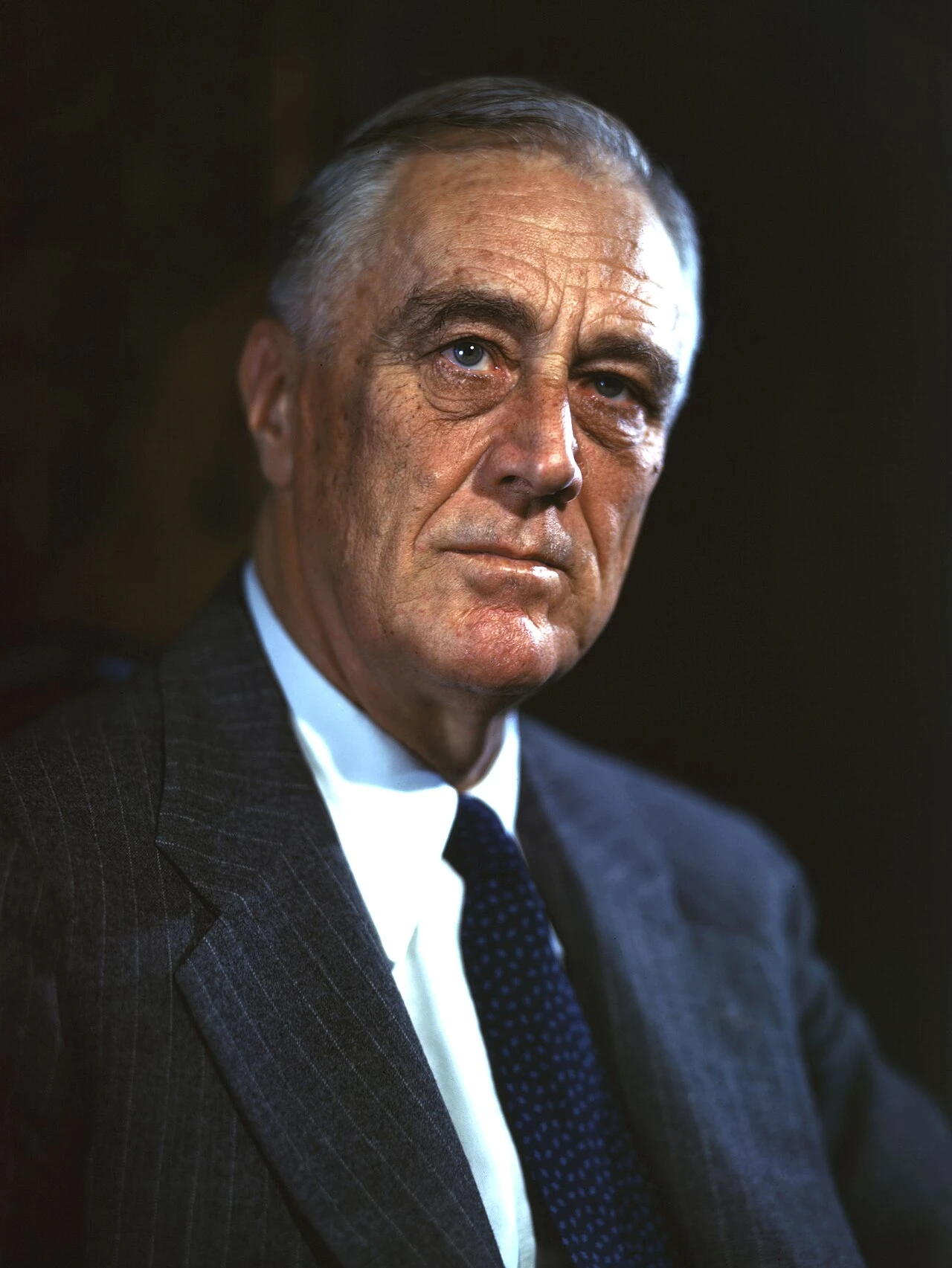
Roosevelt — Arm England?
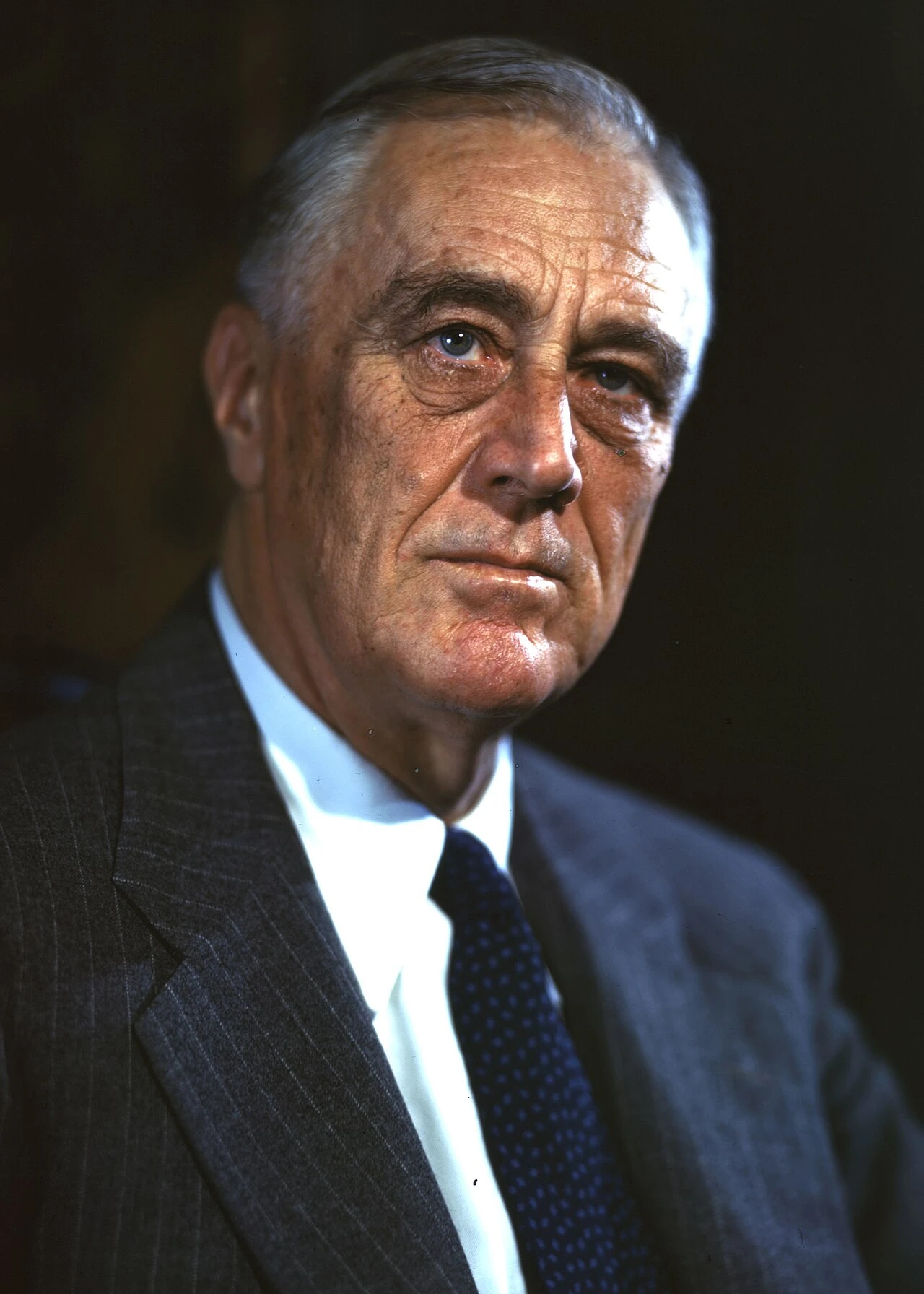
Roosevelt at the microphone — 29 December 1940
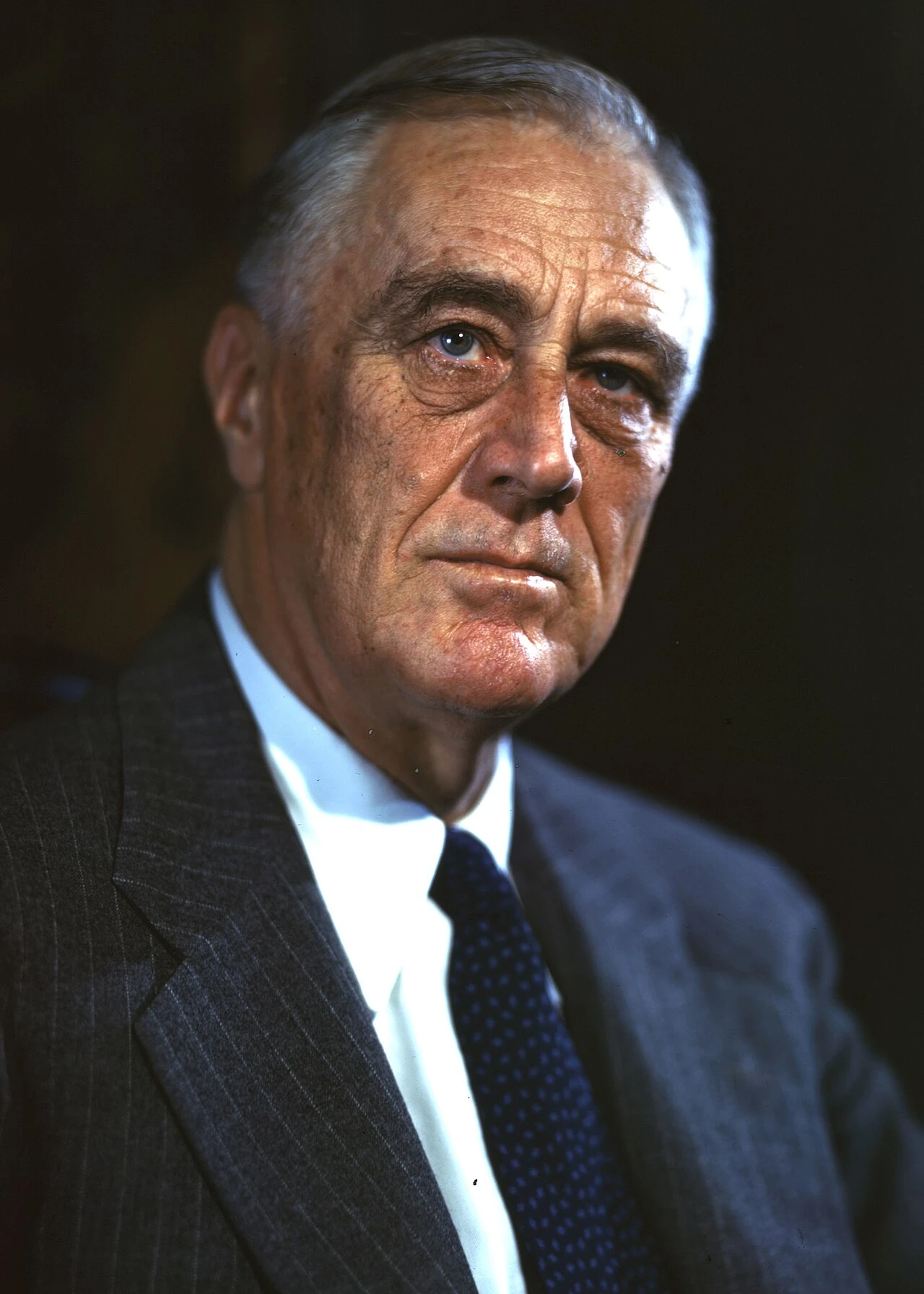
Roosevelt — Lend-Lease before Congress
Germany first, even before the war
Roosevelt and the Squadron for Singapore — Washington, October 1940
Vinson and the Two-Ocean Navy Act
Mining the Rhine — Operation Royal Marine
Darlan and the fleet — 20 June
The United States lands in Iceland
Rethondes — Article 8 on the Fleet
Roosevelt — Arm England?
Roosevelt at the microphone — 29 December 1940
Roosevelt — Lend-Lease before Congress