
The First Convoys to Murmansk
In the autumn of 1941, the Soviet Union is reeling under the shock of Operation Barbarossa and is urgently calling for material aid from its new Western allies. To deliver tanks, aircraft, trucks and raw materials to the ports of the Soviet Far North, only one navigable sea route opens up: the Arctic one, rounding the northern tip of Norway to reach Murmansk and Arkhangelsk. The Dervish convoy led the way in August, and a new train of merchant ships escorted by the Royal Navy is preparing to set sail.
The sailing conditions there are among the harshest on the globe. The cold bites at hulls and men alike, storms rise without warning, and the approaching polar night upends all calculations of visibility. The pack ice is pushing southward, gradually closing the navigable corridor and drawing the ships nearer to enemy coasts.
For the threat is not only climatic. From occupied Norway, the Kriegsmarine and the Luftwaffe watch over these waters: U-boats on the prowl, bombers and reconnaissance aircraft on the lookout for the slightest plume of smoke. To plot the route is to weigh distance, ice and the enemy's reach against one another before getting under way.
Which route should be chosen to bring this convoy through to Murmansk?
The command chose the wide northern detour, steering as close as possible to the pack ice to maximize the distance from the German airfields and submarine bases in occupied Norway. In the autumn of 1941, this calculation pays off: the first PQ convoys, such as PQ-1 which set out in late September in the wake of the August Dervish convoy, reach Murmansk and Arkhangelsk practically without losses, the enemy still underestimating the importance of this traffic and the polar night offering a precious screen of darkness. This initial success entrenches the conviction that the Arctic route is sustainable. But the lull is deceptive: as Allied aid swells and the Kriegsmarine concentrates U-boats, bombers and capital ships in Norway, the Murmansk route becomes in 1942 one of the deadliest of the war, culminating in the disaster of convoy PQ-17, scattered and decimated in July 1942.
Learn more about this event
Related polls
10

Borakowski and the merchant fleet
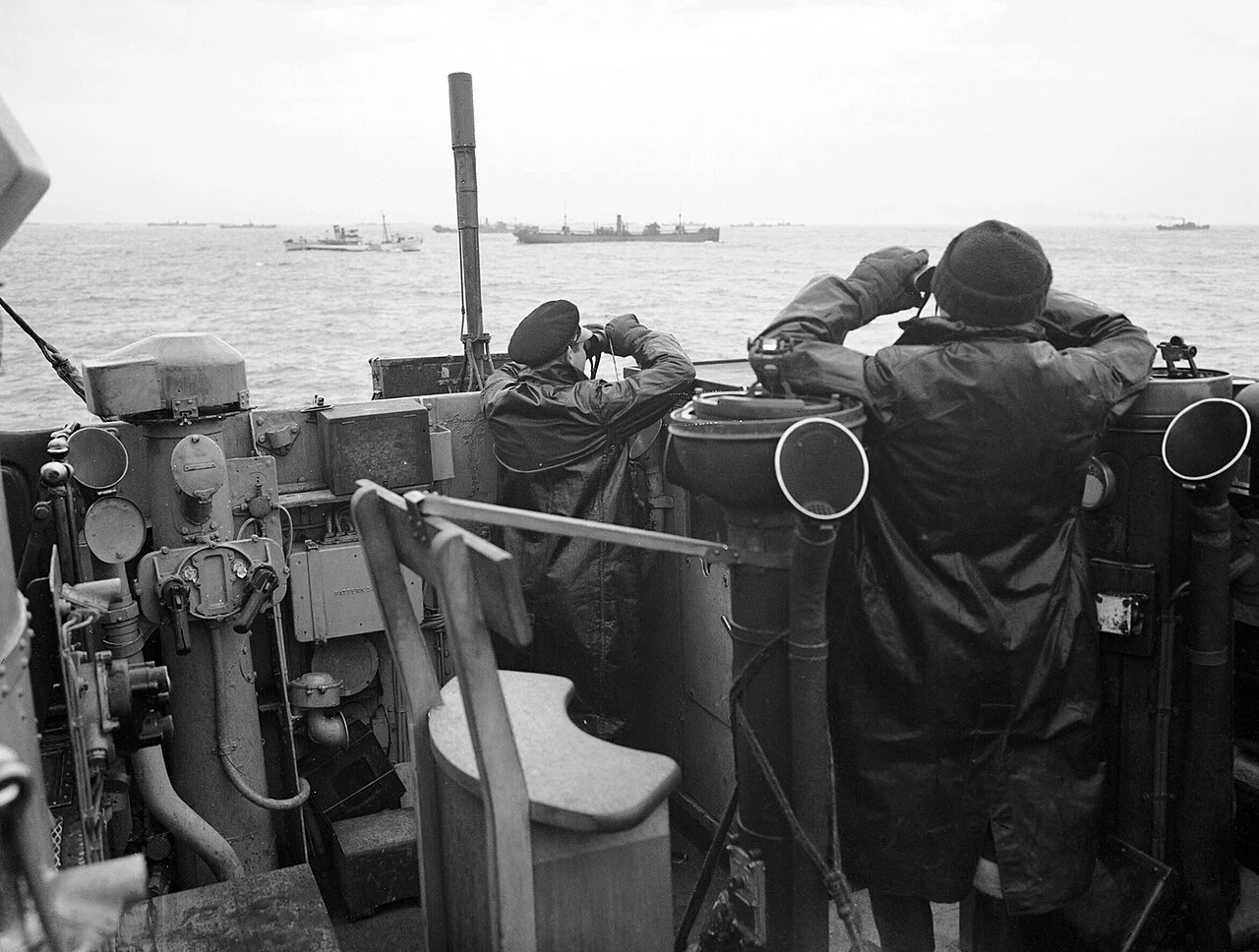
The black hole of the Atlantic, October 1941
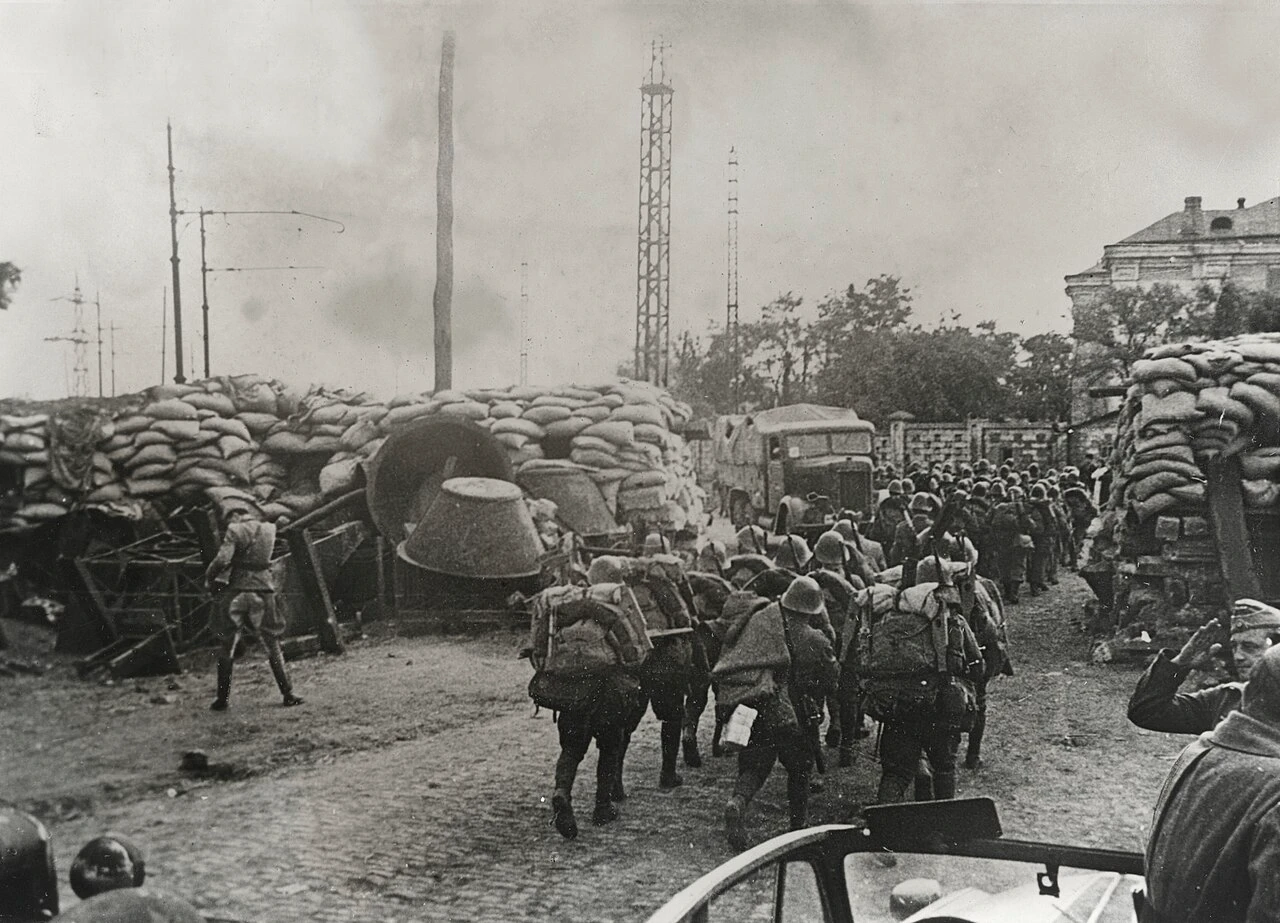
Odessa, October 1941: The Sea or Death
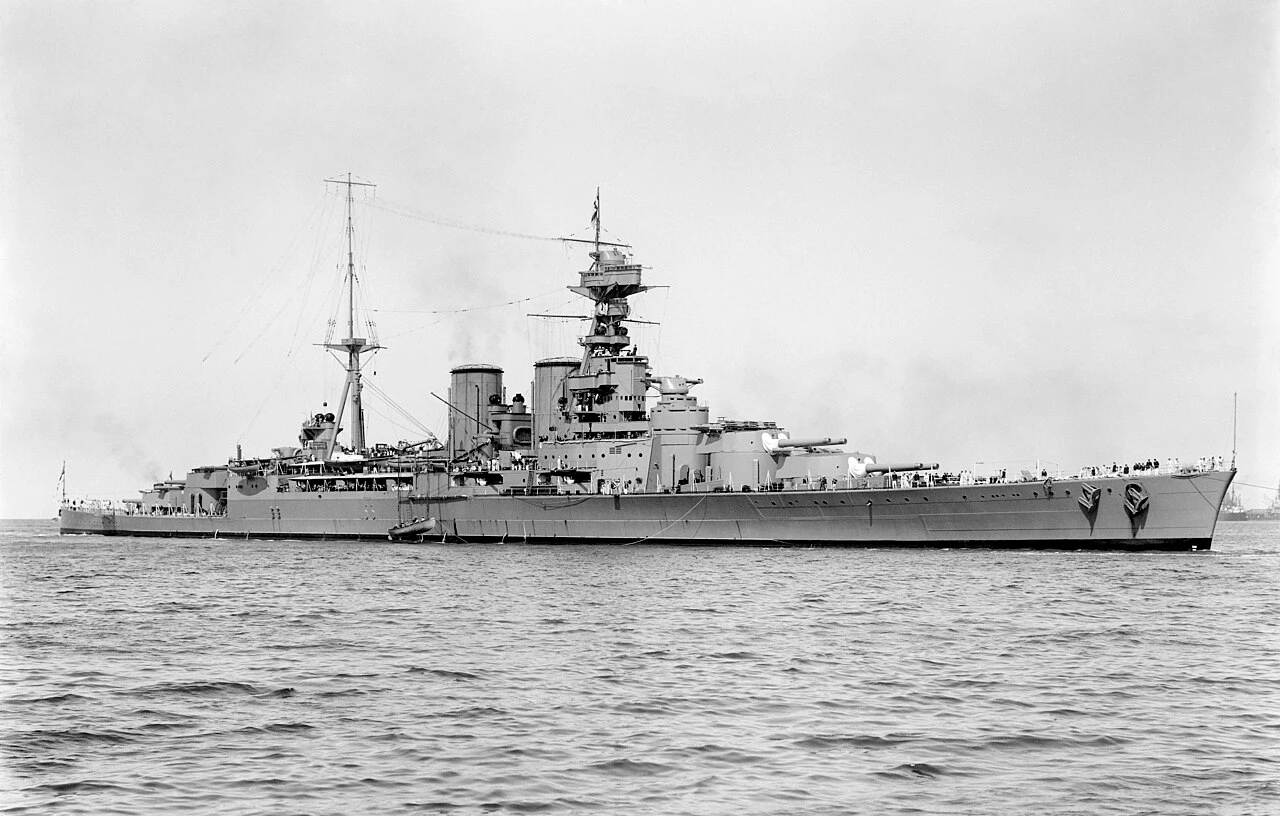
The Hood against the Bismarck
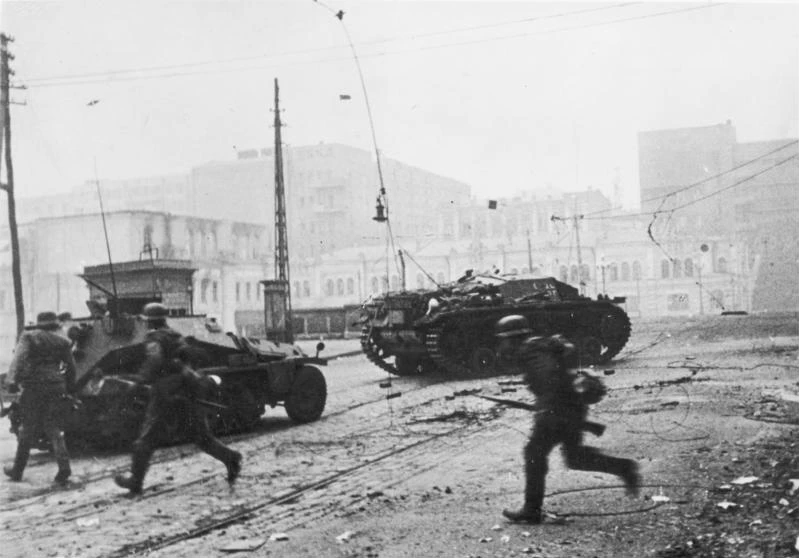
Soviet Sappers at Kharkov
Tovey — the Bismarck running for France
U-110 — a U-boat abandoned but afloat
The Altmark affair
The Admiralty and the Strasbourg Rumour
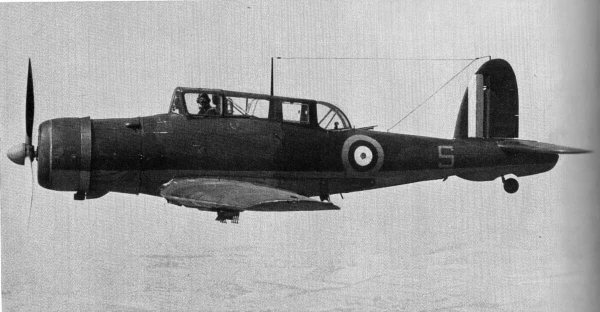
Bergen — the Skuas at extreme range
Borakowski and the merchant fleet
The black hole of the Atlantic, October 1941
Odessa, October 1941: The Sea or Death
The Hood against the Bismarck
Soviet Sappers at Kharkov
Tovey — the Bismarck running for France
U-110 — a U-boat abandoned but afloat
The Altmark affair
The Admiralty and the Strasbourg Rumour