
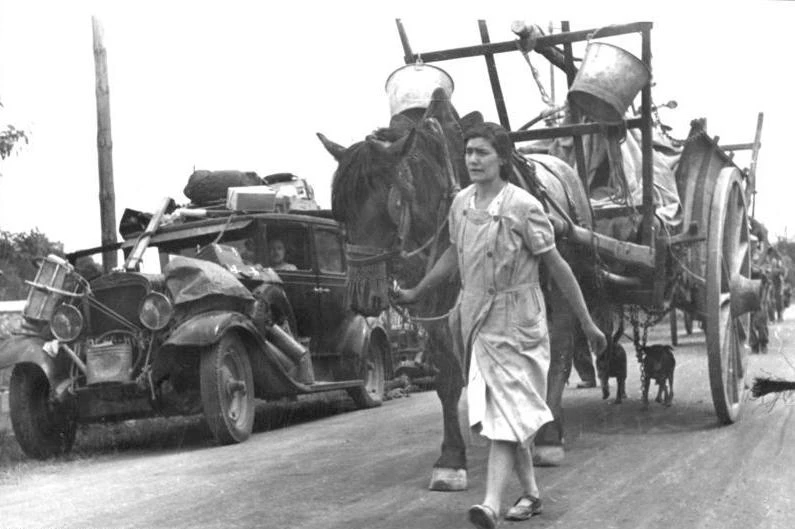
The exodus and the fighting of May 1940 scattered entire families: children separated from their parents in the throng, soldiers with no news of their kin, loved ones lost from sight on the roads or fallen in combat. In the summer of 1940, finding one's own becomes a major and anguishing preoccupation for tens of thousands of families.
For you, with no news of a loved one — a mobilised son, a child lost in the exodus, a relative gone missing — several paths open up. To turn to the Red Cross and the search organisations, which centralise notices and lists, while arming yourself with patience. To conduct a search by your own means (journeys, small advertisements, word of mouth), at the cost of effort and risk. Or to wait passively for news, for lack of the means to act.
In an occupied country, with disrupted communications, where information on prisoners and the dead is slow and incomplete, the uncertainty can last for weeks, for months. The search for the missing, supported by the Red Cross, becomes one of the great humanitarian tasks of the post-collapse period.
Should our family rely on the Red Cross, conduct its own search, or wait for news?
Many combine A and B: the Red Cross (Belgian and international) plays a central role in the search for the missing, the transmission of news between prisoners and families, and the drawing up of lists of the dead, the wounded and the captured. Families rely on its services while multiplying personal efforts of their own. The restoration of family ties, the locating of prisoners (via the ICRC) and the identification of victims stretch over months. This quest for the missing, one of the most painful dimensions of the aftermath of May 1940, mobilises an immense humanitarian effort and illustrates the human and emotional cost of the collapse, far beyond the military losses.
Learn more about this event
Related polls
10
Provisioning and the Black Market

The burgomaster faced with requisitions
The Repatriation of the Refugees
Rebuild or Wait
Going back to work under the occupier
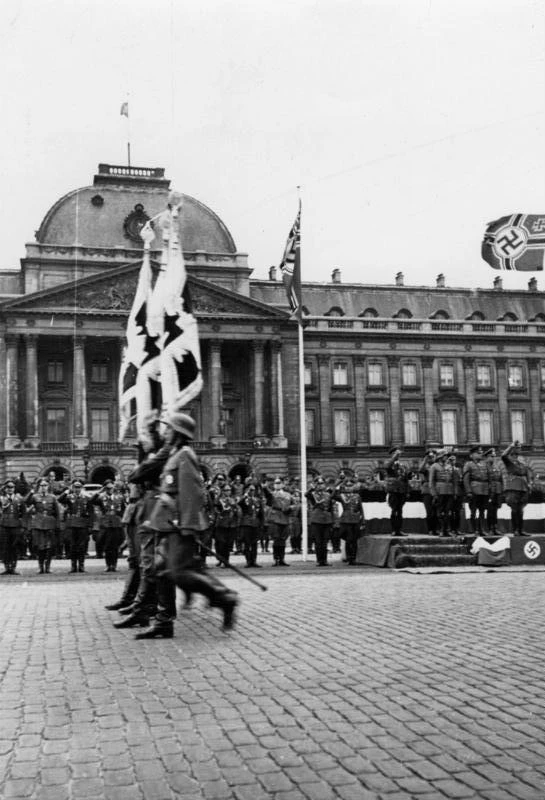
Resuming a "Normal" Life
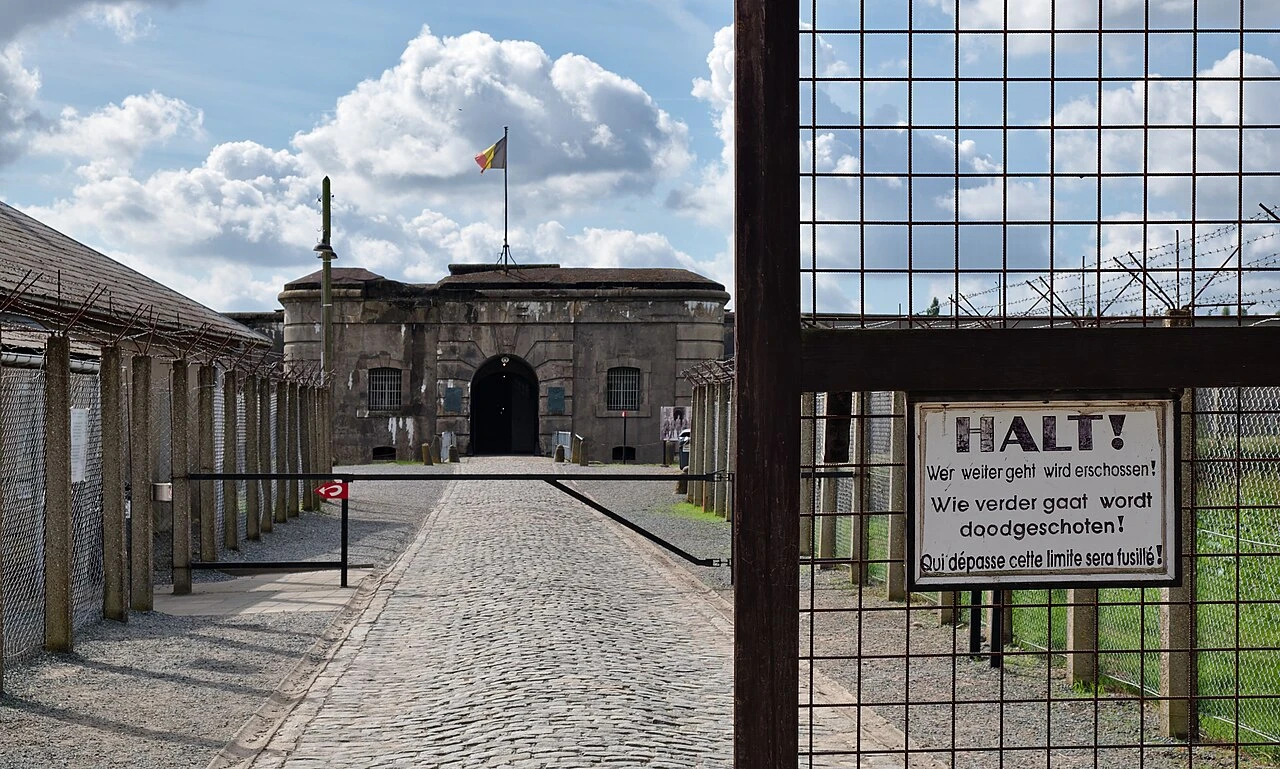
Reopening the School under the Occupation
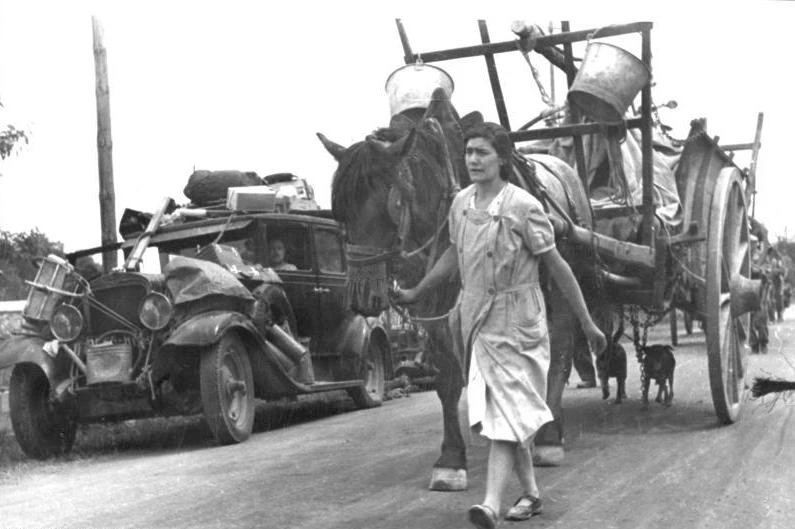
The exodus — flee or stay
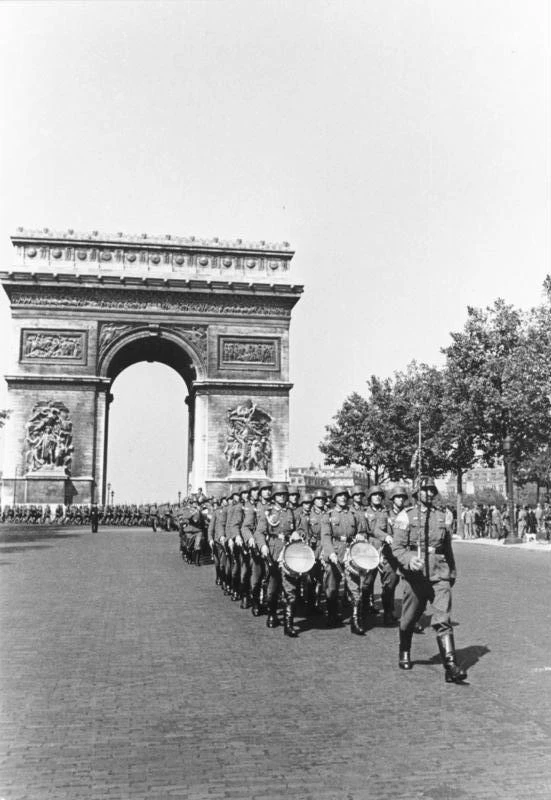
The Press under German Control
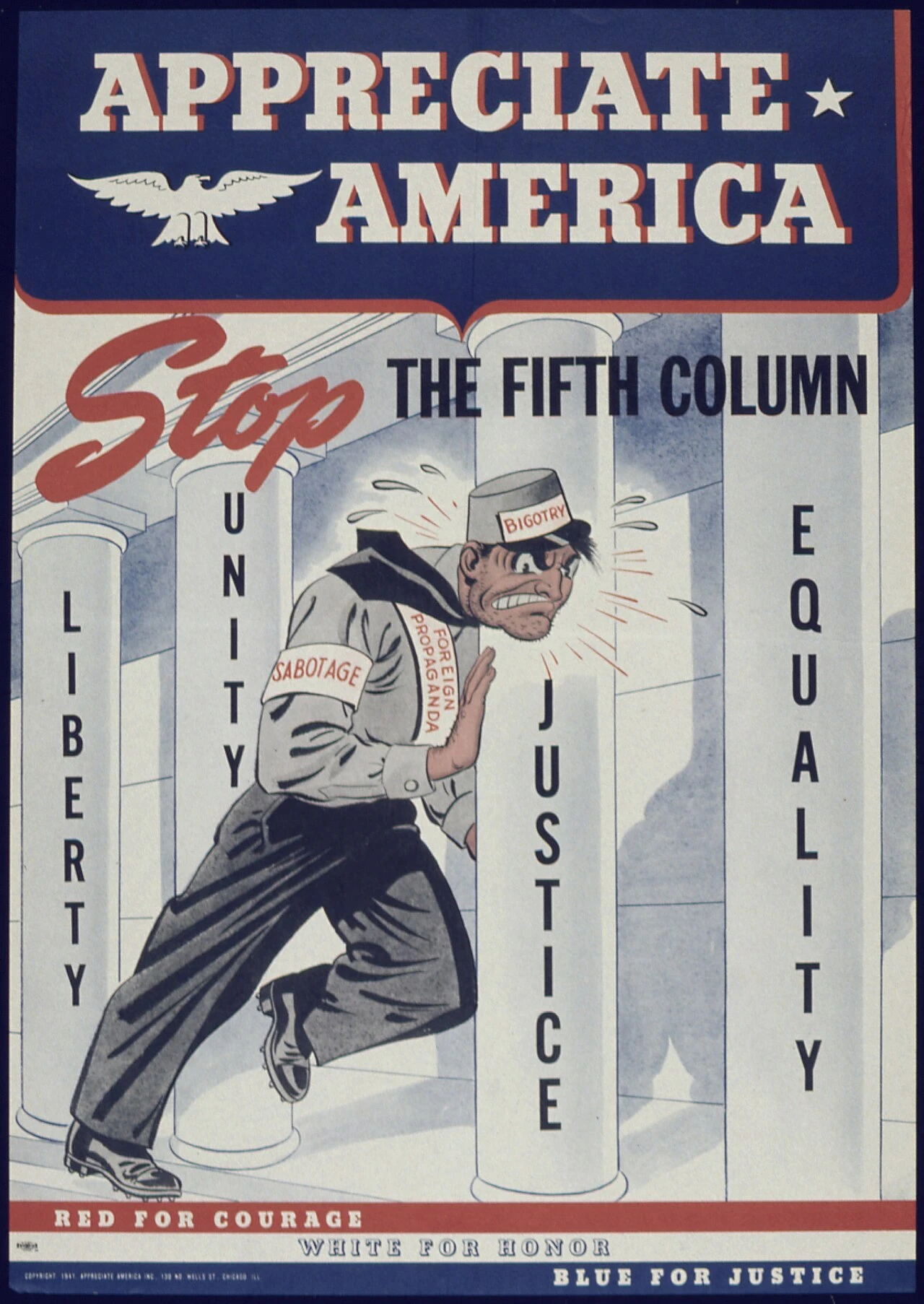
The fifth-column psychosis
Provisioning and the Black Market
The burgomaster faced with requisitions
The Repatriation of the Refugees
Rebuild or Wait
Going back to work under the occupier
Resuming a "Normal" Life
Reopening the School under the Occupation
The exodus — flee or stay
The Press under German Control