
Changsha 1941: Xue Yue Faces the Japanese Offensive
In September 1941, the Imperial Japanese Army launches its second major offensive against Changsha, capital of Hunan, in the heart of southern China. Several divisions, supported by aircraft and artillery, cross the Xinqiang River and push southward, seeking to break the resistance of the 9th War Area and to destroy the Chinese armies massed around the city. The stakes are considerable: Changsha bars the routes to the southwest, and holding it weighs on the morale of a China already exhausted by four years of war.
General Xue Yue, who commands the area, knows intimately this terrain cut through with rivers, rice paddies, and low hills. His own forces, numerous but unevenly equipped, lack heavy weapons and air support against an adversary better endowed in firepower and mobility. Each decision commits tens of thousands of men and the fate of an entire province, while the weight and exact direction of the enemy's effort remain difficult to assess.
Communications are fragile, intelligence on the main axis of advance still uncertain, and the enemy draws nearer day by day to the outskirts of the city. The command must decide within a few hours.
How should Xue Yue conduct the defense of Changsha against the Japanese offensive?
Xue Yue chose to let the enemy push deep and then strike his flanks and rear, applying the tactic he dubbed the "deep-water net" (tianlu zhanshu): allowing the Japanese columns to penetrate far inland, letting them stretch out and exhaust themselves in the maze of rivers and rice paddies, then closing in on them with converging counterattacks aimed at flanks, rear, and supply lines. The Japanese troops did indeed reach the outskirts of Changsha, but, harassed and threatened with encirclement, they had to begin their retreat to the north, recrossing the Xinqiang in the course of October 1941. Both sides claimed victory and the casualty figures remain disputed, but this Second Battle of Changsha is widely presented by Nationalist China as a major defensive success, bolstering Xue Yue's reputation. The same method would be employed again, with an even sharper effect, during the Third Battle of Changsha in the winter of 1941-1942.
Learn more about this event
Related polls
10
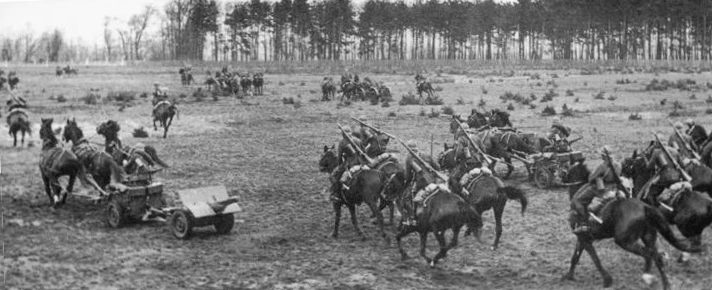
The Bzura — Kutrzeba faces the trap
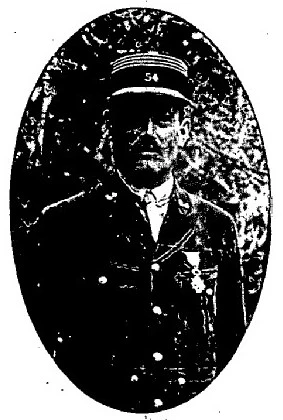
Touchon on the Aisne — Fall Rot
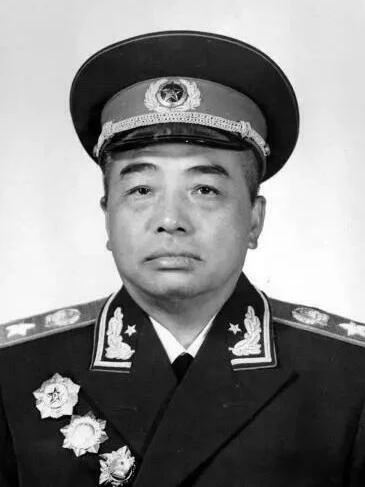
Peng Dehuai — the Hundred Regiments Offensive
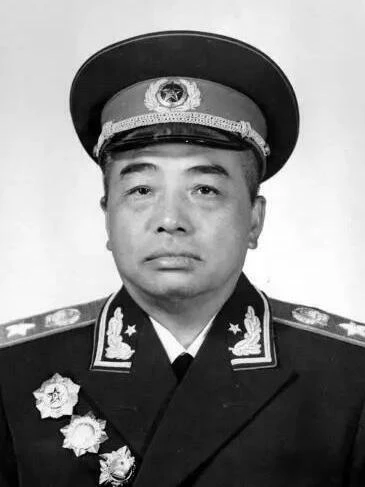
Peng Dehuai — leaving guerrilla war behind?
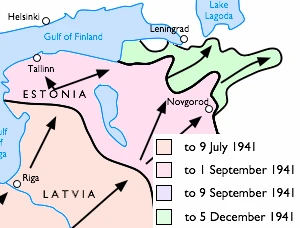
Barbarossa — 3:15 a.m.
Brody-Dubno — the great tank battle
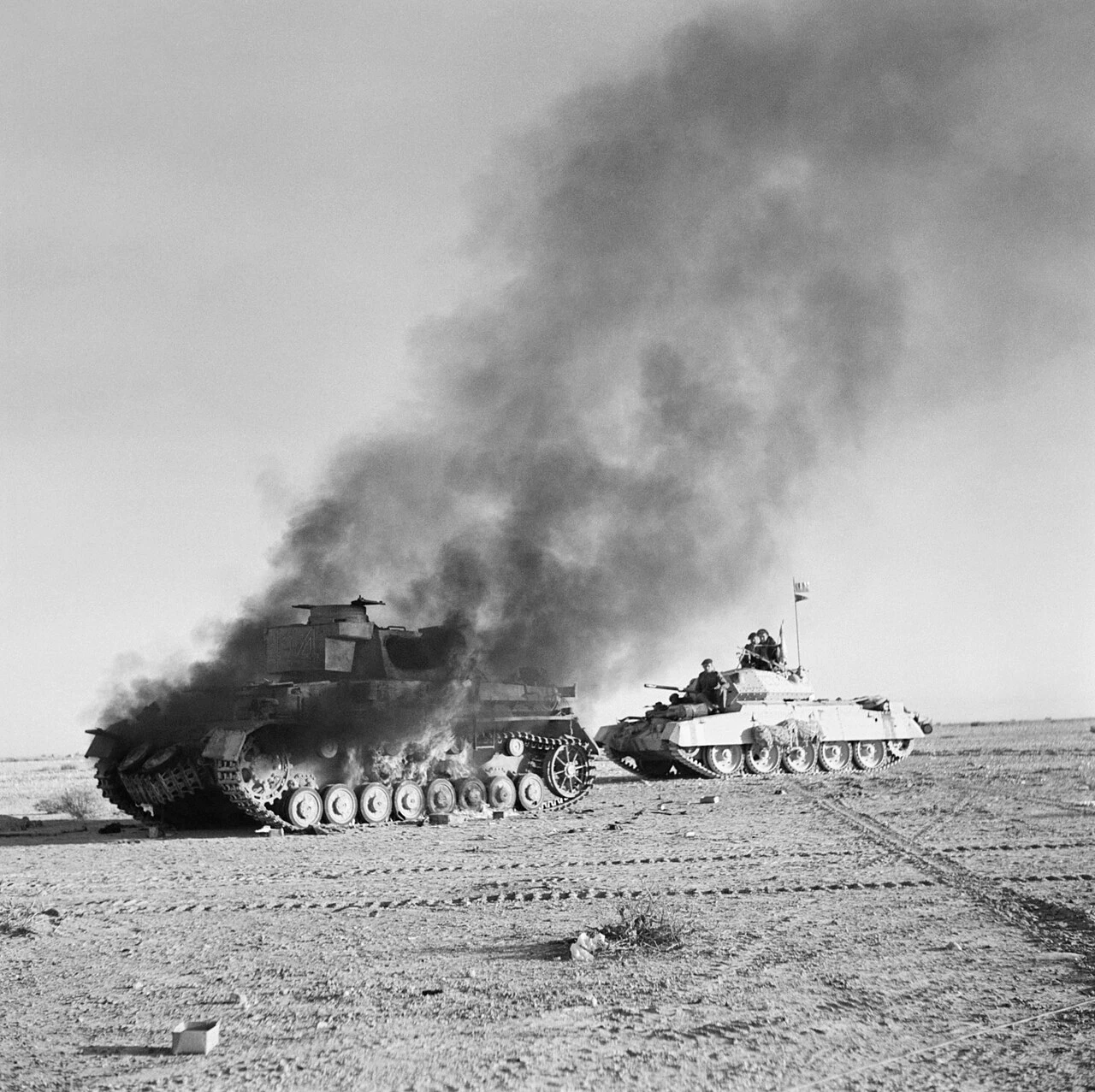
Crusader: The Generals' Doubt
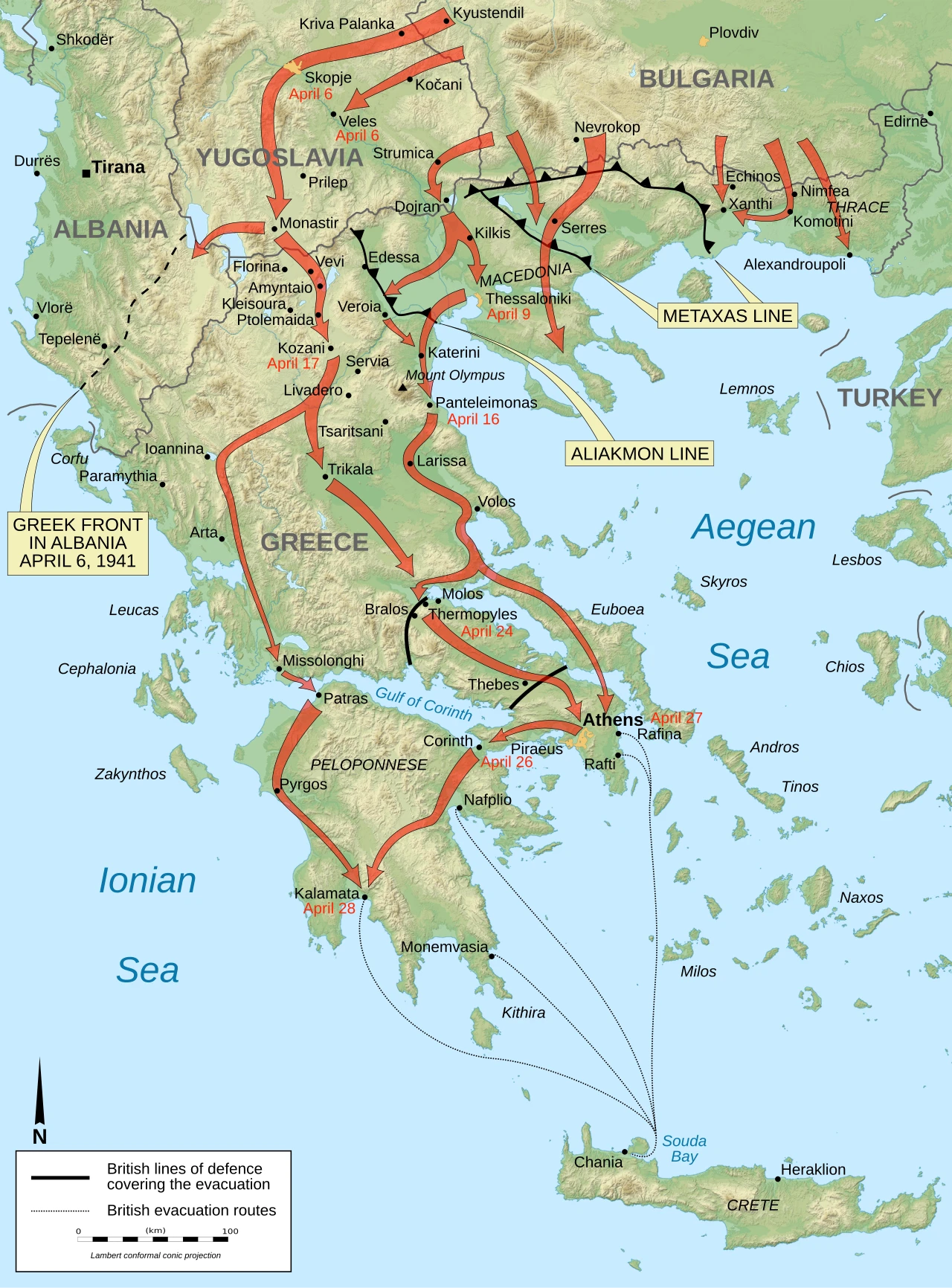
'Fortresses do not surrender'
Wavell in the face of Rommel's storm

The abatis of the Chasseurs Ardennais
The Bzura — Kutrzeba faces the trap
Touchon on the Aisne — Fall Rot
Peng Dehuai — the Hundred Regiments Offensive
Peng Dehuai — leaving guerrilla war behind?
Barbarossa — 3:15 a.m.
Brody-Dubno — the great tank battle
Crusader: The Generals' Doubt
'Fortresses do not surrender'
Wavell in the face of Rommel's storm