
On 30 January 1939, for the sixth anniversary of his rise to power, Hitler delivers before the Reichstag, gathered at the Kroll Opera House, a long speech partly drafted with Goebbels. Germany has just absorbed Austria and the Sudetenland; the Reich feels itself in a position of strength.
The remarks are to cover the economy and diplomacy, but the "Jewish question" inevitably forces its way in. For months, the November pogroms and aryanisation have radicalised domestic discourse, and Nazi propaganda has been stirring the spectre of a plot by "international Jewish finance".
The choice of register is not trivial. Hitler can raise the rhetoric to an explicit public threat, coding at once domestic propaganda and a warning to the world; maintain a more muted antisemitic rhetoric as before; or stick to economic and diplomatic themes. The tone he adopts will measure the regime's intentions, at a moment when the Jews of the Reich are desperately seeking to flee.
Should Hitler turn antisemitic rhetoric into a public threat of annihilation tied to war?
Hitler chooses A: he casts himself as a "prophet" and utters the threat linking a future world war to the "annihilation of the Jewish race in Europe". Historians debate its exact import in 1939 — for , the aim was first to destroy Jewish "influence", not yet a programme of physical extermination. But Hitler will return repeatedly to this "prophecy" during the war, retrospectively (and falsely) dating it to 1 September 1939, to legitimise the genocide under way. The speech of January 1939 thus becomes, in historians' eyes, a major milestone in the verbal escalation that precedes the Shoah.
Learn more about this event
Related polls
10
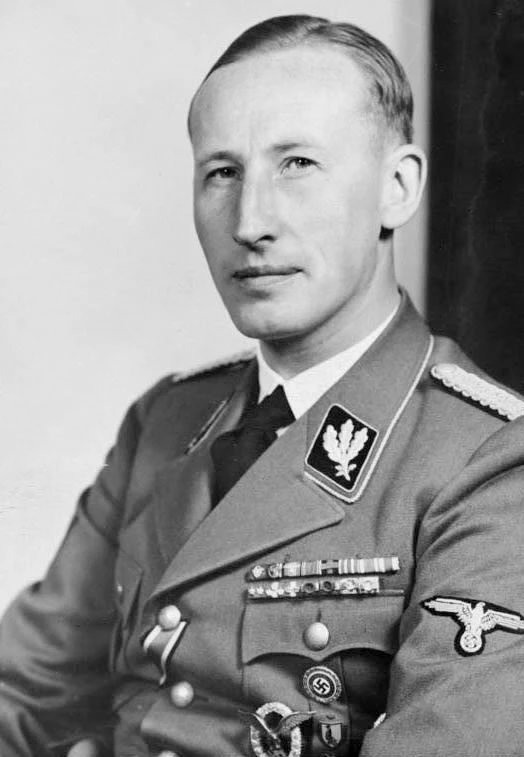
The Reich Central Office for Jewish Emigration
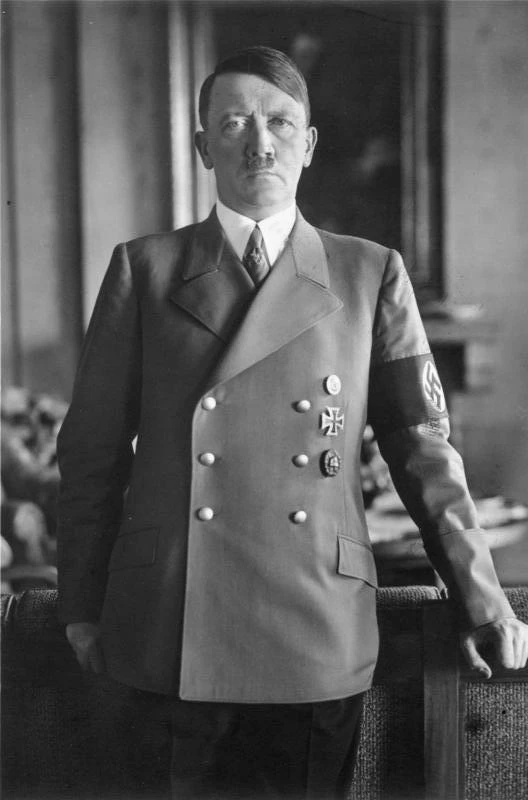
The Obersalzberg Speech
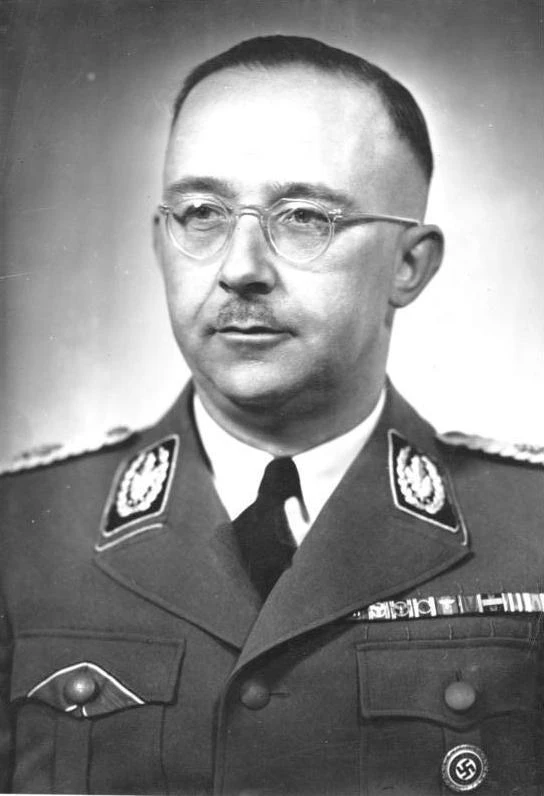
Himmler's memorandum to the Führer
The Madagascar Plan on paper

The Barbarossa decree — the 'licence to kill'
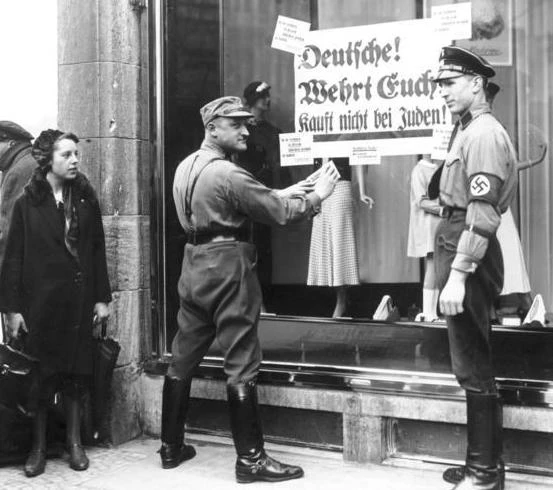
Flee or Stay

Gleiwitz — Naujocks at the Transmitter
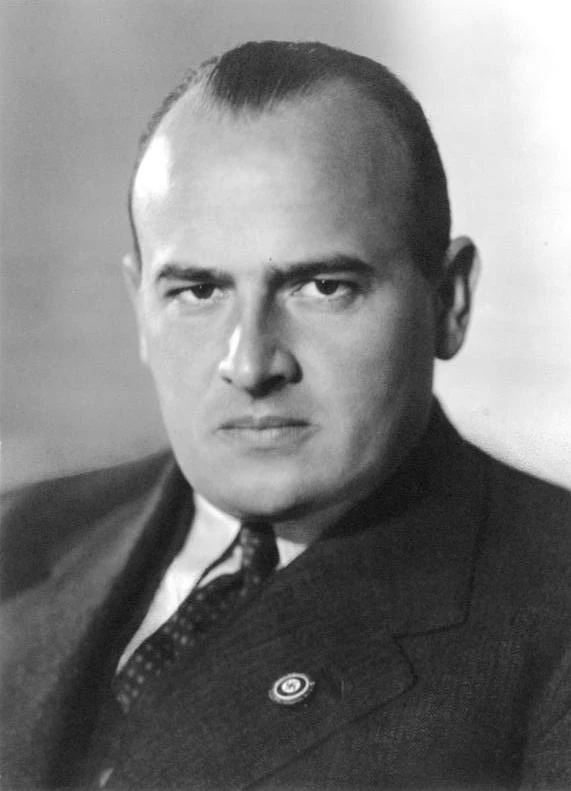
AB Aktion — planning at the Wawel
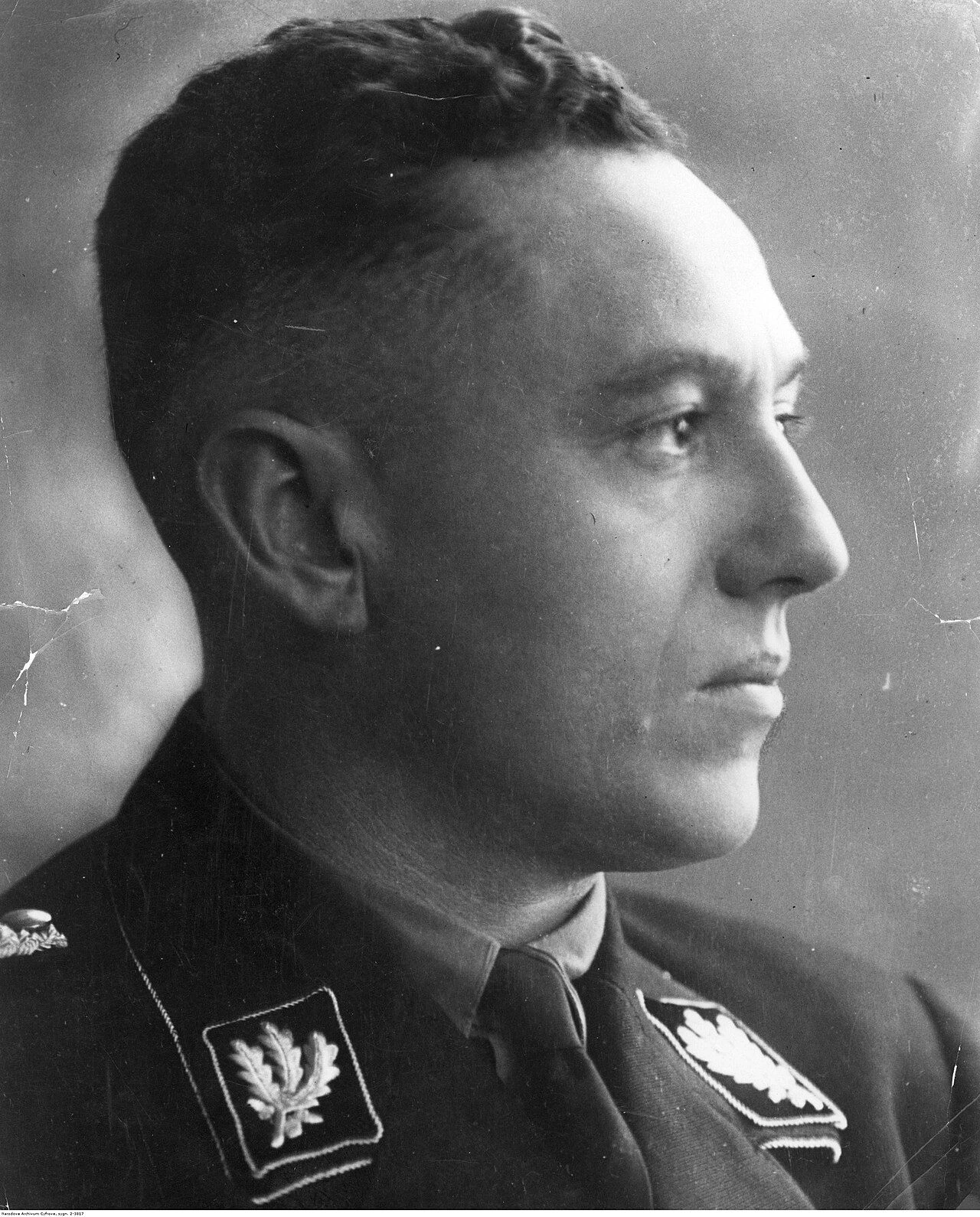
Forster — Kashubians and Kociewiacy
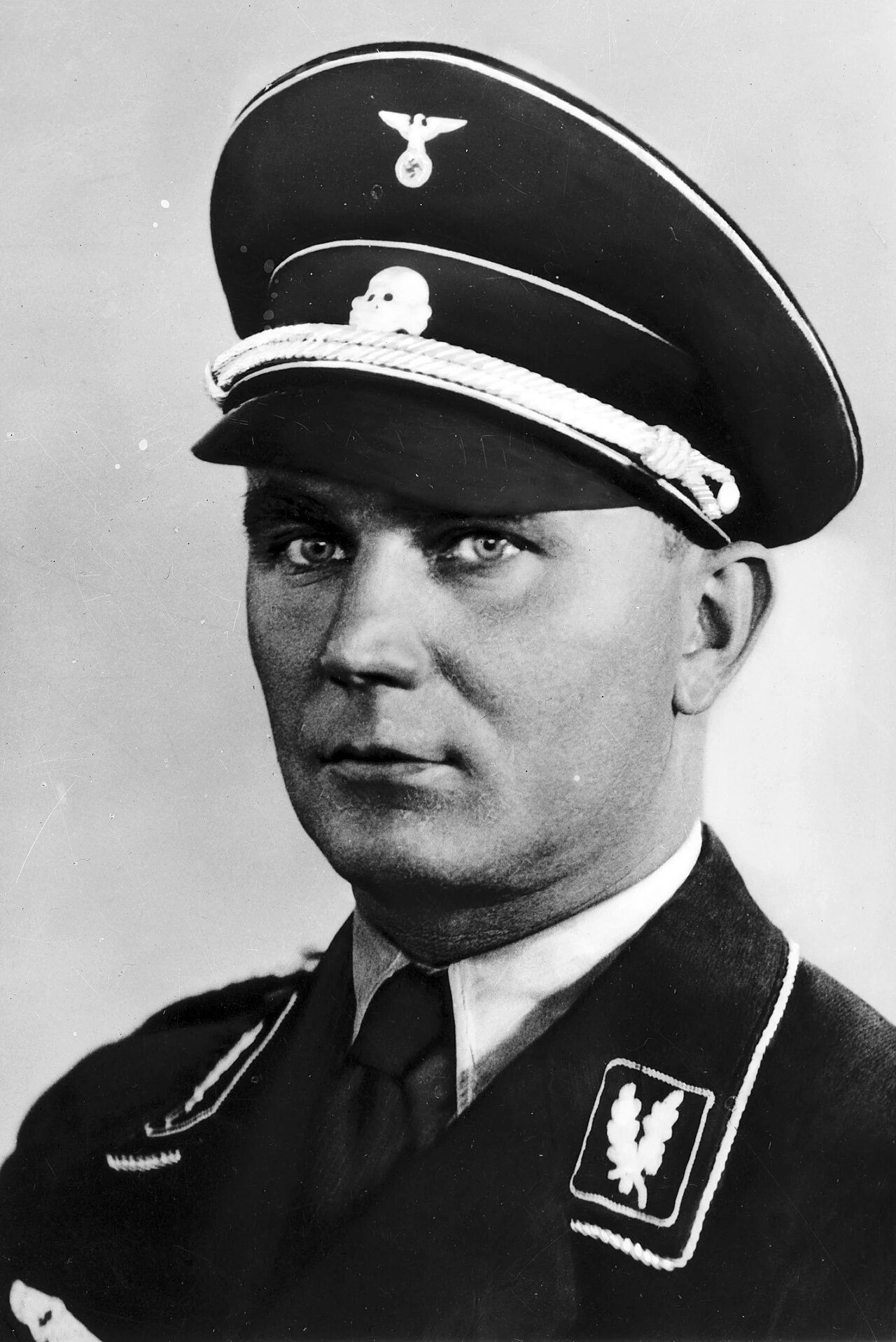
Greiser — the Priority of the Wartheland
The Reich Central Office for Jewish Emigration
The Obersalzberg Speech
Himmler's memorandum to the Führer
The Madagascar Plan on paper
The Barbarossa decree — the 'licence to kill'
Flee or Stay
Gleiwitz — Naujocks at the Transmitter
AB Aktion — planning at the Wawel
Forster — Kashubians and Kociewiacy