
The Church in a Threatened Moscow
Metropolitan Sergius, born , has led the Russian Orthodox Church since 1925 as locum tenens (guardian of the vacant patriarchal throne), at the head of an institution long persecuted, its priests shot or deported, its churches closed by the thousand. A respected theologian, he had chosen in 1927 the path of loyalty to the Soviet state in order to preserve a legal Church.
On 22 June 1941, the day of the German invasion, he outpaced even Stalin by issuing a patriotic appeal urging the faithful to defend the motherland. Yet his loyalty has earned him no guarantee: the regime that martyred his clergy remains his master.
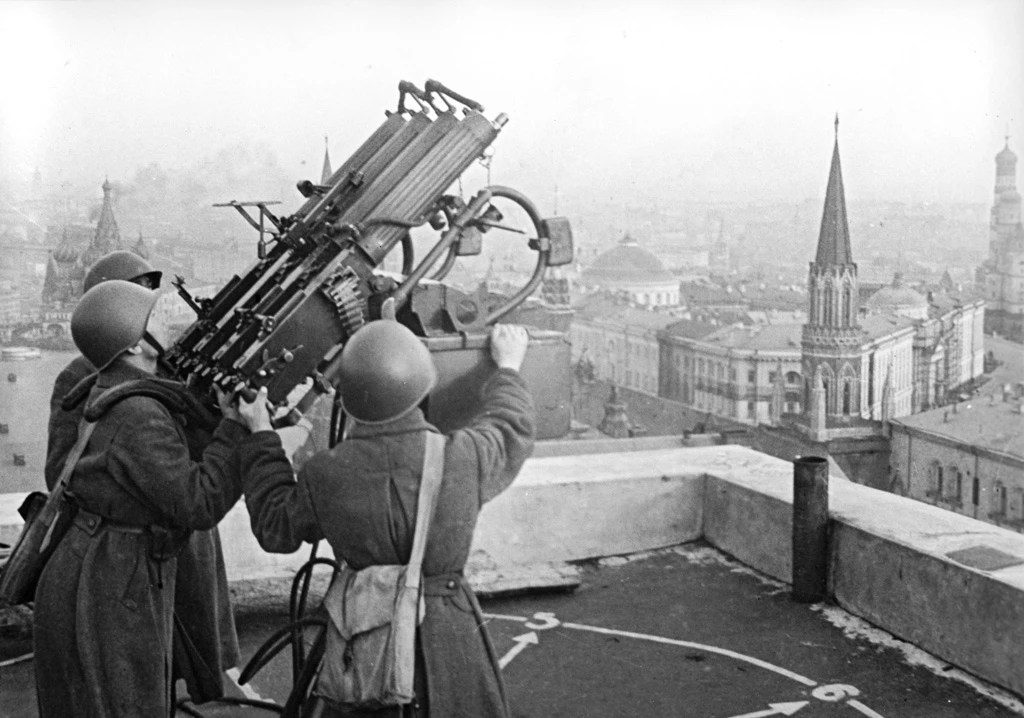
In the autumn of 1941, Operation Typhoon drives the Wehrmacht toward the capital; Soviet defenses give way and Moscow tips into panic. On 7 October, the city Soviet decides to move the administrations to the rear, and the Patriarchate is invited to leave Moscow.
Sergius faces a hard choice: remain among the believers in the endangered city to sustain them at the height of the ordeal; obey and withdraw eastward as the authorities demand; or fade into silence before a power that has bled his Church.
Should Metropolitan Sergius stay in threatened Moscow, accept the imposed evacuation, or retreat into silence toward the Soviet authorities?
Metropolitan Sergius accepted the evacuation: he left Moscow on the evening of 14 October 1941. During the journey his health deteriorated; following a stop at Penza and at his own request, his railcar was rerouted to Ulyanovsk rather than Chkalov (Orenburg). The patriarchate remained there in exile from October 1941 to August 1943. Far from falling silent, Sergius issued repeated patriotic appeals from Ulyanovsk and organized Church collections for the war effort, financing in particular a column of tanks. This loyalty hastened a relative thaw between Stalin and the Church: on 4 September 1943, the leader received Sergius and two metropolitans, authorizing the convening of a council. On 8 September 1943, Sergius was elected Patriarch of Moscow and All Russia, restoring the patriarchate. He died on 15 May 1944.
Learn more about this event
Related polls
10
Moscow, 16 October 1941: The Day of Great Panic
Czerniaków — the offer of the Judenrat
The Hermitage as the siege closes in
The Belgrade schoolteacher under the occupation
Auchinleck replaces Wavell
Hess — the fixed idea of a separate peace
The Kirov Plant Under the Shells
British rationing put to the test in 1941
Beck in Bucharest — the Internee
Beneš in London — autumn 1939
Moscow, 16 October 1941: The Day of Great Panic
Czerniaków — the offer of the Judenrat
The Hermitage as the siege closes in
The Belgrade schoolteacher under the occupation
Auchinleck replaces Wavell
Hess — the fixed idea of a separate peace
The Kirov Plant Under the Shells
British rationing put to the test in 1941
Beck in Bucharest — the Internee