
The Reprisal Quota at Kragujevac
A Wehrmacht officer serves in the , deployed in occupied Serbia in the autumn of 1941. He answers to General , plenipotentiary military commander in Serbia, who has locked the whole chain of command around a policy of quantified terror.
Since the summer, the Serbian uprising has struck isolated garrisons. The occupier, thin on the ground and obsessed with the threat of the franc-tireur (Freischärler, "irregular gunman"), answers with hostages. By an order of 10 October 1941, Böhme directs the arrest of communists, "suspects," Jewish men, and notables, on a fixed scale: 100 shot per German soldier killed, 50 per wounded.
In late September, near Gornji Milanovac, an insurgent ambush cost the troops ten dead and twenty-six wounded. Applied to those losses, the scale sets a quota of several thousand hostages that the staff demands be met without delay. Yet the town holds too few identified fighters or communists to reach it.
The officer must decide whom to round up and where to stop: seize only the men designated as communists or suspects, at the risk of a total far below the figure demanded; round up the male population indiscriminately, workers and schoolboys included, until the quota is met; or play for time and ask the command to scale back its demand in the name of pacifying the region.
How does the Wehrmacht officer at Kragujevac assemble the number of hostages demanded by the reprisal quota set by the command?
The officers of the 717th Division carried out a mass, indiscriminate roundup. On 21 October 1941, at Kragujevac, they shot men and adolescents seized in the town and in the factories, including about 144 high-school students and their teachers. Serbian and German historians today agree on close to 2,800 killed (contemporary German reports cited 2,300; inflated estimates went as high as 7,000). A few days earlier, at Kraljevo, the same policy had caused about 1,700 deaths. Under Böhme, 20,000 to 30,000 civilians were executed in two months. The site became, in 1953, the Šumarice Memorial Park. Böhme committed suicide in 1947 before his trial; at the Hostages Trial at Nuremberg (1948), General was sentenced to life imprisonment.
Learn more about this event
Related polls
10
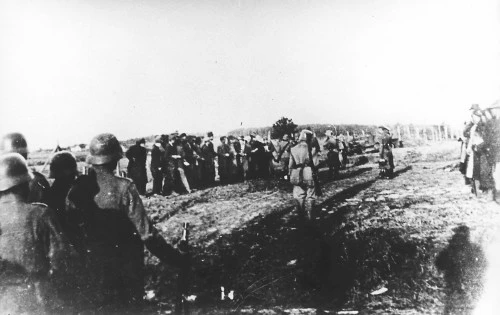
Denouncing the partisans under the terror of reprisals in Serbia
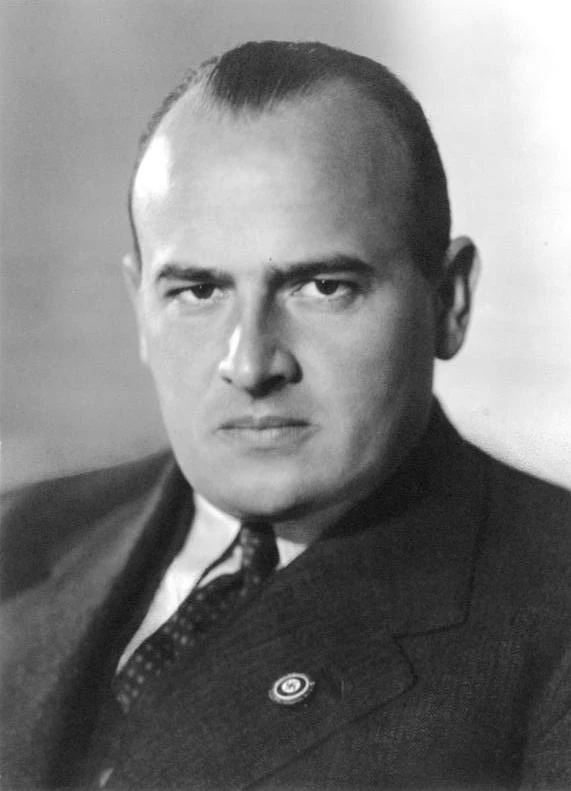
AB Aktion — planning at the Wawel

The Barbarossa decree — the 'licence to kill'
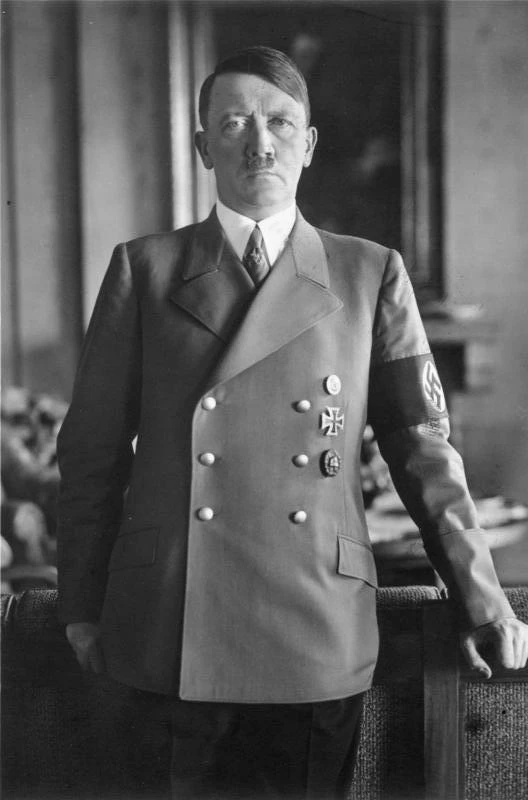
The Obersalzberg Speech
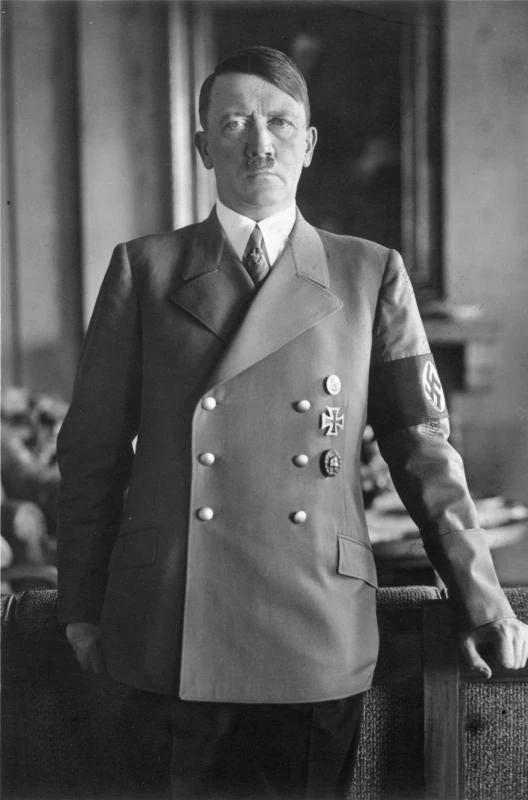
The Prophecy Speech
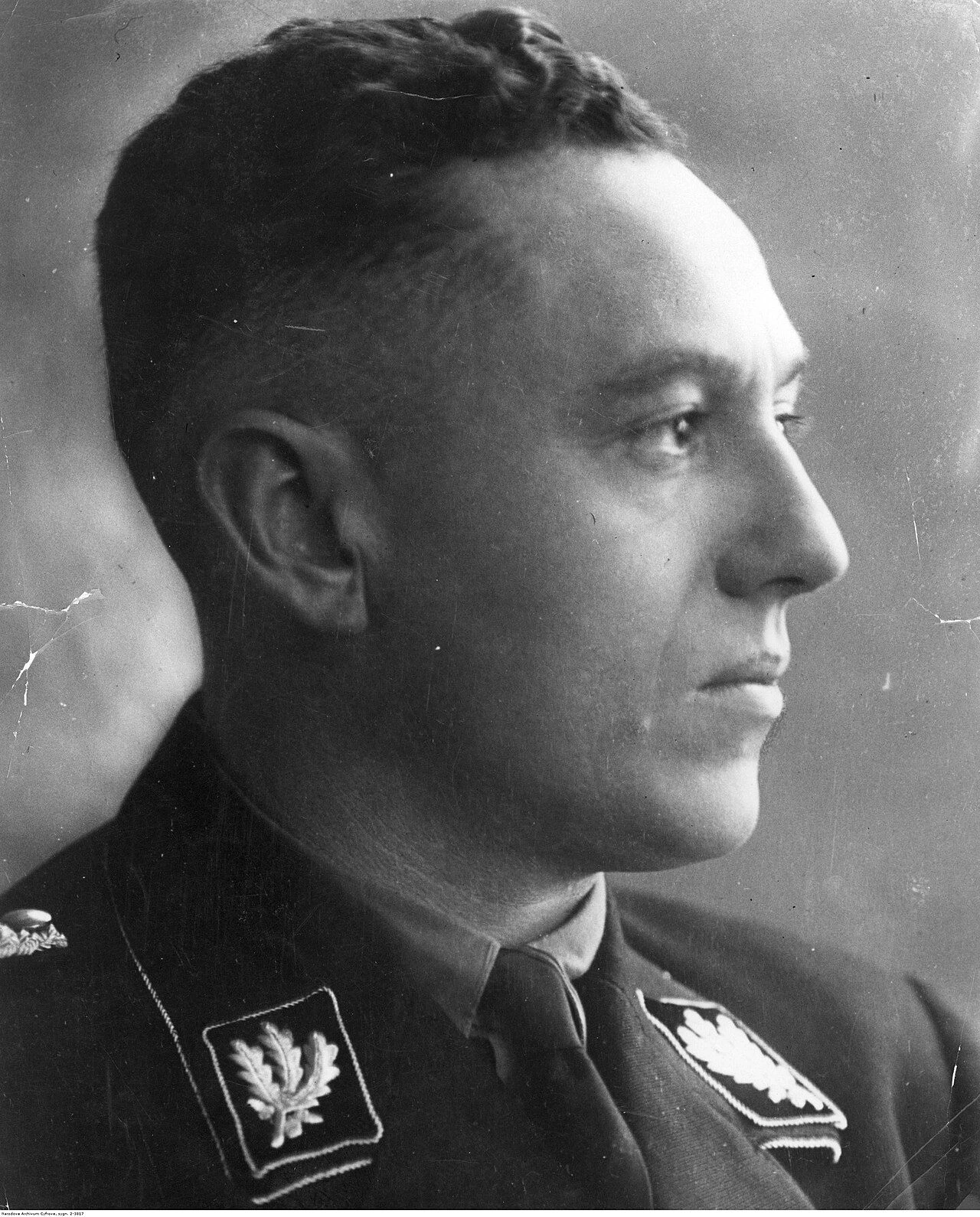
Forster — Kashubians and Kociewiacy
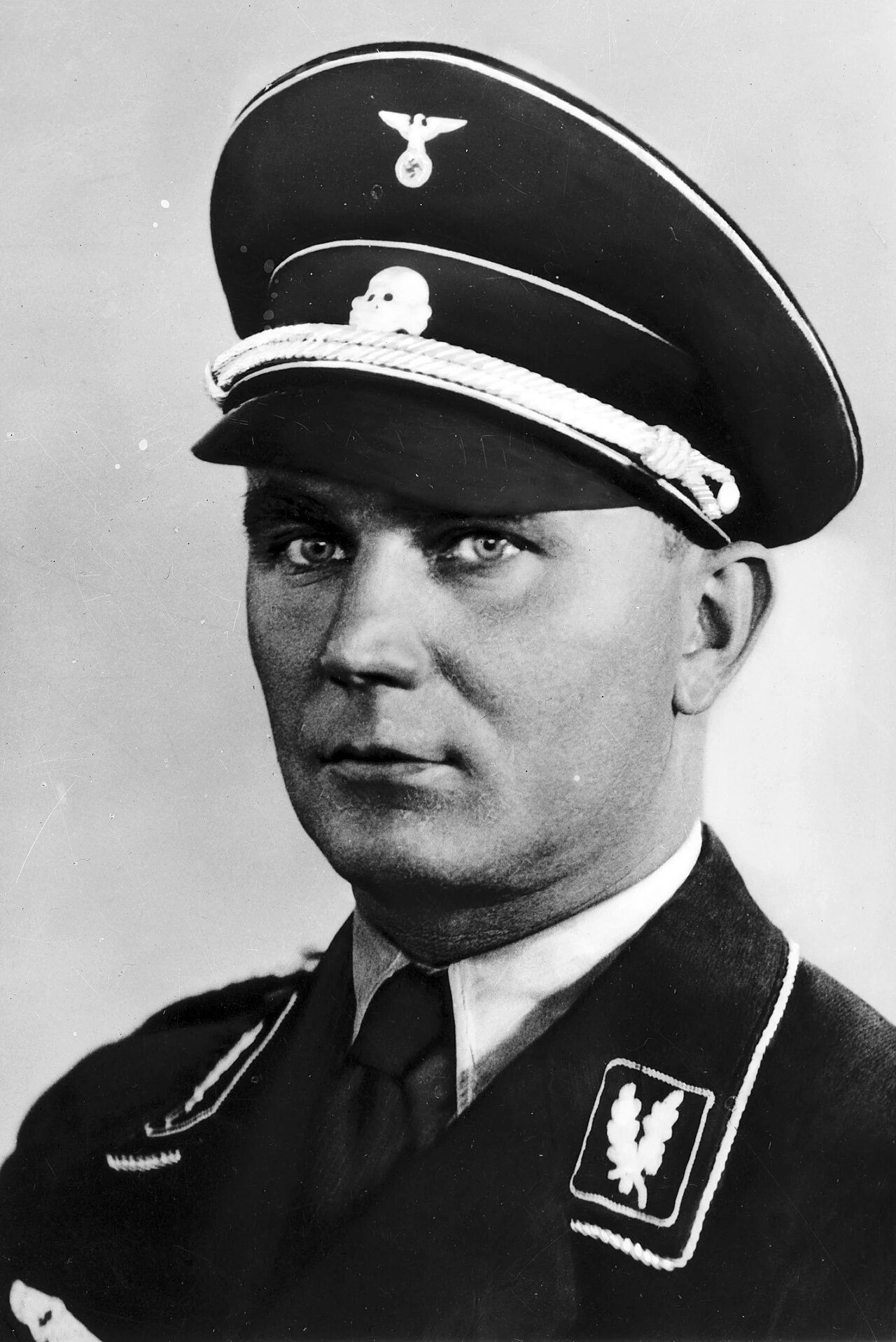
Greiser — the Priority of the Wartheland
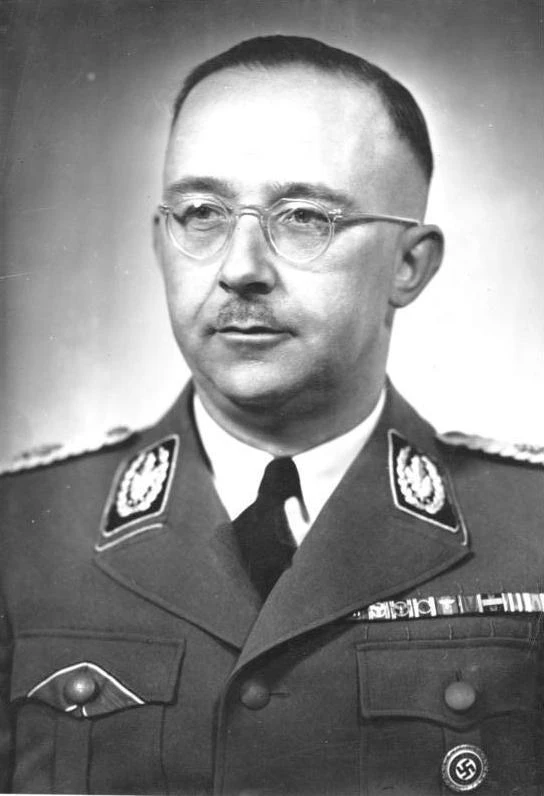
Himmler's memorandum to the Führer
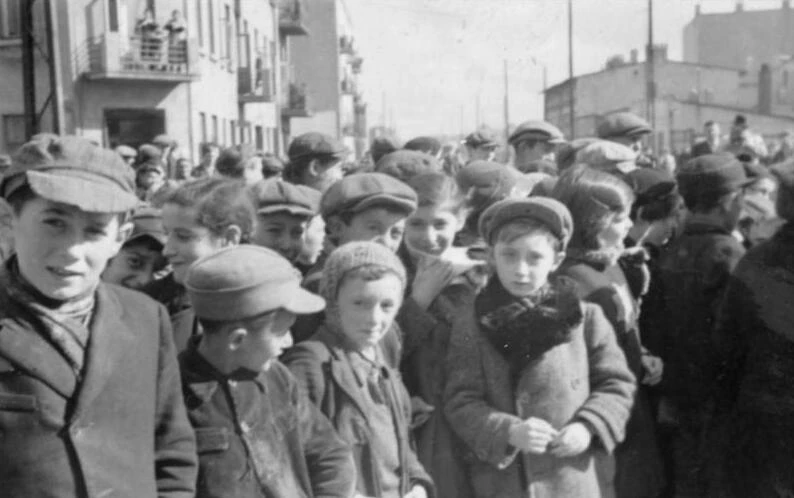
Lodz — sealing the ghetto
Piotrkow — Tenenberg Facing the Judenrat
Denouncing the partisans under the terror of reprisals in Serbia
AB Aktion — planning at the Wawel
The Barbarossa decree — the 'licence to kill'
The Obersalzberg Speech
The Prophecy Speech
Forster — Kashubians and Kociewiacy
Greiser — the Priority of the Wartheland
Himmler's memorandum to the Führer
Lodz — sealing the ghetto