
A battleship sunk: tell or conceal?
Admiral commands the Mediterranean Fleet from Alexandria, in a sea where every heavy ship tips the balance. Known for his aggressiveness, he understands how precarious the naval balance is against the Italian fleet and the Axis submarines.
On 24 November 1941, the 1st Battle Squadron sails to cover cruisers hunting the Italian convoys. On the evening of the 25th, the battleship HMS Barham takes three torpedoes from the German submarine , commanded by . The ship rolls over and, about four minutes later, the explosion of her magazines pulverizes her.
The losses are massive: some 861 to 862 men perish, with roughly 450 survivors picked up by the escorting vessels. The scene, visible from afar, was even filmed. The enemy, for his part, still does not know the result of his attack: von Tiesenhausen has obtained no confirmation of the sinking.
There remains the question of communication, with hundreds of families awaiting news. The Admiralty and Cunningham must weigh three paths: to announce the loss of the battleship publicly at once; to keep the sinking secret while quietly informing the next of kin under a seal of confidentiality; or to formally deny any loss.
After the loss of the Barham, what line do the Admiralty and Cunningham take in handling the sinking publicly?
The Admiralty chose secrecy: the loss was kept hidden for nearly two months. Next of kin were informed of the deaths, but with an explicit request for confidentiality - it was "essential" that the information not reach the enemy before the official announcement. The aim was twofold: to deny the Axis a confirmation and to protect British morale during a difficult period in the Mediterranean. Faced with repeated claims by German radio, the Admiralty finally announced the loss on 27 January 1942. Only then did von Tiesenhausen learn that he had sunk the Barham. The episode illustrates the information war in the Mediterranean: the withholding of a naval loss as a weapon of intelligence and morale. It later fueled rumors and parapsychological tales, the length of the secrecy having nourished the families' suspicions.
Learn more about this event
Related polls
10
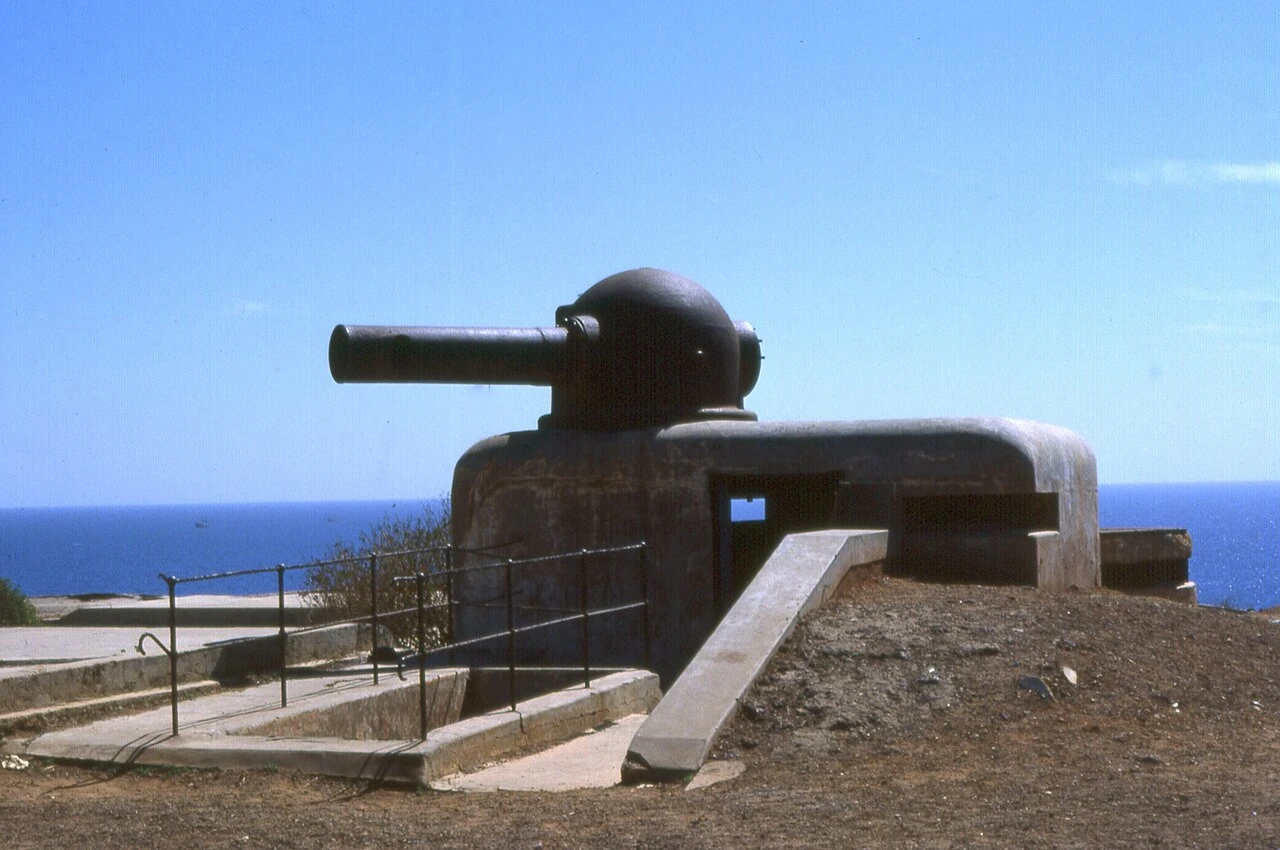
Dakar — de Gaulle and Operation Menace
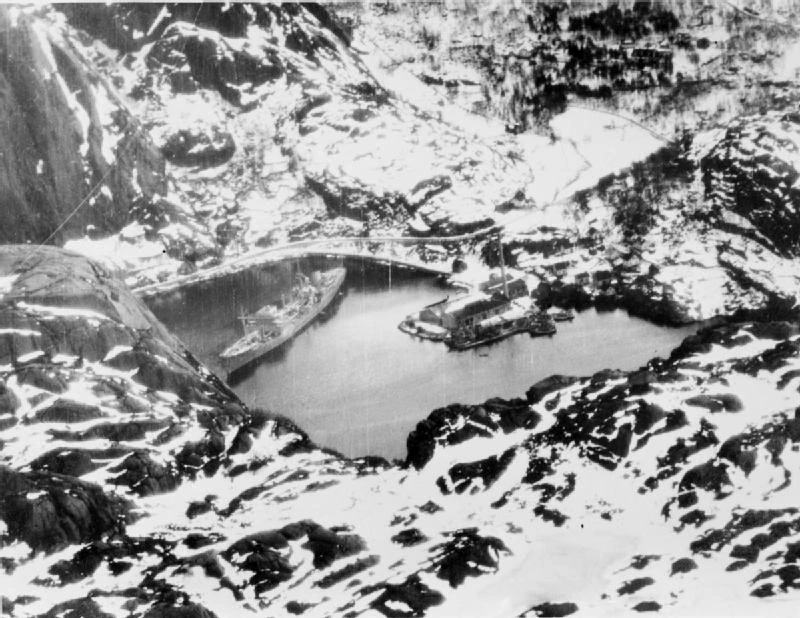
The Altmark affair
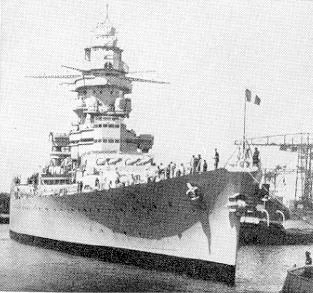
The Admiralty and the Strasbourg Rumour

Borakowski and the merchant fleet
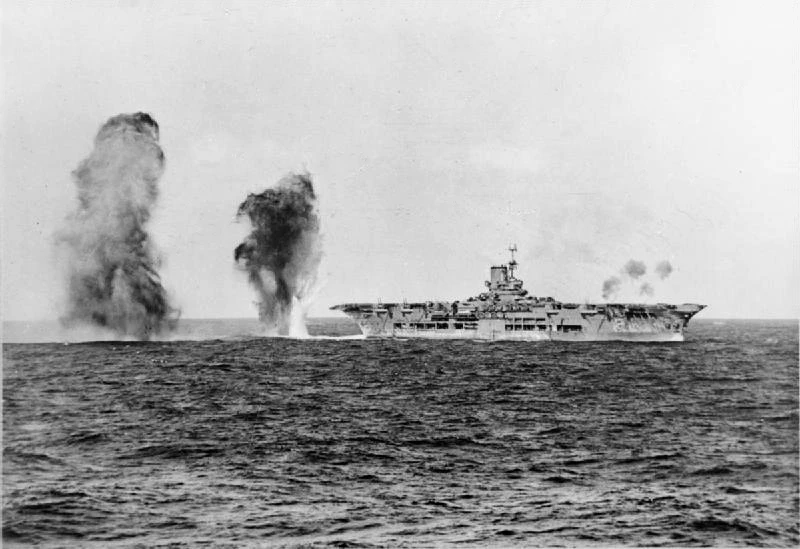
Cape Matapan — Cunningham against Iachino
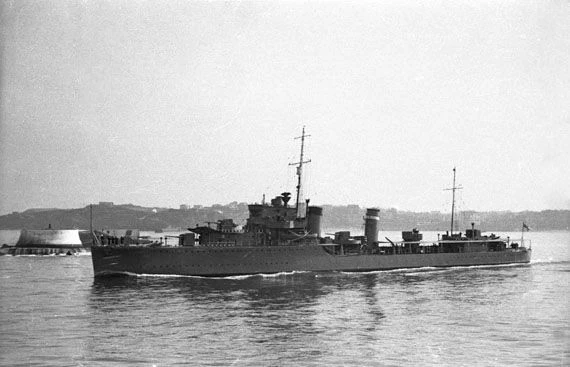
HMS Exmouth in the Moray Firth
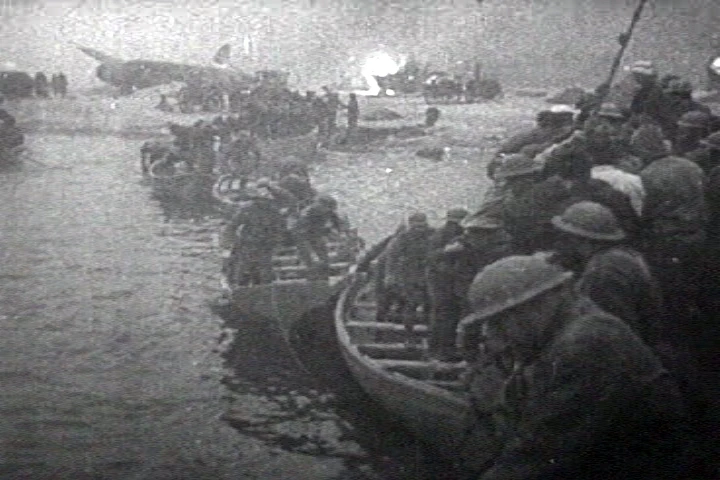
Ramsay — Dover, 14:23
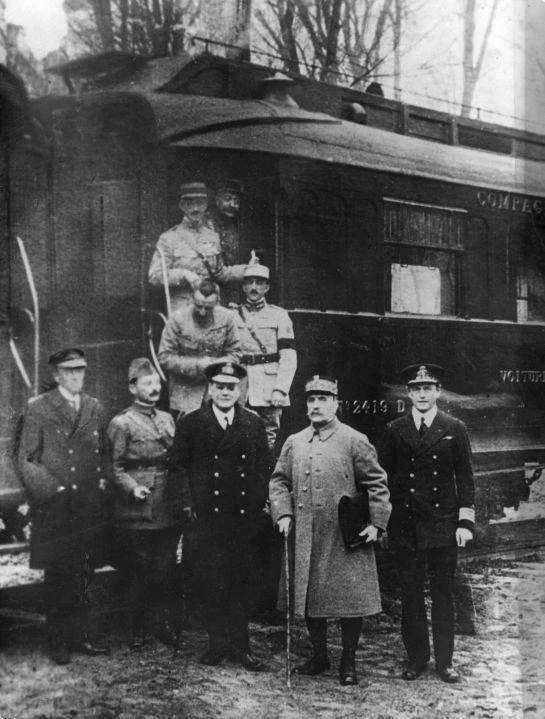
Rethondes — Article 8 on the Fleet
U-110 — a U-boat abandoned but afloat
An atomic report on the Lord President's desk
Dakar — de Gaulle and Operation Menace
The Altmark affair
The Admiralty and the Strasbourg Rumour
Borakowski and the merchant fleet
Cape Matapan — Cunningham against Iachino
HMS Exmouth in the Moray Firth
Ramsay — Dover, 14:23
Rethondes — Article 8 on the Fleet
U-110 — a U-boat abandoned but afloat