
An atomic report on the Lord President's desk
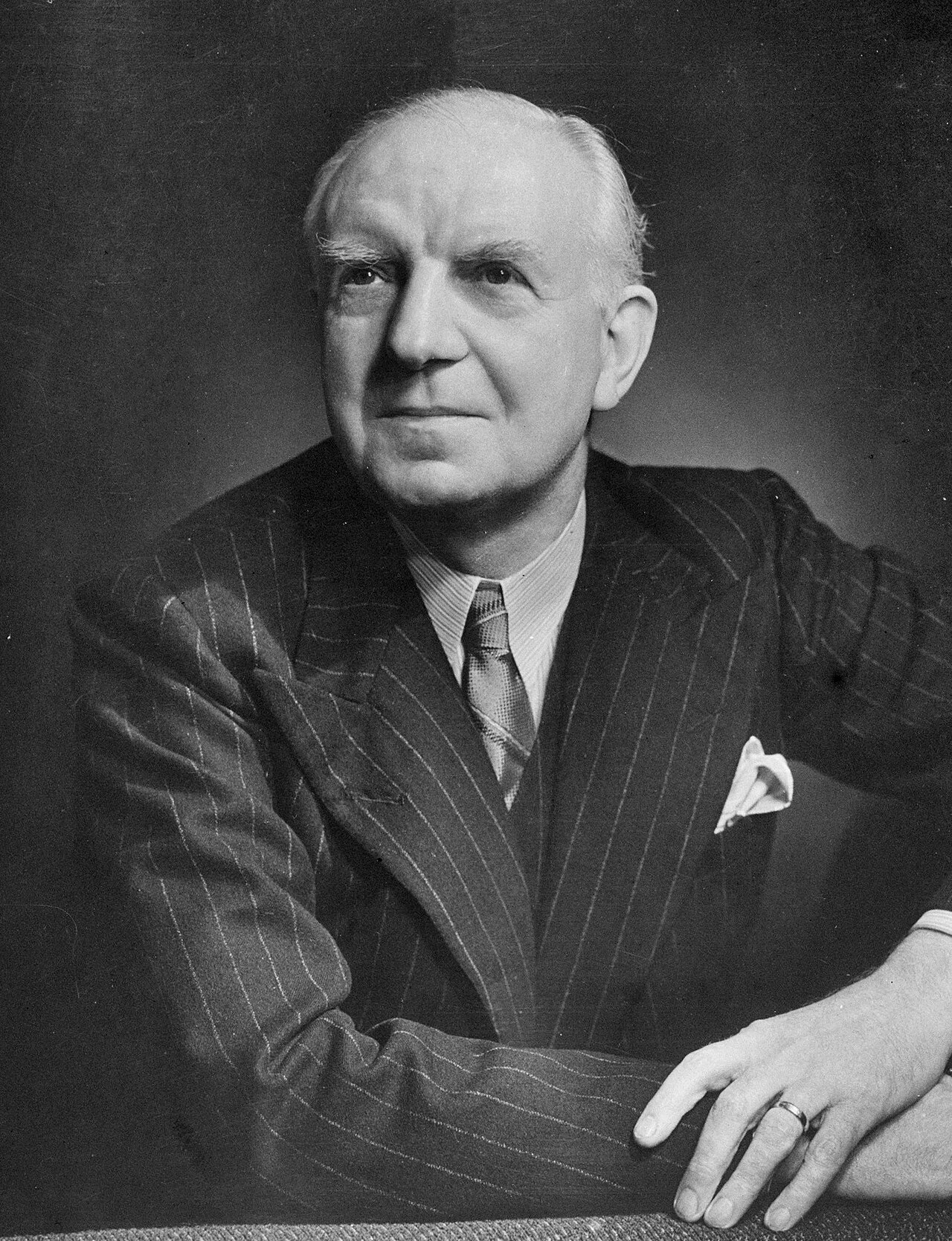
Sir , Lord President of the Council and the minister coordinating the wartime scientific effort, receives in London, on 24 September 1941, the report of the defence panel of the Scientific Advisory Committee chaired by . The document examines the conclusions of the MAUD Committee, which has held since the summer that a uranium bomb is no longer speculation but a technically feasible project, potentially decisive for the outcome of the war.
A chemist by training, Anderson knows the file better than anyone in the Cabinet and has followed the fission research closely. Hankey's panel, more cautious than MAUD on the timescales and the colossal costs, nonetheless recommends pressing on without relief. In the background hangs Churchill's assent given a few weeks earlier, but nothing is yet organized: no dedicated directorate, no industrial prime contractor, no clear coordination with the Americans, who are moving ahead on their own.
Britain stands alone, bombed, short of resources. To commit vast means to an uncertain weapon is to divert scientists, factories and currency from a war already being waged on the edge of collapse.
On the Lord President's desk, the report awaits a sequel: shelve the file, too costly and too distant for a besieged Britain; leave the research to the better-resourced Americans alone; or launch a dedicated British directorate to drive the project.
Should Sir John Anderson shelve the report on the uranium weapon, leave the effort to the Americans alone, or launch a dedicated British directorate?
Anderson opted to create a dedicated British directorate. In the weeks that followed, the project was placed under the aegis of the Department of Scientific and Industrial Research and given a deliberately opaque code name, Tube Alloys, which Anderson himself helped to coin. , research director at Imperial Chemical Industries, took charge of it, while Anderson chaired the advisory council responsible for the program's policy. Britain thus became the first country to structure an atomic weapons program. But the effort, too heavy a burden for an exhausted war economy, was gradually absorbed by American industrial power; the work and part of the team were transferred across the Atlantic, and Tube Alloys ended up diluted into the Manhattan Project (Quebec Agreement, 1943).
Learn more about this event
Related polls
10

The Cambridge mathematician sworn to secrecy at Bletchley
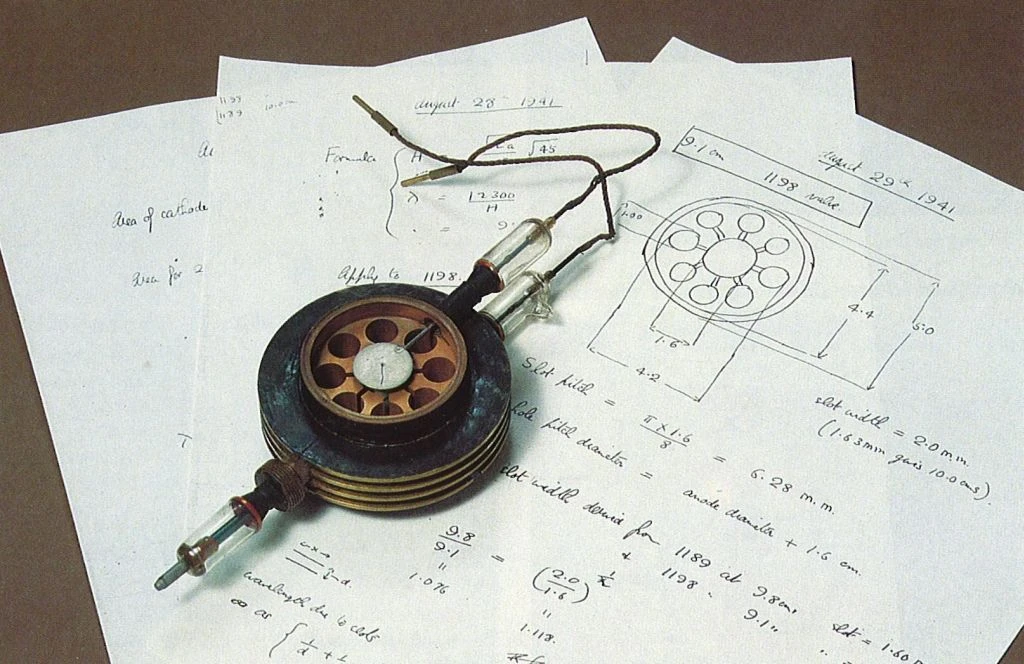
The Tizard Mission's Trunk for America
Auchinleck replaces Wavell
Enigma — the Pyry conference
Hess — the fixed idea of a separate peace
British rationing put to the test in 1941
A battleship sunk: tell or conceal?
Whittle, his jet engine and the rebellious combustion chamber
The Anglo-Polish Alliance
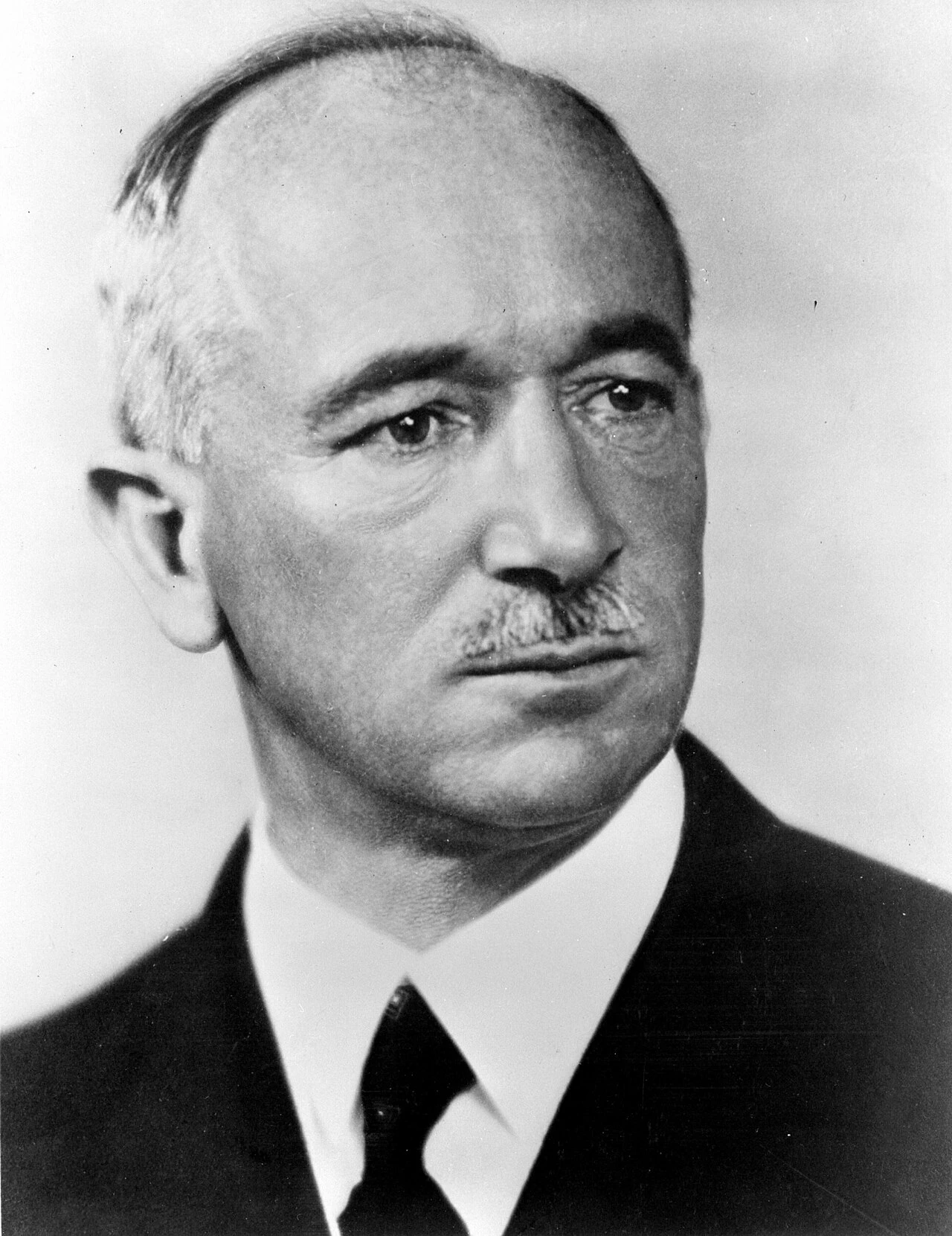
Beneš in London — autumn 1939
The Cambridge mathematician sworn to secrecy at Bletchley
The Tizard Mission's Trunk for America
Auchinleck replaces Wavell
Enigma — the Pyry conference
Hess — the fixed idea of a separate peace
British rationing put to the test in 1941
A battleship sunk: tell or conceal?
Whittle, his jet engine and the rebellious combustion chamber
The Anglo-Polish Alliance