
Volokolamsk: hold the road or save the unit
An officer of the , commanded by General , holds the Volokolamsk axis, about a hundred kilometers west of Moscow. The division was formed in the summer of 1941 from recruits drawn from Kazakhstan and Kyrgyzstan, then assigned to the 16th Army to plug the breach torn open by the Vyazma–Bryansk catastrophe in October.
His men occupy makeshift positions along the railway, near the Dubosekovo crossing. The holds the sector with limited anti-tank weaponry — anti-tank rifles, grenades, a handful of guns — against armor followed by infantry.
The German offensive on Moscow, renewed in mid-November, seeks to break the Soviet defense before winter. The Stavka demands that every strongpoint hold as long as possible to buy time, while the open ground offers almost no cover and no fallback line has been prepared in the immediate rear.
On the morning of 16 November, the regiment's positions come under fire, then are closed upon by an armored column backed by infantry. As the tanks enter the field of fire, the officer must choose between clinging to the ground and defending it whatever the cost, falling back to save the men and the unit's cohesion, or slipping to the flank to dodge the armor's axis of effort.
As German tanks emerge onto Dubosekovo, what course does the officer of the 316th Rifle Division adopt?
The units of the 316th Division broadly chose to cling to the ground: the division put up a fierce defense on the Volokolamsk axis, inflicting losses and slowing the German push, at the cost of heavy casualties. Panfilov was killed by shrapnel on 18 November 1941; the division was awarded Guards status (8th Guards Division). Onto this real foundation was grafted a legend: according to Krasnaya Zvezda (Nov. 1941 - Jan. 1942), 28 Guardsmen of the 1075th Regiment supposedly destroyed 18 tanks at Dubosekovo and perished to the last man, the commissar crying out "Russia is vast, but there is nowhere to retreat: Moscow is behind us." An investigation by the Soviet military prosecutor's office (1948) established that the account was largely fabricated by the journalists (Koroteyev, Ortenberg, Krivitsky): several of the "dead" were alive, including Dobrobabin. The real battle did take place; the "28" are a journalistic construction.
Learn more about this event
Related polls
10

Tula: Arm the Workers or Empty the Factories
Barbarossa — 3:15 a.m.
The abatis of the Chasseurs Ardennais
The Battle of the Lys
Boulogne — Fox-Pitt and the Guards facing the port
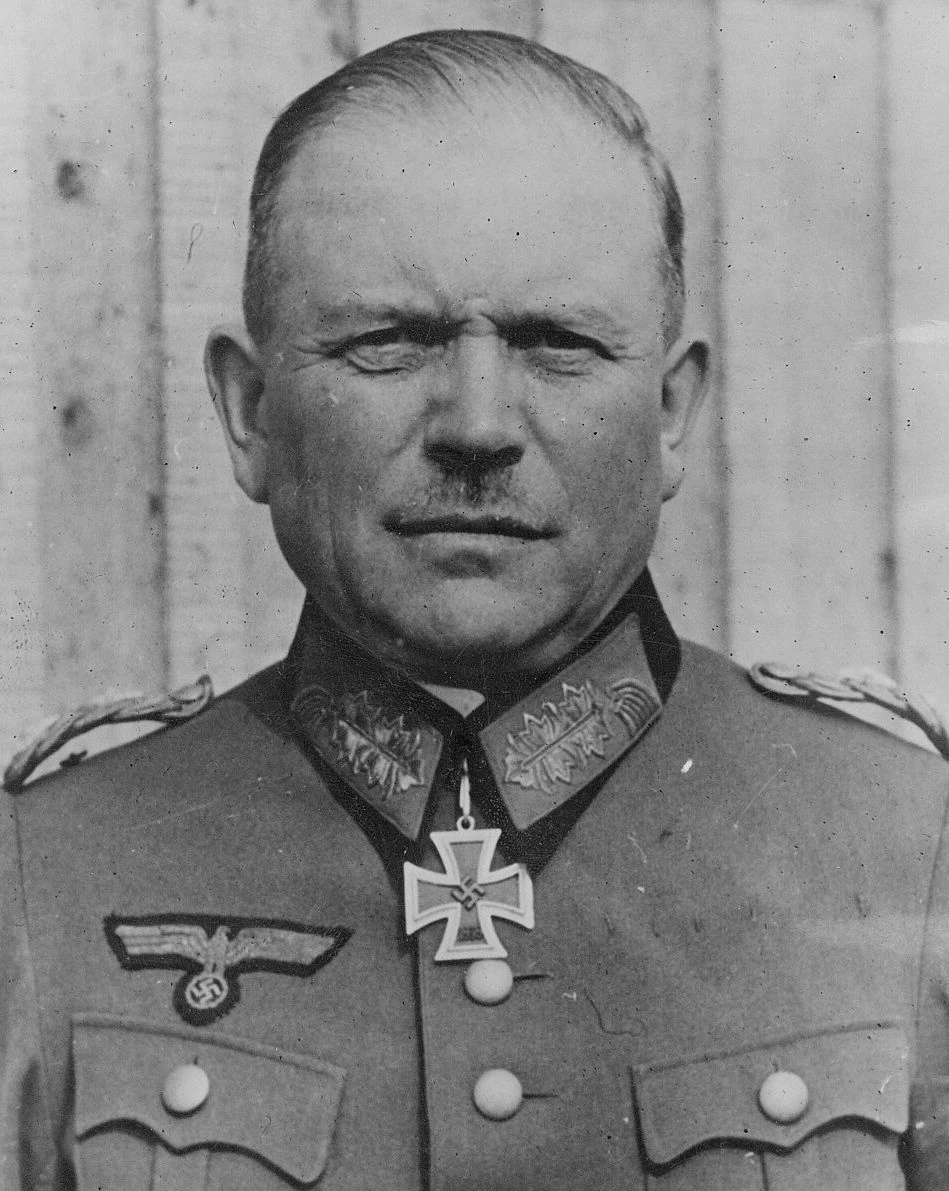
Brześć — Plisowski faces Guderian
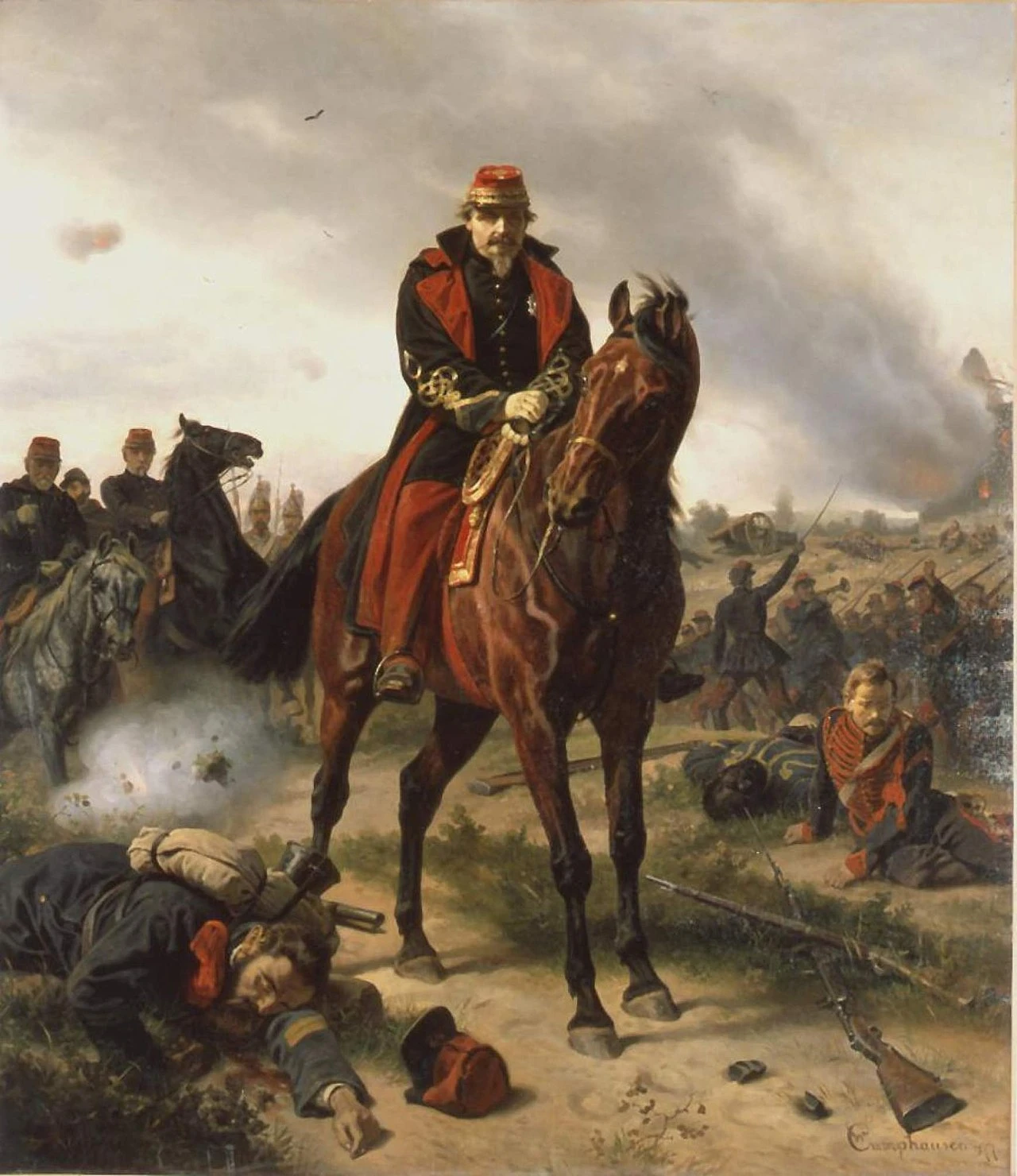
Bulson — Lafontaine and the 02:00 rumour
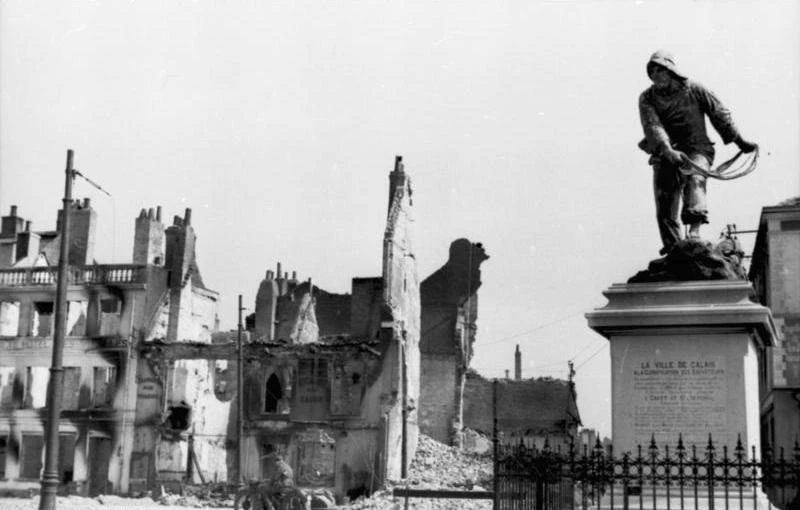
Calais — Nicholson facing the ultimatum
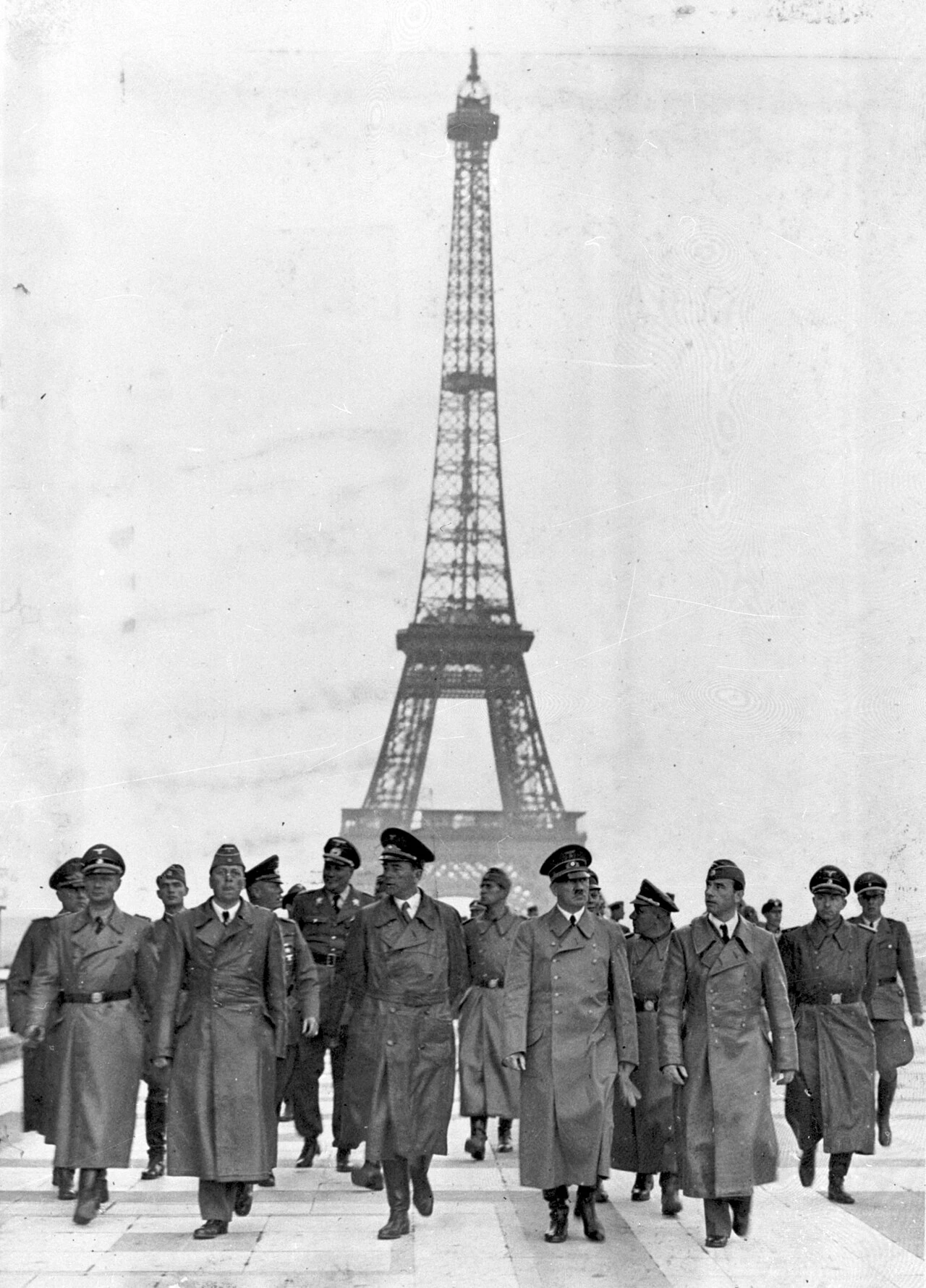
The Defence of Boulogne

The bridges of the Meuse
Tula: Arm the Workers or Empty the Factories
Barbarossa — 3:15 a.m.
The abatis of the Chasseurs Ardennais
The Battle of the Lys
Boulogne — Fox-Pitt and the Guards facing the port
Brześć — Plisowski faces Guderian
Bulson — Lafontaine and the 02:00 rumour
Calais — Nicholson facing the ultimatum
The Defence of Boulogne