
Tula: Arm the Workers or Empty the Factories
A worker organizer sits on the defense committee of Tula, a major arms center about 170 kilometers south of Moscow. The city has made small arms and equipment for generations, and its workforce knows their strategic value.
In late October 1941, the situation is critical. General Guderian's has launched its drive northward and reached the city's approaches. Tula is a bolt on the door: its fall would open the encirclement of Moscow from the south.
The regular forces are stretched thin. The city defense committee, chaired by regional Party secretary , was formed on 22 October; alongside the and NKVD units, the defense must be improvised at speed with whatever is at hand.
On 23 October 1941, as the armor closes in, the organizer must weigh the fate of the workers and the factories: raise a workers' regiment to hold the city alongside the NKVD and the ; evacuate the arms factories and abandon Tula to the enemy; or fall back with men and defense on Moscow.
As Guderian's panzers close in, does the Tula worker organizer push to raise a workers' regiment, to evacuate the arms factories, or to fall back on Moscow?
The defense committee chose to arm the population: on 23 October 1941, it decided to form the Tula Workers' Regiment (Tulsky rabochy polk), about 1,500 men in five battalions, placed under the command of State Security Captain A. P. Gorshkov of the NKVD. Raised in a matter of days, the regiment held the line alongside the and NKVD units when Guderian's offensive struck the approaches to the city from 30 October. Tula held out for weeks and never fell, breaking the attempt to envelop Moscow from the south; the Soviet counteroffensive of December 1941 lifted the threat. For this resistance, Tula received the title of "Hero City" in 1976. The workers' regiment has remained a symbol of Soviet civilian mobilization.
Learn more about this event
Related polls
10
Volokolamsk: hold the road or save the unit
Barbarossa — 3:15 a.m.
The abatis of the Chasseurs Ardennais
The Battle of the Lys
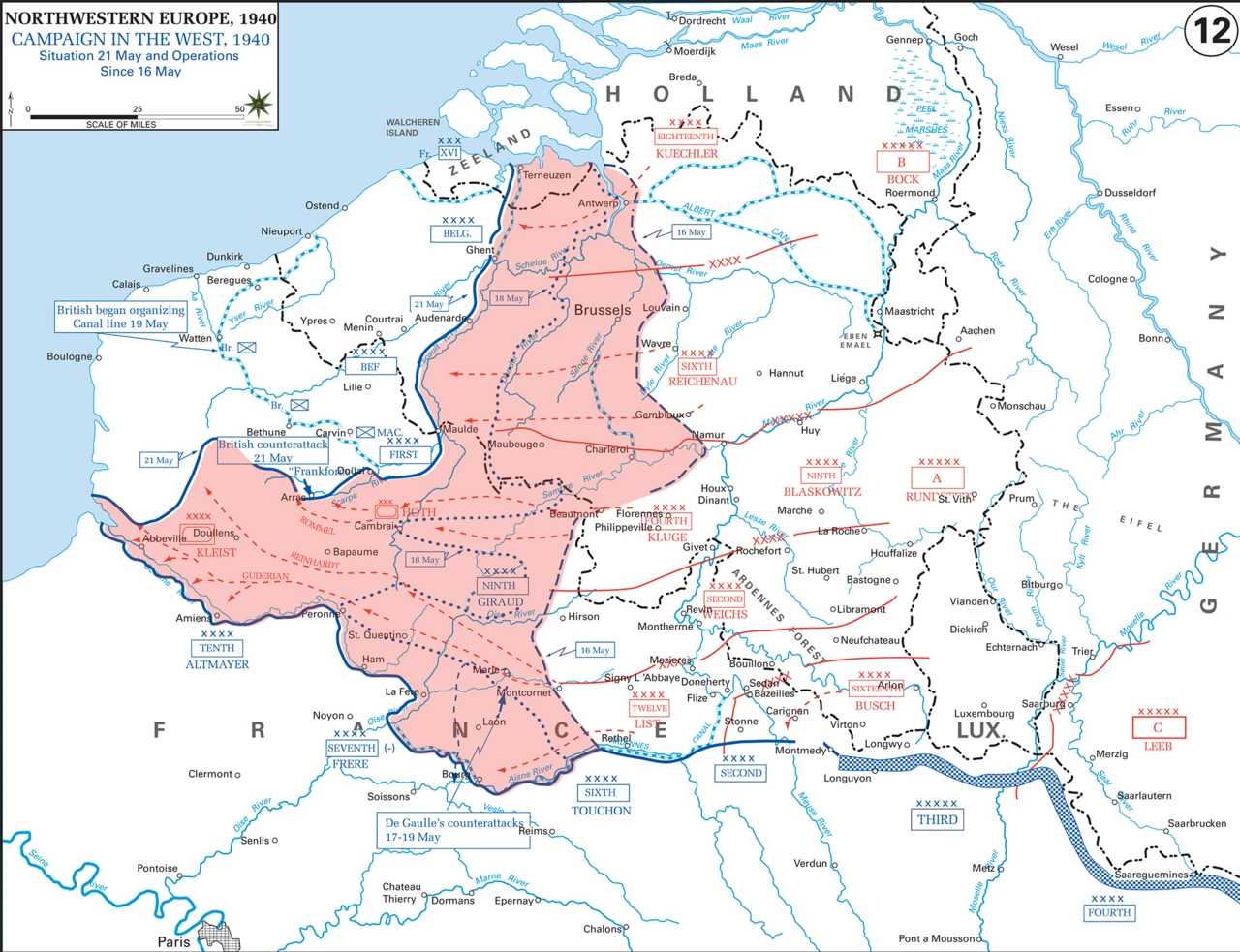
Boulogne — Fox-Pitt and the Guards facing the port
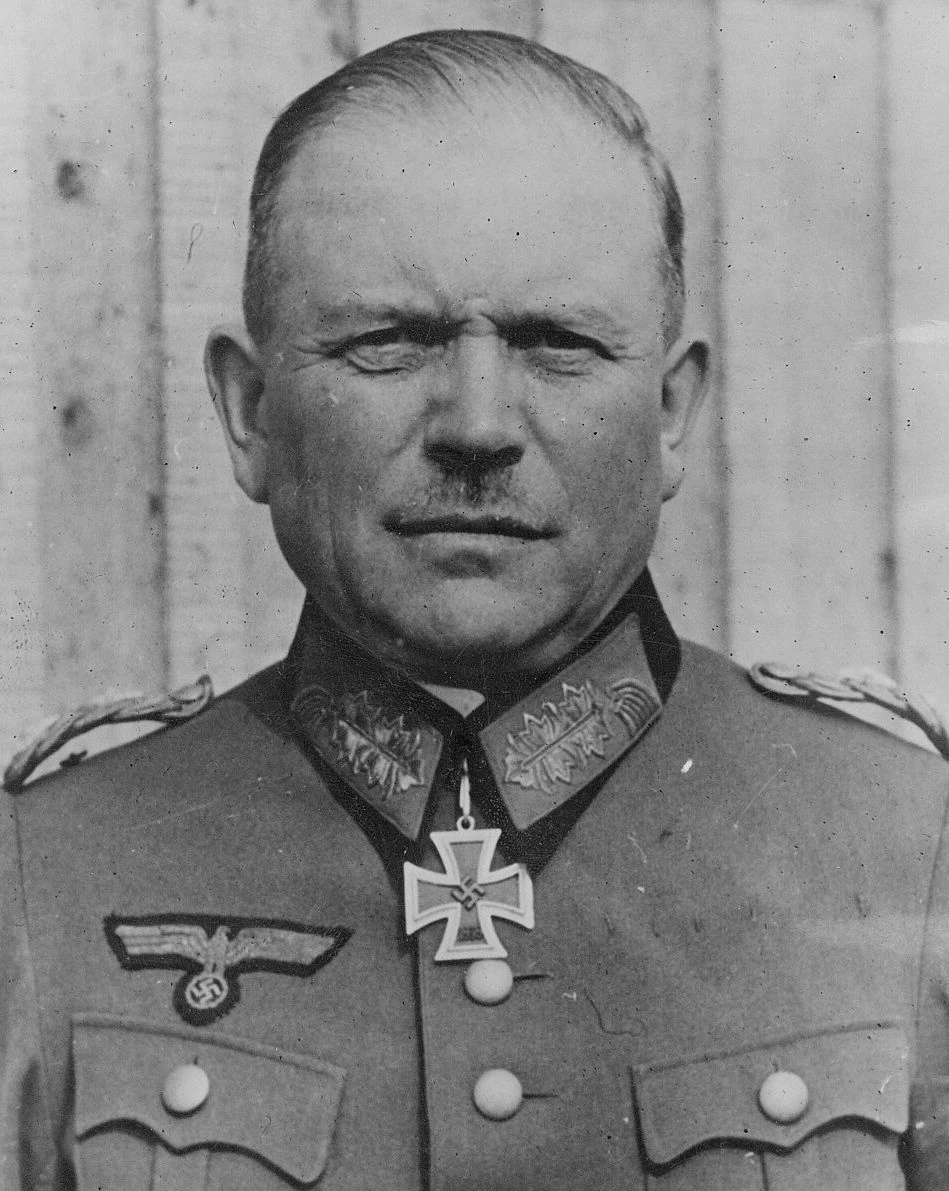
Brześć — Plisowski faces Guderian
Bulson — Lafontaine and the 02:00 rumour
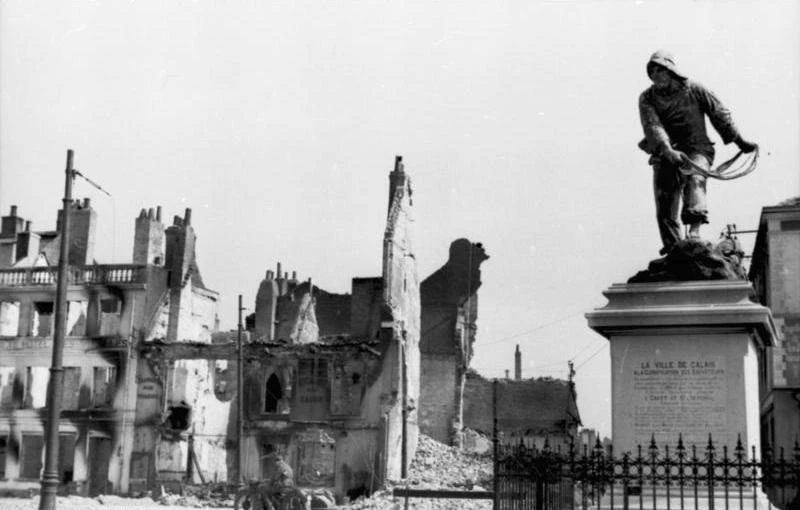
Calais — Nicholson facing the ultimatum
The Defence of Boulogne
The bridges of the Meuse
Volokolamsk: hold the road or save the unit
Barbarossa — 3:15 a.m.
The abatis of the Chasseurs Ardennais
The Battle of the Lys
Boulogne — Fox-Pitt and the Guards facing the port
Brześć — Plisowski faces Guderian
Bulson — Lafontaine and the 02:00 rumour
Calais — Nicholson facing the ultimatum
The Defence of Boulogne