
The Hermitage as the siege closes in
, a renowned orientalist and academician born in 1887, has directed the Hermitage since 1934 — one of the largest art collections in the world, housed in the Winter Palace in Leningrad. A specialist in the medieval Caucasus, he anticipated the war: from the German attack of 22 June 1941, without waiting for orders from Moscow, he set the works being packed.
Two special convoys, escorted by anti-aircraft batteries and armed guards, have already carried more than a million pieces to Sverdlovsk, in the Urals, before 20 July. A third has been assembled, its crates ready to leave.
But on this 8 September, German forces reach Lake Ladoga and close the land encirclement of Leningrad: the last rail line to the rear is cut. Tens of thousands of works still remain in the museum.
Orbeli must decide: press to send this convoy out along routes that have grown uncertain, move the crates down into the palace's lower halls and cellars, or shelter on site only the very finest pieces.
Should Iosif Orbeli force the last convoy out, move all the crates down into the palace cellars, or shelter on site only the major masterpieces?
The third convoy was never able to leave: the encirclement had closed before it could be sent. Joseph Orbeli therefore had the assembled crates placed in the ground-floor halls and cellars of the Hermitage. From September 1941, the basements of the Winter Palace and of the Old and New Hermitage were turned into air-raid shelters housing some 2,000 people — museum staff, artists, and local residents. The museum endured the bombarded, frozen siege, its staff decimated by hunger yet watching over the collections. The two summer convoys had saved the essentials; what remained survived thanks to the protective measures taken on site. The evacuated works returned from Sverdlovsk in October 1945, and the museum reopened its doors on 4 November 1945. Orbeli's action has remained a textbook case of saving cultural heritage under fire.
Learn more about this event
Related polls
10
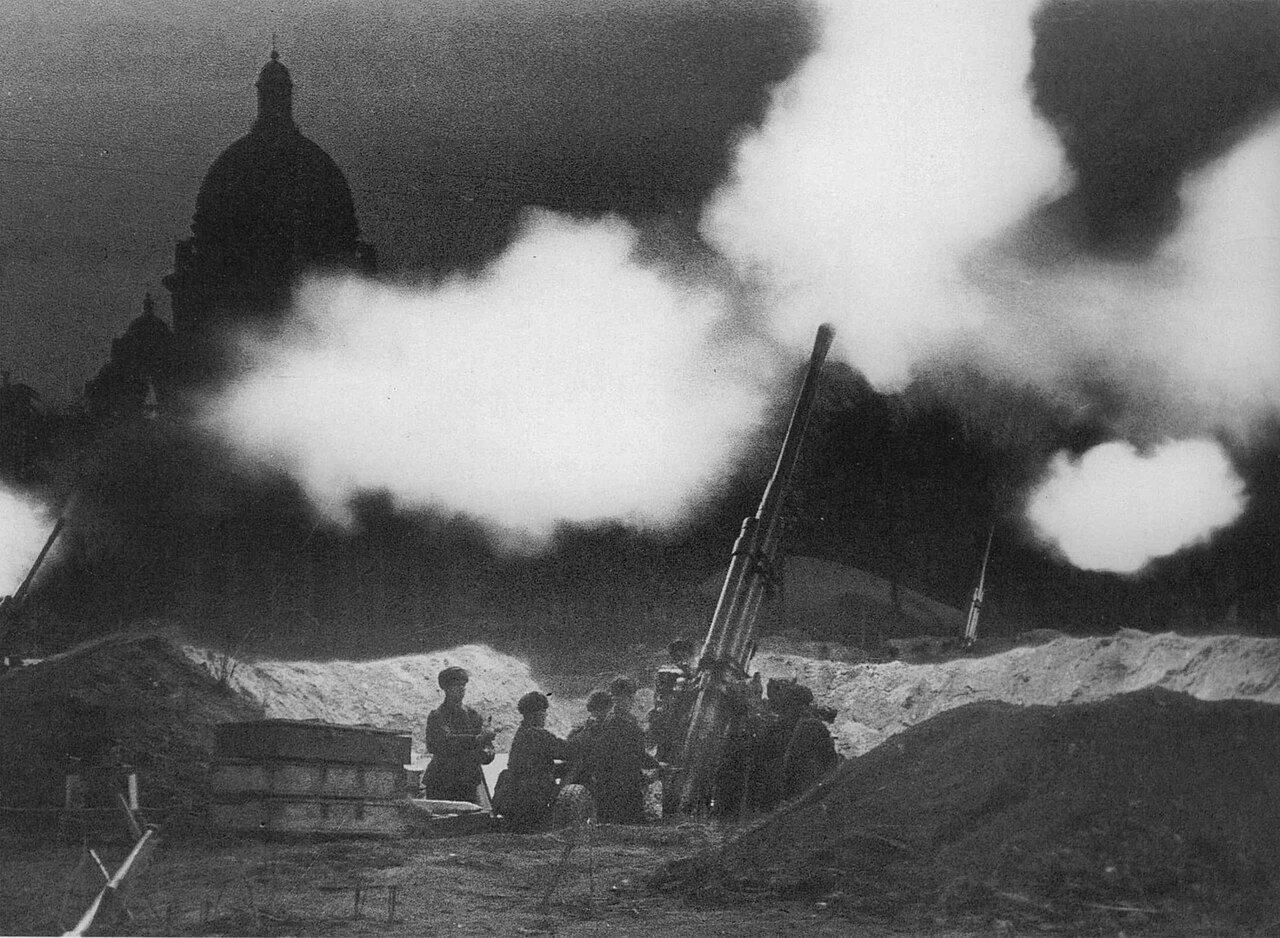
Leningrad encircled: where to keep the bread?
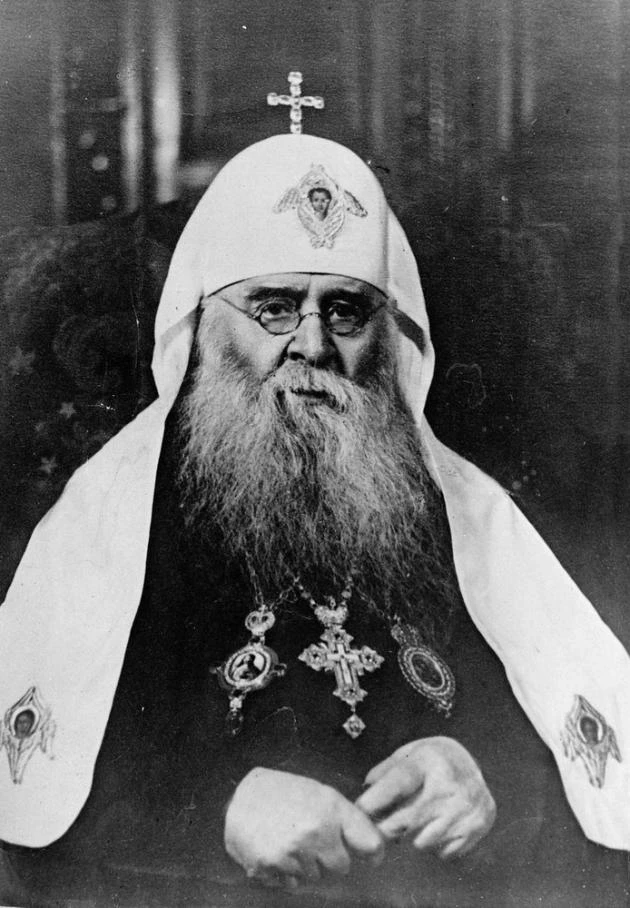
The Church in a Threatened Moscow
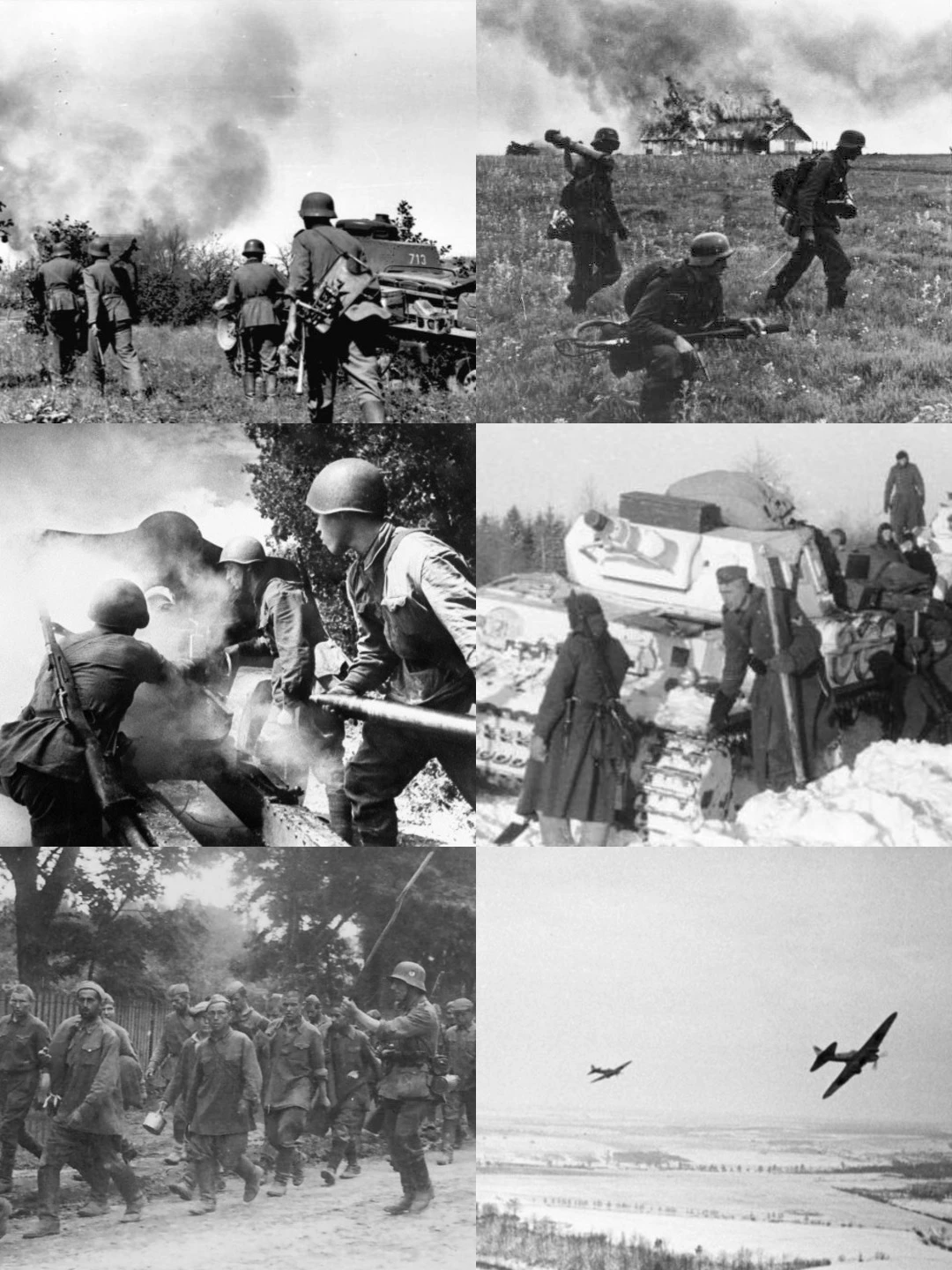
Before the enemy: the kolkhoz farm
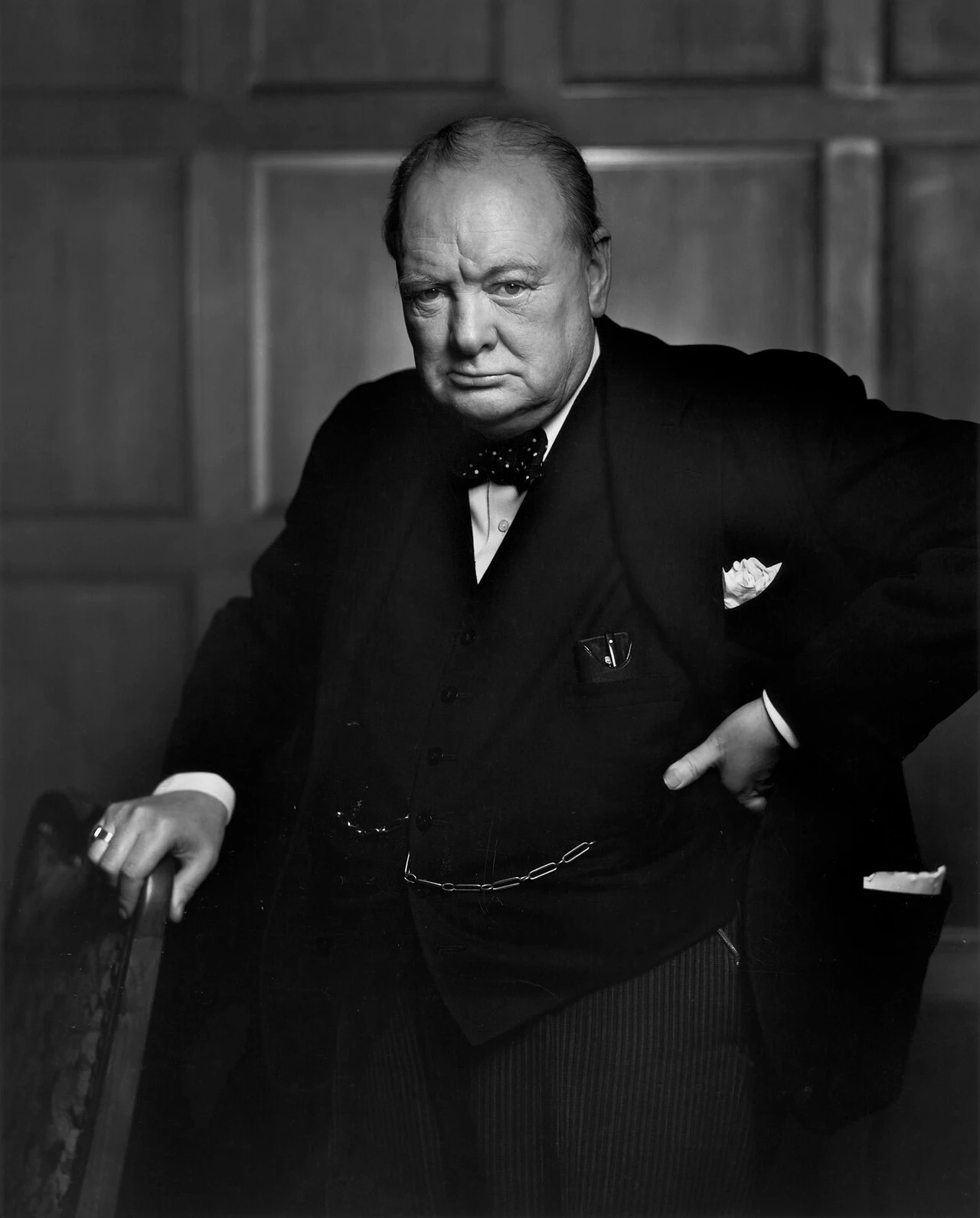
Auchinleck replaces Wavell
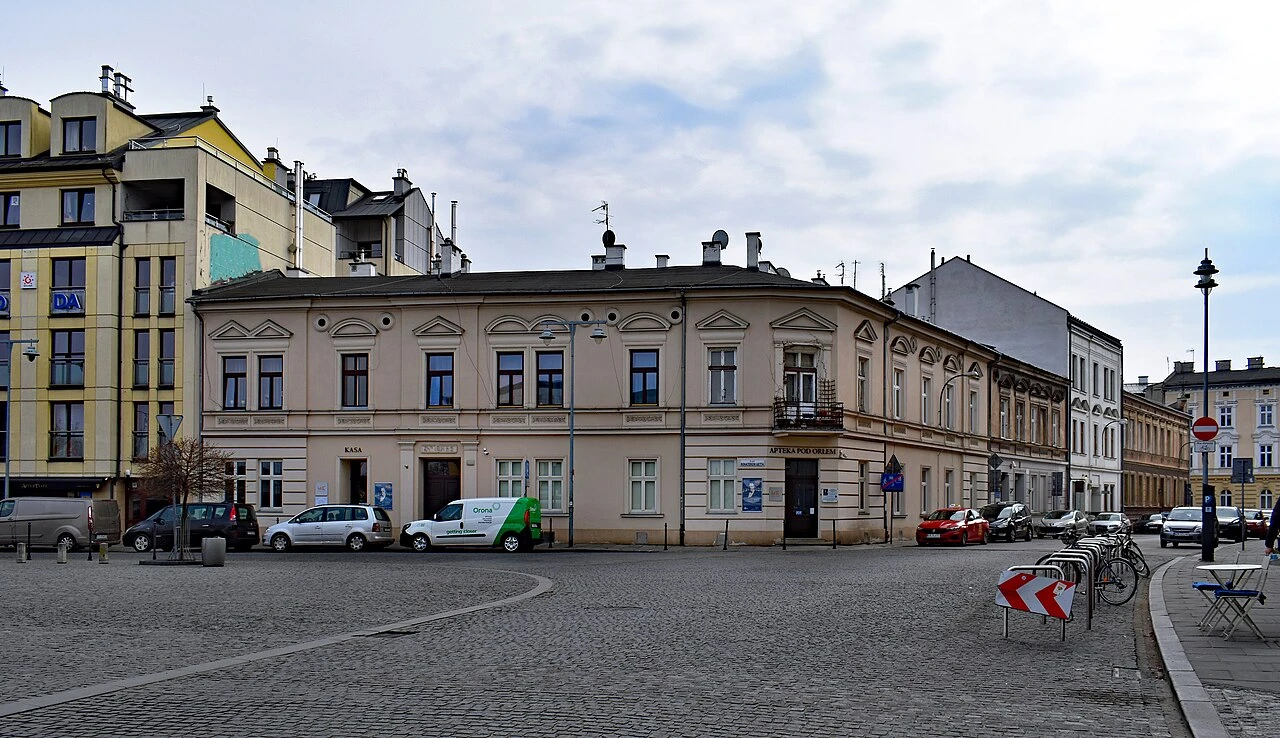
The apothecary of the Kraków Ghetto
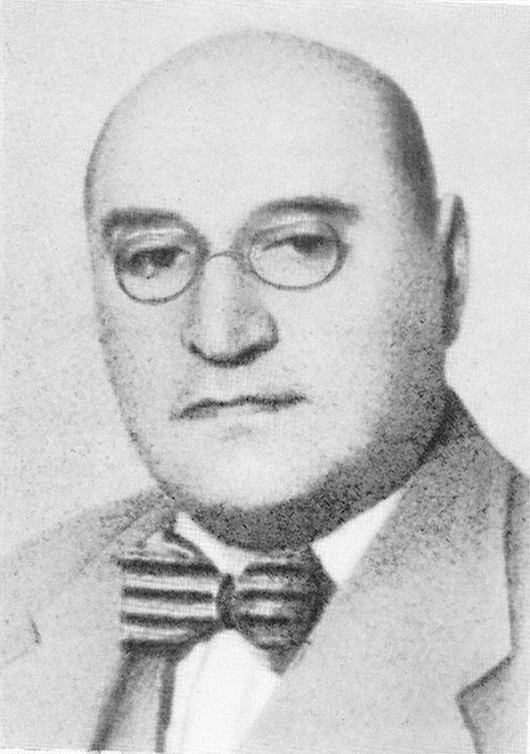
Czerniaków — the offer of the Judenrat
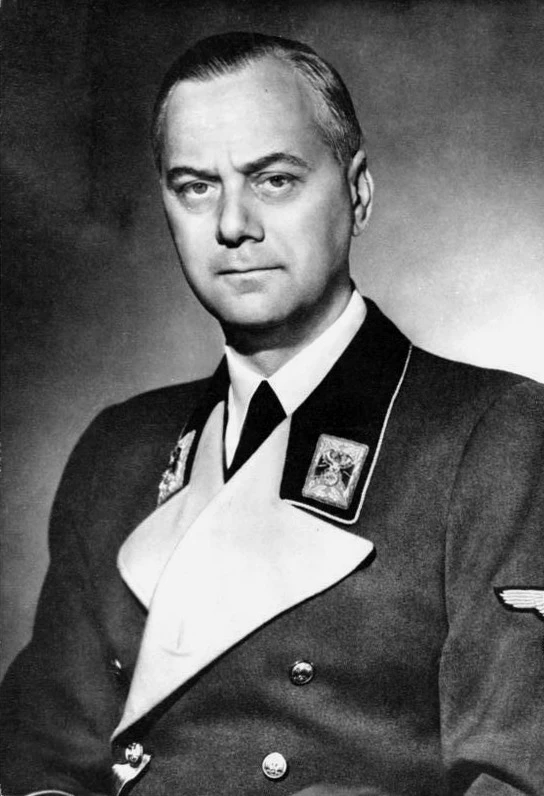
The Evacuation of the Children
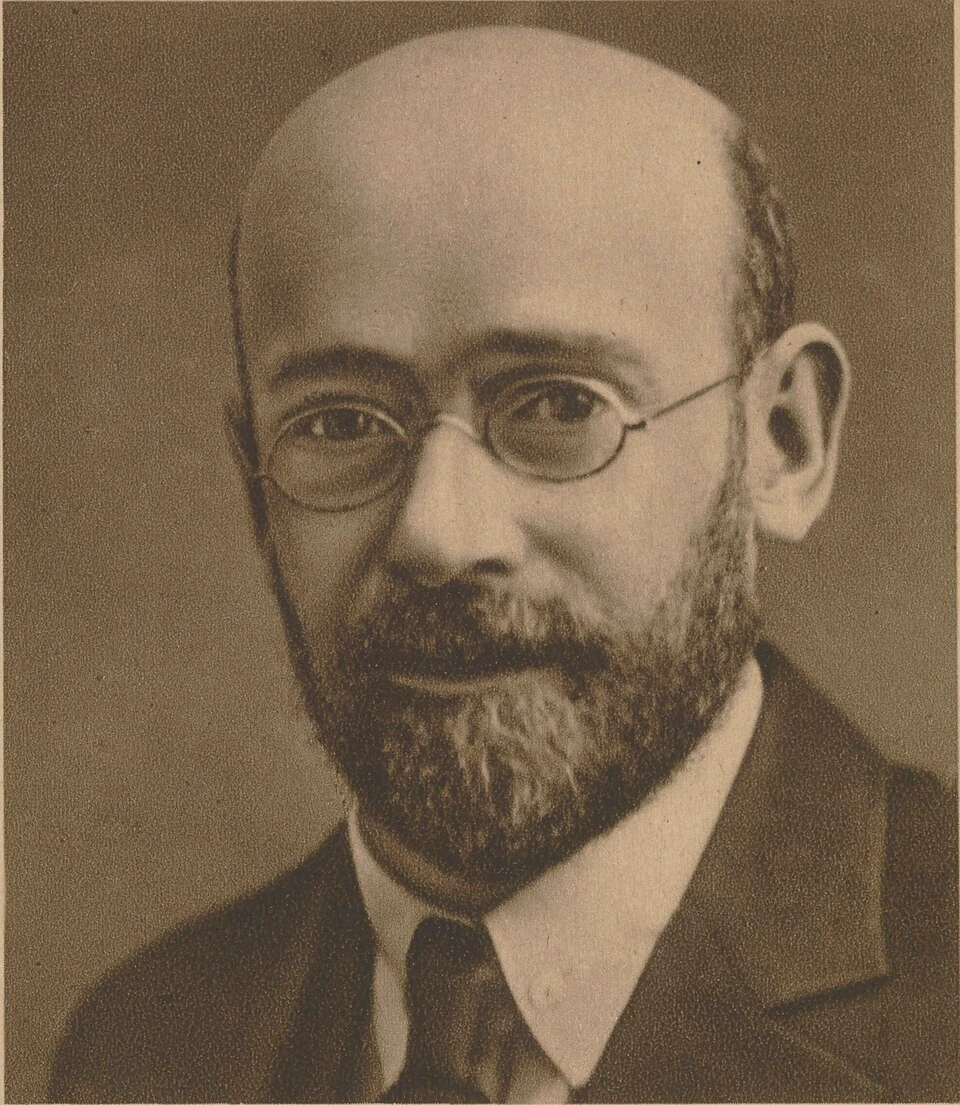
Korczak — facing the siege of Warsaw
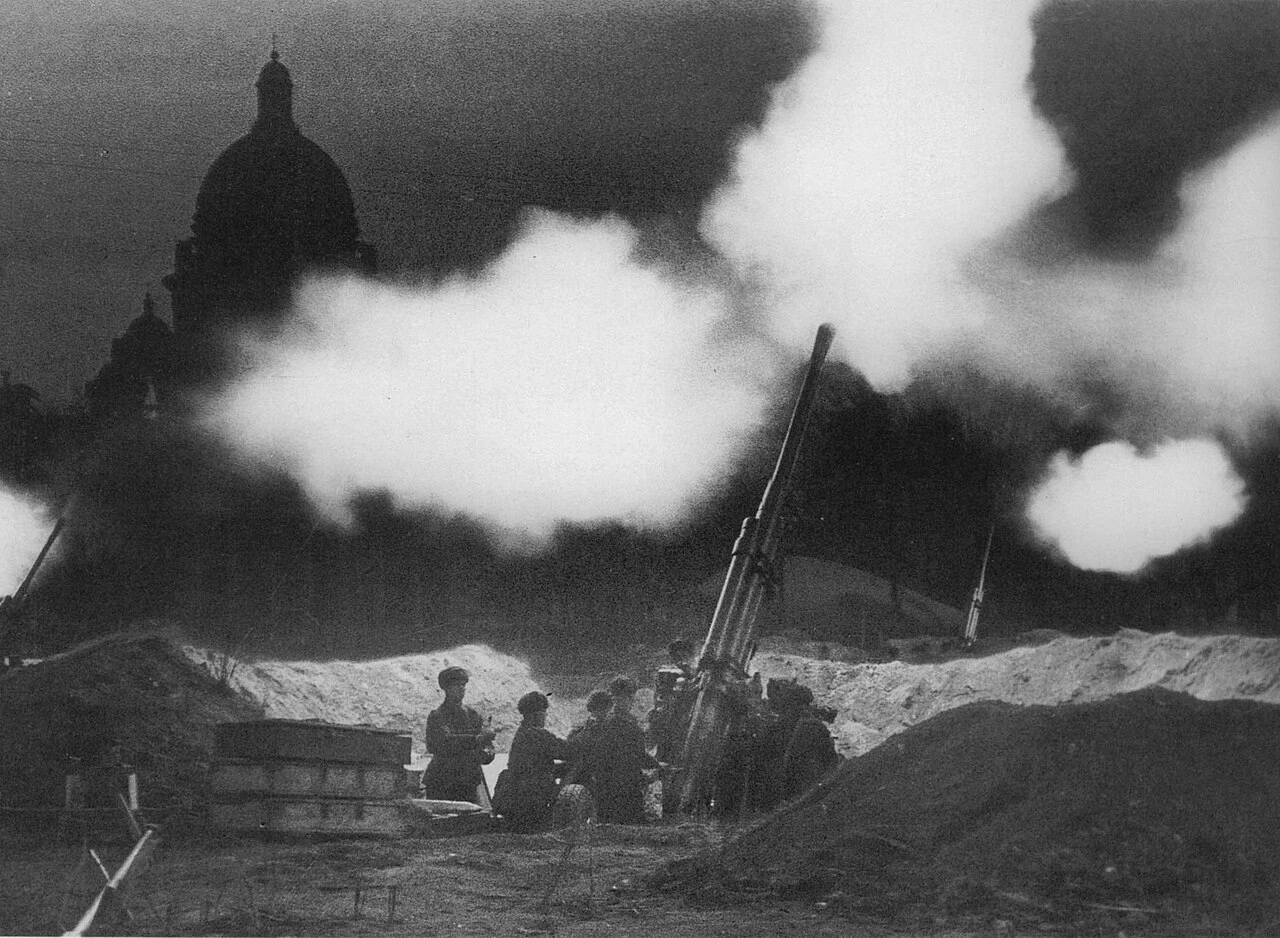
The Kirov Plant Under the Shells
British Coal for the Winter of 1939
Leningrad encircled: where to keep the bread?
The Church in a Threatened Moscow
Before the enemy: the kolkhoz farm
Auchinleck replaces Wavell
The apothecary of the Kraków Ghetto
Czerniaków — the offer of the Judenrat
The Evacuation of the Children
Korczak — facing the siege of Warsaw
The Kirov Plant Under the Shells