
The Captives of the Ukrainian Pockets
A German quartermaster officer commands a Dulag (Durchgangslager, transit camp) in occupied Ukraine, one of the transit points for Soviet prisoners on their way to the Stalags in the rear. He serves in a war of annihilation (Vernichtungskrieg) that Germany has waged in the East since June 1941.
The autumn encirclements have brought in unprecedented masses: nearly 600,000 captives after the Kiev pocket, as many again after Vyazma-Bryansk. Nothing has been arranged to feed them; the supply service, already strained for its own troops, has set aside no reserve for them.
The instructions from above are unambiguous: a working prisoner's ration is capped at 2,200 calories, and doctrine places the Soviet captive at the very bottom of all priorities. As winter approaches, provisions run short.
Tens of thousands of men crowd behind the wire. The officer must decide how to treat them: draw on the troops' meager stocks, apply the minimum-ration scale to the letter, or release the local men to reduce the number of mouths.
How does the German quartermaster officer manage the supply of the prisoners crowding into his transit camp?
In the overwhelming majority of cases, the quartermasters applied the policy of minimum rations, often reduced in practice to 700 calories a day, sometimes to nothing. The consequence was mass mortality. According to the pioneering work of , about 3.3 million of the 5.7 million Soviet prisoners captured by Germany perished — a rate on the order of 57 percent, against 3.5 percent for British and American captives. Nearly 2 million were already dead by February 1942, chiefly from hunger, cold, disease, or execution. situates these deaths within the logic of the "Hunger Plan." The fate of the Soviet prisoners of war is recognized as one of the great crimes of the Wehrmacht.
Learn more about this event
Related polls
10
Generalplan Ost — the Hunger Plan
The Warsaw Ghetto — the ration of hunger

Kamenets-Podolski — the threshold crossed
The Reprisal Quota at Kragujevac
Peenemünde: producing before flying
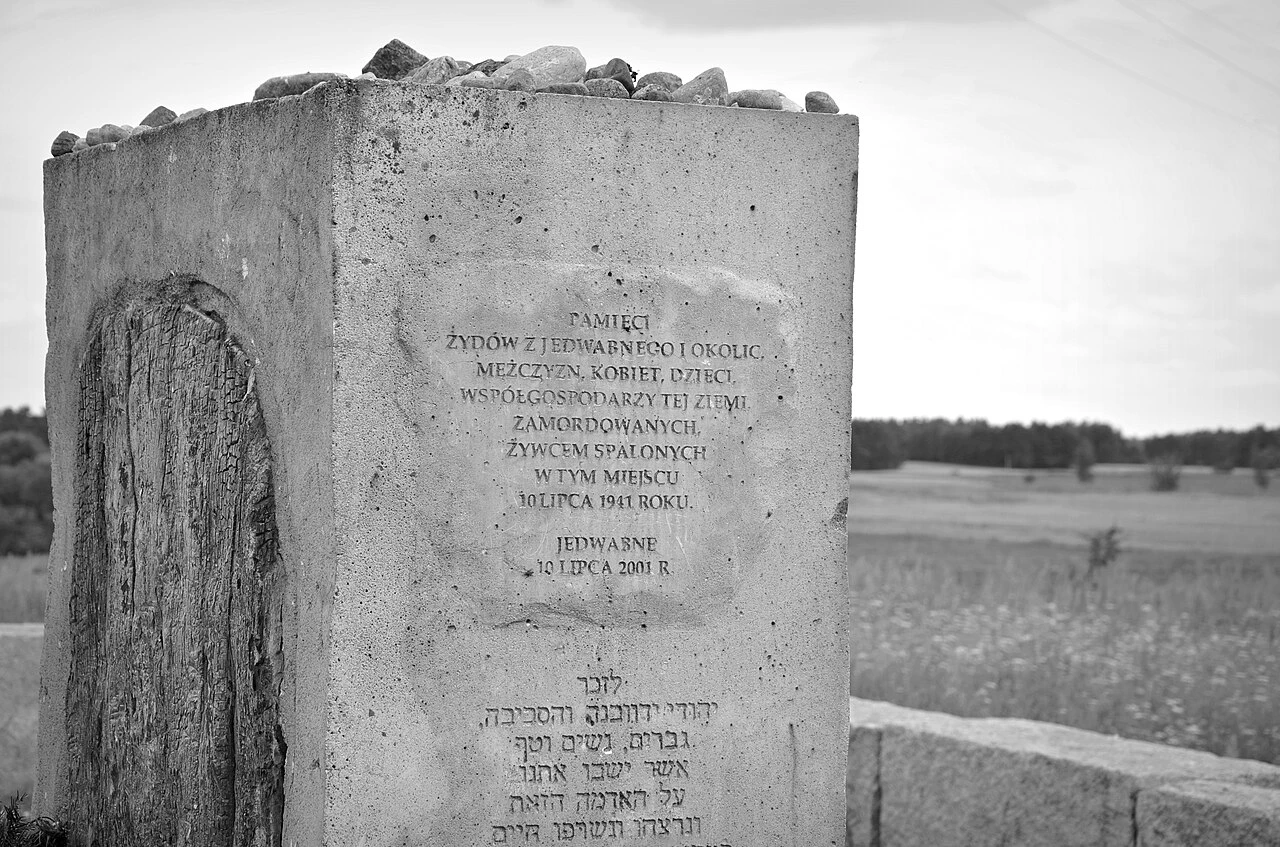
Jedwabne — the crime of the neighbours
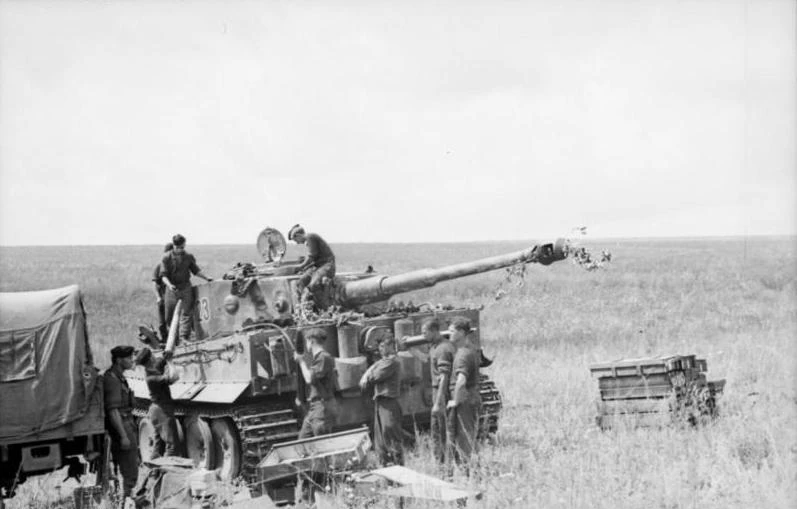
Krupp and the Beast's Cannon
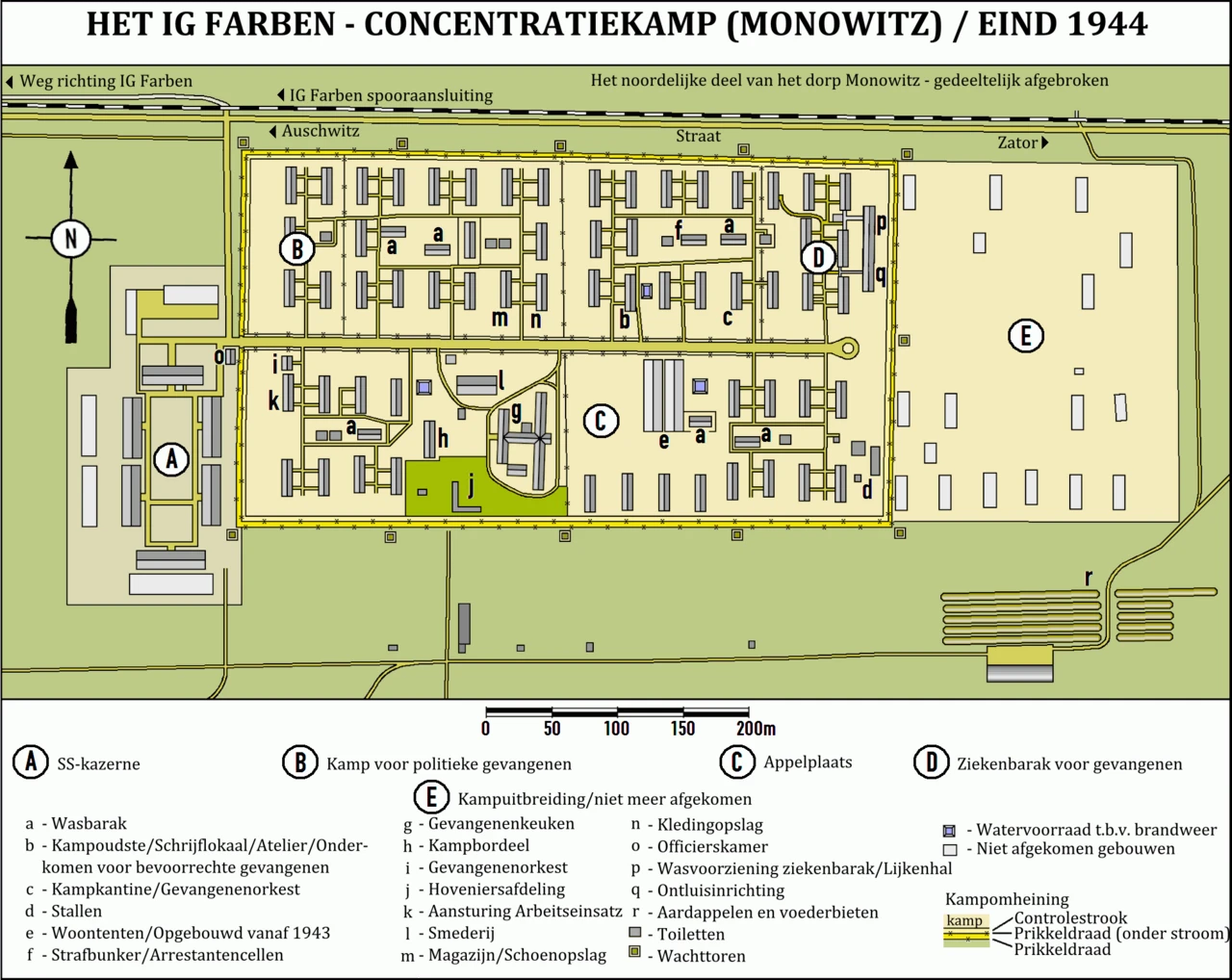
The Monowitz Construction Site

The Kharkov railwayman and the Reichsbahn
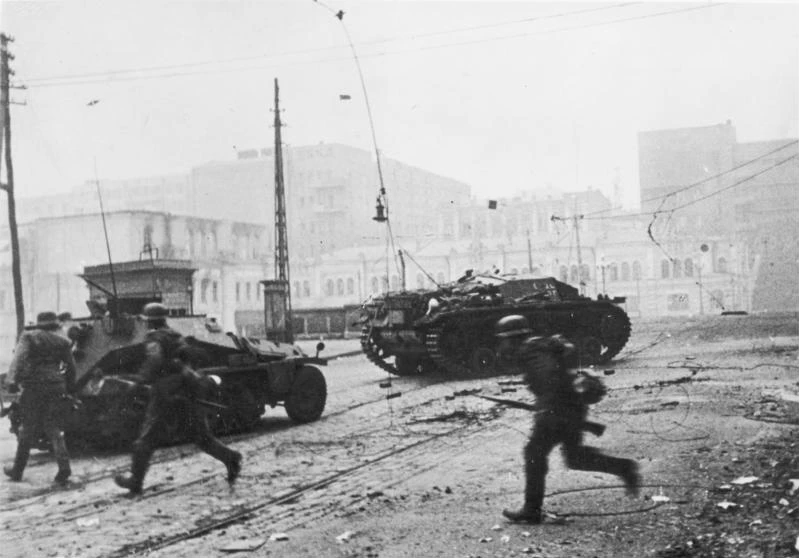
Soviet Sappers at Kharkov
Generalplan Ost — the Hunger Plan
The Warsaw Ghetto — the ration of hunger
Kamenets-Podolski — the threshold crossed
The Reprisal Quota at Kragujevac
Peenemünde: producing before flying
Jedwabne — the crime of the neighbours
Krupp and the Beast's Cannon
The Monowitz Construction Site
The Kharkov railwayman and the Reichsbahn